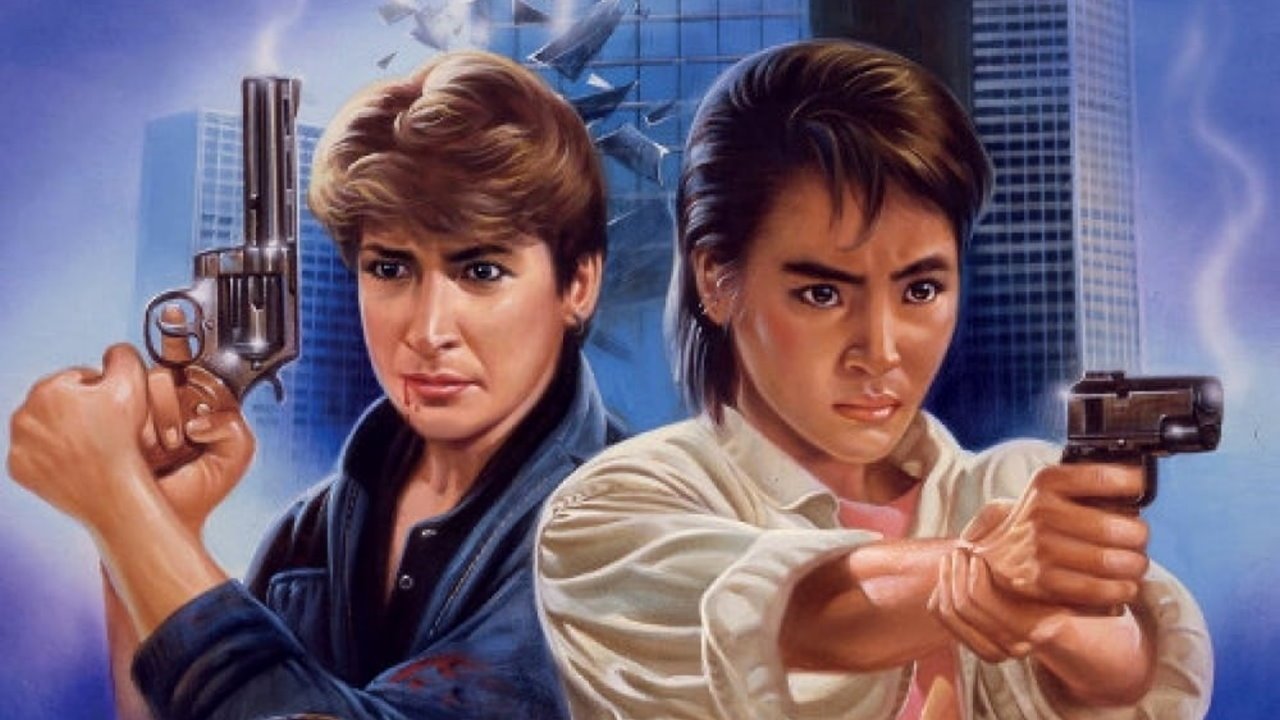
Okay, rewind your minds. Picture this: You're browsing the aisles of your favorite video rental joint, maybe a 'Blockbuster' or maybe one of those glorious independent stores with the beaded curtains. The air smells faintly of plastic tape cases and stale popcorn. You scan past the familiar action heroes – Stallone, Schwarzenegger, Willis – and then bam. The cover art hits you: two incredibly determined-looking women, ready for battle. That, my friends, was likely your introduction to 1985's Yes, Madam! (皇家師姐 / Wong Ka Si Sei), a film that didn't just kick open the door for female-led action in Hong Kong; it blew the hinges clean off.
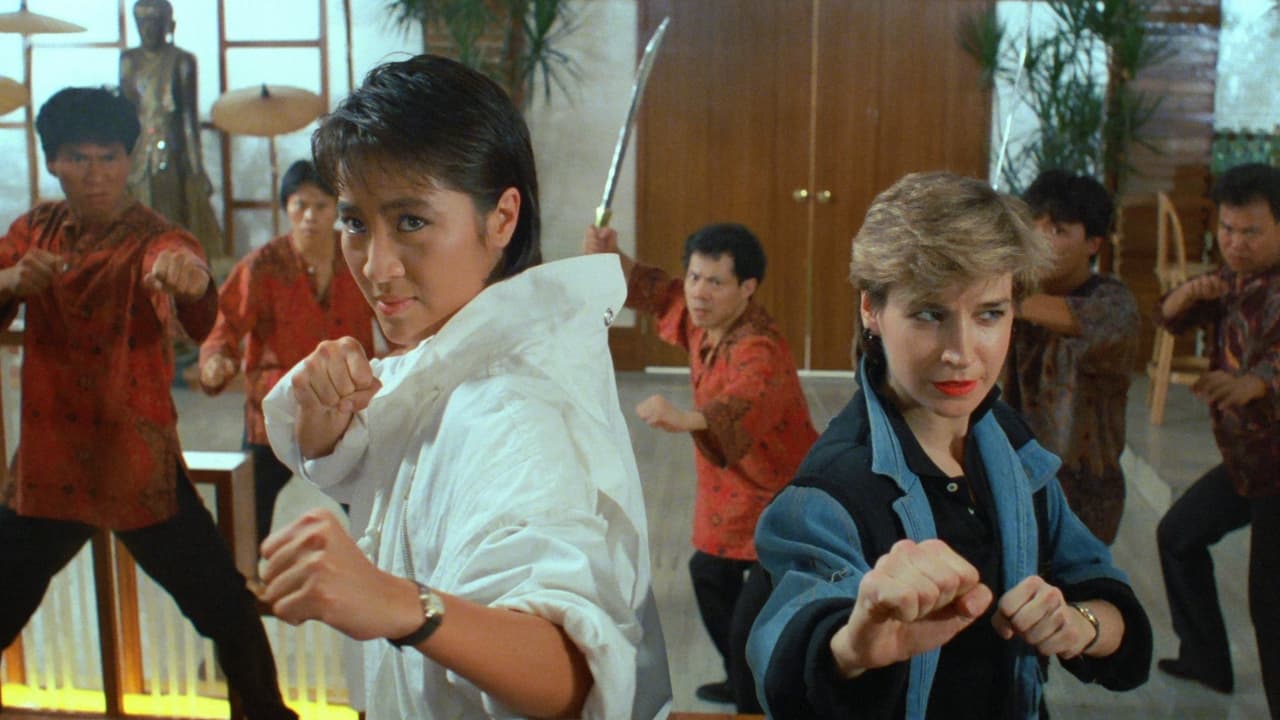
This wasn't just another action flick; it felt like a statement. It was the thrilling arrival of Michelle Yeoh (then billed as Michelle Khan), a former Miss Malaysia and ballet dancer who pivoted to screen combat with astonishing ferocity, paired with Cynthia Rothrock, an American martial arts powerhouse making her explosive Hong Kong debut. Forget damsels in distress; these were the deliverers of distress, wrapped in a surprisingly potent blend of police procedural and broad comedy.
### East Meets West, Fists Meet Faces
The plot, courtesy of the prolific Barry Wong, is classic 80s Hong Kong: a microfilm containing sensitive information falls into the hands of some small-time crooks (played with goofy charm by John Shum, Mang Hoi, and featuring a delightful cameo from director Tsui Hark). This sets Senior Inspector Ng (Michelle Yeoh) on their trail, a sharp, by-the-book Hong Kong cop. Simultaneously, Inspector Carrie Morris (Cynthia Rothrock), a tough-as-nails Scottish investigator (yes, Scottish!), arrives seeking justice for a murdered colleague linked to the same microfilm. Naturally, cultures clash, methods differ, but eventually, they team up to take down the real bad guys, led by a sneeringly effective Dick Wei.
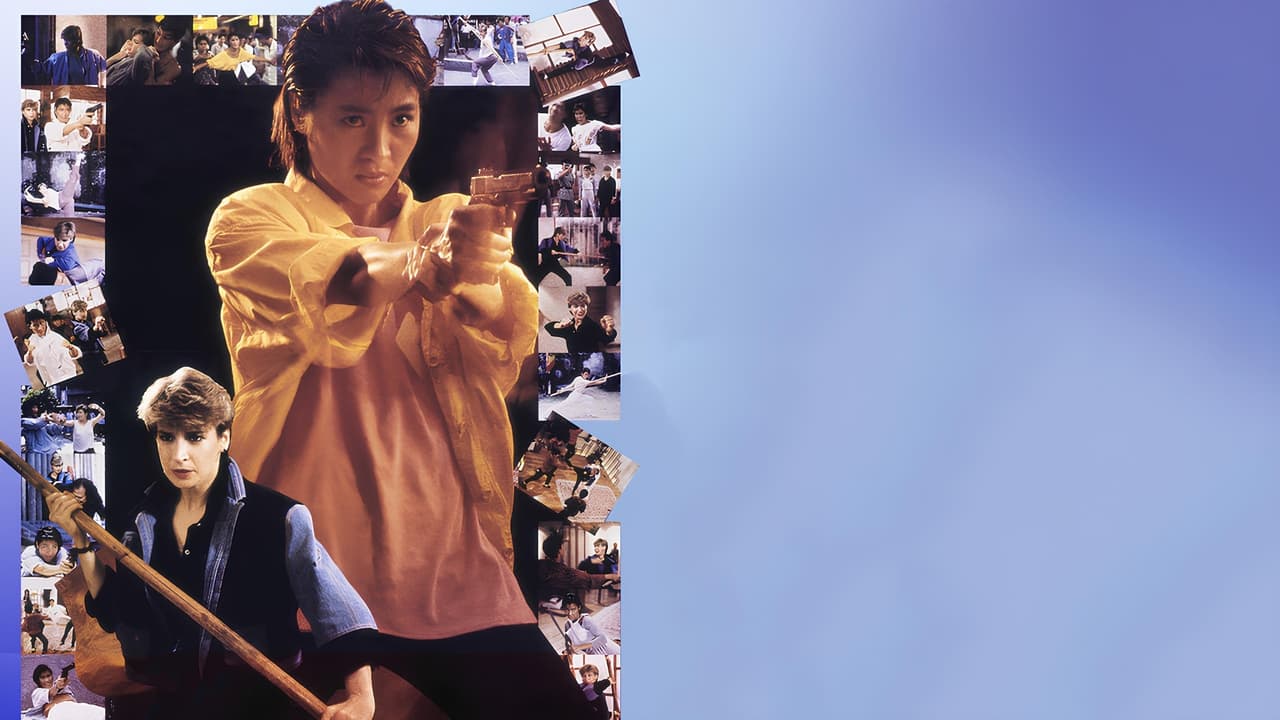
It's a fairly standard setup, a McGuffin chase that provides ample excuse for mayhem. But honestly, who rented Yes, Madam! for the intricacies of espionage? We were there for the action, and director Corey Yuen (who would later bring us the kinetic thrills of The Transporter (2002)) delivered in spades. Yuen, alongside legendary producer Sammo Hung (who reportedly gave Yeoh her big break), understood precisely how to showcase the unique talents of his leads.
### The Bone-Crunching Ballet
Let's talk about that action. This is pure, unadulterated 80s Hong Kong stunt work – raw, inventive, and genuinely dangerous-looking. Remember how real those bullet hits looked? This was the era of squibs and stuntmen earning their paychecks the hard way. There's a gritty, tangible quality here that modern CGI often smooths over. Yeoh, despite her lack of formal martial arts training before entering the film industry, moves with incredible grace and power, incorporating her dance background into fluid kicks and evasions. It’s truly astonishing how quickly she became a believable screen fighter, undergoing intense training for the role.
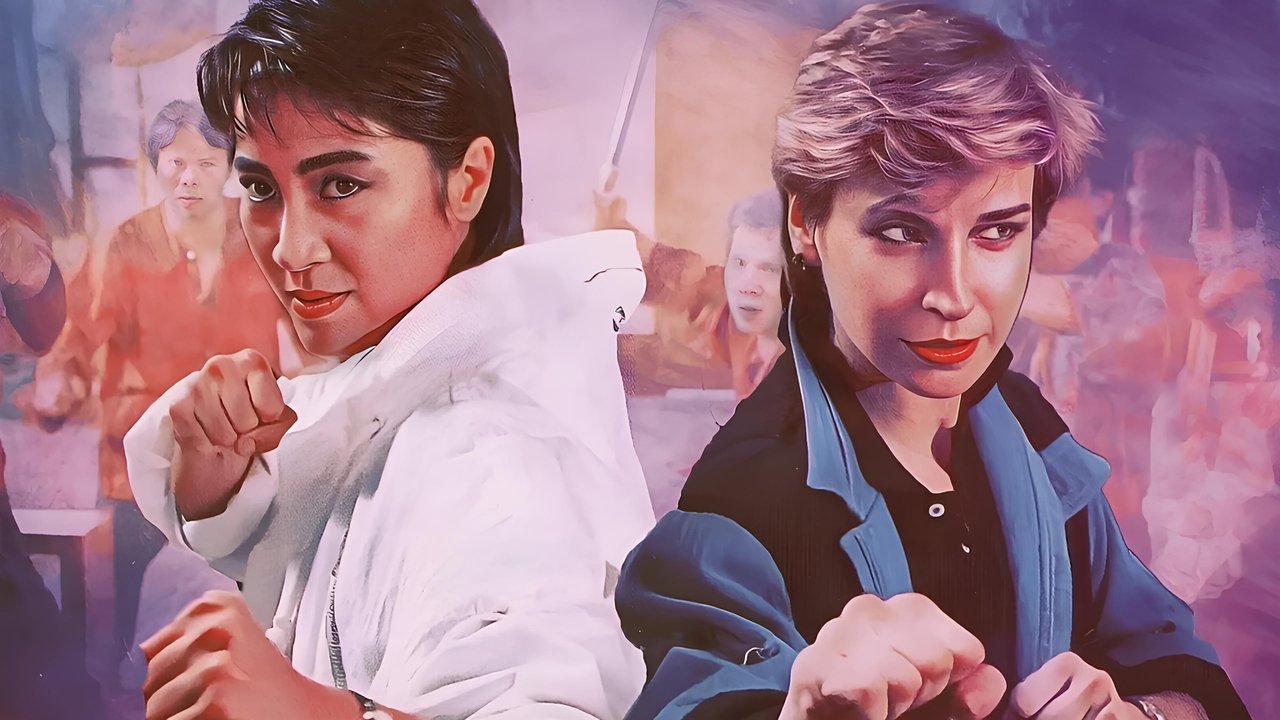
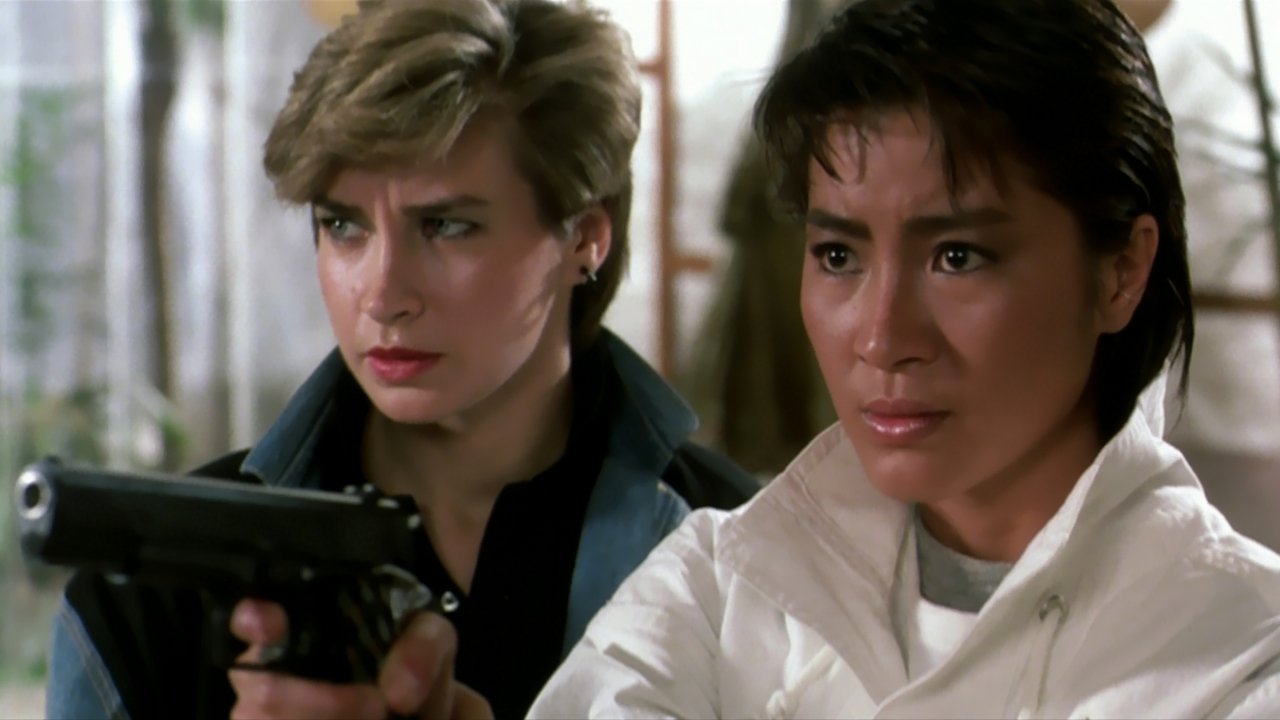
Rothrock, on the other hand, was the real deal – a multi-discipline black belt holder. Her movements are sharp, precise, and utterly convincing. Her signature scorpion kick is deployed with authority, and her fights feel grounded and impactful. The contrast between their styles – Yeoh's more acrobatic flair and Rothrock's grounded power – makes their team-up dynamic visually exciting.
The film builds to a legendary confrontation in the villain's mansion. This sequence is a masterclass in practical stunt work. We get intricate choreography, creative use of the environment, and moments that make you wince. The most famous, of course, is Michelle Yeoh's breathtaking backwards flip over a railing, smashing headfirst through glass panels below. Watching it even now, knowing it was her doing that stunt (reportedly nailing it in one take after intense preparation), is jaw-dropping. It's a testament to the commitment and sheer guts prevalent in Hong Kong action cinema of the time. They simply didn't have the digital safety nets of today, pushing performers to incredible physical limits.
### More Than Just Kicks
While the action is the main draw, the film doesn't shy away from the comedic elements, mostly handled by Shum, Hoi, and Tsui Hark as the bumbling thieves "Aspirin," "Strepsil," and "Panadol." Their antics are pure Hong Kong slapstick – sometimes goofy, sometimes genuinely funny, providing a tonal counterpoint to the often brutal violence. It's a mix that might feel jarring to modern Western audiences, but it was par for the course in HK cinema then, often blending genres with wild abandon.
Produced by Sammo Hung's D&B Films, Yes, Madam! was a significant hit, effectively launching the "Girls with Guns" subgenre that flourished for the next decade. It cemented Michelle Yeoh and Cynthia Rothrock as major action stars, paving the way for countless imitators and successors, including its own thematic follow-up, Royal Warriors (1986), which re-teamed Yeoh with different co-stars.
Sure, viewed today, the plot is thin, the comedy can be hit-or-miss, and the fashion is gloriously, unapologetically 80s. But the energy is infectious, the lead performances are iconic, and the action... oh, the action remains spectacular. It’s a vital piece of action cinema history, showcasing a time when practical effects and fearless performers ruled the screen.
VHS Heaven Rating: 8/10
Justification: Loses a point for the sometimes dated comedy and simple plot, but gains massive points for groundbreaking female leads, phenomenal practical stunt work, launching careers, and Corey Yuen's electric action direction. The raw energy and historical importance are undeniable.
Final Thought: Yes, Madam! isn't just a movie; it's a high-impact time capsule delivering a potent dose of pre-CGI adrenaline and proving that toughness and talent know no gender boundaries. Stick this tape in the VCR – the fierce energy still crackles off the screen.