Okay, fellow tape travelers, let's rewind to 1997. The familiar strains of whale song echo from the TV speakers, the tracking might be slightly off, but the anticipation is there. We're back with Jesse and his magnificent orca pal, Willy. But something feels… different this time around. Free Willy 3: The Rescue wasn't quite the sun-drenched splash-fest of its predecessors. It aimed for deeper waters, tackling themes that felt surprisingly grown-up for a family film sequel dug out from the back of the video store shelf.
Darker Tides for Our Dynamic Duo
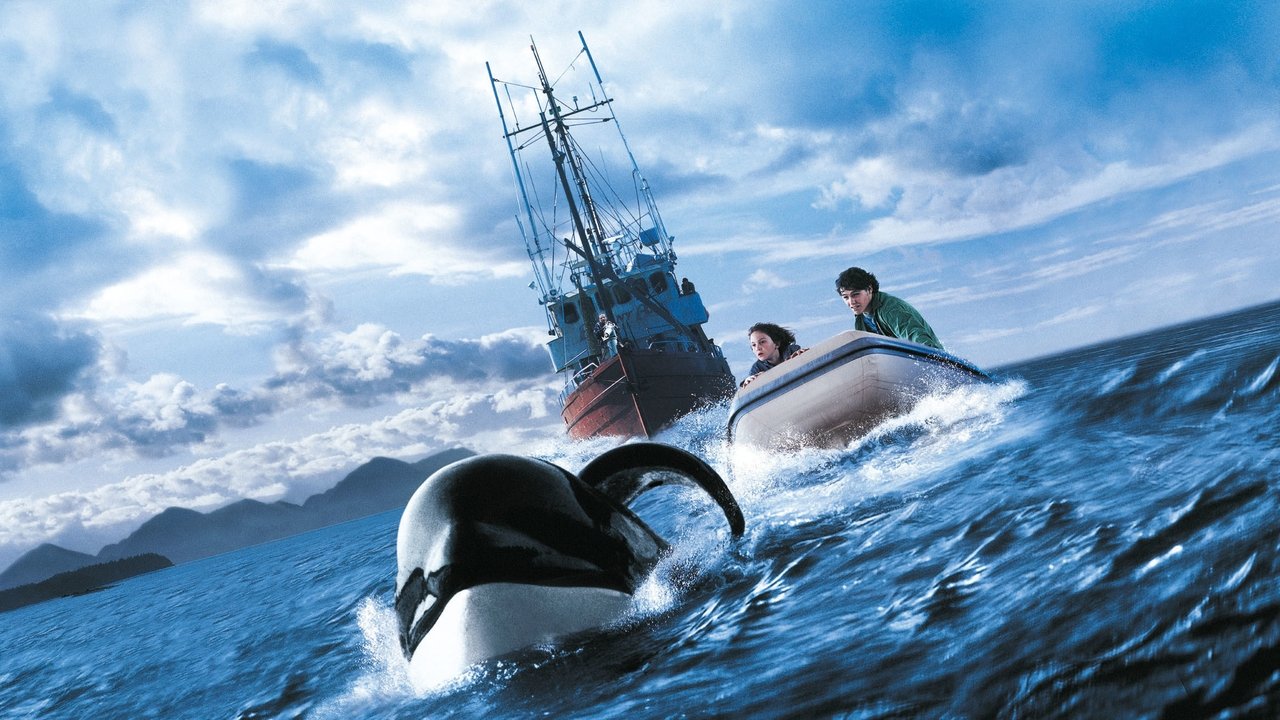
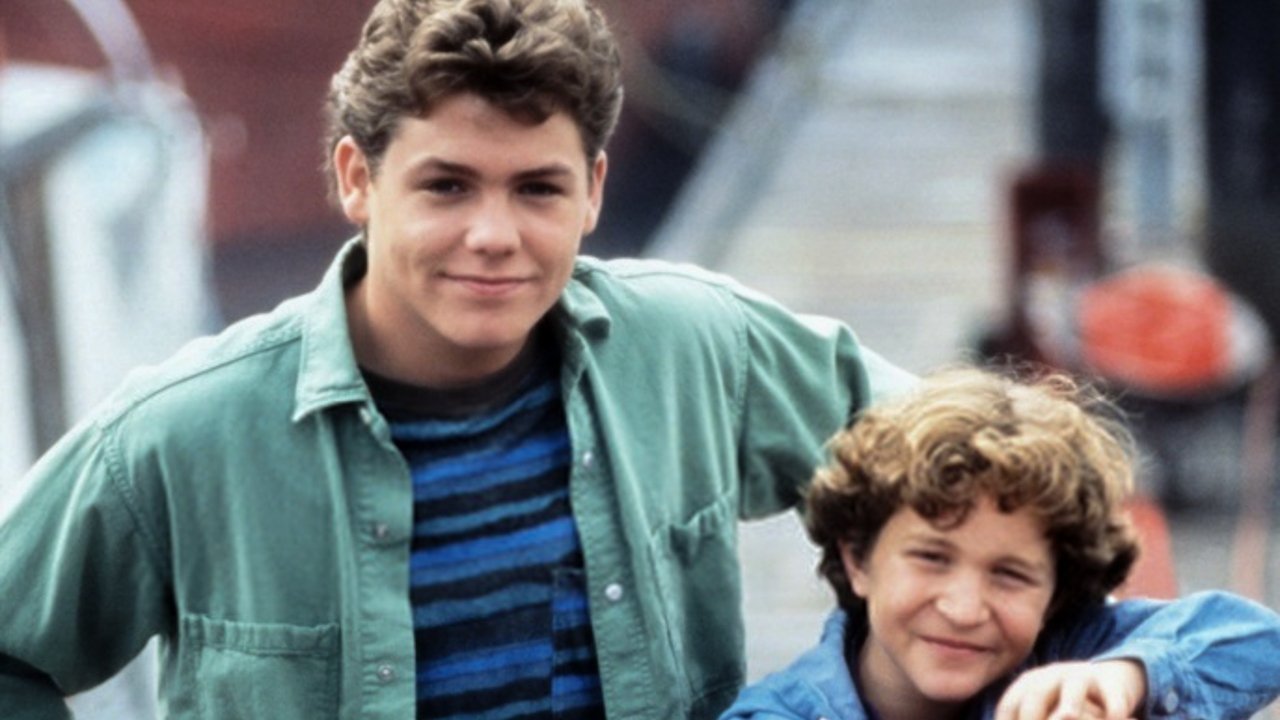
This third outing finds a teenage Jesse, played once again by the familiar face of Jason James Richter, spending his summer aboard a research vessel studying orcas in the Pacific Northwest. Reuniting with his old friend Randolph (August Schellenberg, always a grounding presence), Jesse is thrilled to discover Willy is not only thriving but also has a family of his own now – a mate and an impending calf! It feels like the perfect culmination… until the shadow of illegal whalers falls over their reunion. Leading the whaling operation is John Wesley (Patrick Kilpatrick), whose own young son, Max (Vincent Berry), initially idolizes his father's dangerous profession, creating a compelling parallel to Jesse's unwavering bond with Willy.
Directed by Sam Pillsbury (who brought us the quirky teen comedy Zandalee a few years prior) and penned by John Mattson and Karen Janszen, Free Willy 3 took a deliberate step away from the pure adventure formula. It leaned into a more earnest environmental message, directly confronting the grim reality of illegal whaling. Gone were the cartoonish villains of the second film; here, the threat felt colder, more calculated, and frankly, a bit more unsettling for a Saturday afternoon viewing with a bowl of popcorn. I remember being a bit taken aback by the shift – it felt less like a joyous reunion and more like a conservation documentary wrapped in a familiar narrative cloak.
Growing Pains and Animatronic Wonders
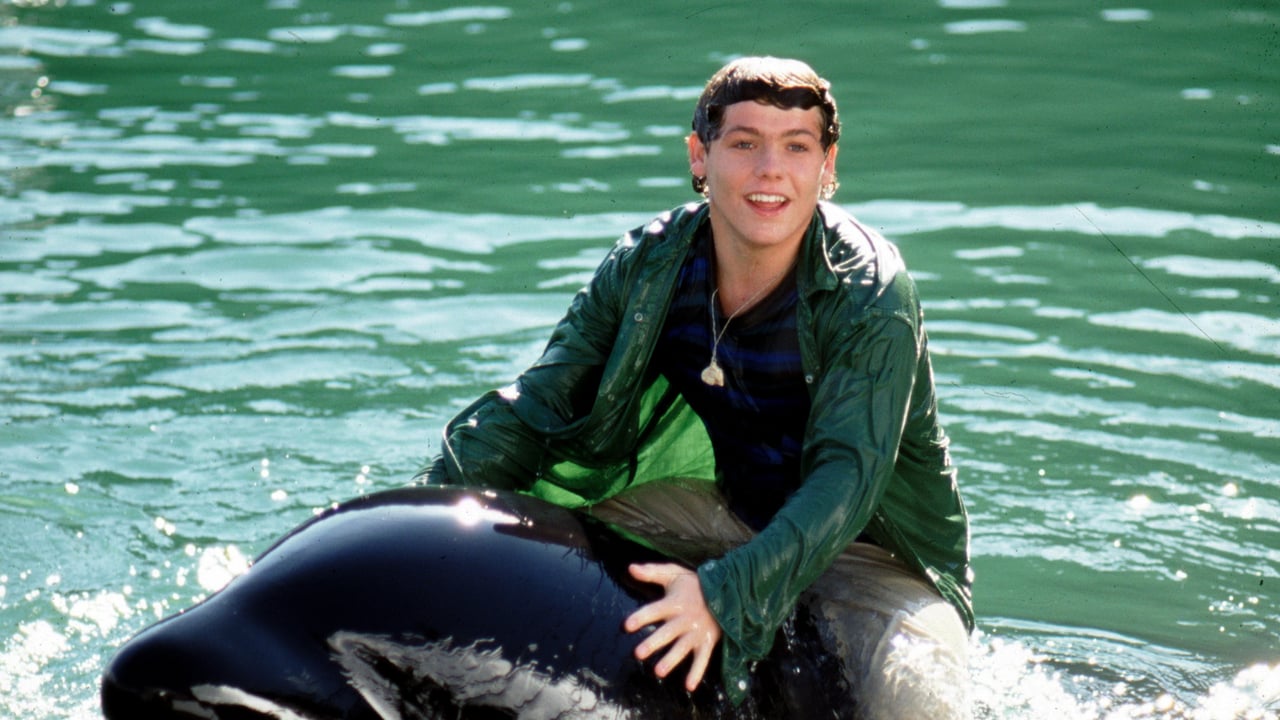
Jason James Richter does a commendable job portraying Jesse's transition into young adulthood. He’s grappling with responsibility, the complexities of the adult world, and the fierce protectiveness he feels for Willy. His dynamic with Max, the whaler’s son who slowly begins to question his father’s actions, forms the emotional core of the film. It’s through Max’s eyes that the film attempts to show the possibility of change and understanding, even across seemingly insurmountable divides. August Schellenberg as Randolph remains the wise, stoic heart of the series, his connection to the natural world providing a vital anchor.
And then there's Willy himself, brought to life once more through a combination of footage of the real Keiko and impressive animatronics. The advancements in practical effects by the late 90s are evident; the animatronic Willy felt more lifelike than ever, seamlessly integrated with the live footage filmed off the coast of British Columbia. There's a certain tangible quality to these effects that CGI, for all its wonders, sometimes struggles to replicate. You felt Willy's presence, his immense power and grace.
Retro Fun Facts: Keiko's Shadow and Box Office Blues
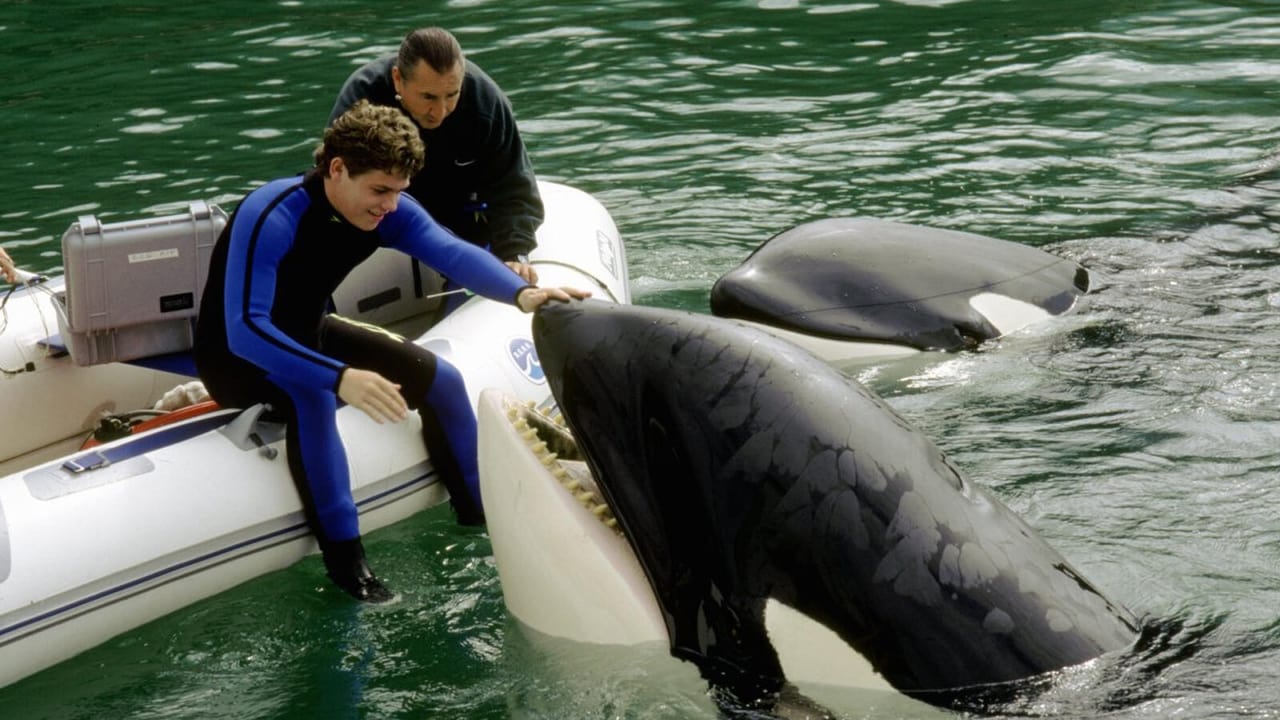
It’s impossible to discuss Free Willy 3 without acknowledging the bittersweet reality surrounding its star. Keiko, the Icelandic-captured orca whose own story mirrored Willy’s quest for freedom, was still the center of a massive, real-life rehabilitation effort funded partly by the success of the first film. While The Rescue depicted Willy thriving in the wild with a family, Keiko's own journey back to the ocean was fraught with challenges and ultimately ended prematurely. This real-world context hangs over the film, adding a layer of poignancy that perhaps wasn't fully intended but is deeply felt by those who followed his story.
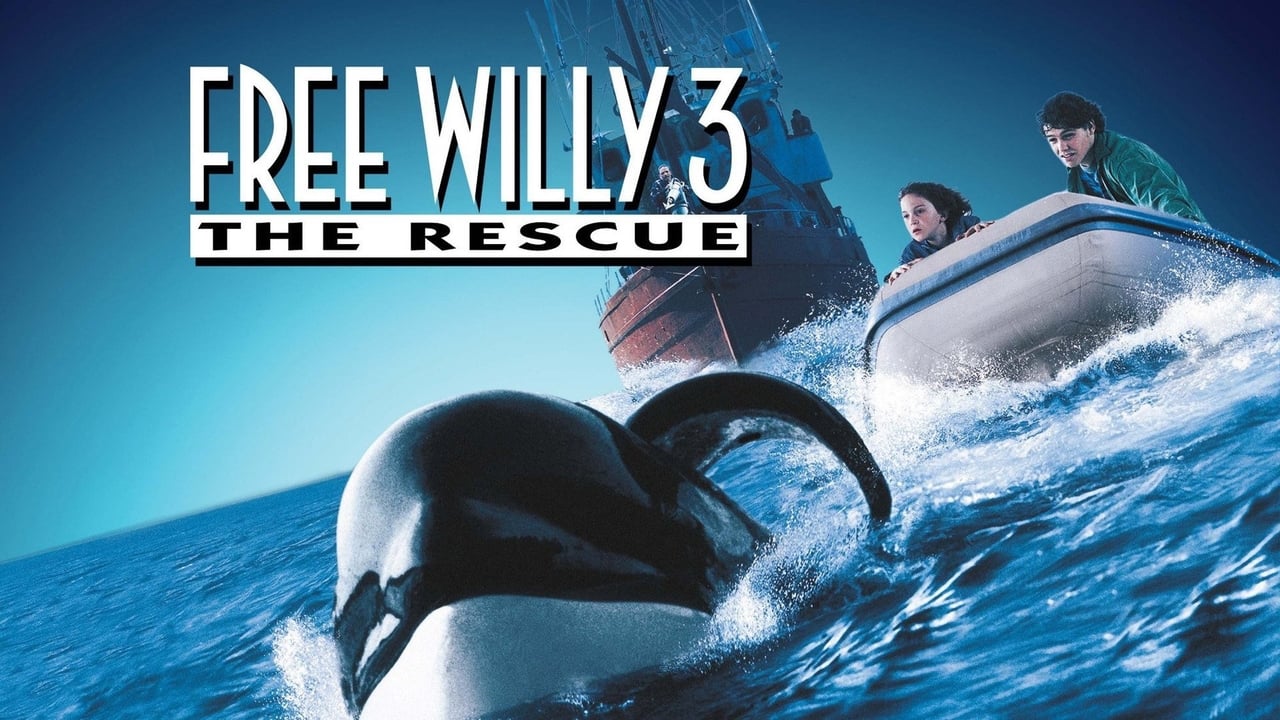
Despite its noble intentions and technical polish, Free Willy 3 didn't quite capture the magic – or the box office haul – of its predecessors. While the first film swam to a massive $153 million worldwide gross in 1993, and the second installment managed a respectable $68 million in 1995, The Rescue surfaced with a much more modest $3.4 million domestically. It seems audiences weren't quite as ready for the darker, more message-driven approach. Critics were mixed, too, with its Rotten Tomatoes score hovering around 44%. It felt like the end of an era, the last theatrical voyage before the franchise drifted into direct-to-video waters years later with Free Willy: Escape from Pirate's Cove (2010).
Final Thoughts: A Bittersweet Farewell
Free Willy 3: The Rescue is perhaps the most overlooked entry in the trilogy, often overshadowed by the iconic original and the more adventure-packed sequel. It’s a film wrestling with more complex ideas, trying to mature alongside its protagonist and its audience. While the execution might feel a little earnest, maybe even a touch preachy at times, its heart is undeniably in the right place. The shift in tone might have surprised some of us expecting another pure feel-good splash, but looking back, its attempt to grapple with real-world issues within a family film context was ambitious for its time. It lacks the sheer, unadulterated joy of the first film, but offers a thoughtful, if somber, reflection on conservation and connection.
Rating: 6/10
This rating reflects the film's commendable environmental message, August Schellenberg's solid performance, and the impressive practical effects work bringing Willy to life. However, it loses points for the somewhat jarring tonal shift from its predecessors, a less engaging plot compared to the first two, and a slightly heavy-handed delivery of its themes that ultimately hindered its broad appeal and box office success. It's a well-intentioned sequel that doesn't quite recapture the lightning in a bottle (or should that be, whale in the ocean?) of the original.
It might not be the tape you reach for first when indulging in Free Willy nostalgia, but The Rescue remains a significant, if slightly melancholic, closing note to Willy and Jesse’s big-screen adventures – a reminder that even beloved movie magic sometimes has to navigate choppy, more serious waters.