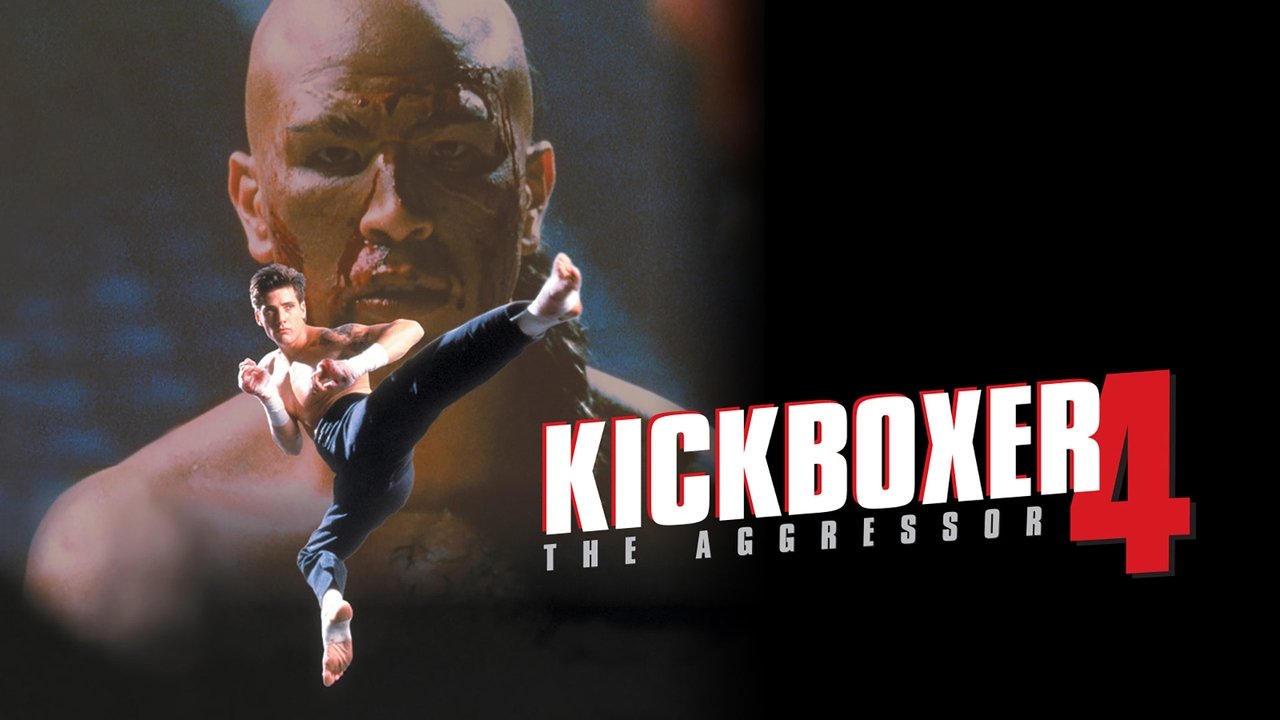
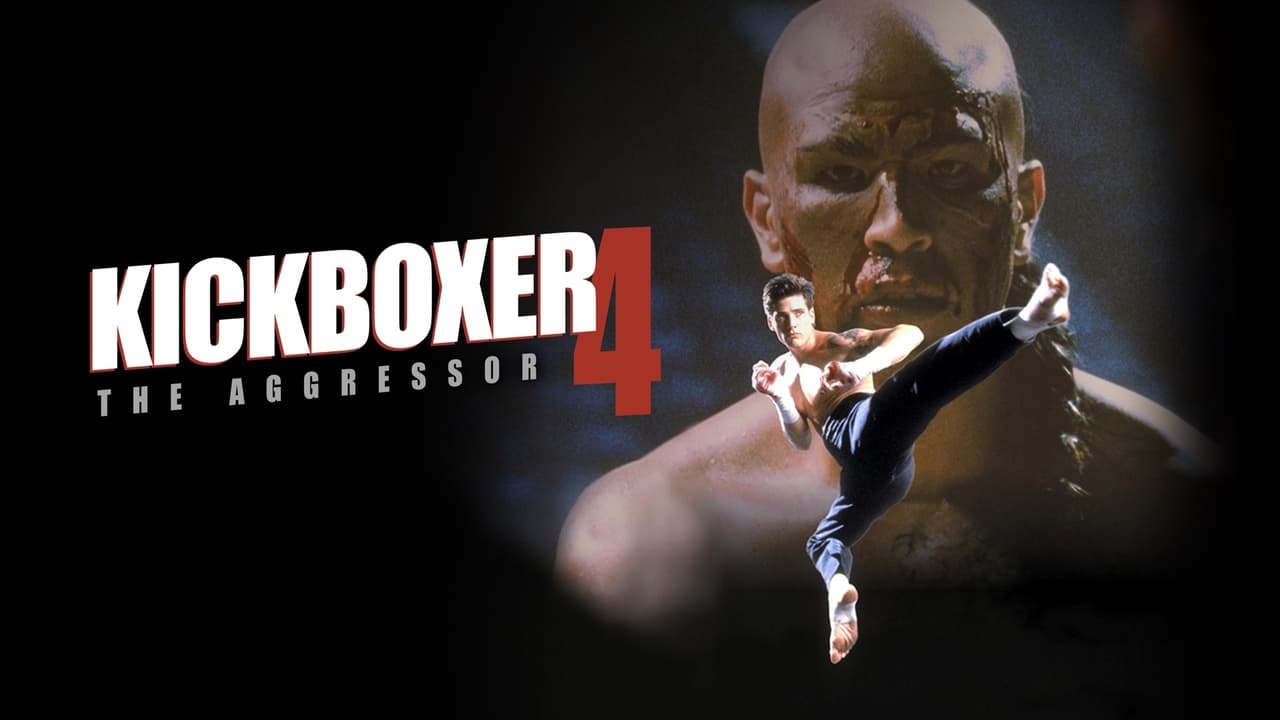
Alright, rewind time! Let’s slide another well-worn cassette into the VCR, ignore the slightly wobbly tracking for a second, and settle in for a slice of pure 1994 direct-to-video action. The box art might promise glorious martial arts mayhem, maybe even hinting at the exotic locales of the original. But what spools out is Kickboxer 4: The Aggressor, a film that immediately signals we’re not in Van Damme territory anymore, Toto. Instead, we get something uniquely… Pyun.
### Back Behind Bars (Sort Of)
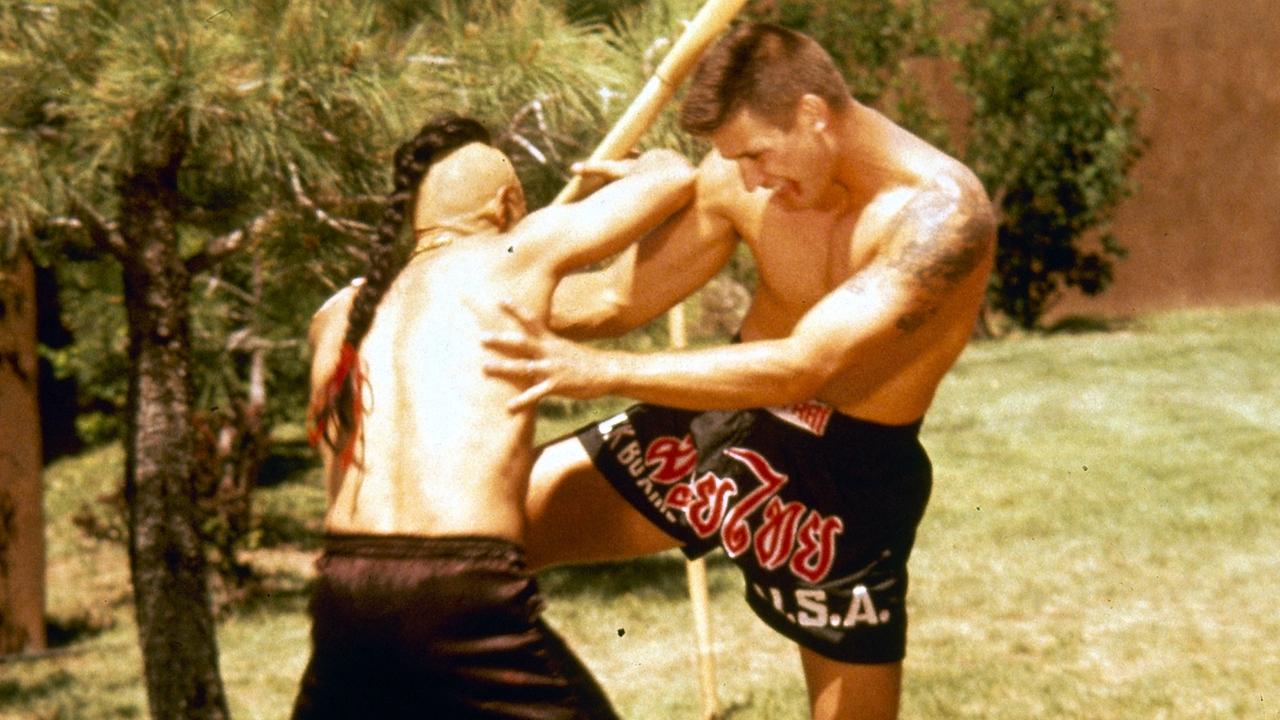
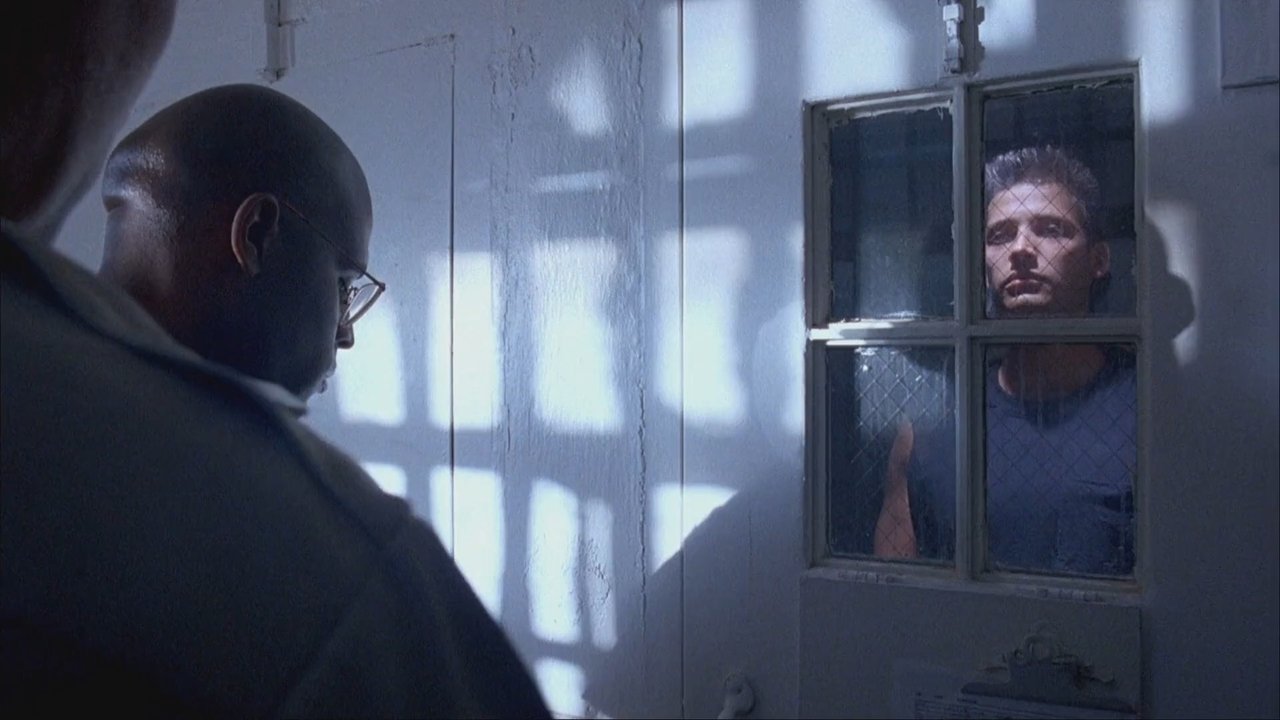
The first surprise hitting you faster than a roundhouse kick is seeing our returning hero, David Sloane (Sasha Mitchell), languishing in a grimy prison cell. Framed for murder by the nefarious Tong Po, Sloane looks weary, a far cry from the relatively clean-cut fighter of parts 2 and 3. It’s a jarring start, immediately lending the film a darker, grittier texture than its predecessors. This setup allows for the main plot: Sloane is sprung by the DEA, specifically the rather smarmy Agent Casey (Nicholas Guest, brother of Christopher Guest!), to infiltrate Tong Po’s brutal, high-stakes tournament in Mexico and bring him down from the inside. Wait, Tong Po runs a tournament and is some kind of crime lord now? Sure, why not?
This whole framing narrative feels very much like a product of its time – a quick, slightly convoluted way to reset the stakes and get our hero back into the fight game. It’s worth noting that Sasha Mitchell’s return here came after his somewhat publicized departure from the popular sitcom Step by Step. Landing back in the Kickboxer franchise, even in this lower-budget iteration, likely provided a familiar space for the actor, and honestly, he still feels like David Sloane, carrying the physical presence needed for the role.
### Pyun Power and Practical Punches
Stepping behind the camera (and co-writing!) is the legendary Albert Pyun, a director whose name on a VHS box was always a sign you were in for something… distinctive. Known for stylish, often visually ambitious films made on notoriously tight budgets (think Cyborg (1989) or Nemesis (1992)), Pyun brings his signature aesthetic here. Forget the sun-drenched Thai landscapes of the original; Kickboxer 4 embraces a dusty, harsher Mexican setting (though likely filmed economically wherever possible), filled with wide-angle lenses, shadowy interiors, and that slightly detached, almost dreamlike quality Pyun often achieved.
The action itself feels very much of the early 90s DTV era. Gone is the balletic grace of Van Damme. Here, the fights are crunchier, less polished, but possess a certain raw impact. You see the strain, the sweat, the awkward stumble after a missed kick. These aren't hyper-edited sequences; they rely on the stunt performers (and Sasha Mitchell himself, who had a legitimate kickboxing background) selling the hits. Remember how real those body blows looked on grainy VHS? That’s the vibe here. It's grounded, physical action where every landing feels like it might genuinely snap an ankle. There's a definite lack of distracting CGI – when someone gets slammed through a flimsy wall, you know a stunt person actually went through a flimsy wall. It’s that practical, slightly dangerous edge that defined so much action filmmaking from this period.
### Familiar Faces, New Threats
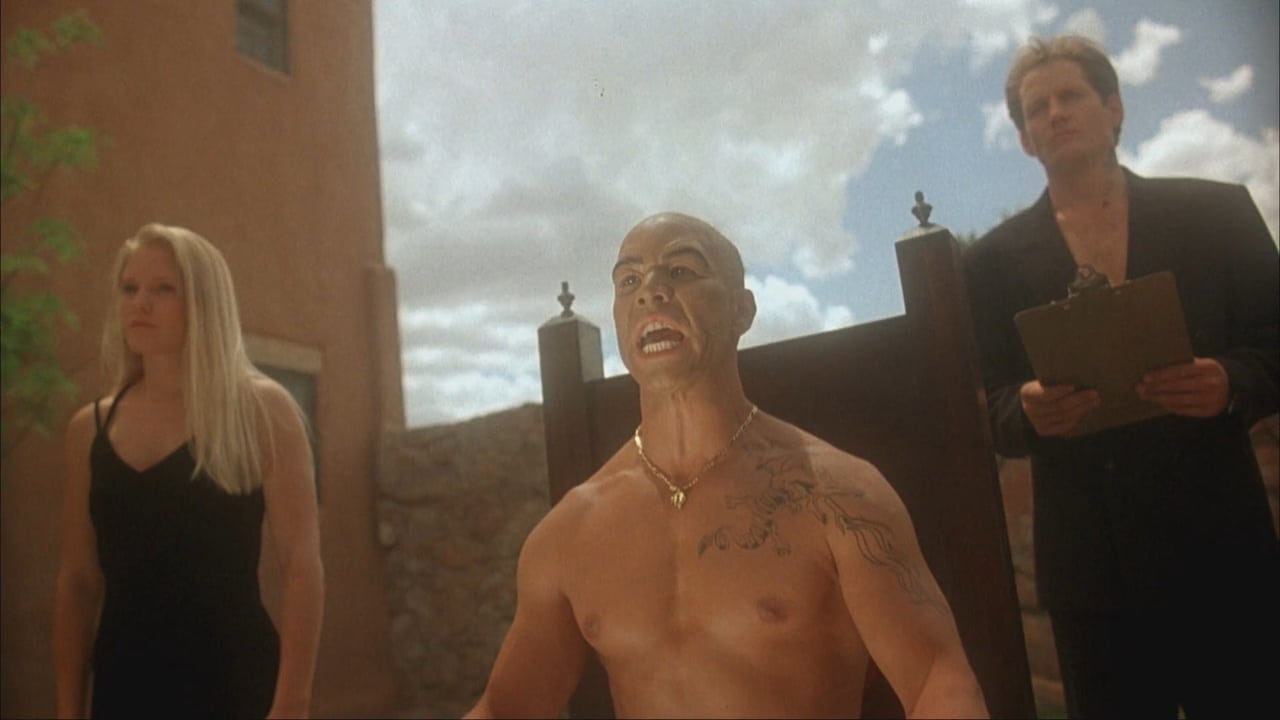
Of course, the big draw (or perhaps, point of contention for purists) is the return of Tong Po. However, he’s not played by the imposing Michel Qissi from the first two films. Here, the role is taken over by Kamel Krifa, who also served as a fight choreographer on previous installments. While Krifa brings the menace, his physical presence and portrayal are distinctly different, making this Tong Po feel less like an unstoppable force of nature and more like a ruthless, calculating crime boss who just happens to enjoy watching people beat each other senseless. It’s an interesting shift, necessitated by casting changes but fitting the film's slightly grimier tone.
Adding to the mix is Nicholas Guest as Casey, the slick DEA handler. He delivers the kind of enjoyable, slightly over-the-top performance common in villains or morally grey characters of 90s action flicks. You never quite trust him, and that adds a small layer of predictable, yet welcome, intrigue. Also notable is the writing credit for David S. Goyer. Yes, that David S. Goyer, who would later pen screenplays for blockbusters like Blade (1998) and Christopher Nolan's Batman trilogy. Seeing his name attached to this early DTV sequel is a fascinating bit of trivia, a reminder that everyone starts somewhere, often honing their craft in the trenches of genre filmmaking.
### The Verdict on Aggression
Kickboxer 4: The Aggressor is undeniably a product of its time and budget. The plot is functional at best, essentially rehashing the "infiltrate the tournament" trope with a prison break prologue. The production values scream 'straight-to-video'. Yet, there’s an undeniable charm here for fans of the era and particularly for followers of Albert Pyun's unique directorial vision. Sasha Mitchell holds the screen capably as the returning hero, the action has a certain grounded intensity thanks to its reliance on practical stunt work, and the overall package delivers exactly what you’d expect from a mid-90s video store action sequel. It knew its audience – folks scanning the shelves on a Friday night looking for some uncomplicated thrills.
Rating: 4/10
Justification: While Sasha Mitchell’s return and Albert Pyun’s signature style offer some cult appeal, the film suffers from a derivative plot, noticeably lower budget than the original, and a less iconic villain portrayal. However, the gritty DTV action and sheer 90s B-movie energy prevent it from being a total knockout, offering some nostalgic fun for dedicated fans of the era.
Final Thought: Forget slick choreography; Kickboxer 4 is the action movie equivalent of a worn leather jacket found at the back of the closet – a bit rough, definitely dated, but carrying the undeniable, scuffed-up authenticity of the VHS glory days.