It often begins with a loss, doesn't it? A fracturing of the self that sends ripples outward, altering not just one life but many. For Professor Rafal Wilczur, the brilliant surgeon at the heart of Jerzy Hoffman's 1982 Polish classic Znachor (often found on worn VHS tapes under the title The Quack), that loss is absolute. Robbed not just of his possessions but of his very memory in a brutal back-alley attack, he vanishes from his sophisticated Warsaw life, leaving behind a grieving daughter and a stellar reputation. What follows is a journey not just across the Polish countryside, but deep into the enduring nature of identity and skill.
From Renown to Roads Unknown
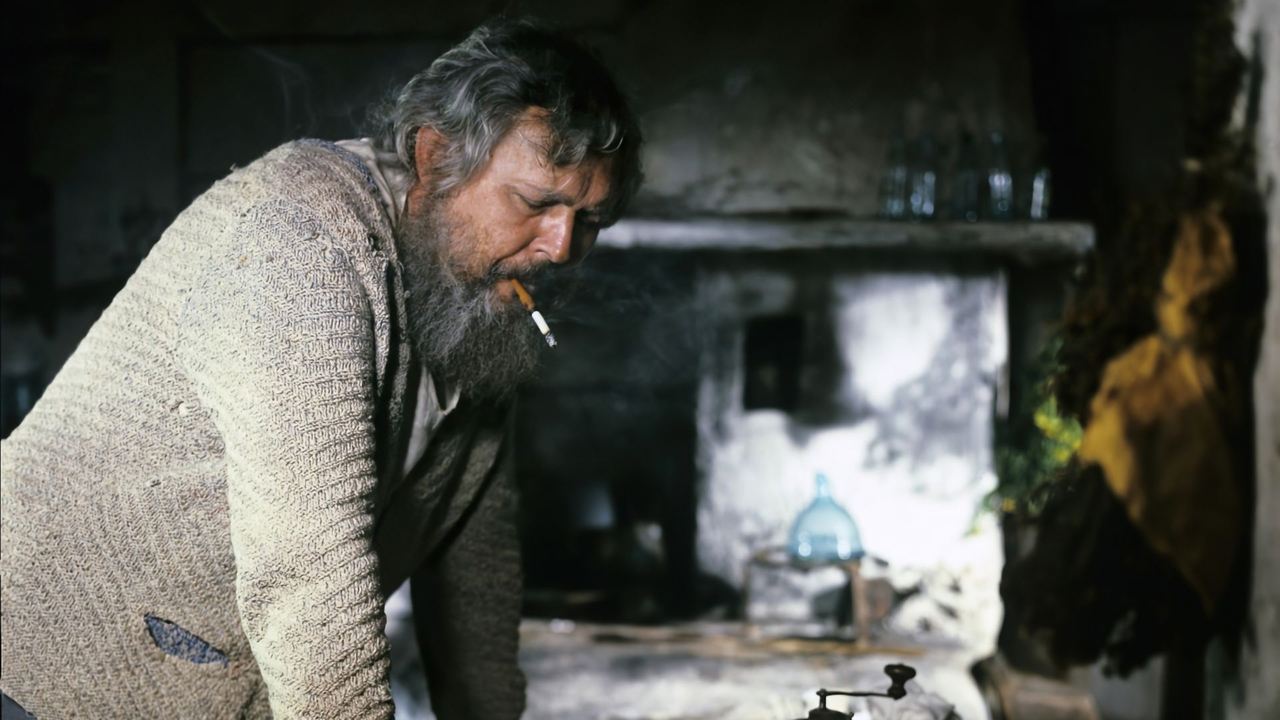
The film sets up this stark contrast beautifully. We see Wilczur in his element – confident, respected, operating with life-saving precision. Then, suddenly, he is Antoni Kosiba, a penniless wanderer with haunted eyes and hands that somehow remember the healing arts his mind has forgotten. Jerzy Bińczycki delivers a performance for the ages here. It’s a portrayal devoid of histrionics, grounded in a profound sense of bewilderment mixed with an innate decency that survives the trauma. He conveys Kosiba's confusion, his flashes of unrecognized genius, and the quiet dignity he maintains even when dismissed as a mere "znachor" – a folk healer, a quack – by the established, often jealous, local doctor. Bińczycki makes you believe in the muscle memory of compassion, the soul's persistence even when the mind is wiped clean. I recall finding a slightly battered copy of this in a specialty video store back in the day, drawn in by the intriguing cover art, knowing nothing of its status in Poland. It was one of those serendipitous finds that stays with you.
A Tapestry of Lives Intertwined

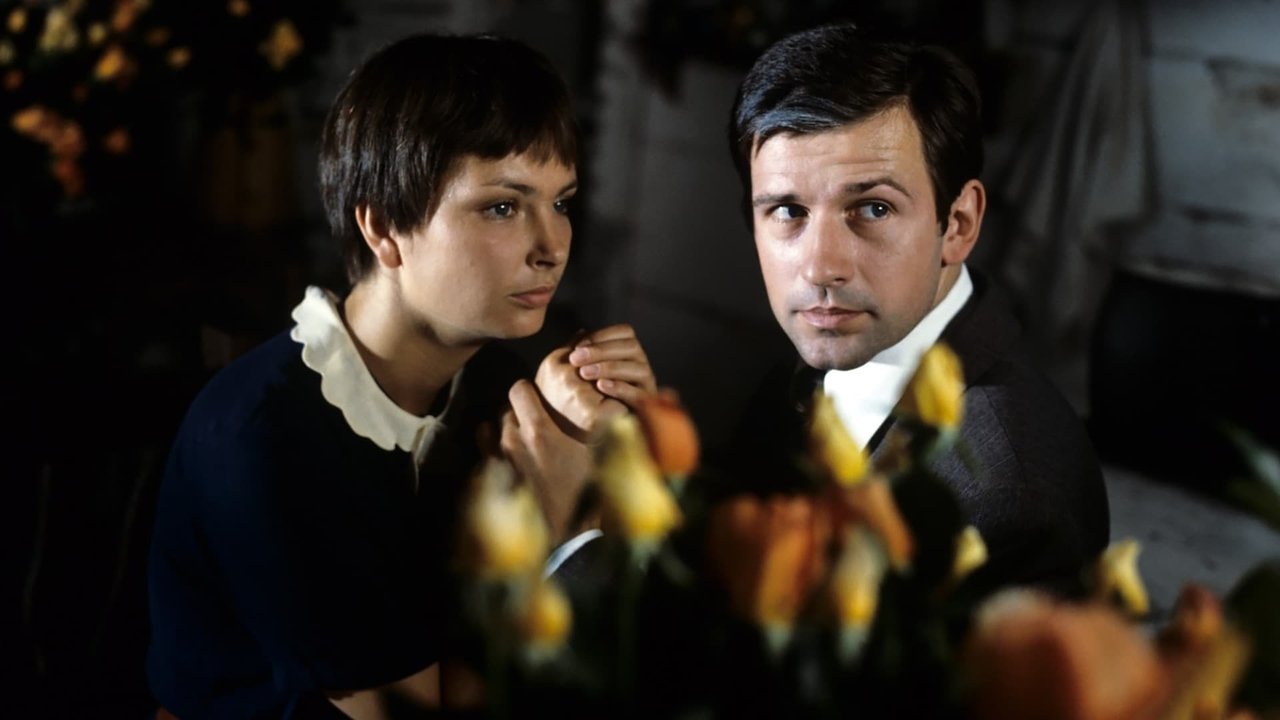
Hoffman, a director renowned for grand historical epics like Potop (The Deluge, 1974), brings a surprisingly intimate touch to Znachor. While based on a beloved 1937 novel by Tadeusz Dołęga-Mostowicz (which itself had an earlier film adaptation the same year), Hoffman's version feels timeless. He lets the story breathe, allowing the pastoral settings of rural Poland (beautifully filmed, capturing a specific between-the-wars atmosphere) to contrast sharply with the implied sophistication of Wilczur's lost world. The narrative unfolds with a certain deliberate pace, weaving together the threads of Kosiba's newfound purpose as a village healer, the burgeoning romance between his unknowingly encountered daughter Marysia (Anna Dymna, radiating warmth and resilience) and the dashing Count Leszek Czyński (Tomasz Stockinger), and the simmering professional resentment that threatens Kosiba's fragile existence. It’s a film less about shocking twists (though there are poignant revelations) and more about the emotional currents running beneath the surface of everyday life.
More Than Just a Healer
What truly elevates The Quack beyond simple melodrama is its exploration of worth and recognition. Kosiba possesses extraordinary surgical skill, yet without the memory of his training or the formal papers to prove it, he is vulnerable, his successes viewed with suspicion. Doesn't this touch upon a timeless question: Is value inherent in skill and character, or is it bestowed solely by societal validation and credentials? The film seems to argue passionately for the former. Kosiba's genuine desire to help, his intuitive brilliance in moments of crisis – these are presented as innate qualities that memory loss couldn't erase. The film became, and remains, a cultural touchstone in Poland, a staple of holiday television programming, speaking volumes about its deep connection with audiences. It’s a story people needed to believe in, perhaps especially during the complex socio-political period of its release under martial law.

Enduring Craft and Quiet Power
The supporting performances are uniformly strong, particularly Dymna's portrayal of Marysia, who carries her own burdens with grace. The chemistry between her and Stockinger provides the film's romantic heart, a necessary counterpoint to the weight of her father's forgotten past. The production itself feels authentic, capturing the period details without ostentation. It’s a film built on emotional truth rather than flashy effects – a hallmark of much compelling cinema from this era that sometimes gets overlooked amidst the blockbusters we often celebrate here on VHS Heaven. Interestingly, the story's enduring power was recently reaffirmed by a quite successful 2023 Netflix adaptation, proving the core themes resonate across generations and borders.
Final Thoughts: A Story That Mends the Heart

The Quack is a film that settles over you gently, its emotional power building steadily until the genuinely moving climax. It’s a testament to the idea that who we are is perhaps more fundamental than what we remember. Jerzy Bińczycki's central performance is unforgettable, anchoring the film with quiet strength and profound humanity. While its pacing might feel measured to viewers accustomed to modern editing, its sincerity and thematic depth are undeniable. It’s a film that rewards patience, offering a rich, moving experience that feels earned.
Rating: 9/10 - This score reflects the film's exceptional lead performance, its timeless and emotionally resonant story, its skillful direction, and its status as an enduring classic. It masterfully balances melodrama with genuine pathos, leaving a lasting impression long after the credits roll.
What lingers most powerfully is the quiet dignity of Antoni Kosiba, a man stripped of everything but his essential goodness and the miraculous skill held deep within his hands. A true gem from the Polish film canon, well worth seeking out.