The air hangs thick and damp, smelling of salt spray and simmering paranoia. That's the feeling Knight Moves conjures, a sensation that clings long after the VCR whirs to a stop. It isn't the jump scares that define this 1992 thriller; it's the pervasive sense of unease, the claustrophobia of being trapped on an island where a brilliant mind might also be a brutally methodical killer. This film arrived in that sweet spot of the early 90s, a time when psychological thrillers were finding their footing on video store shelves, offering something moodier than the preceding decade's slashers.
Island of Shadows
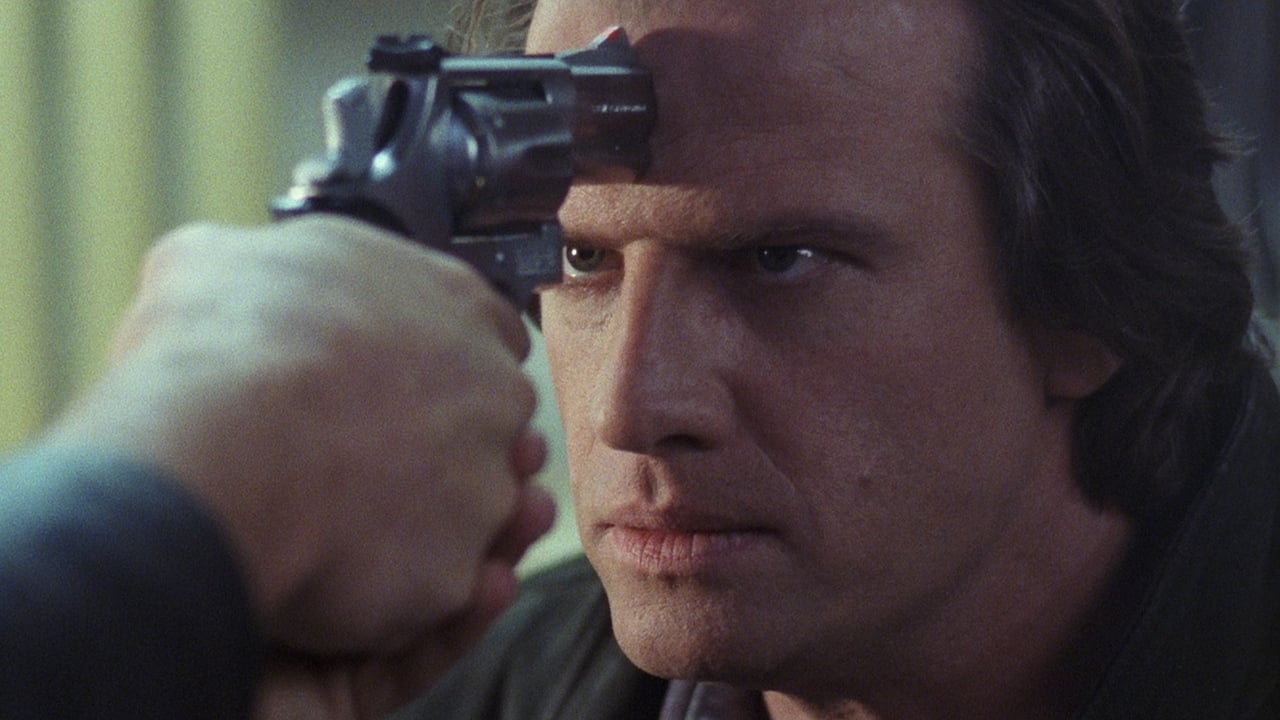
The setup is pure potboiler gold: Peter Sanderson (Christopher Lambert), a chess grandmaster haunted by childhood trauma, finds himself the prime suspect in a series of grisly murders occurring during a prestigious tournament held on a remote Pacific Northwest island. The isolation isn't just physical; it’s psychological. Director Carl Schenkel (who also gave us the subterranean creature feature The Mighty Quinn (1989)) masterfully uses the film's setting – largely shot on Vancouver Island, British Columbia – to amplify the tension. You can almost feel the damp chill seep through the screen, the endless grey skies mirroring the murky morality of the characters. The production design leans into a slightly slick, early 90s aesthetic, but the overarching mood remains effectively somber, punctuated by a brooding score that underscores the mounting dread.
The Killer's Gambit
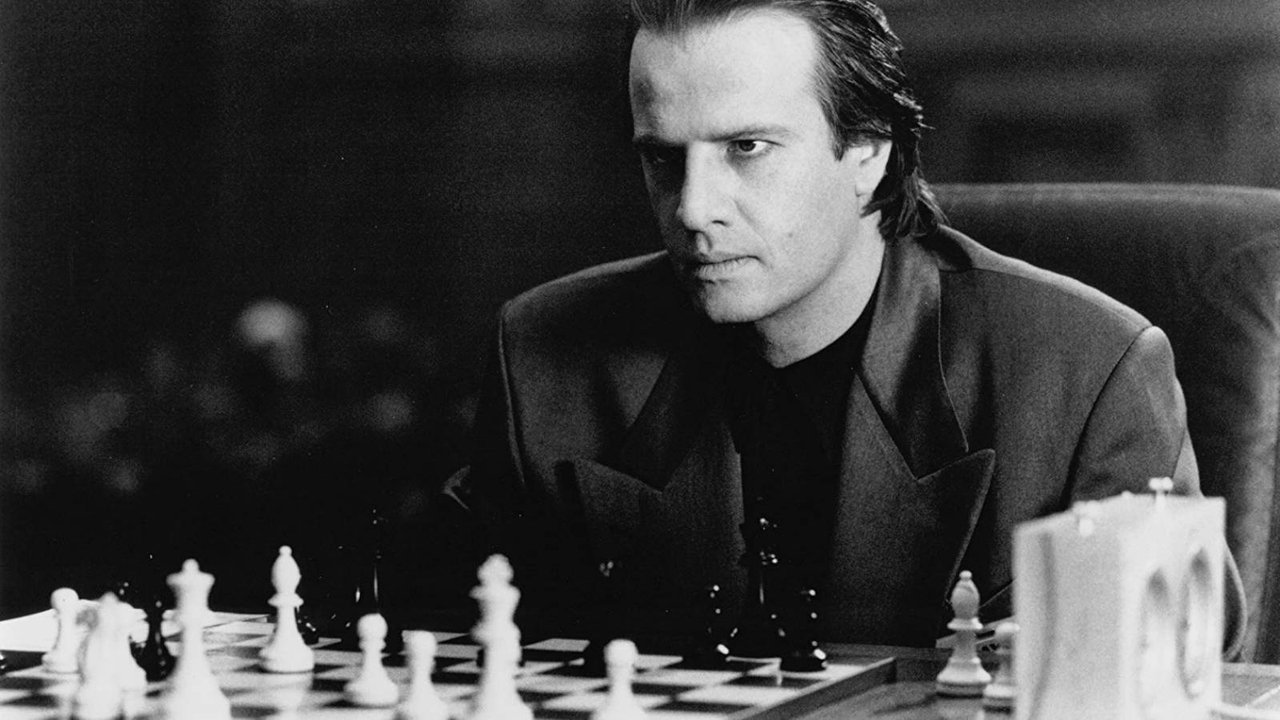
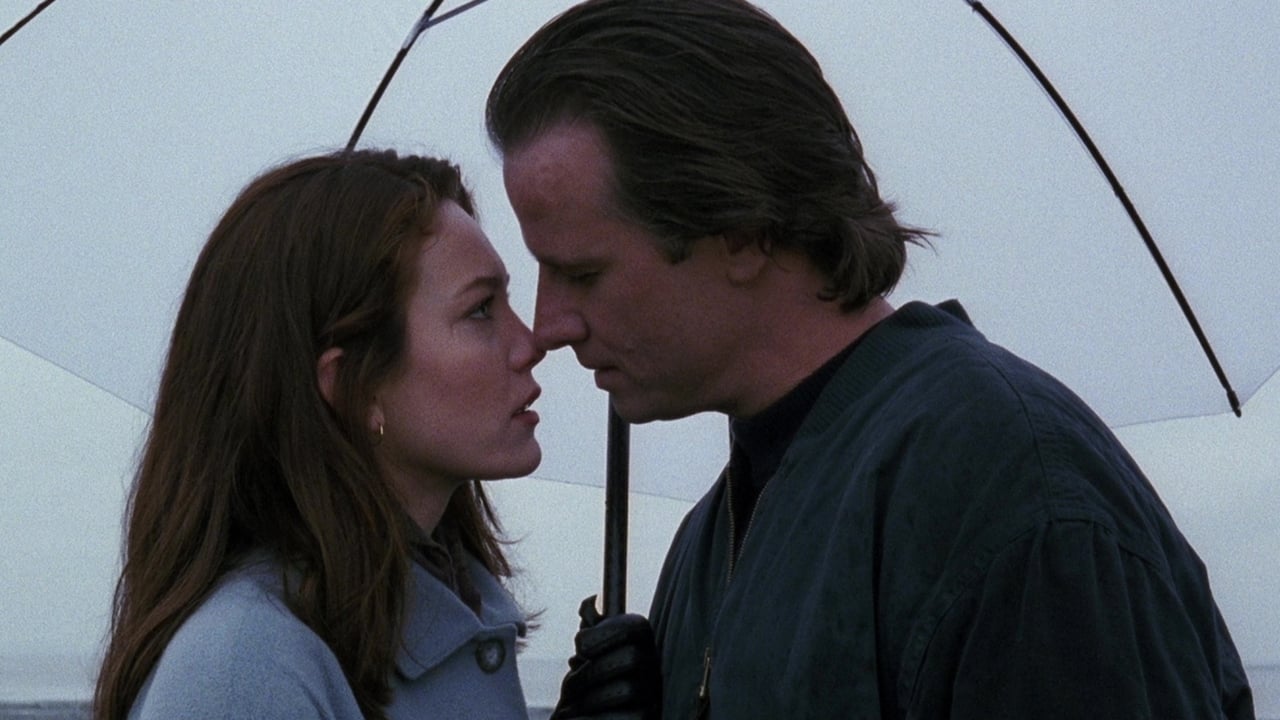
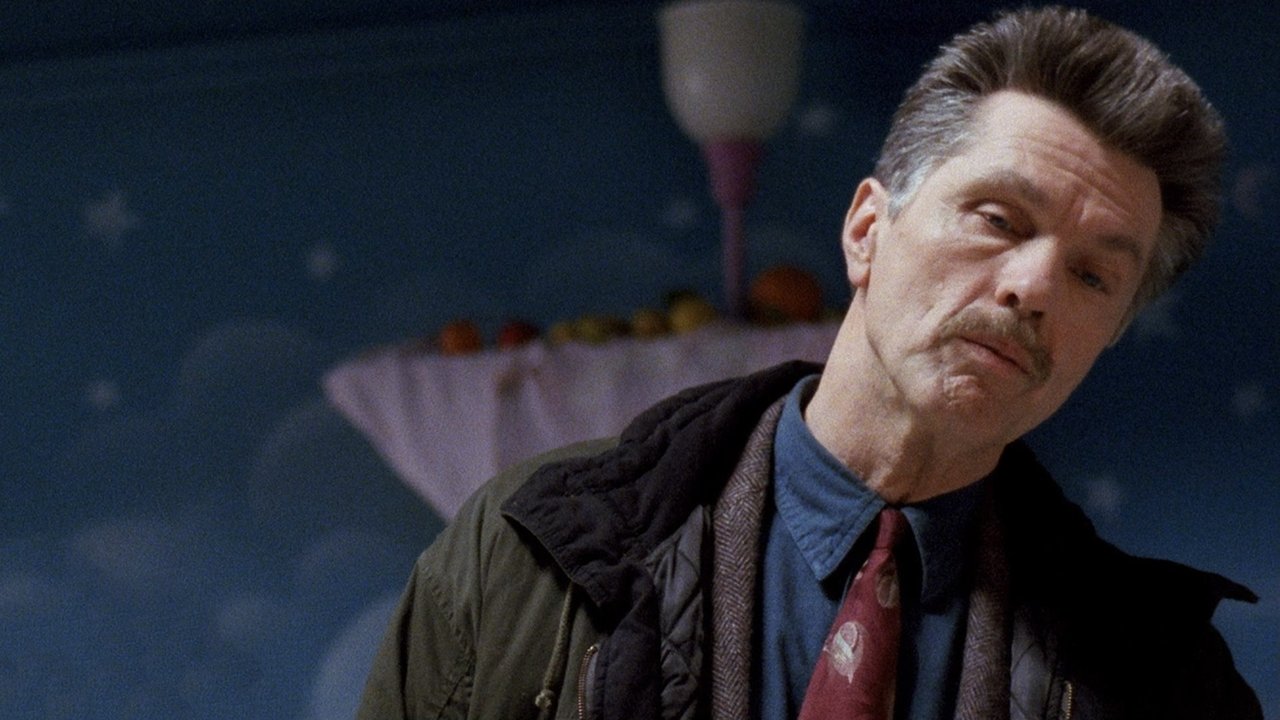
At the heart of the storm is Christopher Lambert. Fresh off solidifying his cult status with Highlander (1986) and its sequel, Lambert channels his unique intensity into Sanderson. Is he a tortured genius, playing a complex game only he understands, or is he genuinely unravelling? Lambert keeps you guessing, his brooding presence and occasionally inscrutable expressions perfect for the role. He’s matched by Diane Lane as Kathy Sheppard, a psychologist brought in to profile the killer, who inevitably becomes entangled with Sanderson both professionally and personally. Lane brings a grounded intelligence and vulnerability that plays well against Lambert’s enigmatic energy. Their chemistry simmers with a dangerous edge, adding another layer to the intrigue. And then there’s the reliable Tom Skerritt as Captain Frank Sedman, the weary, cynical police chief who’s convinced Sanderson is his man. Skerritt, a veteran presence even then (think Alien (1979) or Top Gun (1986)), anchors the procedural elements with world-weary authority.
Moves and Countermoves
Brad Mirman's script cleverly uses the chess motif not just as a backdrop but as a thematic core. The killer communicates through chess moves, turning the island into a deadly board where every resident is a potential pawn. While the film reportedly employed chess consultants to lend authenticity, the game functions more metaphorically, exploring strategy, sacrifice, and the psychological warfare between hunter and hunted. Did that final twist genuinely shock you back then? Rewatching it now, some of the plot mechanics feel a little creaky, perhaps telegraphing moves a bit too obviously for seasoned thriller fans. Yet, the execution often overcomes these bumps. Schenkel builds suspense through atmosphere rather than relentless action, focusing on psychological pressure points and shadowy encounters. There’s a palpable sense of paranoia – who can Sanderson trust when the killer seems to know his every thought?

Retro Fun Facts: Checkmate on Video
Knight Moves wasn't exactly a blockbuster, barely making a dent at the US box office with under $1 million gross. Its true life began, like so many genre gems of the era, on the shelves of video rental stores. It became one of those reliable weekend rentals – moody, intriguing, with recognizable stars. Its international appeal was perhaps stronger; it was released under the title Face to Face in some European markets. The tagline, "In the game of murder, he hasn't pawned his last victim," perfectly captures that slightly pulpy, direct marketing style prevalent on VHS boxes. It’s a film that feels tailor-made for that late-night, slightly grainy CRT experience. The film’s deliberate pace, sometimes cited as a flaw, actually works in its favor in this context, allowing the atmosphere to soak in.
Final Verdict
Knight Moves is a solid, atmospheric early 90s thriller that delivers exactly what it promises: suspense, intrigue, and a compelling central mystery wrapped in moody visuals. While its plot might not be airtight under modern scrutiny, the strong performances from Lambert, Lane, and Skerritt, coupled with Schenkel's effective direction and masterful use of location, make it a deeply satisfying watch. It doesn't reinvent the wheel, but it plays its game with confidence and style. It perfectly embodies that specific brand of thriller that thrived on VHS – smart enough to engage, dark enough to linger, and starring actors you genuinely wanted to watch navigate the shadows. I distinctly remember renting this one, drawn in by the cover art and Lambert's intense stare, and it delivered that satisfying chill I was looking for.
Rating: 7/10
Justification: The score reflects the film's strong atmosphere, compelling performances (especially Lambert and Lane), and effective use of setting, which successfully create sustained tension. It loses points for some predictable plot points and a slightly dated feel in its thriller mechanics, but its strengths firmly place it in the upper echelon of worthy VHS-era thrillers.
It remains a potent slice of 90s neo-noir, a reminder of a time when thrillers could brood and simmer, relying on psychology and mood over spectacle. A perfect candidate for rediscovery on a dark and stormy night.