It landed like a neon shard piercing the heart of the early 80s underground. Forget feel-good blockbusters; Liquid Sky (1982) wasn't interested in comfort. It was – and remains – a transmission from another frequency, a hypnotic pulse of alienation, addiction, and extraterrestrial exploitation beamed directly into the grimy, vibrant chaos of New York's New Wave scene. Watching it unfold on a flickering CRT back in the day felt less like watching a movie and more like intercepting a coded message from a world both dazzlingly stylish and deeply disturbed.
Downtown Alienation
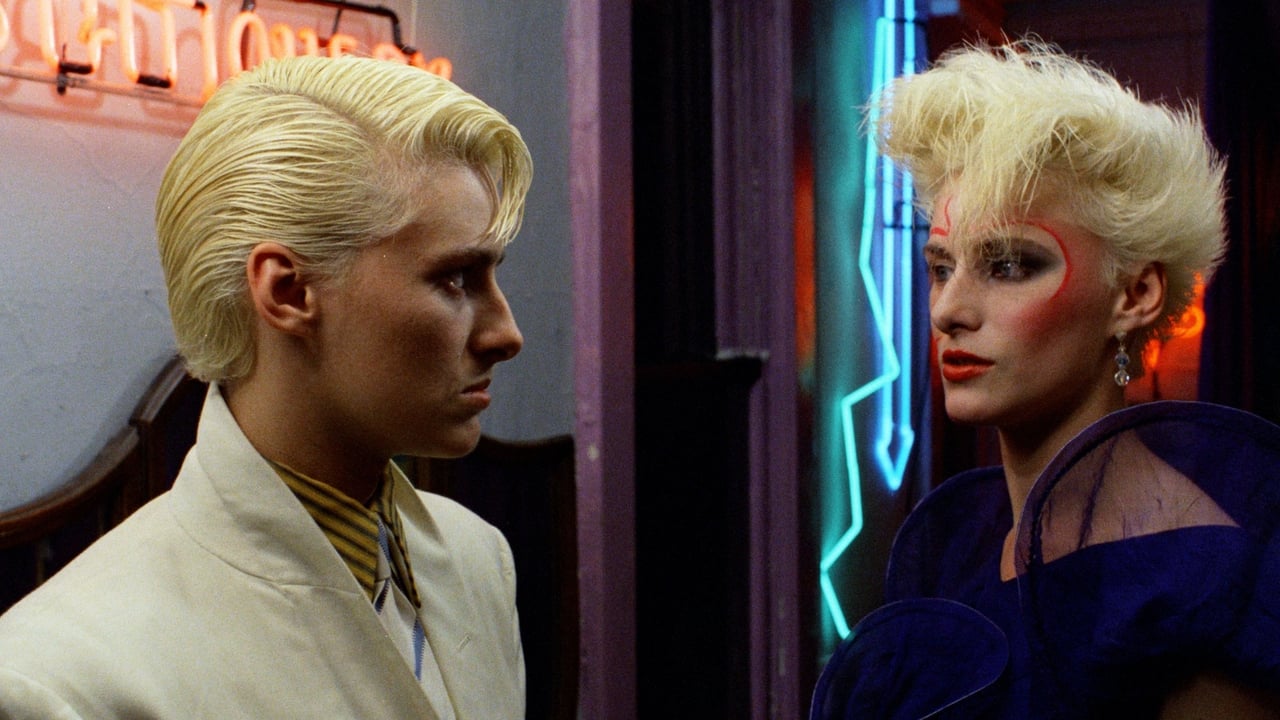
Directed by Soviet émigré Slava Tsukerman, who brought a distinctly outsider's eye to the hedonistic landscape, Liquid Sky immerses us in the world of Margaret (Anne Carlisle), a pansexual model whose downtown loft apartment becomes ground zero for something utterly bizarre. Perched atop her roof, unnoticed, is a small alien spacecraft. Its occupants aren't here for conquest or diplomacy; they're microscopic beings drawn to Earth by the potent chemical signature of heroin and, more crucially, the endorphins released during human orgasm. They feed, leaving behind disintegrated human remains. The film's detached, almost clinical observation of this parasitic relationship creates a unique kind of dread – less jump scares, more existential unease. Does that cold, observant eye still send a shiver down your spine?
A Performance of Otherworldly Androgyny
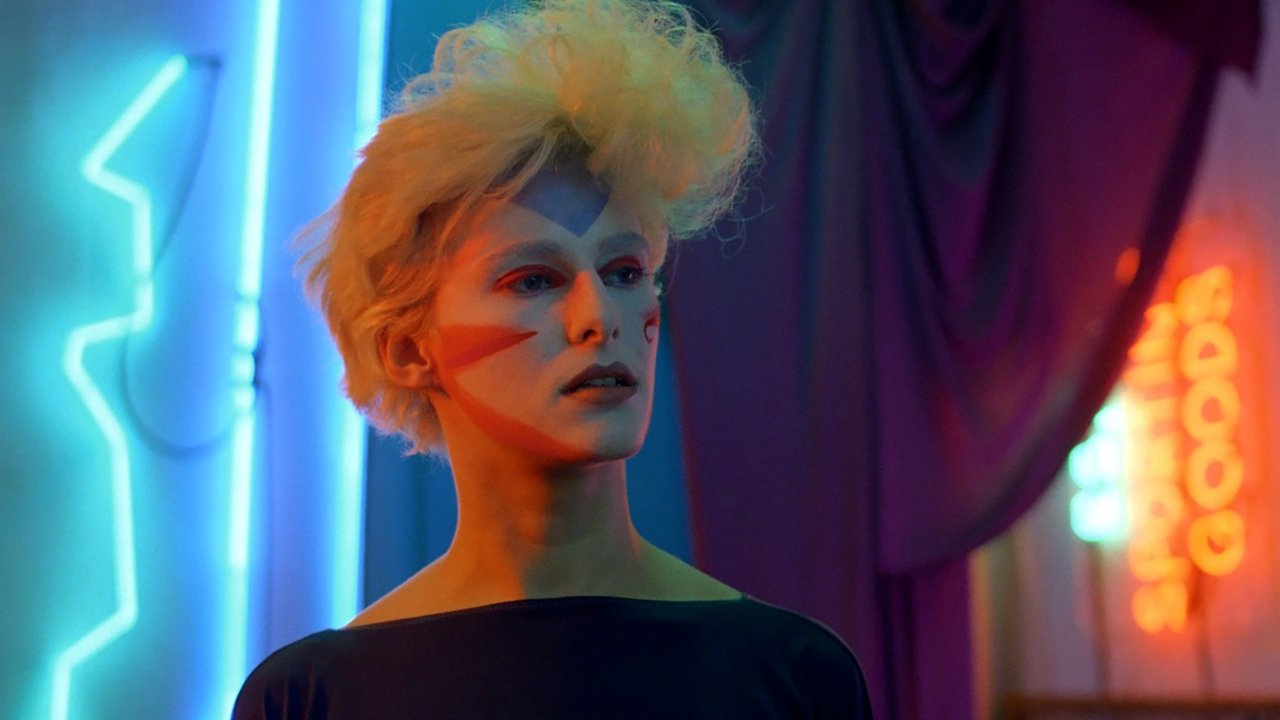
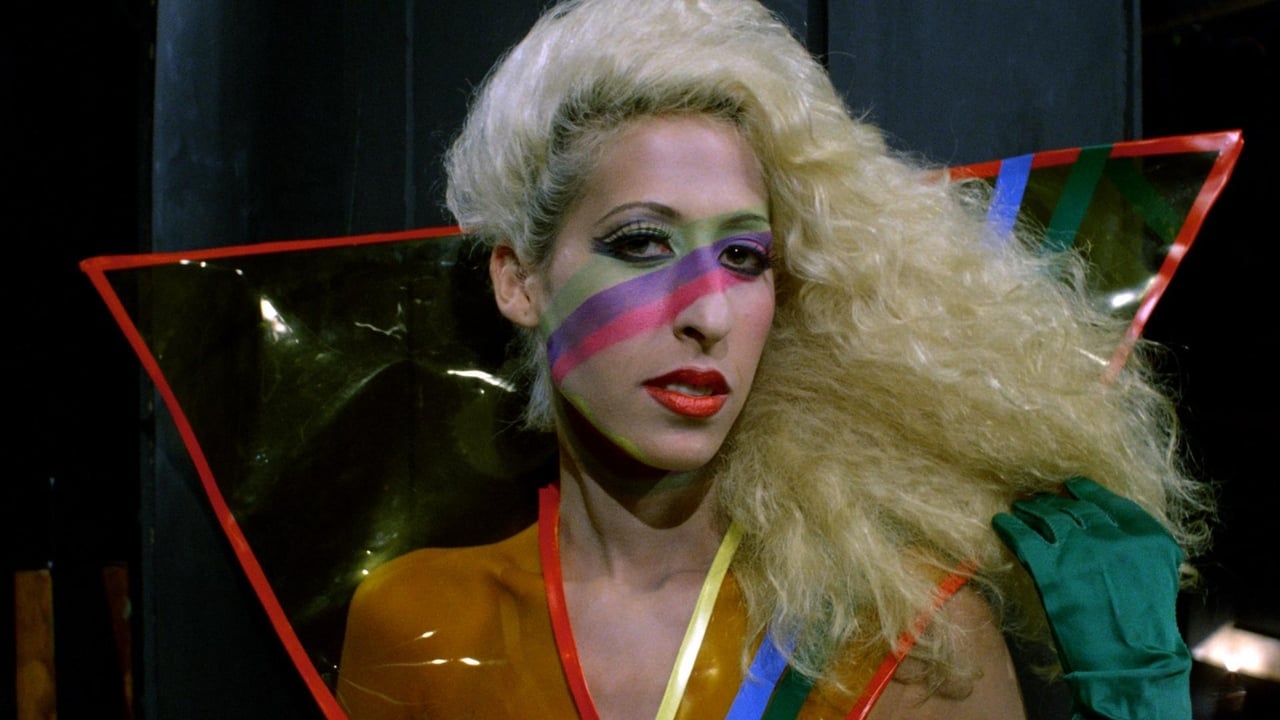
At the center of this maelstrom is Anne Carlisle, delivering a performance that remains startlingly unique. Pulling double duty, she plays not only the aloof, sharp-edged Margaret but also the obnoxious, drug-addled male model Jimmy. It's a feat of androgynous transformation that feels utterly convincing, blurring lines of gender and identity in a way that was profoundly radical for its time. Carlisle, who also co-wrote the script with Tsukerman and Nina V. Kerova, infused the dialogue and characters with an authenticity born from her own experiences within the scene. It lends the film a raw, sometimes uncomfortable vérité quality amidst the sci-fi strangeness. We also can't forget Paula E. Sheppard as the predatory poet Adrian, whose delivery is laced with a chillingly detached cruelty.
Neon Noir and Synthesizer Dreams
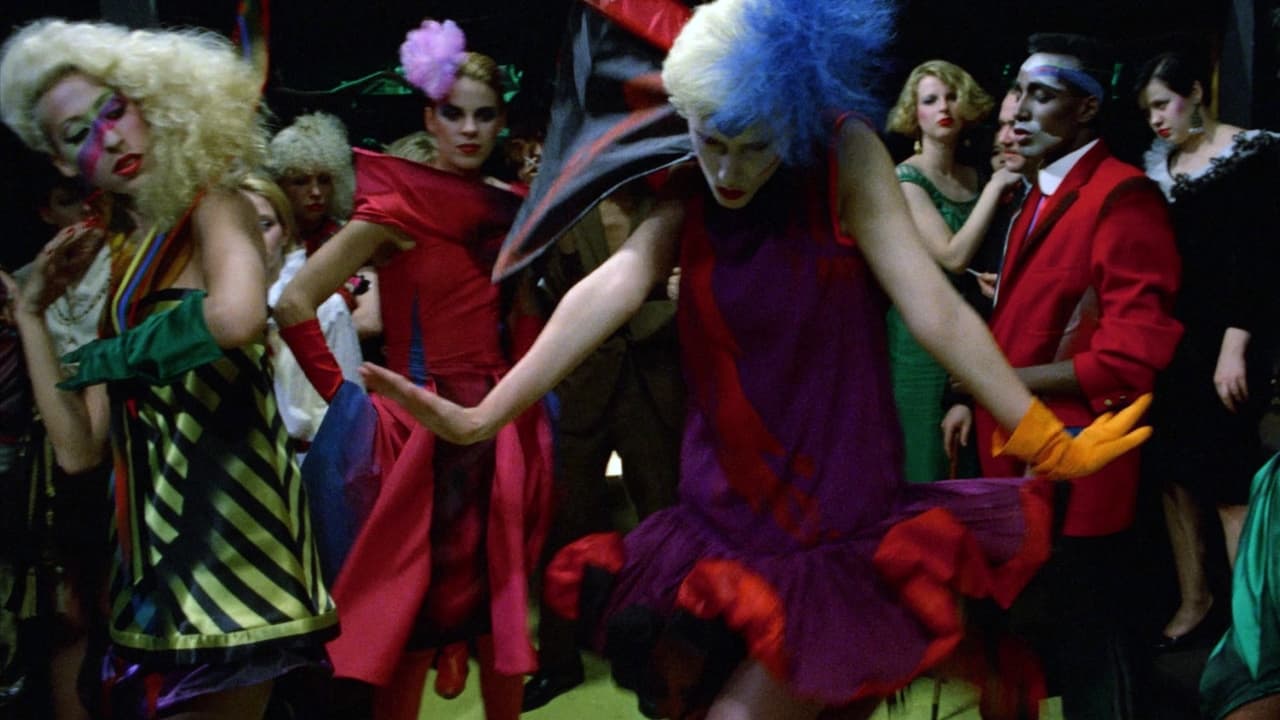
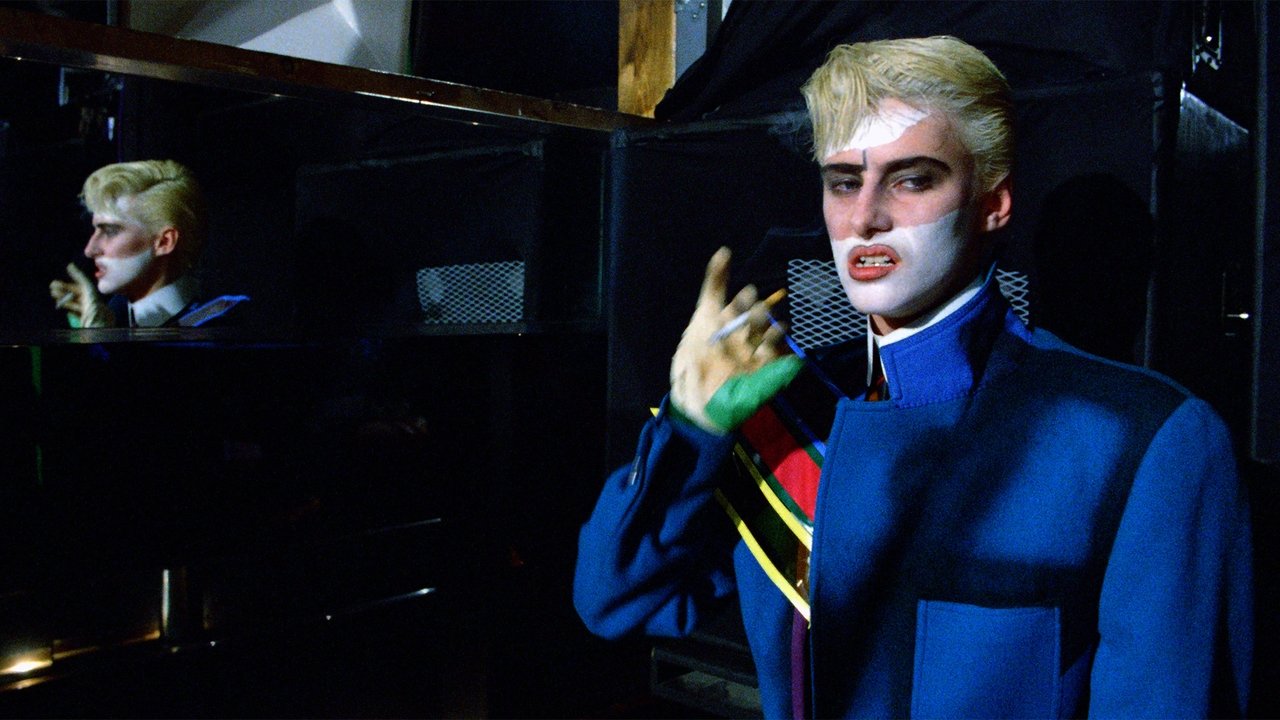
The film looks and sounds like nothing else from the era. Forget Hollywood gloss; cinematographer Yuri Neyman drenches the screen in vibrant, often harsh neon light, reflecting the artificiality and intensity of the world Margaret inhabits. The production design captures the specific bohemian squalor and artistic energy of early 80s downtown NYC perfectly, filmed in actual lofts and clubs that give it an invaluable time-capsule quality. But it's the visual effects, particularly the alien POV shots and the disintegration sequences, that truly sear themselves into memory. Achieved on a shoestring budget (reportedly around $500,000 – roughly $1.5 million today), the filmmakers used ultraviolet light reacting with fluorescent makeup and materials to create the aliens' signature glow, a startlingly effective and eerie practical solution. Combine this with the pulsating, minimalist electronic score by Brenda I. Hutchinson, Clive Smith, and Tsukerman himself, and you have an atmosphere that’s both seductive and deeply unsettling. That score still echoes, doesn't it? A perfect soundscape for chemically-induced paranoia.
Beyond the Underground Buzz
Liquid Sky wasn't just a curiosity; it was an indie phenomenon. Despite its challenging themes and avant-garde style, it became one of the most successful independent films of its time, running for years at midnight screenings and grossing over $1.7 million initially – a significant return on its modest investment. Its influence bled into fashion, music videos, and the broader aesthetics of the New Wave movement. There were whispers, perhaps exaggerated over time, about the intensity of the shoot, reflecting the volatile energy of the scene it portrayed. While critical reception was initially polarized, its undeniable originality secured its place as a cult classic. It’s a testament to the power of a singular vision executed with uncompromising style.
Lasting Resonance or Dated Curiosity?
Decades later, Liquid Sky retains its power to provoke and fascinate. Some elements, like the slang or specific fashion choices, inevitably feel tied to their time. Yet, the core themes – alienation in a sprawling metropolis, the destructive allure of addiction, the complexities of sexuality and identity, the feeling of being watched or used by unseen forces – remain potent. It’s a film that refuses easy categorization, existing somewhere between sci-fi, punk melodrama, and avant-garde art installation. It doesn't offer easy answers or relatable heroes; instead, it presents a hypnotic, sometimes abrasive snapshot of a subculture teetering on the edge, observed through an alien lens.
Rating: 8/10
Liquid Sky earns a solid 8 for its sheer audacity, unforgettable aesthetic, groundbreaking central performance, and lasting cultural impact. It’s a challenging, sometimes alienating watch, deliberately so, which keeps it from universal appeal but cements its status as a vital piece of cult cinema. Its flaws – occasional pacing lags, a certain coldness – are intrinsically linked to its strengths.
This film isn't just a movie; it's an artifact, a buzzing neon sign marking a specific, strange moment in time. It's a reminder that sometimes the most unsettling visions come not from outer space, but from the uncharted territories within ourselves and our cities. It still feels dangerous, even now.