Alright, fellow travelers of the magnetic tape, pull up a beanbag chair and let’s talk about a film that practically melted the VCR heads back in the day. Imagine wandering the aisles, maybe hitting that dimly lit back corner of the video store, and stumbling upon a box cover promising… well, everything. We're diving headfirst into the gloriously excessive, utterly baffling, and strangely brilliant world of Russ Meyer's 1979 opus, Beneath the Valley of the Ultra-Vixens.

Now, hold on. Before you dismiss this as just another skin flick from the era of shag carpets and questionable fashion, let's get one thing straight: this film was co-written by none other than Roger Ebert. Yes, that Roger Ebert, the Pulitzer Prize-winning film critic. The unlikely pairing of Meyer, the undisputed king of buxom exploitation, and Ebert, the intellectual voice of mainstream film critique, is a piece of B-movie trivia so wild it sounds made up. Their previous collaboration, Beyond the Valley of the Dolls, had been a surprise hit, and this was meant to be… well, more. Much, much more.
Welcome to Small Town Lust
The plot, such as it is, revolves around Lala (the unforgettable Kitten Natividad in her star-making role) and her perpetually aroused husband, Lamar (Ken Kerr). Lamar’s… insatiable needs lead Lala on a journey of self-discovery through their bizarre California town, encountering a parade of characters whose libidos operate at Richter scale levels. There’s Lavonia, the radio sex therapist (Ann Marie), Eufaula Roop, the devout but secretly yearning housewife, and the memorably named Semper Fidelis, the town stud. It’s a soap opera filtered through Meyer’s singular lens: exaggerated, cartoonish, and relentlessly focused on the female form, specifically the upper female form.
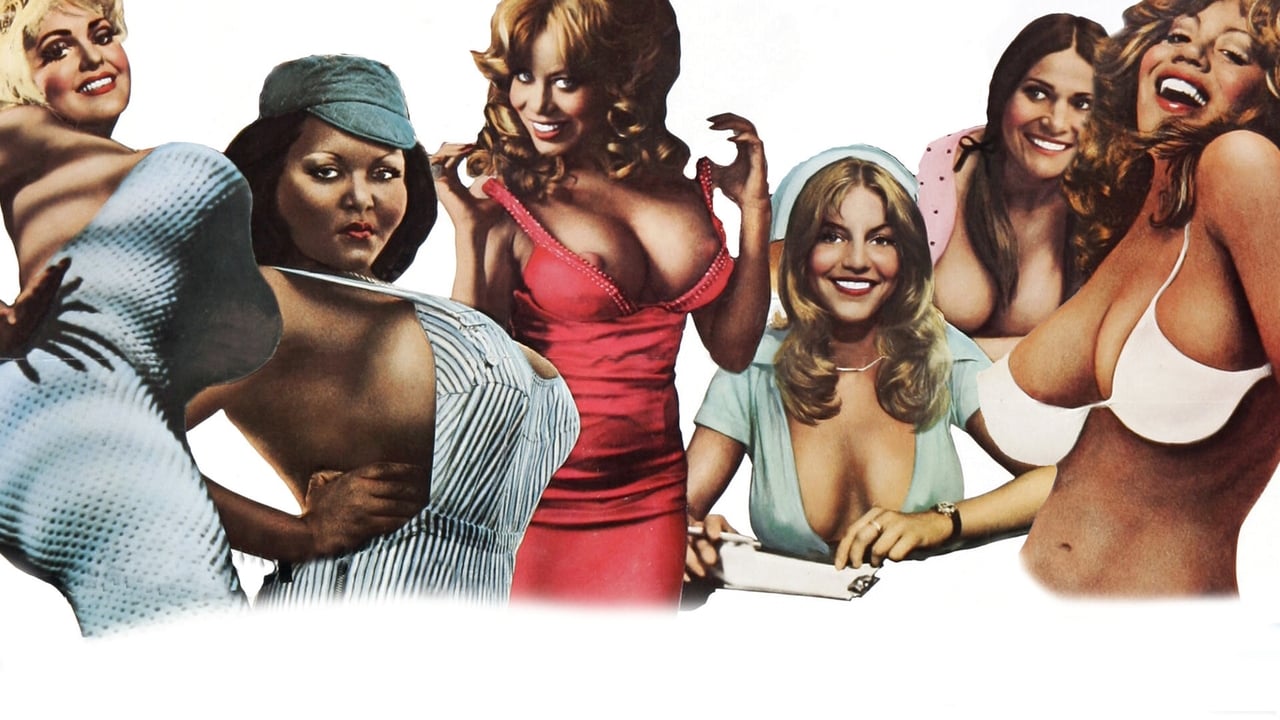
What sets Ultra-Vixens apart isn't just the sheer volume of nudity – and let's be clear, there's a lot – but the bizarre blend of Meyer's trademark visual style and Ebert's surprisingly sharp, satirical dialogue. The film lampoons small-town hypocrisy, sexual mores, and even the very genres it operates within. Lines land with a strange mix of absurdity and wit, often delivered with the deadpan sincerity of a high school play, which only adds to the surreal charm. Remember Lamar's constant refrain about needing "more"? It becomes a running gag that’s simultaneously juvenile and weirdly poignant.
Meyer's Mayhem: A Practical Effect in Itself
Okay, so maybe we don't have exploding cars or squibs popping like firecrackers here. But let's talk about Russ Meyer's direction as its own kind of practical effect. His editing is manic – lightning-fast cuts, jarring close-ups (often of breasts, naturally), and whip pans that could induce whiplash. It creates this hyper-kinetic energy, a sense of barely controlled chaos that mirrors the characters' own runaway desires. There's an undeniable craft to it, even if the subject matter is outrageous. Meyer knew exactly what he wanted visually, and he achieved it with a raw, almost handmade feel that’s a million miles away from today’s slick digital productions.
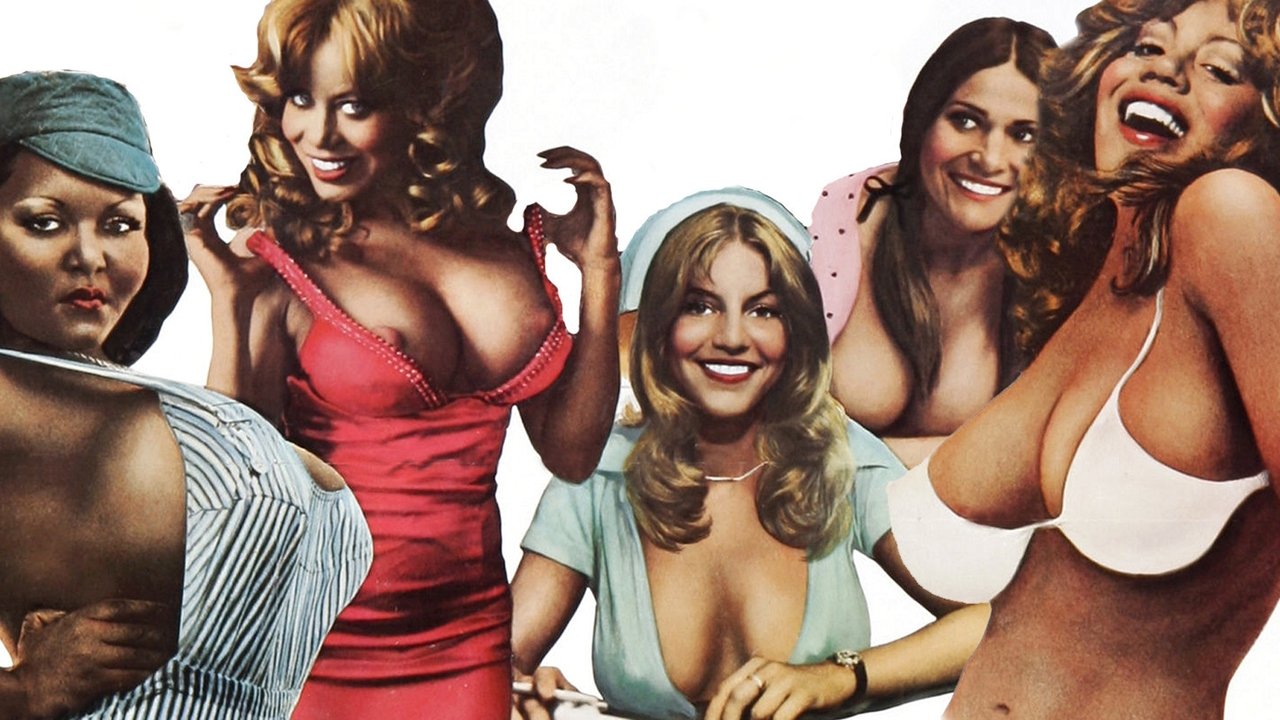
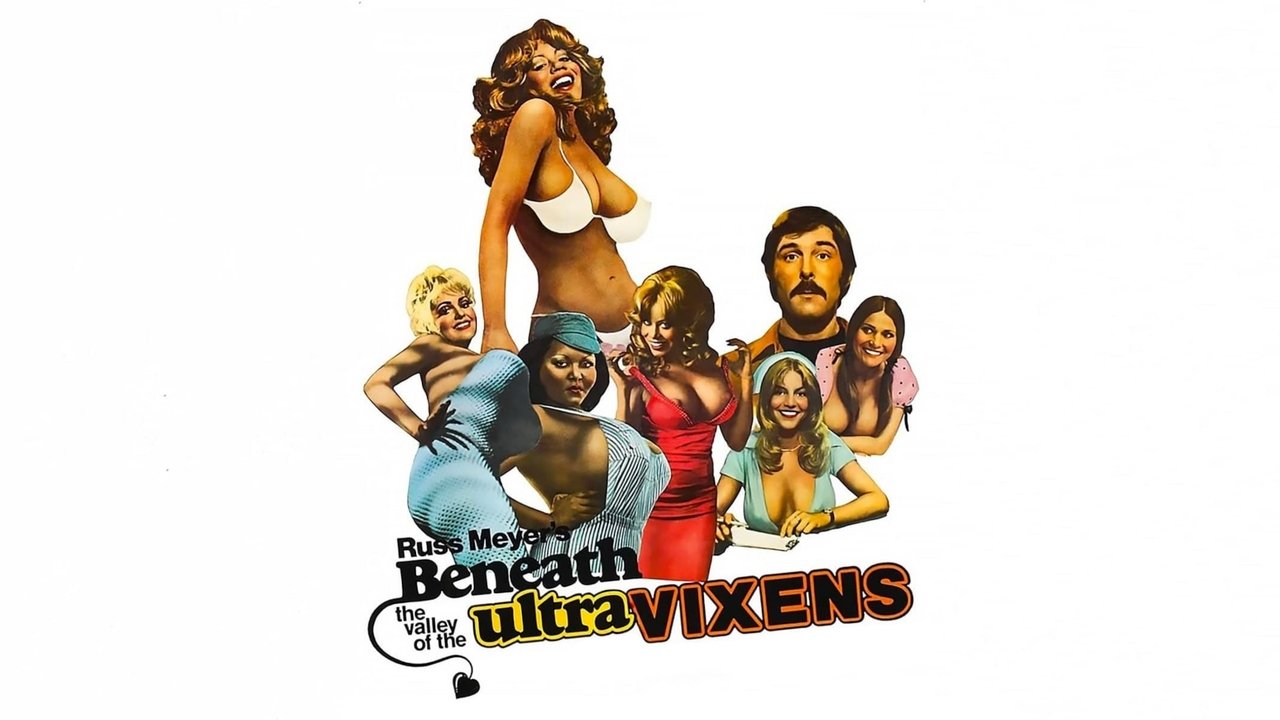
Think about the colour saturation, the almost lurid vibrancy of the sets and costumes. It wasn't subtle, but it wasn't meant to be. This was pulp fiction brought to life, bold and unapologetic. Kitten Natividad, with her astounding physique and surprisingly sweet screen presence, became an instant cult icon. It’s fascinating to know that Meyer specifically sought out women with naturally large busts, eschewing the implants that were becoming more common – part of his own peculiar brand of "realism" within the fantasy.
The X-Rated Saga and Cult Status
Unsurprisingly, Ultra-Vixens courted controversy. It snagged the notorious X rating, which Meyer, ever the showman, reportedly embraced. Initially, believe it or not, this project started life under the wing of 20th Century Fox, following the success of Beyond the Valley of the Dolls. Fox eventually backed out (can you imagine the boardroom meetings?), leaving Meyer to finance it independently, as he often did. He was a master of low-budget filmmaking, turning shoestring budgets into profitable cult phenomena. Ultra-Vixens was no exception, becoming one of his most financially successful independent films, finding its audience on the midnight movie circuit and, crucially for us, on home video.
Finding this tape felt like uncovering forbidden knowledge. It wasn't just titillating; it was weird. It was funny in ways you weren't sure were intentional (though Ebert's involvement suggests much of the humour was). Watching it now, it’s a time capsule of a particular brand of cinematic transgression, a film utterly impossible to imagine being made today, certainly not with the same gleeful, almost innocent absurdity despite the adult content. It’s a reminder of a time when exploitation films could have a strange artfulness to them, a personality distinct from mere commerce.
The Verdict

Beneath the Valley of the Ultra-Vixens is not high art, nor does it pretend to be. It's a Russ Meyer film, cranked up to eleven, with a satirical script by a future critical giant. It's excessive, repetitive, and obsessed, but it's also undeniably unique, strangely funny, and visually arresting in its own hyper-stylized way. It perfectly captured that feeling of finding something truly out there on the video store shelf, something miles away from the mainstream multiplex fare.
Rating: 7/10 – This score isn't for flawless filmmaking, but for its sheer audacity, its importance as a cult artifact, the fascinating Meyer/Ebert collaboration, and its perfect embodiment of Meyer's singular, unapologetic vision. It delivers exactly what it promises, with a bizarre wink and nudge thanks to Ebert's script.
Final Thought: For sheer, unadulterated, late-night VHS weirdness that blends lowbrow exploitation with surprisingly sharp satire, Ultra-Vixens remains a valley absolutely worth descending into, even if you need a shower afterwards.