Alright, fellow tapeheads, let's rewind to 1987. Pop the cassette into the VCR, maybe fast-forward past those slightly fuzzy trailers, and settle in. Because tonight, we're talking about a film that didn't just redefine the buddy cop movie; it strapped it to a chair, wired it with explosives, and then cracked wise about it. We're talking about Richard Donner's explosive classic, Lethal Weapon.

### More Than Just "Too Old For This..."
Forget the sequels for a moment (though we love 'em too). Cast your mind back to that first electrifying introduction to Martin Riggs and Roger Murtaugh. This wasn't your standard odd couple pairing; it was lightning in a bottle, fueled by a script from a then-unknown wunderkind named Shane Black. Reportedly written when he was just 23, Black's screenplay sparked a studio bidding war precisely because it felt so dangerous, so different. It had grit under its fingernails and a darkness that many mainstream action flicks shied away from.
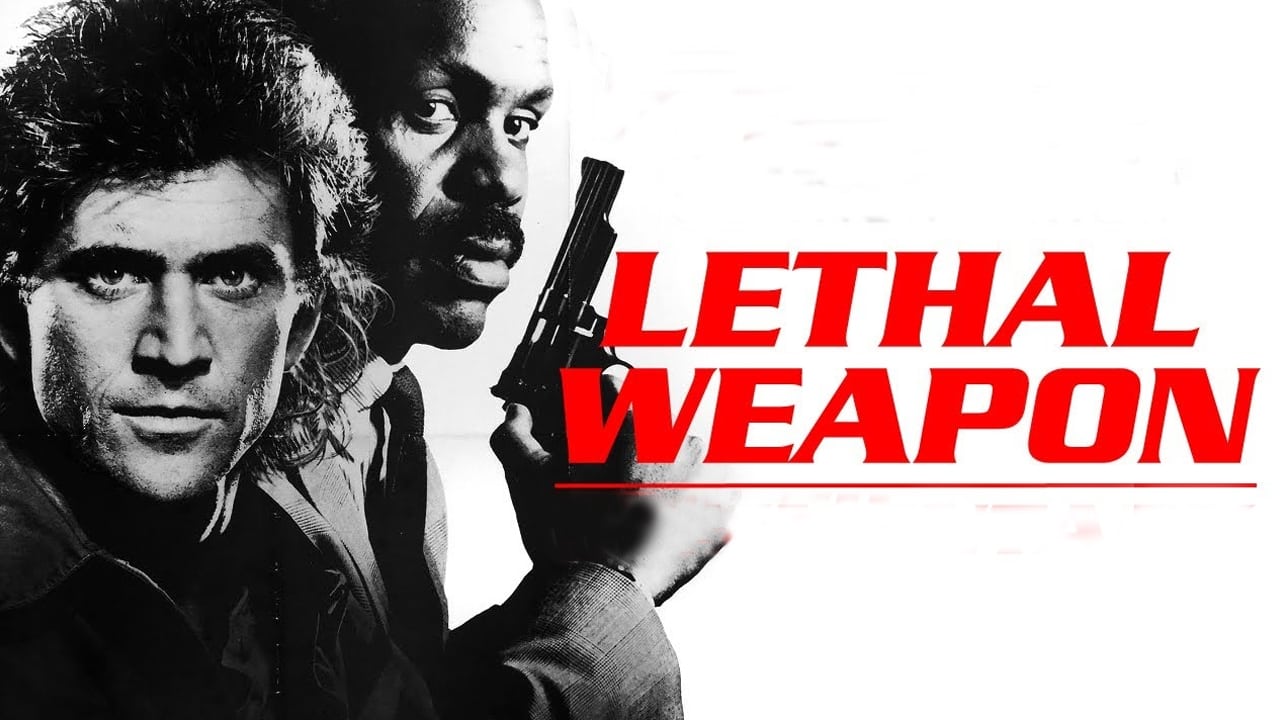
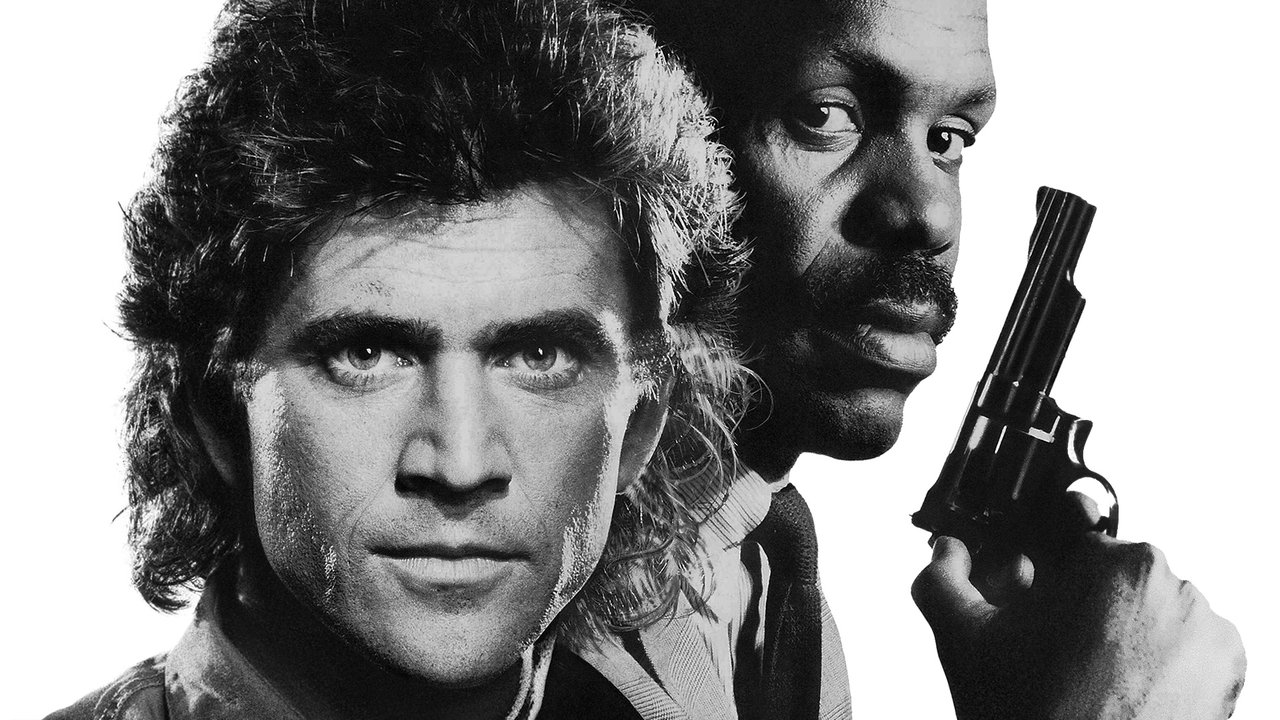
We meet Danny Glover as Roger Murtaugh, the veteran LAPD homicide detective just hitting 50, dreaming of retirement, boats, and family barbecues. He’s the steady hand, the voice of reason, the guy uttering that instantly iconic line, "I'm too old for this shit." Then, like a force of nature – or perhaps something far more unstable – comes Martin Riggs, played with career-defining, wild-eyed intensity by Mel Gibson. Riggs is a walking powder keg, a former Special Forces operative grappling with the recent death of his wife, carrying his grief like a weapon and possessing a death wish barely concealed beneath reckless bravery. The genius of Lethal Weapon is how it throws these two diametrically opposed forces together and makes us believe in their reluctant, evolving partnership.
### That Raw, Reagan-Era Action
Let's talk action, because Lethal Weapon delivered it in spades, with a rawness that felt incredibly potent back on our flickering CRT screens. Richard Donner, already a master of spectacle from Superman (1978) and even The Goonies (1985), knew how to stage mayhem. But here, the mayhem felt grounded, painful. Remember Riggs's first big scene, disarming that jumper? The tension is palpable, not just because of the height, but because you genuinely believe this guy might just pull the trigger himself.
And the practical effects! This was the glorious era before CGI smoothed all the edges off. When cars collided in Lethal Weapon, you felt the impact. The shootouts weren't balletic; they were messy, loud, with squibs erupting in bursts of cinematic blood that looked startlingly real. Remember that brutal hand-to-hand fight between Riggs and Mr. Joshua (Gary Busey, in one of his most memorable roles) on Murtaugh's front lawn in the pouring rain? No wire-fu, no digital doubles – just two actors really going for it, delivering a visceral, exhausting brawl that still holds up. It’s said Gibson and Busey trained extensively in various martial arts, including Capoeira and Jailhouse Rock (yes, really!), to make that final confrontation feel authentic.
### Behind the Badge and the Bullet Holes
The chemistry between Gibson and Glover is legendary, but the film is packed with great supporting elements. Gary Busey is genuinely menacing as the ex-Special Forces mercenary Mr. Joshua, providing a physical and psychological match for Riggs. And let's not forget the score – that brilliant mix of Michael Kamen's orchestral tension and Eric Clapton's bluesy guitar riffs perfectly captured the film's blend of melancholy and adrenaline. It’s one of those soundtracks that instantly transports you back.
Finding that perfect Riggs wasn't immediate, apparently. While Gibson now seems inseparable from the role, rumour has it actors like Bruce Willis were considered before Gibson, fresh off Mad Max Beyond Thunderdome (1985), landed the part. It’s hard to imagine anyone else bringing that specific blend of charm and psychotic energy. The film itself, made for a relatively modest $15 million, became a box office smash, raking in over $120 million worldwide and proving audiences were hungry for this darker, funnier, more character-driven style of action. It didn't just launch a franchise; it arguably set the template for countless buddy cop films that followed, though few captured the same volatile magic.
### Still Got the Firepower?
Watching Lethal Weapon today is like revisiting an old friend who hasn't mellowed much with age. Sure, some of the dialogue and attitudes are pure 80s, but the core relationship still works, the action still hits hard, and the blend of humor and surprisingly dark character work remains compelling. It’s a reminder of a time when action stars felt genuinely dangerous, stunts felt genuinely risky, and finding that perfect worn copy at the video store felt like uncovering treasure. It balanced the grim reality of Riggs’s pain with moments of genuine heart and laugh-out-loud banter, a tightrope walk few films manage so effectively.
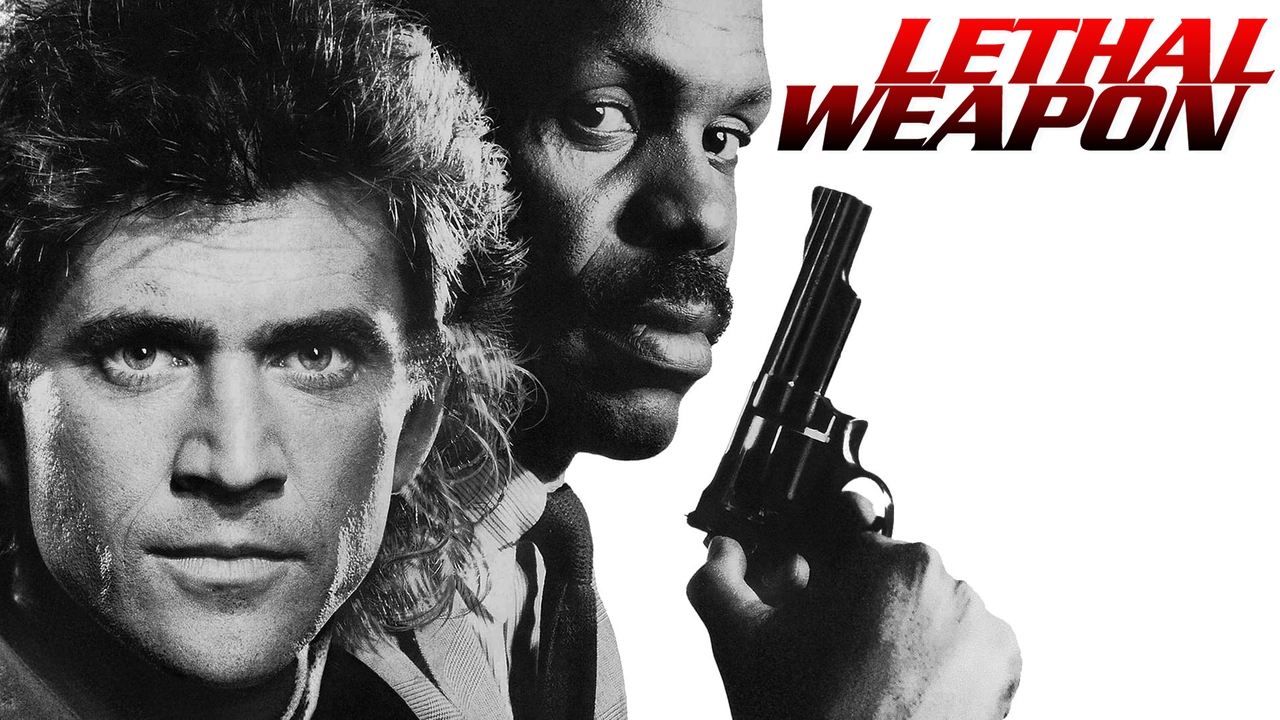
VHS Heaven Rating: 9/10
Justification: Lethal Weapon earns this high score for its groundbreaking blend of visceral action, sharp writing, iconic performances, and perfect buddy-cop chemistry. It revitalized a genre with grit and humour, backed by fantastic practical stunts and a memorable score. While firmly rooted in its time, its core strengths endure powerfully.
Final Thought: Forget polished pixels; Lethal Weapon is pure analog adrenaline – gritty, dangerous, and endlessly rewatchable, like the best kind of well-loved VHS tape.