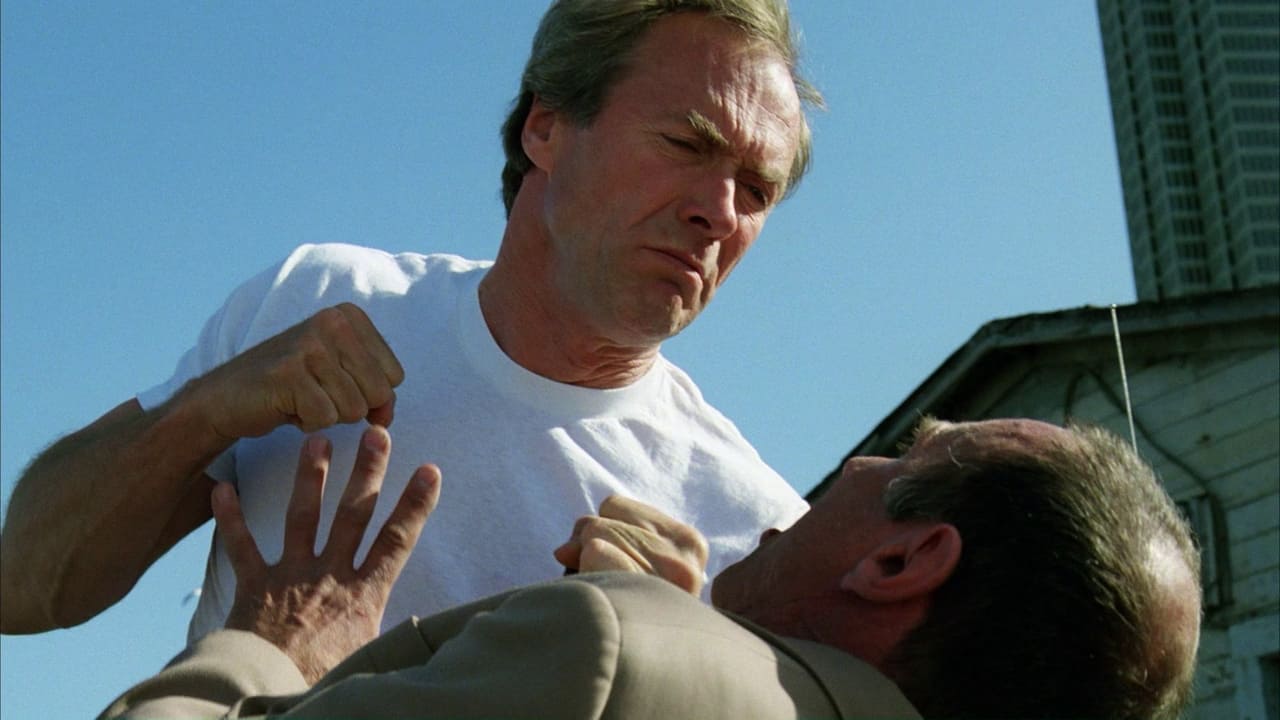
There's a strange weariness settling over San Francisco in 1988's The Dead Pool. Even Inspector Callahan, cinema's most famously unflinching cop, seems touched by the cynicism of the decade's end. The grit feels a little glossier, the stakes somehow both personal and wrapped in the bizarre celebrity culture the film skewers, yet the core dread remains. This fifth and final outing for Clint Eastwood's iconic character might trade some of the raw, street-level nihilism of its predecessors for late-80s action gloss, but watching it unfold on a grainy VHS tape, late at night, still evokes a specific kind of unease. The central premise alone – a killer systematically working through a list born from a morbid betting game – carries an inherent chill that lingers.
Game Over, Man?
The hook is pure, dark B-movie brilliance: a clandestine game where participants bet on which local celebrities will die next. When people on the list start turning up dead in suspiciously dramatic fashion, SFPD's finest headache, Harry Callahan, gets the case. Complicating matters? Harry finds his own name near the top of the killer's apparent checklist, alongside a sharp-tongued TV reporter, Samantha Walker (Patricia Clarkson, in an early standout role), eager for the story. The setup allows for a parade of potential victims and suspects, primarily circling around a low-budget horror film being shot in the city, helmed by the egotistical British director Peter Swan (Liam Neeson, radiating pre-Schindler's List intensity).
This was Eastwood settling into Harry's skin one last time, the squint perhaps a little deeper, the growl slightly more gravelly. He is Callahan, effortlessly embodying the character's weary determination and contempt for bureaucracy. While the plot feels a touch more formulaic than, say, the grimy procedural of the original Dirty Harry (1971) directed by Don Siegel, Eastwood's presence anchors it firmly within the series' universe. Director Buddy Van Horn, a long-time Eastwood collaborator and former stunt coordinator (Any Which Way You Can), delivers competent, workmanlike direction. The grit might be polished, reflecting the era's aesthetic shift towards slicker action, but the sense of urban decay and sudden violence still bubbles beneath the surface. Van Horn knew how to stage action, even if the overall atmosphere doesn't quite reach the suffocating levels of the earlier films.
Celebrity, Cynicism, and RC Cars
What makes The Dead Pool resonate in that specific late-80s way is its cynical take on fame and media. The killer's methods mimic horror movie tropes, turning murder into grotesque spectacle for Swan's exploitative lens and Walker's ratings-hungry news reports. It feels prescient, tapping into the burgeoning celebrity obsession culture that would explode in the coming decade. Seeing Neeson chew scenery as the arrogant auteur, convinced the murders are somehow related to his art, is a darkly amusing highlight. Reportedly, Neeson found Eastwood's quiet, commanding presence on set quite intimidating, a fascinating contrast to the flamboyant character he portrayed – perhaps adding an unconscious layer to their on-screen confrontations.
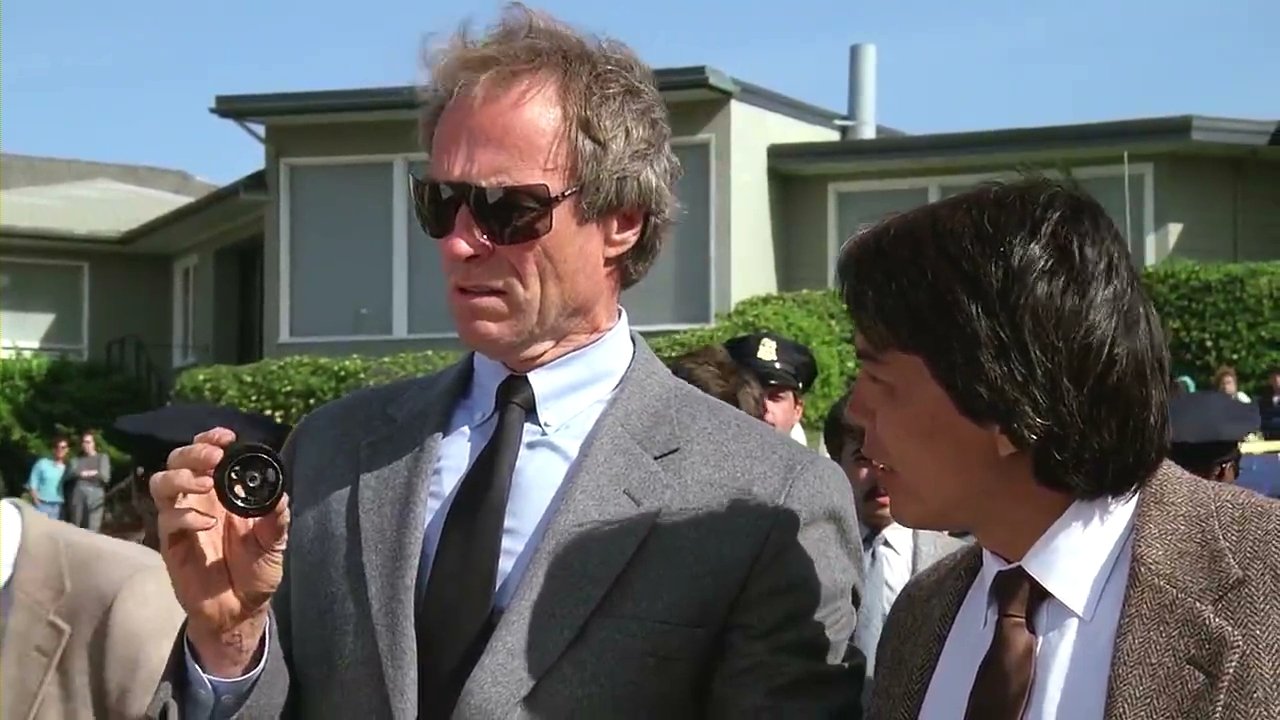
And then there’s that chase. The sequence involving a radio-controlled car packed with C4 pursuing Callahan through the steep streets of San Francisco is pure, unadulterated 80s action invention. It’s slightly absurd, undeniably tense, and utterly memorable. Rewatching it now, you appreciate the practical ingenuity. They didn't just use miniatures; clever camera work and modified Associated RC10 cars created a unique threat that felt genuinely menacing on those old CRT screens. It was a standout moment that probably had video store clerks recommending the tape based on that scene alone. It’s a sequence perfectly encapsulating the film’s blend of familiar Callahan grit and slightly more outlandish, era-specific threats. Remember the buzz around that scene? It felt genuinely novel back then.

Retro Fun Facts
- The film features a memorable cameo and soundtrack contribution from Guns N' Roses, whose hit "Welcome to the Jungle" is used prominently – most notably in a scene featuring a very young Jim Carrey (credited as James Carrey) lip-syncing for his life as a drug-addicted rock star filming a music video scene within the movie's horror flick. It's a bizarre, energetic sequence that feels very 'of its time'.
- The Dead Pool was budgeted at around $31 million but only grossed about $37.9 million domestically, making it the lowest-grossing film in the Dirty Harry series. Adjusted for inflation, that's roughly a $75 million budget yielding $91 million today – a definite underperformance for such an established franchise.
- The central "dead pool" game concept, while fictionalized here, eerily mirrored and perhaps even popularized real-life morbid betting pools on celebrity deaths that gained traction online years later.
The Final Magnum Load
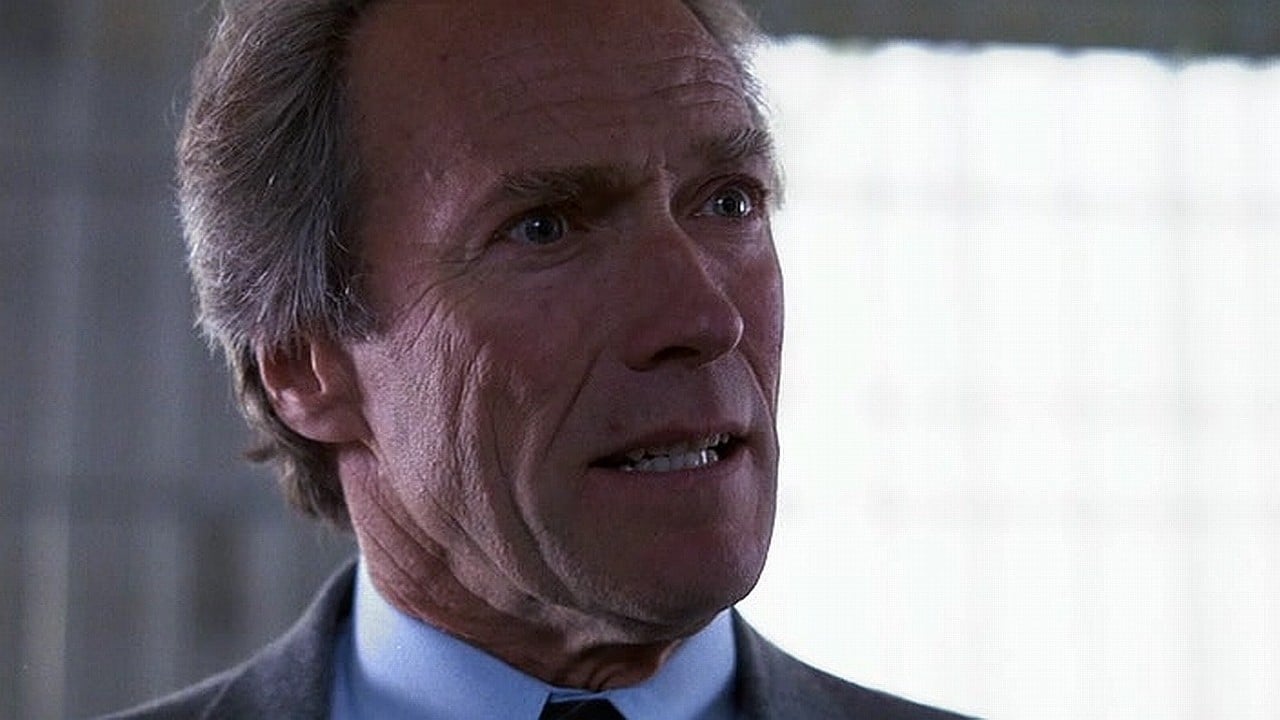
The Dead Pool isn't the best Dirty Harry film. It lacks the raw power of the original or the tight scripting of Magnum Force (1973). It feels like a product of its time – slicker, slightly less dangerous, leaning more into action set-pieces than existential grit. Yet, it's still Dirty Harry. Eastwood's iconic portrayal remains compelling, the central premise is effectively creepy, and it boasts memorable supporting turns and that unforgettable RC car chase. For fans who grew up renting these tapes, popping The Dead Pool into the VCR felt like catching up with an old, dangerous friend one last time. It provided a satisfying, if not earth-shattering, conclusion to one of cinema's most legendary anti-heroes. The darkness is there, just filtered through a late-80s lens, leaving a familiar chill mixed with a distinct pang of action-movie nostalgia.
Rating: 6.5/10
The score reflects a solid, entertaining action-thriller anchored by Eastwood, featuring a great premise and memorable moments (Neeson, the RC car). It delivers Callahan action but feels less essential and impactful than the series' earlier, defining entries, suffering slightly from 80s action formula fatigue. Still, a worthy final chapter for fans and a fascinating snapshot of late-decade anxieties wrapped in a Hollywood sheen. It closes the book on Callahan with a bang, even if it wasn't the loudest one in his arsenal.