The air hangs thick and heavy, tasting of cordite and desperation. Before the slow-motion doves and operatic gun-fu ballet truly took hold, there was a grittier, more grounded kind of Hong Kong despair finding its way onto tape. Forget the stylized gloss; we're diving into the neon-drenched back alleys where loyalty is a flickering match in a hurricane, and every shadow might hold betrayal. We're talking about Ringo Lam's seminal 1987 masterpiece, City on Fire (龍虎風雲).
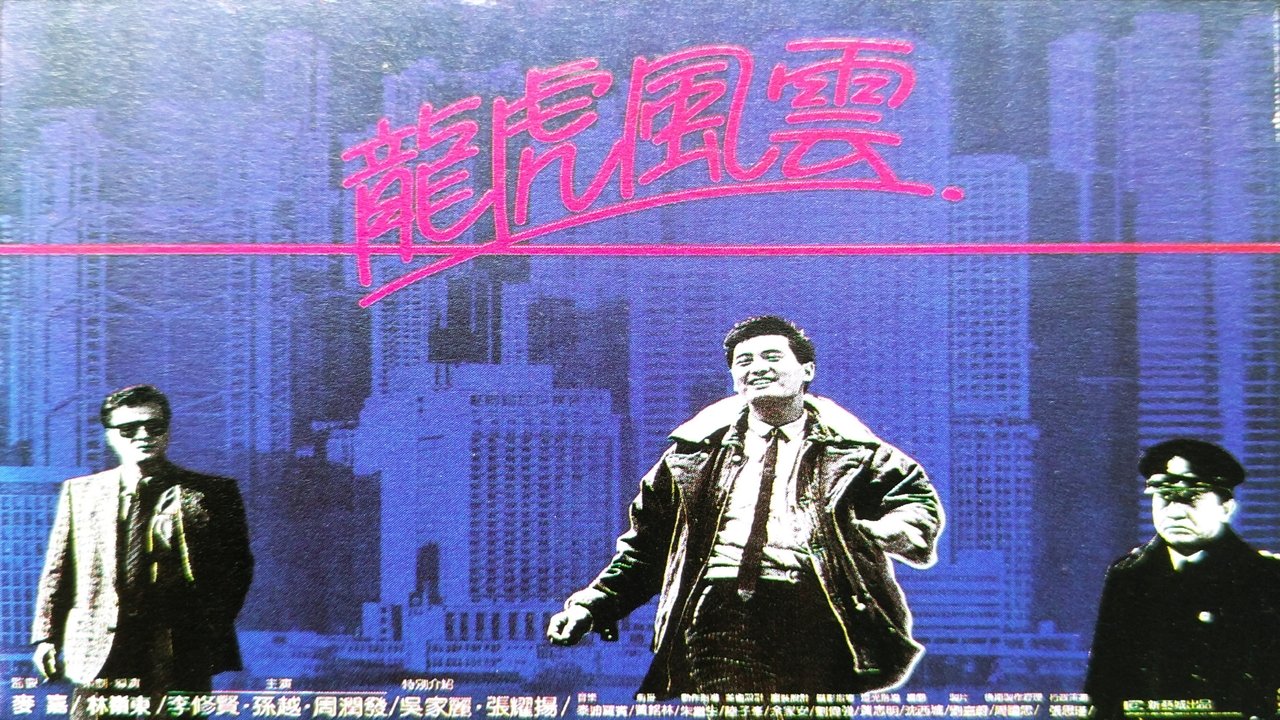
This isn't just another cops-and-robbers flick; it's a raw nerve exposed. The film plunges us into the fractured world of Ko Chow (Chow Yun-fat), an undercover cop drowning in the morally murky waters he’s forced to navigate. His assignment: infiltrate a ruthless gang of jewel thieves led by the charismatic but volatile Fu (Danny Lee). It’s a premise familiar to the genre, but Lam injects it with a palpable sense of dread and existential angst that sets it apart. The pressure cooker tension doesn't come from elaborate set pieces alone, but from the agonizing internal conflict tearing Chow apart.
The Weight of the Badge, The Pull of Brotherhood
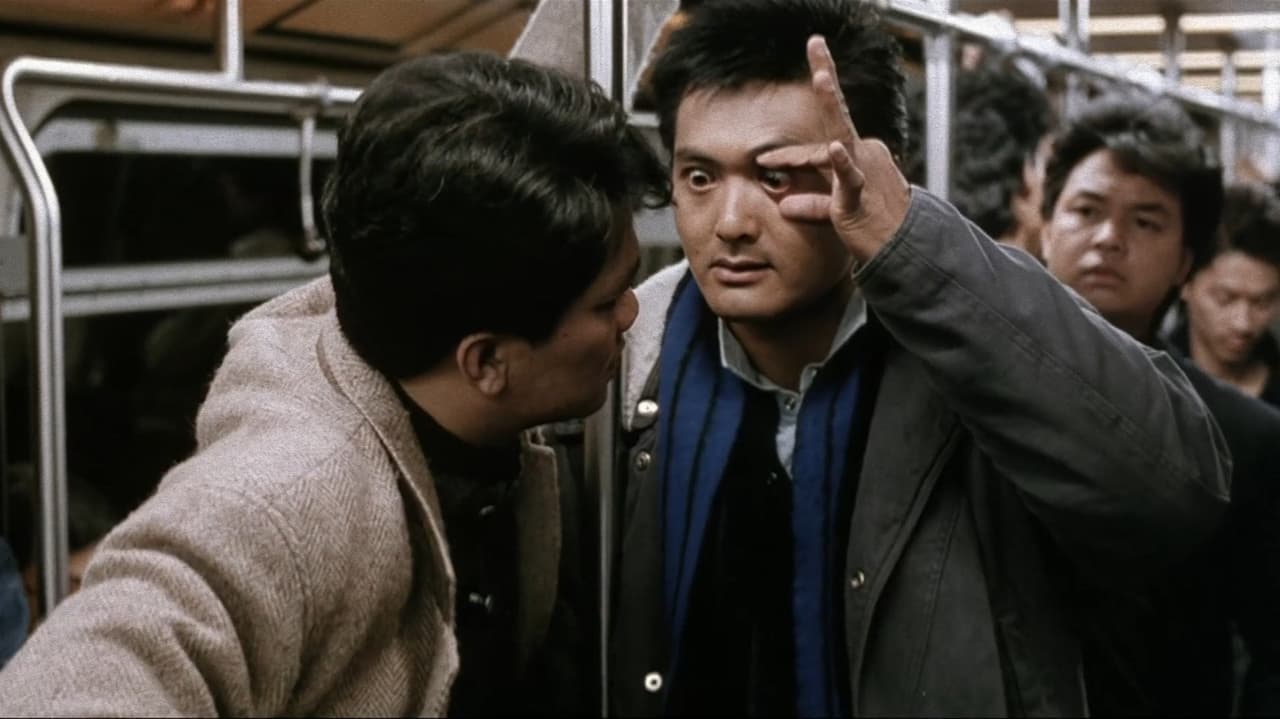
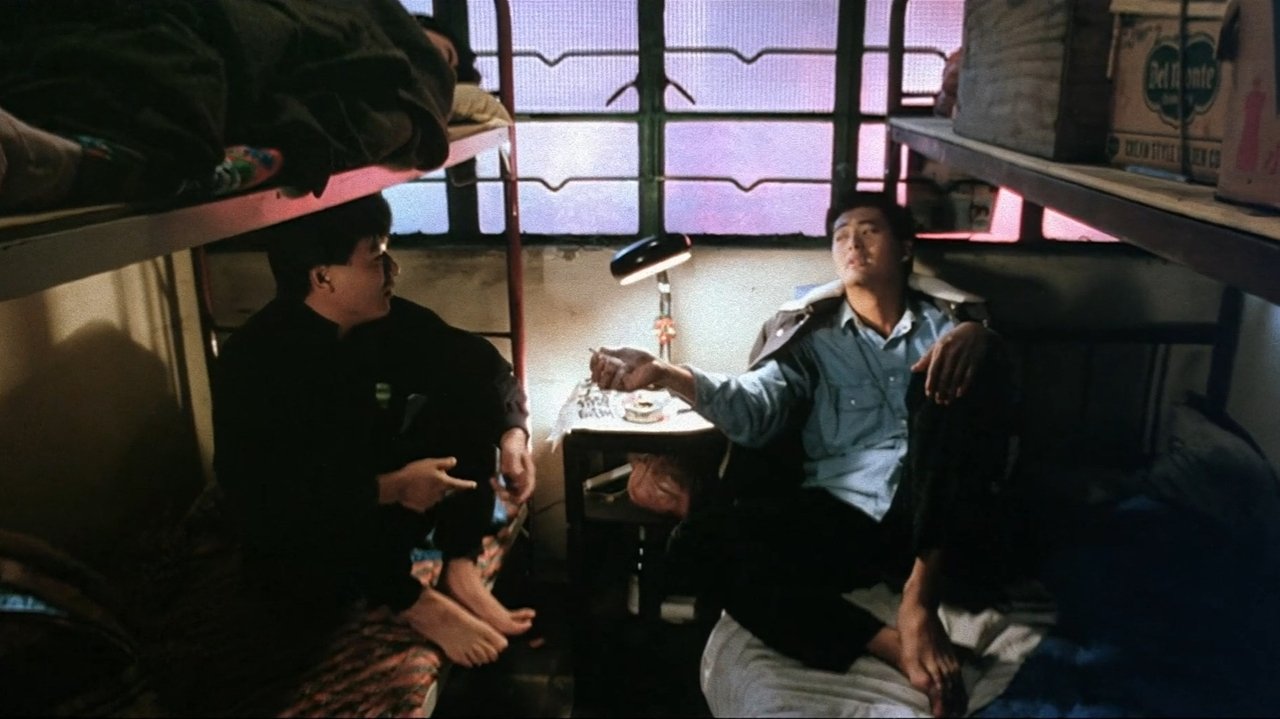
Chow Yun-fat, already ascending to superstardom thanks to John Woo's A Better Tomorrow (1986), delivers a performance steeped in weary vulnerability. This isn't the impossibly cool Mark Gor; this is a man fraying at the edges, his identity dissolving under the constant strain. He finds an unlikely kinship with Fu, the very man he’s meant to betray. Danny Lee, often cast as the stalwart cop himself (famously in Woo's The Killer (1989) opposite Chow), brilliantly plays against type here. His Fu isn't a moustache-twirling villain but a complex figure driven by his own code, capable of both chilling violence and genuine camaraderie. Their burgeoning friendship forms the tragically compromised heart of the film, making the inevitable collision course all the more devastating. Remember the quiet moments they share, the guarded conversations hinting at respect? That's where the real tension coils.
Ringo Lam's Concrete Jungle
Director Ringo Lam, often seen as the darker, more cynical counterpoint to John Woo's romanticized heroism, crafts a Hong Kong that feels brutally real. Forget picturesque skylines; Lam focuses on cramped apartments, rain-slicked streets, and claustrophobic warehouses. The film reportedly operated on a leaner budget than some of its contemporaries, a constraint that arguably enhances its gritty aesthetic. Rumour has it that some scenes, particularly chaotic street sequences, might have flirted with guerilla filmmaking techniques to capture that authentic urban energy – you can almost feel the humidity and desperation radiating off the screen. Lam doesn't shy away from the ugliness of violence; the shootouts are messy, chaotic, and driven by panic as much as precision. There's a weight, a consequence to every bullet fired, that often felt absent in the more stylized actioners of the era. This grounded approach gives the film's climax, a desperate standoff following a botched heist, an almost unbearable intensity.
Retro Fun Facts: Echoes and Influence
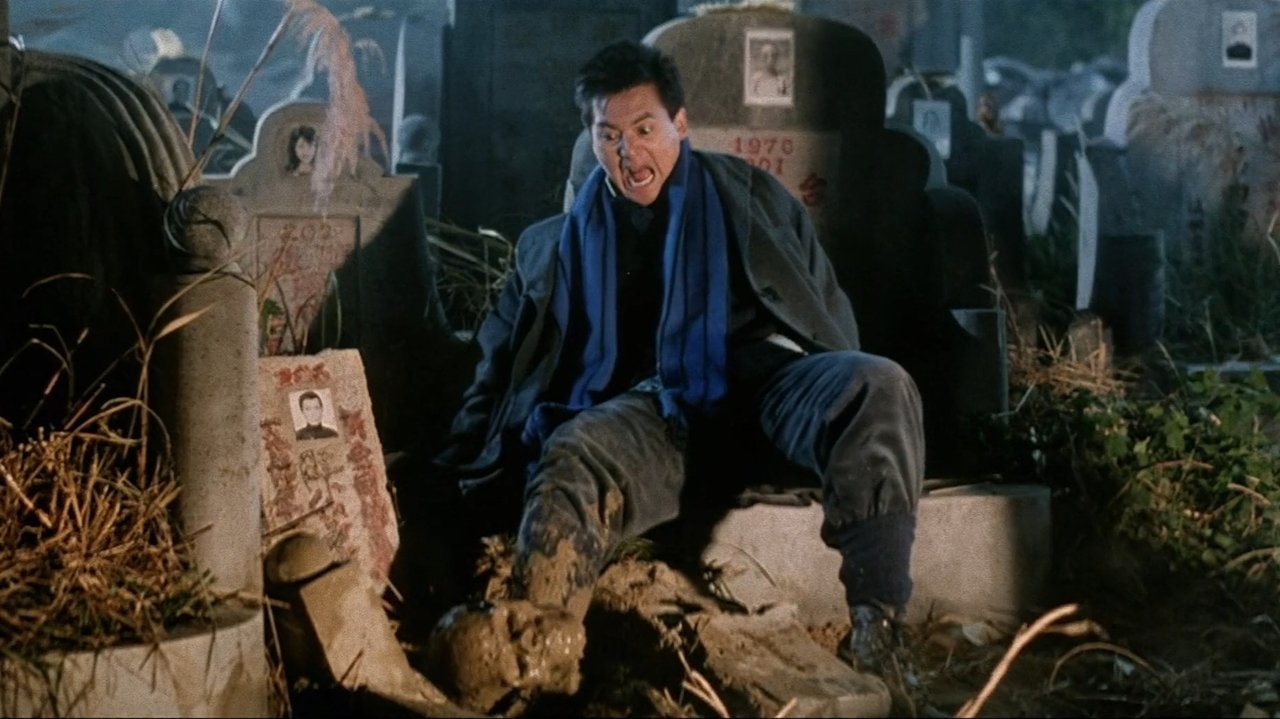
It’s impossible to discuss City on Fire without acknowledging its most famous (or infamous) legacy: its undeniable influence on Quentin Tarantino's Reservoir Dogs (1992). Key plot points, character dynamics, the undercover cop scenario, and particularly the structure and visual cues of the post-heist standoff bear striking resemblances. While the extent and nature of this borrowing remain debated among film buffs, watching City on Fire today feels like uncovering a crucial piece of cinematic DNA. Seeing the source, the raw Hong Kong energy that sparked such a landmark piece of American independent cinema, is fascinating. It’s a testament to Lam’s powerful storytelling that its echoes reverberated so strongly across the Pacific. City on Fire also swept the Hong Kong Film Awards, winning Best Director for Lam and Best Actor for Chow, cementing its status as a critical and influential work within its home territory, and forming the first part of Lam’s loosely connected “On Fire” series which included the equally potent Prison on Fire (1987) and School on Fire (1988).
The Verdict: Still Smoldering
Does City on Fire still hold up? Absolutely. While some aspects, like the synth score or certain fashion choices, firmly anchor it in the late 80s, its core strengths – the psychological tension, the stellar performances, Lam's unflinching direction, and the raw emotional impact – remain undiminished. It lacks the operatic flourish of Woo, offering instead a potent shot of street-level nihilism and tragic heroism. The film explores the grey areas, the compromised loyalties, and the devastating human cost of living a double life with an intensity that few films, before or since, have matched. It’s a cornerstone of the heroic bloodshed genre, but its soul is pure noir.
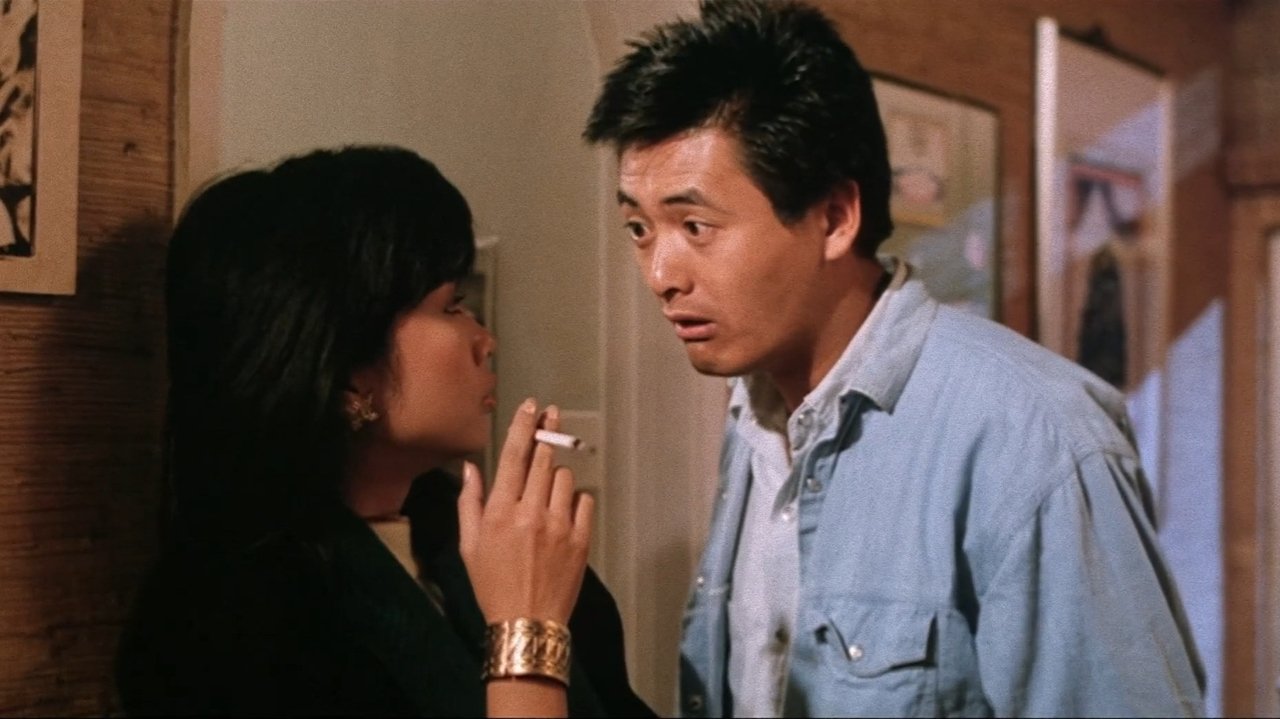
For those who remember discovering these Hong Kong powerhouses on grainy VHS tapes, often with questionable subtitles, City on Fire was a revelation – a window into a different kind of action filmmaking, one fueled by character and consequence as much as by gunfire. It’s a film that stays with you, its bleak atmosphere and Chow Yun-fat's haunted eyes lingering long after the credits roll.
Rating: 9/10
This rating is earned through its masterful direction, powerhouse performances from Chow and Lee, its suffocating atmosphere of dread, and its undeniable historical significance within the action genre and Hong Kong cinema. It's a near-perfect execution of the undercover thriller, delivering raw emotion and visceral impact that hasn't faded. City on Fire isn't just influential; it's a visceral, haunting classic that still burns bright.