It starts not with a bang, but with a chilling silence shattered by unimaginable violence. A remote farmhouse, children playing, and then... carnage. This stark, brutal opening sequence of Messenger of Death (1988) immediately signals that we're perhaps not in for the usual Charles Bronson shoot-'em-up fare that dominated his later career, especially under the Cannon Films banner. Instead, we're plunged into a somber mystery rooted in faith, family, and the dark secrets festering beneath a seemingly peaceful surface. It’s a film that sits oddly in the Bronson catalogue, a puzzle box wrapped in the dusty landscape of rural Colorado.
A Different Kind of Assignment
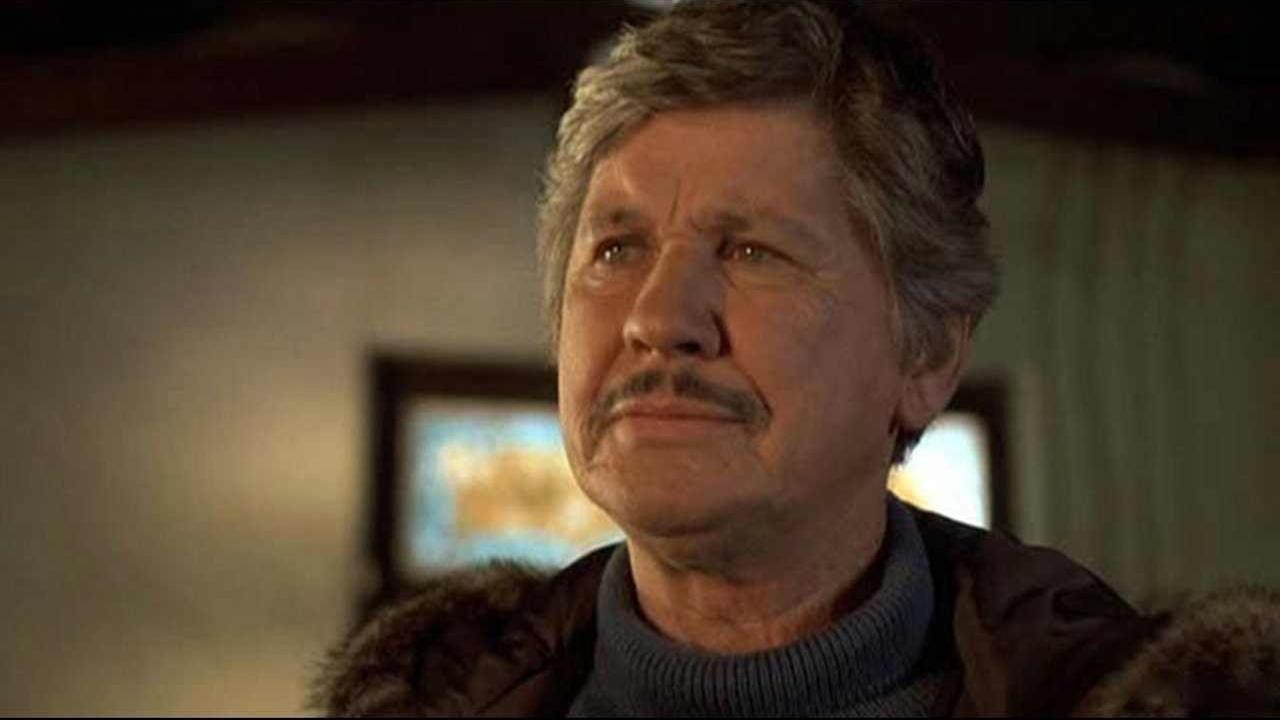
Instead of a vengeful architect or a rogue cop, Bronson plays Garret Smith, a Denver newspaper reporter. Already, the casting feels slightly off-kilter, doesn't it? Bronson, the man of granite-faced action, as a deadline-driven journalist? Yet, there's a weariness in his portrayal here that fits. Smith isn't chasing scoops with youthful vigour; he's a seasoned pro, perhaps slightly jaded, assigned to cover the horrific massacre of women and children belonging to a breakaway Mormon sect. The initial assumption is that it’s the work of a rival fundamentalist group led by the patriarch Zenas Beecham (Laurence Luckinbill), stemming from a decades-old blood feud with the victim's family, the LeBarons. But as Smith digs deeper, guided partly by the surviving patriarch Homer (Jeff Corey) and interacting with local figures like Police Chief Barney Doyle (Daniel Benzali), the threads lead towards something potentially far more insidious, possibly involving corporate interests eyeing valuable water rights.
Faith, Feuds, and Something Fouler
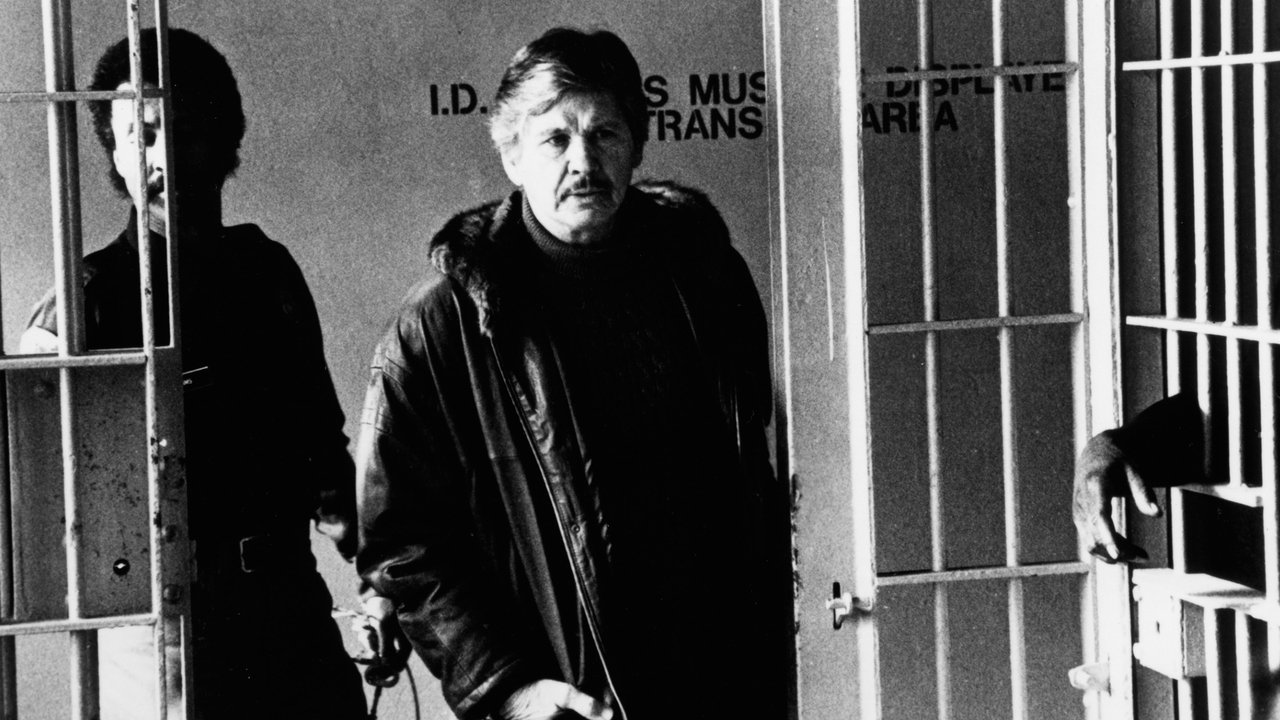
What makes Messenger of Death intriguing, if not entirely successful, is its willingness to engage with themes rarely touched upon in the typical action thriller landscape of the 80s. The film delves into the world of fundamentalist offshoots, exploring the intense loyalty, the rigid patriarchal structures, and the potential for violence when faith becomes twisted by earthly grievances. It’s based on the novel The Avenging Angel by Rex Burns, and adapted by Paul Jarrico, a writer whose own past included being blacklisted during the McCarthy era – perhaps lending a certain sensitivity to themes of persecution and hidden truths, though the script sometimes struggles to balance the complex religious backdrop with the demands of a crime thriller.
This was the seventh of nine collaborations between Bronson and director J. Lee Thompson, a partnership that defined much of Bronson’s output for The Cannon Group throughout the decade (think 10 to Midnight (1983) or Murphy's Law (1986)). Thompson was a veteran craftsman, capable of delivering taut sequences (he directed the original Cape Fear back in 1962), and here he brings a certain workmanlike efficiency. The Colorado locations provide an authentic, sun-baked, yet bleak atmosphere, grounding the more outlandish elements of the plot. You can almost feel the dust kicked up by Smith's car as he navigates the backroads between feuding families. However, the film sometimes feels caught between being a serious examination of a closed community and a more conventional mystery, never fully committing to either path.
Bronson the Observer
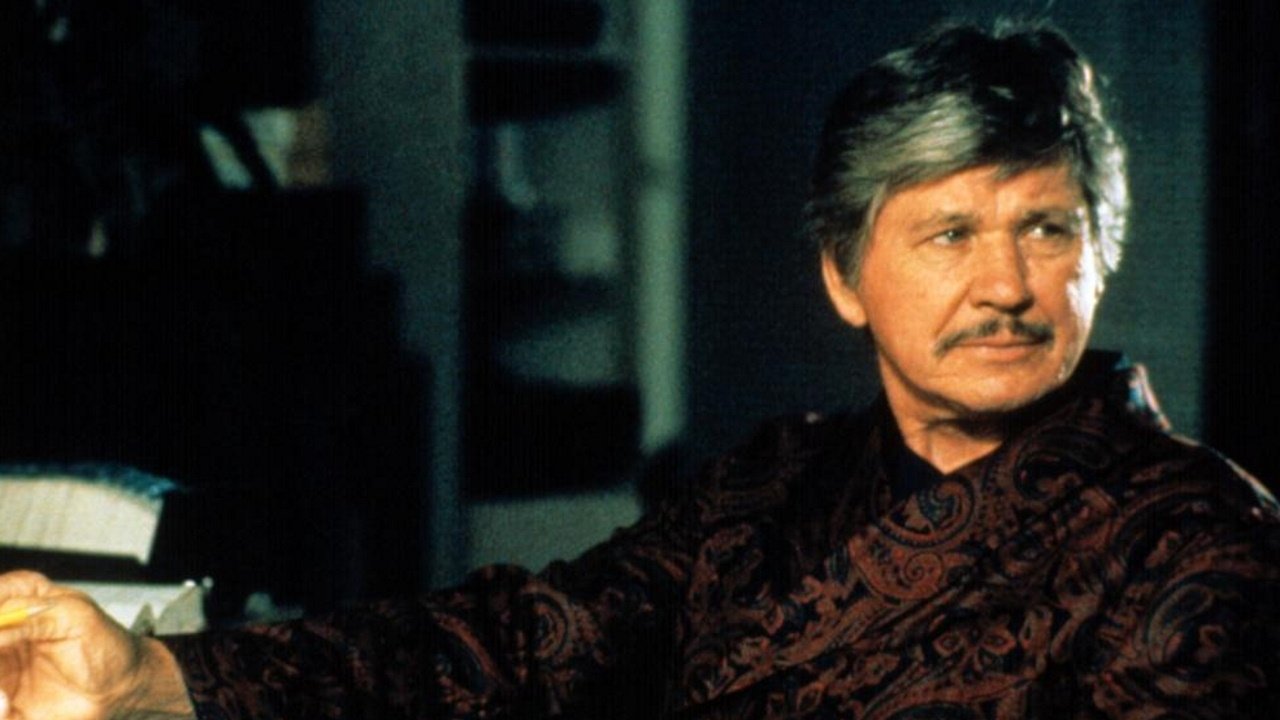
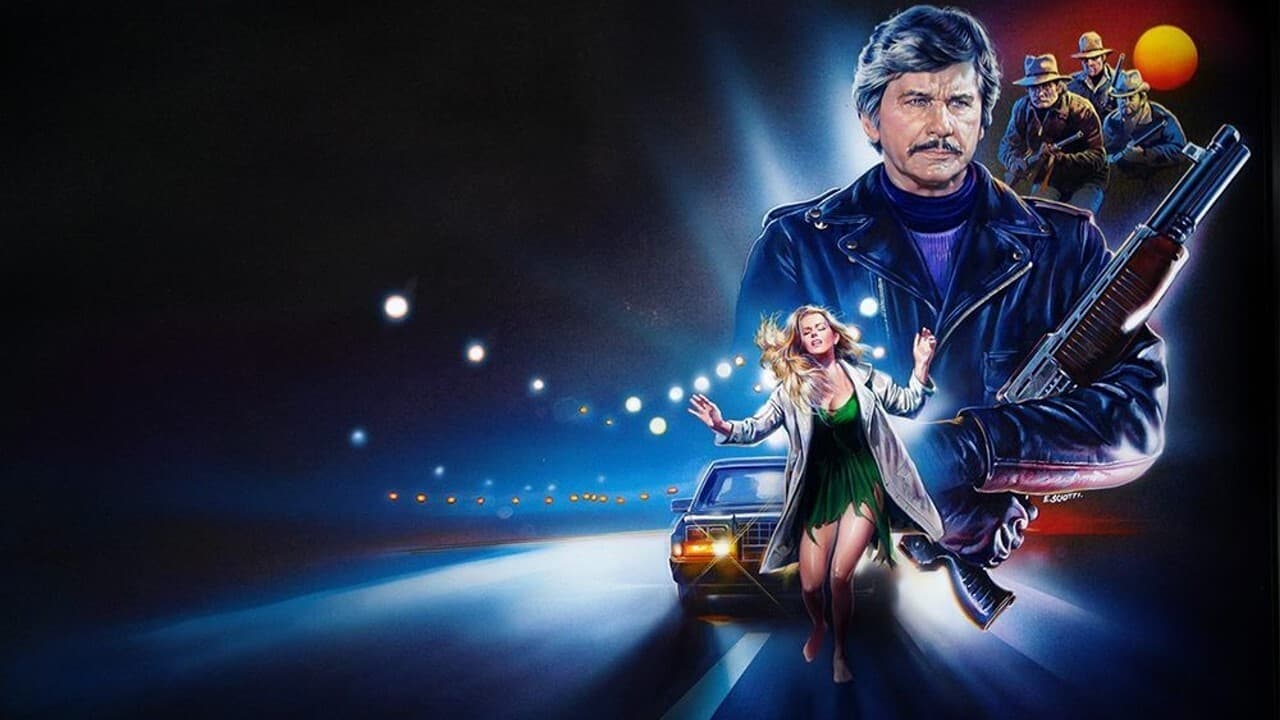
Bronson himself is... well, Bronson. He’s less overtly physical here, relying more on that quiet intensity and watchful presence. He listens more than he acts, observing the strange dynamics of the feuding families and the cagey local officials. It’s not a transformative performance, but it works within the film's slightly muted tone. He’s the outsider trying to make sense of an insular world governed by rules he doesn't understand. Trish Van Devere (married to the legendary George C. Scott) appears as Jastra Watson, the publisher pushing Smith for the story, adding a touch of urban sophistication that contrasts sharply with the rural drama. Laurence Luckinbill is effectively stern and imposing as the rival patriarch Zenas Beecham, embodying the unyielding nature of the conflict.
A Cannon Conundrum
Produced during a period when Cannon Films was grappling with financial instability, Messenger of Death feels like an attempt to perhaps broaden Bronson’s appeal beyond pure action. Made on a budget estimated around $5-6 million (roughly $13 million today), its US box office take of just under $4 million (about $10 million adjusted) marked it as a financial disappointment for the studio. Perhaps audiences weren't quite ready for a slower-paced, more complex story featuring their favourite action star primarily asking questions rather than firing bullets. Interestingly, the film’s premise bears some resemblance to real-life tragedies involving violent Mormon fundamentalist figures like Ervil LeBaron in the 1970s, adding a layer of unsettling resonance, though the film fictionalizes its narrative heavily.
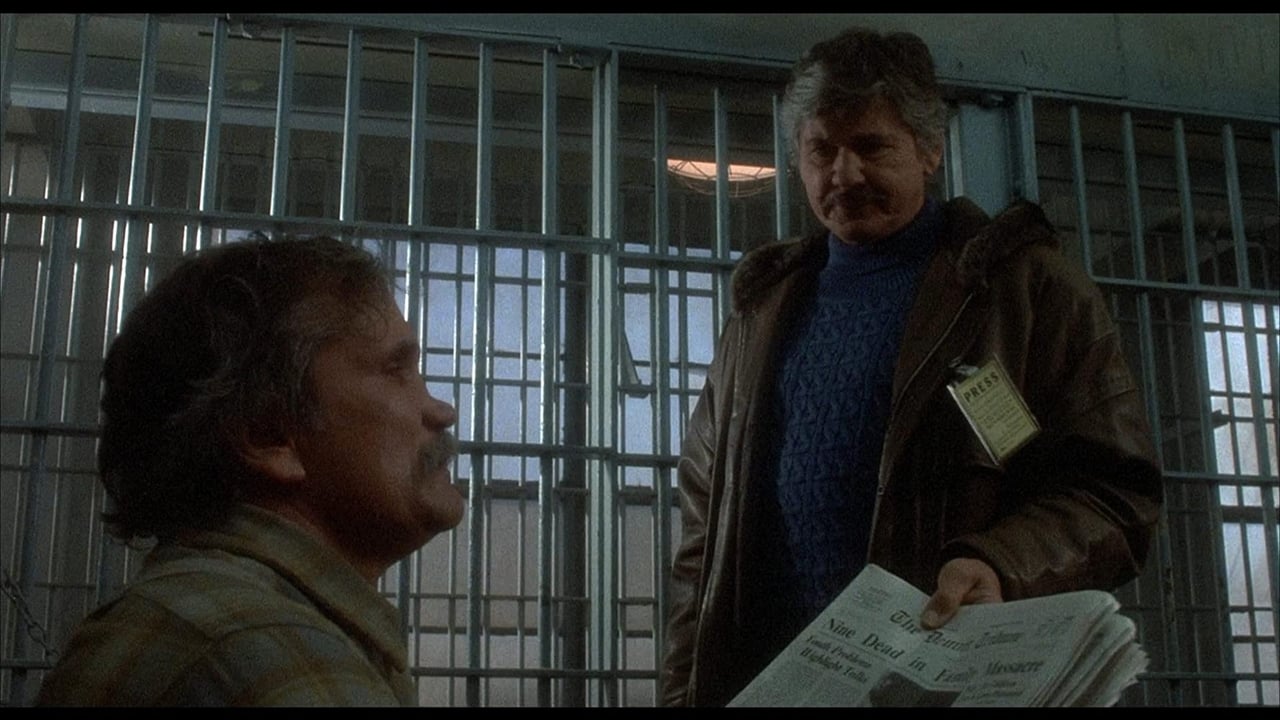
There are moments of genuine tension, particularly as Smith gets closer to the truth and realizes the danger isn't just from religious fanatics but potentially from powerful, unseen forces. The central mystery, while involving, perhaps unfolds a little too predictably towards the end. Still, the journey through this pocket of simmering resentment and buried secrets holds a certain fascination. It lacks the visceral thrills of Bronson’s bigger hits, but offers something moodier, more contemplative, even if the execution doesn't fully capitalize on its potential.
Rating: 6/10
Messenger of Death stands as a curious outlier in the Charles Bronson and Cannon Films library. It doesn't quite deliver the action spectacle many fans expected, nor does it fully plumb the depths of the complex themes it introduces. However, its unusual premise, atmospheric setting, and Bronson's subdued performance make it a worthwhile watch for those seeking something a little different from the usual 80s thriller formula. It's a film that leaves you pondering the strange and sometimes dangerous ways faith, family, and greed can intersect, lingering like the Colorado dust long after the credits roll. A fascinating, flawed artifact from the twilight of the Cannon era.