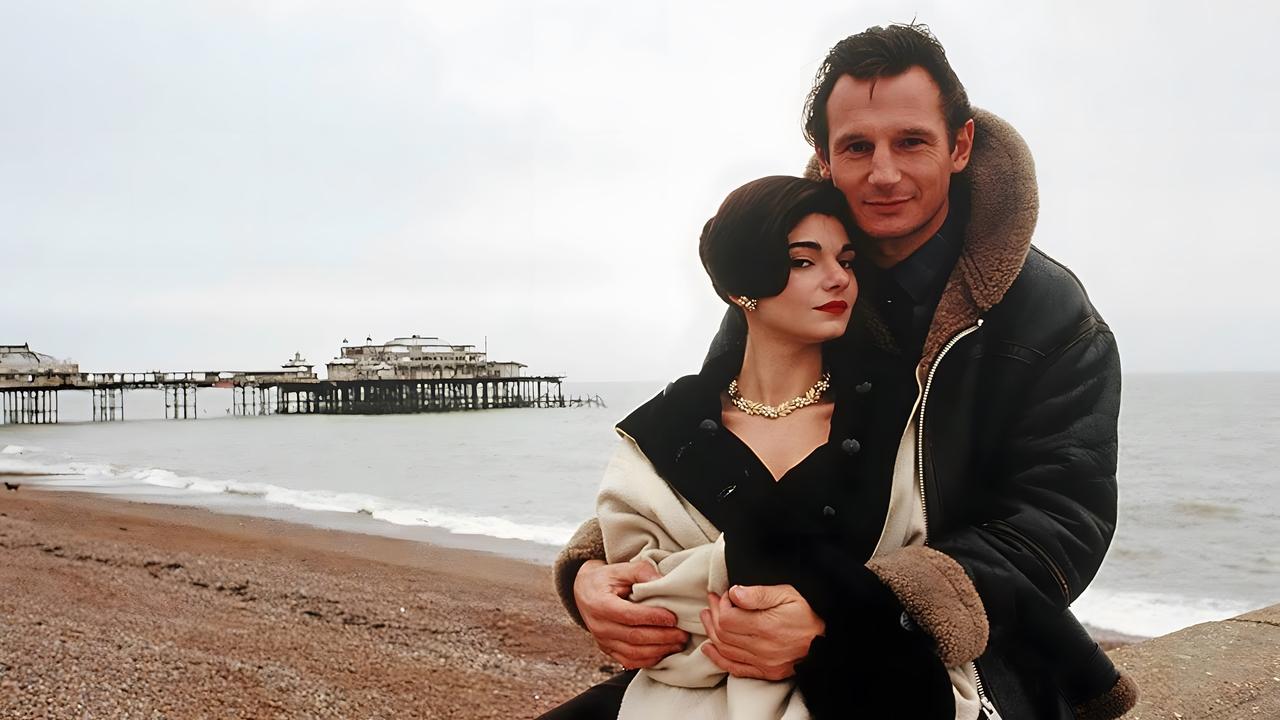
There's a certain kind of rain that seems exclusive to film noir – a relentless, grey drizzle that slicks the streets and mirrors the murky compromises blurring the lines between right and wrong. It falls almost constantly in Simon Moore’s 1991 neo-noir thriller, Under Suspicion, soaking the faded seaside glamour of 1959 Brighton, England, and setting a perfectly damp stage for a tale of moral ambiguity and desperate measures gone fatally wrong. This isn't a film that shouts its intentions; it murmurs them in shadowed corners, forcing you to lean in closer, much like the tangled plot itself demands.
A Picture Worth a Thousand Lies
At the heart of the storm is Tony Aaron, played by a pre-superstardom Liam Neeson. Aaron is a former policeman clinging precariously to respectability as a private investigator. His specialty? Manufacturing evidence of adultery for clients eager for divorce, a grubby enterprise he carries out with the help of his own wife, Hazel (Laura San Giacomo). It’s a grim arrangement built on deception, a house of cards waiting for the slightest breeze to send it tumbling. And tumble it does, spectacularly, when one such staged rendezvous ends with Hazel and the client brutally murdered. Suddenly, Aaron isn't just orchestrating lies; he's the prime suspect in a double homicide, hunted by his former colleague, the sharp, suspicious Inspector Frank (Kenneth Cranham). It's a classic noir setup, steeped in the damp chill of the English coast rather than the sun-baked streets of Los Angeles.
Neeson on the Brink
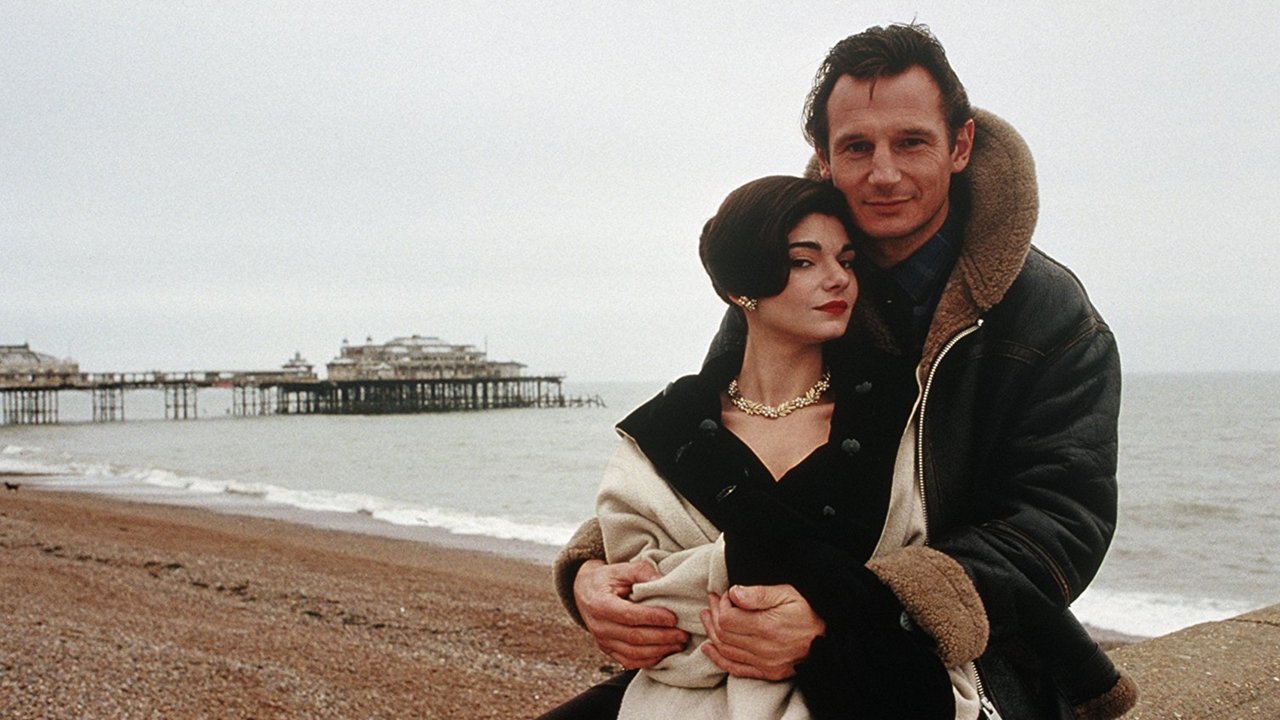
Watching Liam Neeson here, just a couple of years before Schindler's List (1993) would redefine his career, is fascinating. He’d already shown his capacity for intensity in films like Darkman (1990), but Under Suspicion demands something subtler. Neeson embodies Aaron's desperation with a weary physicality. You see the panic behind his eyes, the fraying edges of a man whose carefully constructed deceptions are collapsing around him. It’s not a showy performance, but a convincingly fraught one; he makes you feel the weight of Aaron's past mistakes and the tightening knot of his present predicament. Does his scheme reveal a fundamental flaw in his character, or was he simply pushed too far by circumstance? The film leaves that satisfyingly ambiguous.
Laura San Giacomo, fresh off her breakout roles in sex, lies, and videotape (1989) and Pretty Woman (1990), has a more enigmatic part. Hazel is complicit yet clearly harbors her own complex motivations and resentments. San Giacomo imbues her with a simmering discontent, suggesting depths that the script perhaps doesn't fully explore before her character's fate intervenes. Still, her presence is crucial, the catalyst for Aaron's downfall and a symbol of the fractured relationships at the story's core. And Kenneth Cranham delivers a perfectly calibrated performance as Inspector Frank, embodying the dogged professionalism and inherent suspicion of a man who knows Aaron's history all too well.
Rain, Smoke, and Shadow
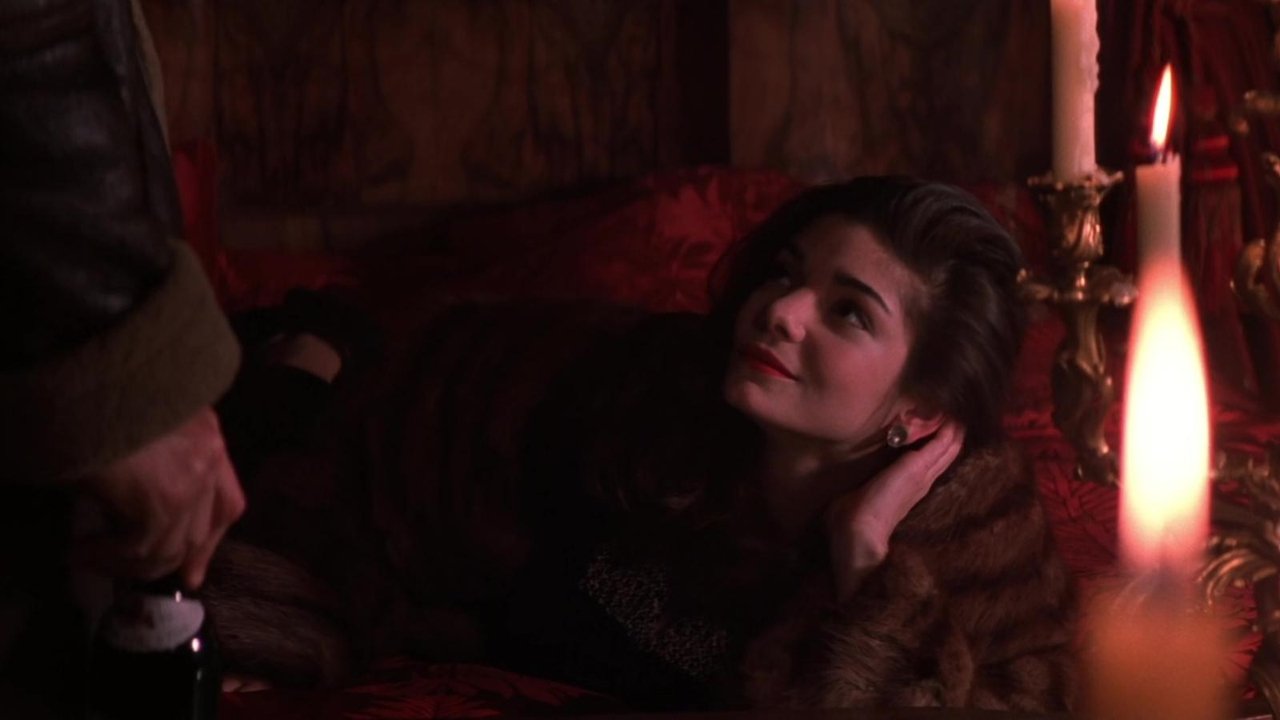
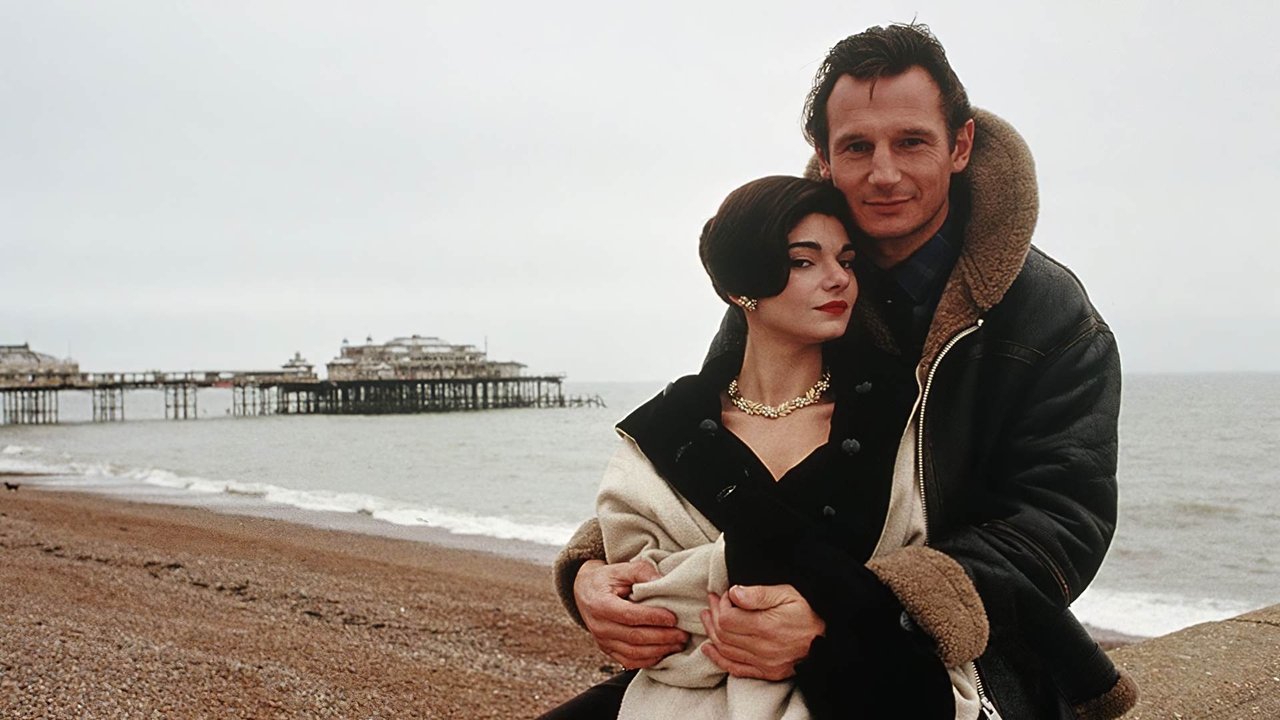
Director Simon Moore, adapting his own earlier television play (Deadly Recruits, 1984), demonstrates a solid command of the noir aesthetic. Working with cinematographer Vernon Layton, he crafts a visually rich film filled with rain-streaked windows, smoke-filled interrogation rooms, and the slightly seedy grandeur of Brighton's seafront architecture (much of it filmed on location, adding authentic texture). The Palace Pier looms, not as a place of amusement, but as a skeletal structure against a perpetually overcast sky. The period detail feels lived-in, capturing the specific mood of post-war Britain grappling with shifting social mores beneath a veneer of respectability. It’s this atmosphere, thick and evocative, that lingers long after the credits roll.
Retro Fun Facts & Tangled Threads
Under Suspicion arrived at a time when the erotic thriller was a video store staple, and while it certainly has elements of that (carrying an R rating in the US for its sensuality and violence), it leans more heavily into its noir roots. Moore reportedly stuck closely to his original play's structure, which might explain why the plot occasionally feels dense, perhaps even a little convoluted. It demands attention, rewarding viewers who enjoy untangling narrative knots, though some found it overly complicated upon its initial, rather muted release (it earned only modest box office returns on its estimated £3 million budget). It wasn't a blockbuster, more like a discovery tucked away on the 'New Releases' shelf, waiting for discerning renters. One wonders if slightly trimming some of the plot's intricate threads might have sharpened the emotional impact, though arguably the complexity mirrors the messy reality of Aaron's situation.
Interestingly, the film's setting in 1959 places it just before the cultural upheavals of the 1960s, capturing a moment of transition, a sense of unease simmering beneath the surface – a perfect environment for noir's exploration of hidden darkness. Did Moore choose this specific year to heighten that feeling of impending change clashing with old secrets?
The Verdict
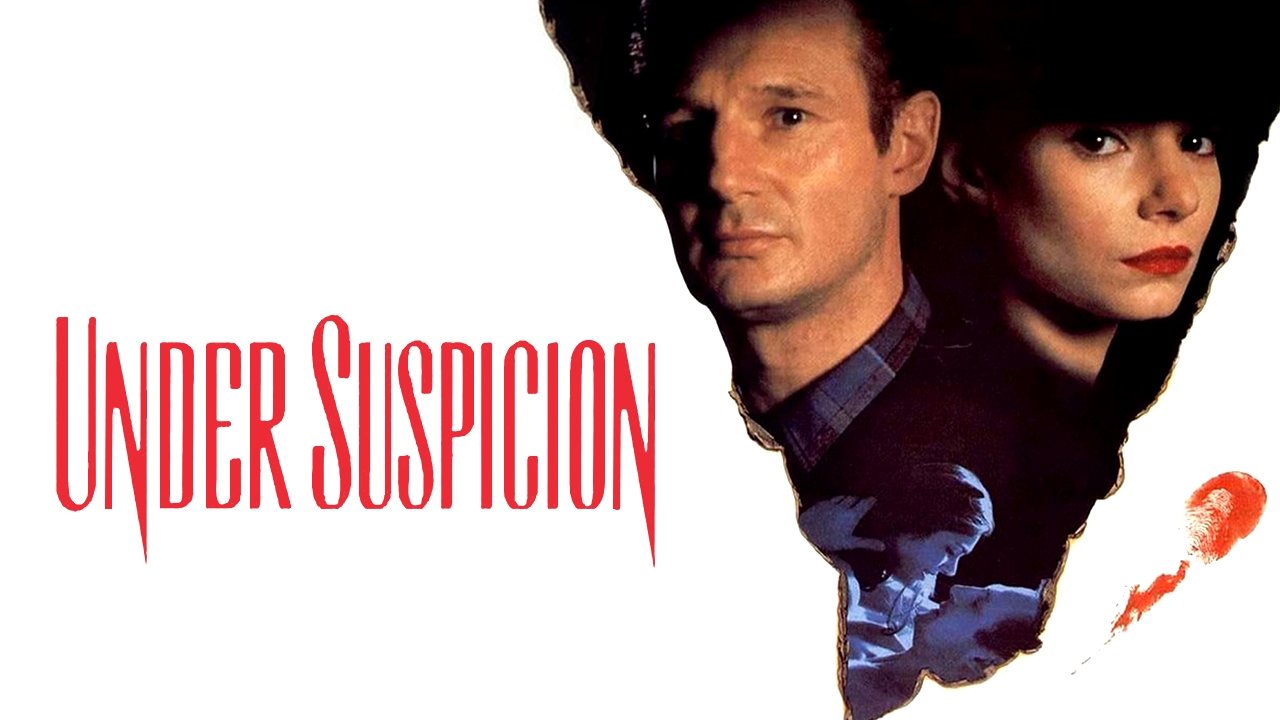
Under Suspicion is a compelling, atmospheric neo-noir that deserves rediscovery by fans of the genre and admirers of its lead actors. While its plot might occasionally tie itself in knots, the strong performances, particularly from Liam Neeson, and Simon Moore’s confident direction create a moody and immersive experience. It successfully translates the shadows and cynicism of classic noir to the rain-lashed coast of 1950s England, offering a mature, twisty thriller that sticks with you. It captures that specific feel of a well-crafted, slightly overlooked early 90s film – the kind you'd happily stumble upon during a late-night browse through the video store aisles.
Rating: 7/10 - This score reflects the film's potent atmosphere, strong central performances, and effective neo-noir styling, slightly tempered by a plot that occasionally prioritizes complexity over clarity. It's a rewarding watch for those who appreciate a slow-burn, character-driven thriller steeped in mood.
It leaves you pondering the corrosive nature of secrets and the ease with which one compromise can lead to an inescapable web. Remember picking this one up, maybe drawn in by Neeson's face on the cover, and getting pulled into its shadowy world?