It starts with the eyes. Not the frantic, wild eyes of a cornered beast, but the unnervingly still, penetrating gaze that seems to dissect you layer by layer. Watching The Silence of the Lambs again, decades after its chilling arrival on VHS shelves in 1991, that initial confrontation between FBI trainee Clarice Starling and the incarcerated Dr. Hannibal Lecter still sends a ripple of profound unease down the spine. It’s a film that doesn’t just scare you; it burrows under your skin and stays there, whispering long after the credits roll.
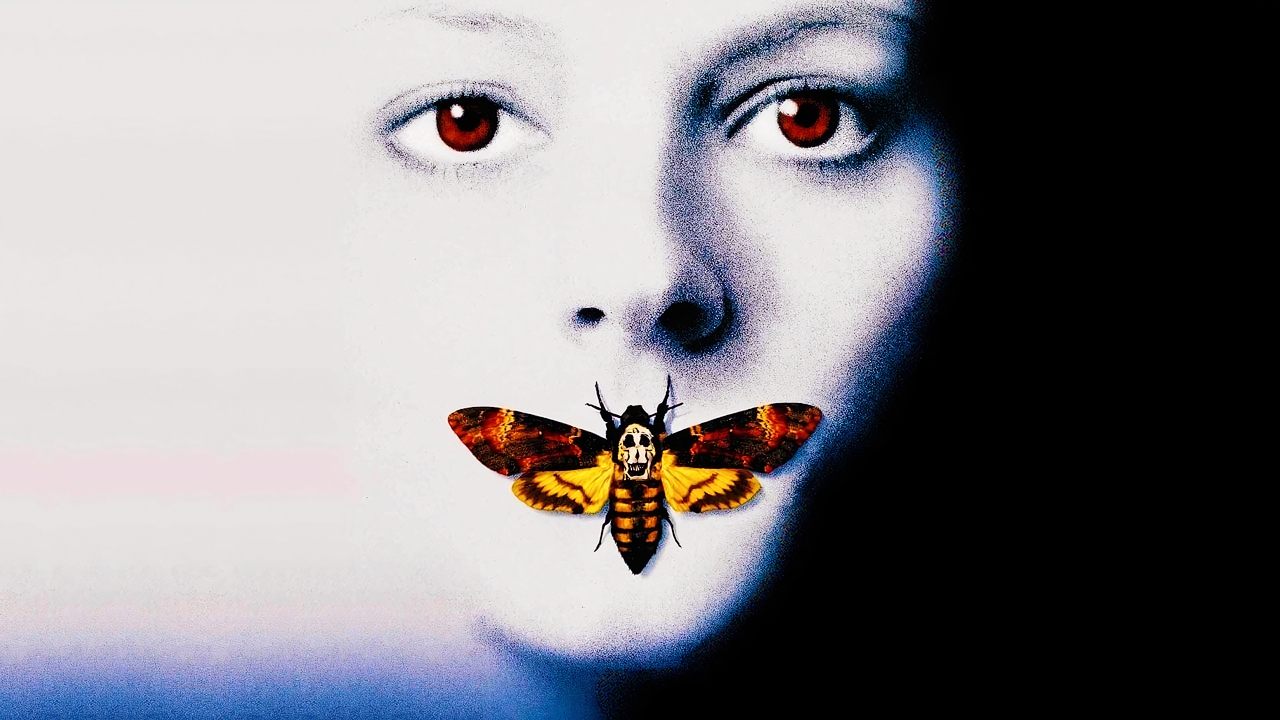
Into the Labyrinth
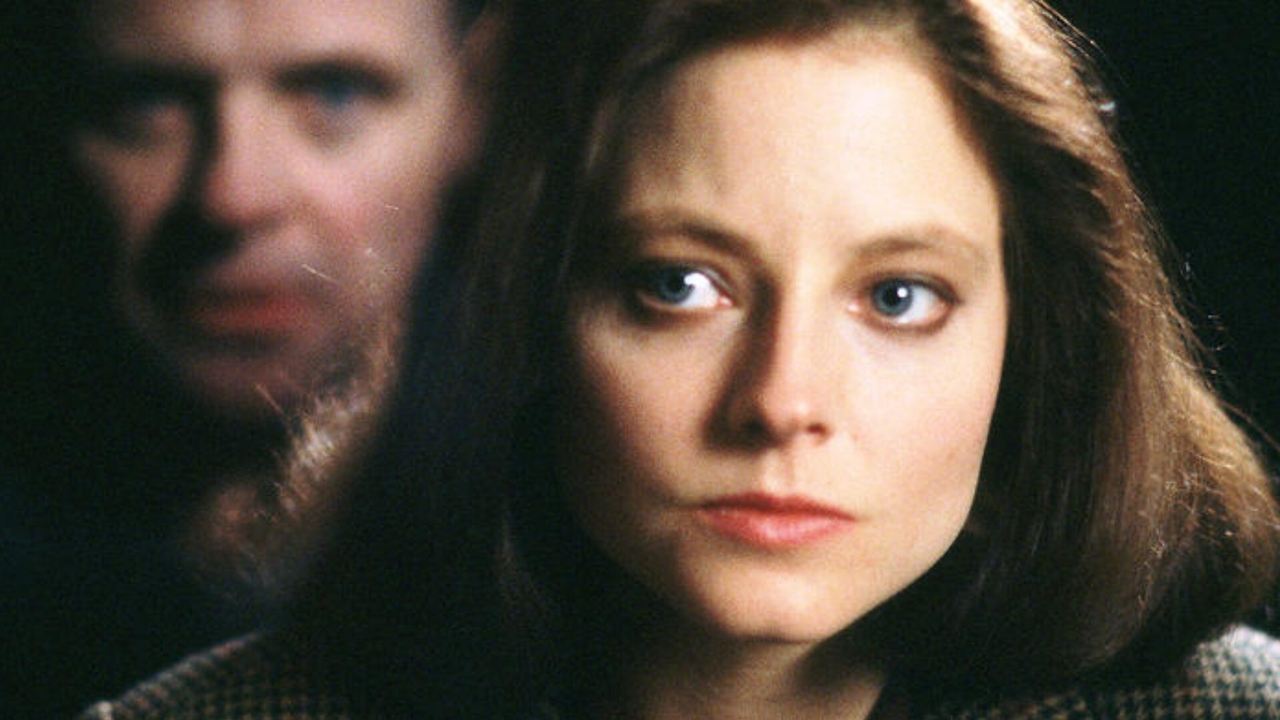
Director Jonathan Demme, previously known for more eclectic fare like Something Wild (1986) and Married to the Mob (1988), crafts an atmosphere thick with dread from the opening frames. We follow Clarice Starling, portrayed with a potent mix of vulnerability and fierce intelligence by Jodie Foster, as she descends – literally and figuratively – into the bowels of the Baltimore State Hospital for the Criminally Insane. Demme masterfully uses claustrophobic framing and subjective point-of-view shots, often having characters look directly into the lens, making us feel like the specimen under observation. Foster, who famously spent time with real FBI agents at Quantico to prepare, embodies Clarice's struggle in a hostile, male-dominated world, making her not just a protagonist, but our anchor in the encroaching darkness. Her determination is palpable, but so is the weight of the horrors she confronts.
A Monster of Refined Menace
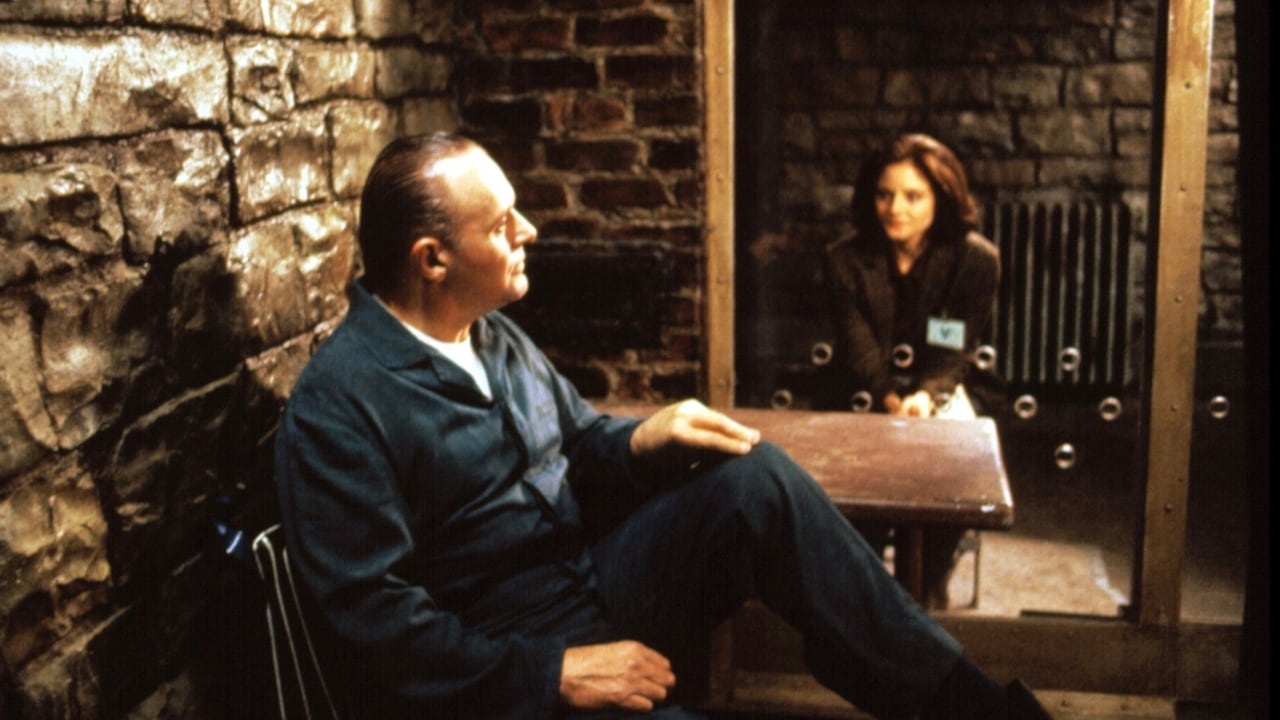
And then there’s Lecter. Anthony Hopkins' portrayal of Hannibal "The Cannibal" Lecter is the stuff of cinematic legend, made all the more remarkable by his relatively scant screen time (around 16 minutes). Hopkins, who reportedly based Lecter's unsettling stillness partly on HAL 9000 from 2001: A Space Odyssey and his vocal patterns on a blend of Katharine Hepburn and Truman Capote, creates a monster defined not by physical savagery (though implied), but by terrifying intellect and psychological manipulation. His decision to rarely blink during their conversations was a masterstroke, amplifying the feeling of being pinned by an apex predator. It's fascinating to recall that Gene Hackman initially held the rights and considered directing and playing Crawford, while Michelle Pfeiffer was Demme's first choice for Clarice. It feels almost fated that Foster and Hopkins landed these career-defining roles, their chemistry crackling with intellectual friction and primal fear.
The Tangible Decay
Beyond the powerhouse performances, the film's visual and auditory landscape is crucial to its chilling effect. The production design by Kristi Zea emphasizes institutional grime and decaying grandeur – from the dungeon-like maximum-security wing to the terrifyingly mundane suburban basement lair of Buffalo Bill. Remember that basement? Filmed largely in an abandoned Westinghouse turbine factory near Pittsburgh, its cluttered corridors and the infamous pit felt disturbingly real, a tangible manifestation of lurking evil. Howard Shore's score is equally effective, often understated, allowing the tension to build organically through dialogue and silence, punctuated by moments of jarring intensity. This wasn't just jump scares; this was sustained, suffocating atmosphere, the kind that felt particularly potent emanating from a buzzing CRT television in a darkened room.
The Other Side of Evil
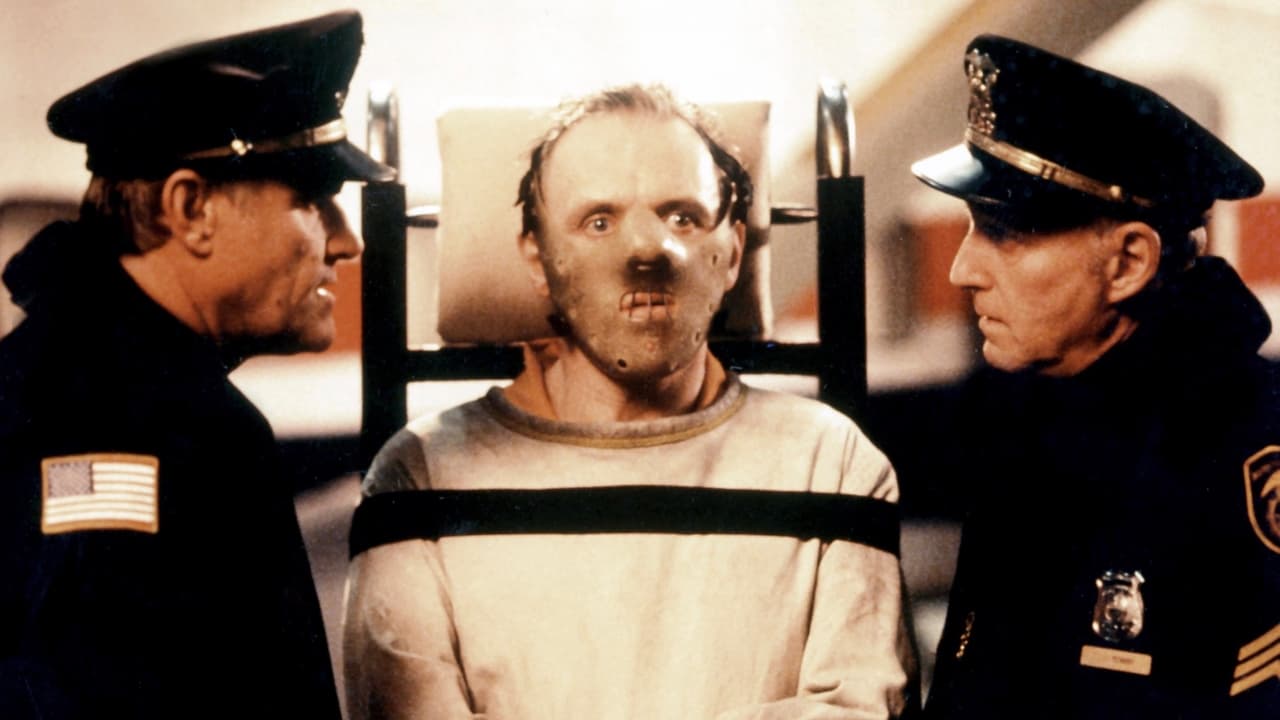
Contrasting Lecter's sophisticated evil is the raw, terrifying pathology of Jame Gumb, aka "Buffalo Bill." Ted Levine delivers a deeply unsettling performance, crafting a killer driven by desperate, horrifying desires. His infamous "Goodbye Horses" dance sequence, reportedly containing improvisational elements from Levine himself, remains one of the most skin-crawling moments in 90s cinema. While the portrayal drew criticism regarding its implications for transgender identity – a complex discussion worth acknowledging – the character serves as a brutal counterpoint to Lecter, representing a different, perhaps more chaotic, facet of human monstrosity. He’s the immediate physical threat Clarice must hunt, while Lecter remains the insidious psychological one.
Echoes in the Dark
The Silence of the Lambs arrived like a thunderclap. It wasn't just a horror movie; it was a critically acclaimed phenomenon, sweeping the top five Academy Awards (Best Picture, Director, Actor, Actress, Adapted Screenplay) – a feat unheard of for its genre. It legitimized the psychological thriller, proving that mainstream audiences and awards bodies could embrace dark, complex, and truly frightening material if crafted with intelligence and artistry. Seeing that worn VHS box on the rental store shelf carried a certain weight, a promise of genuine chills and intellectual engagement. Did any other thriller from that era manage to blend procedural grit with Gothic horror quite so seamlessly?
The film’s power hasn’t diminished. The interplay between Foster and Hopkins remains electrifying, Demme’s direction is pitch-perfect, and Ted Tally’s script is a masterclass in suspense and character study. It tapped into primal fears – of confinement, of being understood by something monstrous, of the darkness lurking beneath civilized surfaces.
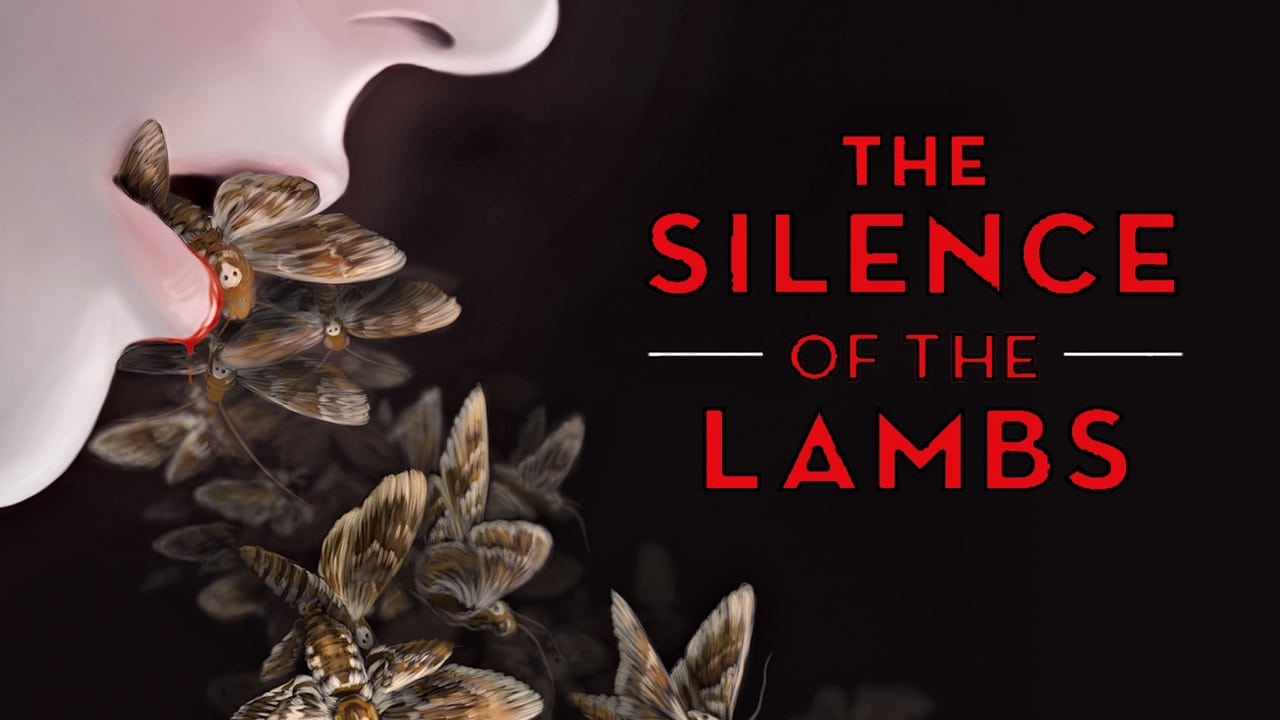
Rating: 10/10
Justification: Achieving near perfection in every category – acting (Foster and Hopkins delivering career-best, iconic performances), direction (Demme's masterful control of tone and tension), script (razor-sharp dialogue, brilliant structure), and atmosphere (suffocating dread, memorable design) – The Silence of the Lambs isn't just a great thriller; it's a landmark cinematic achievement. Its ability to terrify, fascinate, and provoke thought remains undimmed.
It’s more than just a movie; it’s a cultural touchstone, a film that proved horror could be high art, leaving an indelible mark on the genre and remaining eternally, terrifyingly relevant. It still holds you captive, long after the fava beans and Chianti are cleared away.