Forget the grainy monochrome nightmare fuel of its predecessor. Tetsuo II: Body Hammer (1992) slams into your senses with bruised color, a bigger budget, and a ferocity that feels less like experimental arthouse horror and more like a cyberpunk fever dream bleeding onto the streets. This isn't just a sequel; it's a mutation, a different strain of the same metallic virus that director Shinya Tsukamoto first unleashed upon unsuspecting eyeballs. Finding this on a rental store shelf, likely tucked away in the cult or foreign section with its stark, aggressive cover art, promised something unhinged. It didn't disappoint.
### Rage Forged in Steel
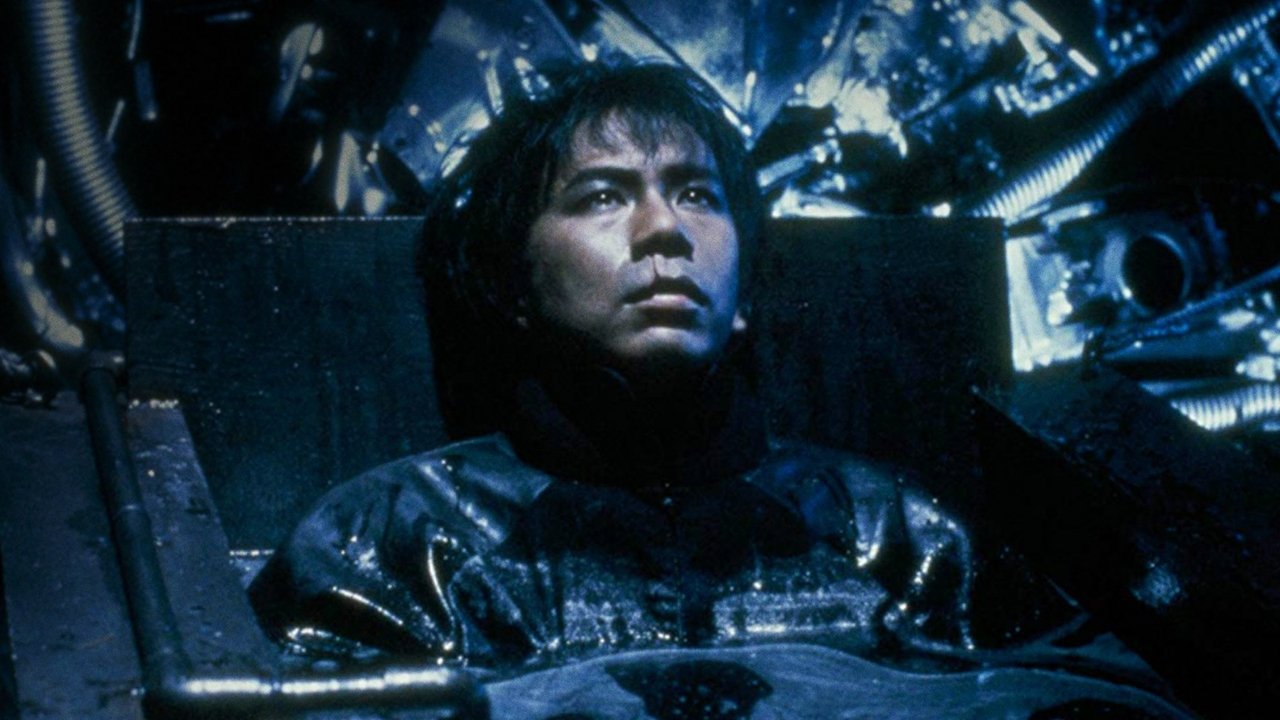
While Tetsuo: The Iron Man (1989) felt like a pure, almost abstract expression of industrial metamorphosis, Body Hammer attempts to graft its body horror onto a more recognizable narrative frame. We follow Taniguchi Tomoo (Tomorô Taguchi, returning from the first film but as a different character), a seemingly ordinary salaryman whose placid life is shattered when his young son is kidnapped by menacing, bald-headed thugs. The extreme stress and suppressed rage trigger something dormant within him, unleashing sporadic, violent transformations where flesh erupts into weaponry. It's a primal scream rendered in metal and gristle, the ultimate metaphor for impotent fury finding a terrifying outlet. Doesn't that sudden eruption of the arm-cannon still feel jarringly brutal?
### A Bigger, Grittier Canvas

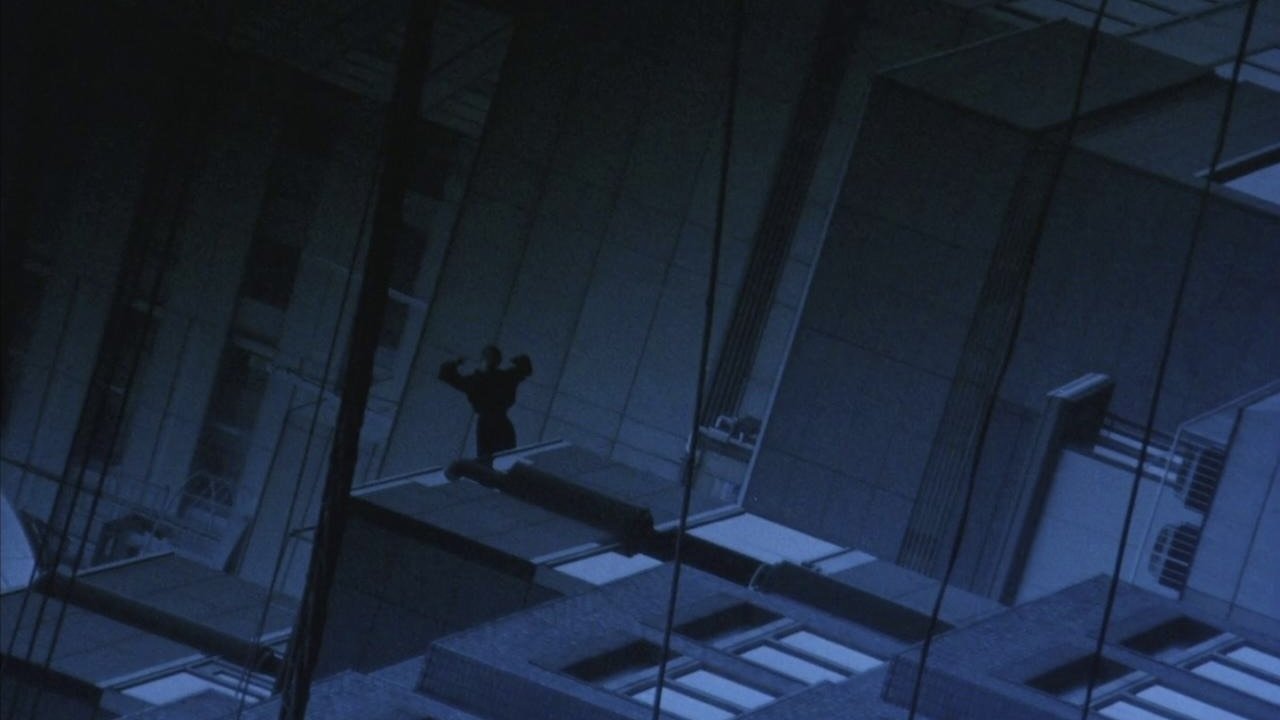
The most immediate difference here is the aesthetic shift. Backed by Toshiba EMI, Tsukamoto had significantly more resources than for his 16mm debut. Shot on 35mm color film, Tetsuo II boasts a richer, albeit still deliberately grimy, visual palette. The claustrophobic intensity remains, but it's now splashed across wider urban decay, abandoned factories, and rain-slicked back alleys. Tsukamoto’s signature hyper-kinetic editing and jarring close-ups are still weaponized to create a sense of relentless assault. The frantic energy feels less like a budgetary necessity (as perhaps argued for the first film) and more like a deliberate stylistic choice to mirror Tomoo's fractured psyche and the chaotic violence erupting around – and from – him. This increased budget apparently didn't mellow Tsukamoto's vision; it just gave him more ammunition.
### The Architect of Nightmares
Shinya Tsukamoto isn't just the director, writer, and editor here; he steps in front of the camera as the chilling antagonist, Yatsu, the seemingly unkillable leader of the skinhead cult responsible for the kidnapping and Tomoo's torment. His lean, intense presence is genuinely unnerving, a physical embodiment of the film's cold, industrial malice. Knowing the director himself is inhabiting this force of destruction adds another layer of unsettling intimacy to the proceedings. He drives the plot (such as it is) forward, revealing a twisted experiment designed to weaponize individuals like Tomoo. Taguchi, for his part, brilliantly conveys the sheer terror and confusion of a man literally losing control of his own body, his everyman features contorting into masks of pain and metallic rage.
### The Grotesque Beauty of Practical Effects
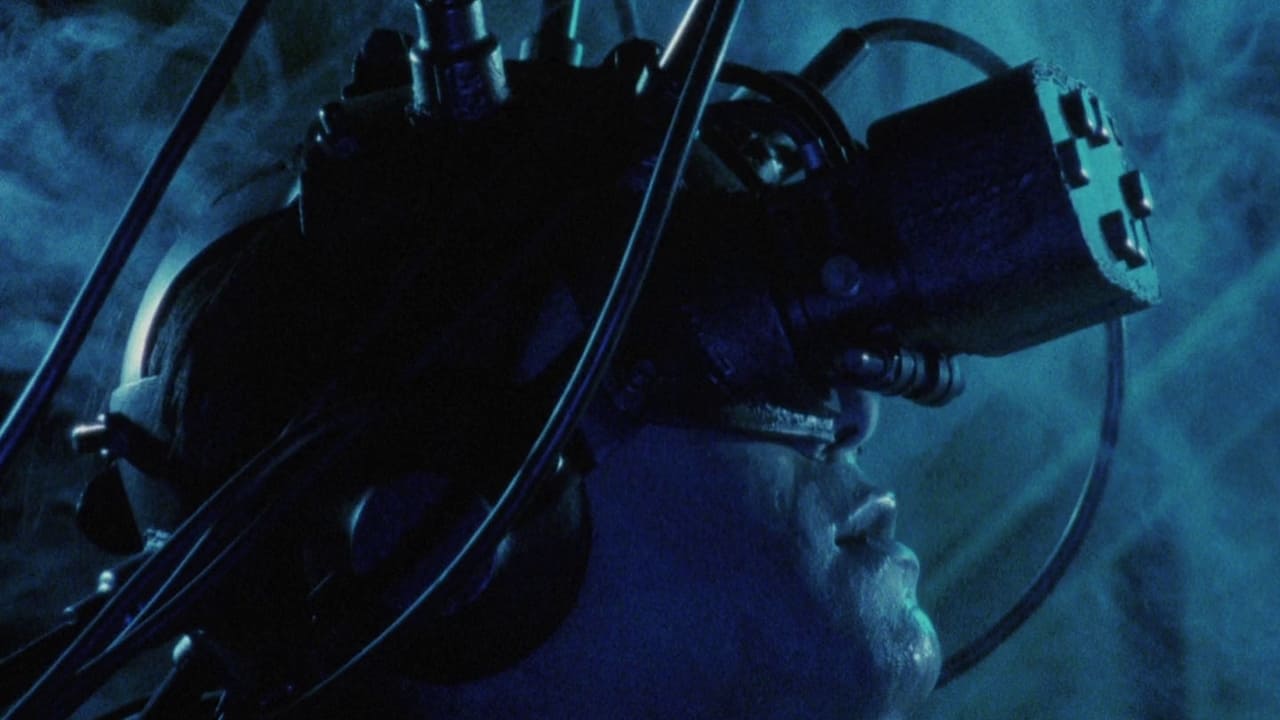
Even with more polish, Tetsuo II retains the franchise's commitment to visceral, Cronenberg-esque practical effects. The transformations are stomach-churning marvels of latex, tubing, and scrap metal. Flesh peels back to reveal whirring mechanisms, limbs contort into cannons, and the final confrontation involves biomechanical monstrosities clashing amidst industrial wreckage. Watching this on a flickering CRT back in the day, these effects felt disturbingly tangible, a far cry from the weightless CGI that would come to dominate later decades. There's a physical heft, a disturbing wetness to the merging of man and machine that lingers. The sheer inventiveness required to bring these metallic mutations to life on set, often through stop-motion and complex puppetry integrated with live action, speaks volumes about Tsukamoto's uncompromising vision.
### Legacy of Industrial Dread
Is Tetsuo II: Body Hammer better than the original? That's often the debate amongst cult film aficionados. It's certainly more accessible, with clearer narrative threads and character motivations. Yet, some argue it loses a degree of the first film's raw, untamed power and shocking originality in the process. It leans more into cyberpunk action tropes, albeit filtered through Tsukamoto's uniquely abrasive lens. It didn't quite achieve the seismic underground impact of Iron Man, but it solidified Tsukamoto's reputation as a fearless cinematic provocateur and remains a potent dose of Japanese cyberpunk extremity. It stands as a fascinating companion piece, exploring similar themes of urban alienation and technological mutation through a slightly different, more colourful, but no less brutal, lens.
***
Rating: 8/10
Tetsuo II: Body Hammer earns its score through sheer audacity, visceral impact, and unforgettable practical effects. While the move towards a more conventional (if still bizarre) narrative slightly dilutes the raw shock of the original for some, the film compensates with stunning, color-drenched visuals, Tsukamoto's relentless energy both behind and in front of the camera, and Tomorô Taguchi's compelling central performance. It’s a furious, visually arresting piece of 90s cyberpunk body horror that perfectly captured the feeling of discovering something truly transgressive on a worn-out VHS tape late at night. It might be slicker, but the rust and rage are still keenly felt.