Okay, let's dim the lights, maybe crack open a beverage, and slide this slightly worn cassette into the VCR. The tracking might need a little adjustment, but tonight on VHS Heaven, we're diving into a film that definitely occupied a specific, often top-shelf, corner of the video rental store: Tinto Brass's Paprika from 1991. If the name Tinto Brass rings a bell, you already know we're not settling in for a quiet night of Merchant Ivory. This is Italian erotic cinema, served up with a unique, often playful, and completely unapologetic style.

Finding a copy of Paprika back in the day felt like discovering a slightly forbidden treasure. It wasn't your standard Hollywood fare; it pulsed with a different energy, a European sensibility about sensuality that was miles away from the often coy or overly dramatic American approach of the time. The film, starring Brass's then-muse Debora Caprioglio, is essentially a retelling of John Cleland's infamous 1748 novel Fanny Hill, cleverly transposed to the bordellos of 1950s Italy. It follows the wide-eyed Mimma who, seeking funds to help her fiancé, enters the world's oldest profession and transforms into the titular Paprika, experiencing a whirlwind journey through various houses of ill repute.
### The Unmistakable Brass Touch
You can't talk about Paprika without talking about Tinto Brass. A controversial figure, certainly, but undeniably a filmmaker with a distinct vision. Forget subtle suggestion; Brass is all about direct, often voyeuristic, visual storytelling. His camera famously lingers, often focusing with an almost comedic obsession on the female posterior – a trademark that’s as much a part of his signature as Hitchcock's cameos were to his. Working here with screenwriter Bernardino Zapponi, known for his collaborations with the legendary Federico Fellini (think Satyricon or Roma), there's an episodic, almost carnivalesque feel to Paprika's journey. It’s less a gritty exposé and more a series of vibrant, erotically charged vignettes.
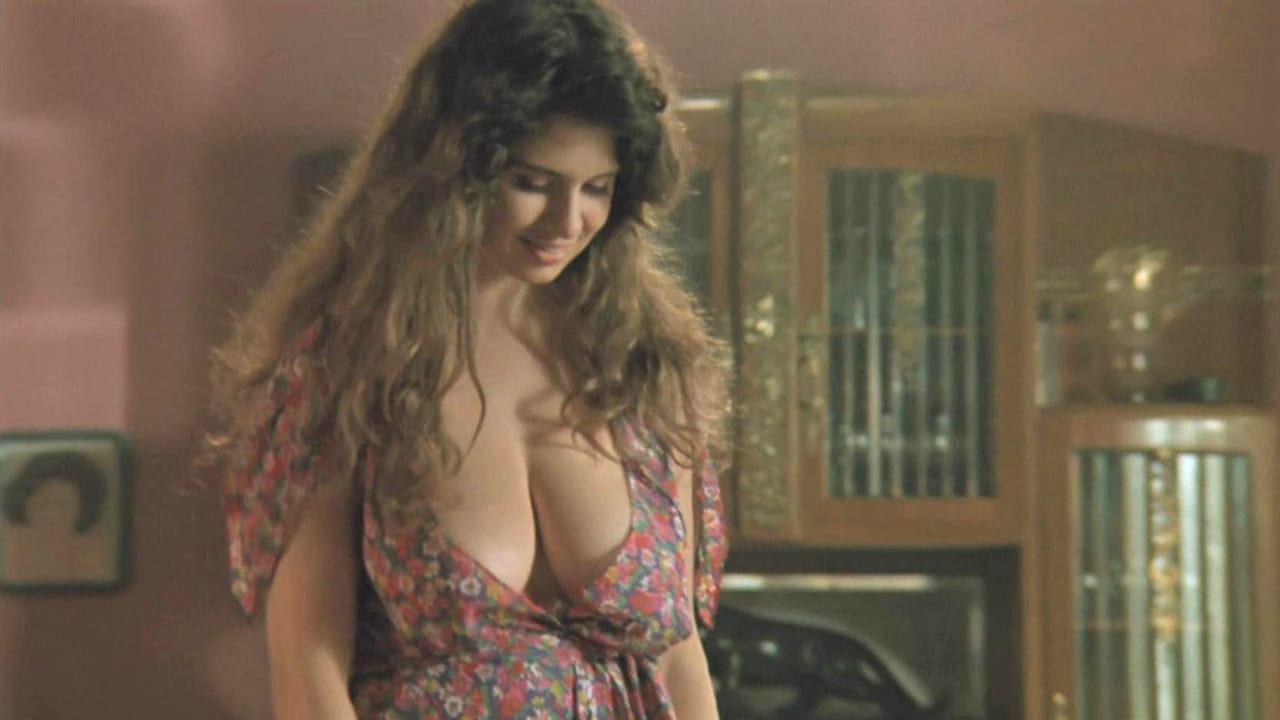
One fascinating tidbit is how Brass often operated. He was known for encouraging improvisation and capturing spontaneous moments, giving his films a sometimes raw, unpredictable energy despite their often carefully composed shots. This wasn't sterile filmmaking; it felt alive, sometimes messy, but always dynamic. The practical 'effects' here aren't explosions, but the sheer, unvarnished presentation of the human form and sensuality, captured on film without digital smoothing or coy cutaways. It feels very of its time, direct and unashamed in a way that’s quite different from today's landscape.
### A Star is Born (Again)
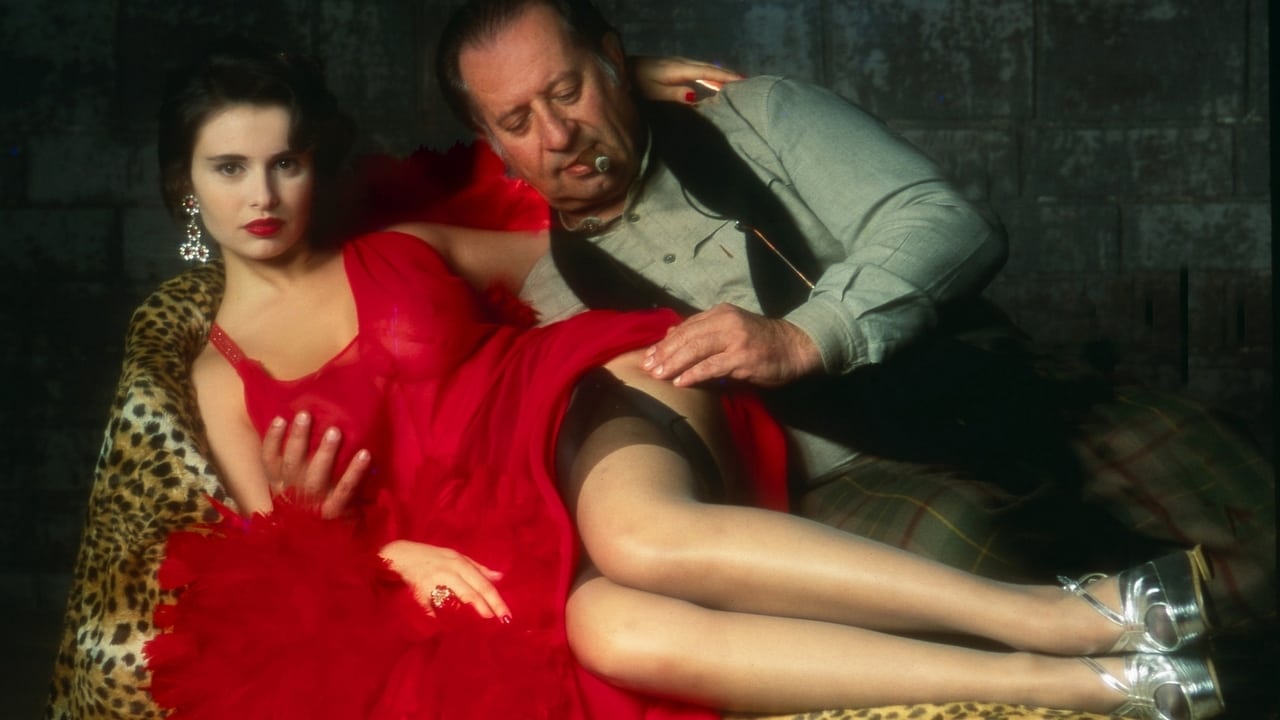
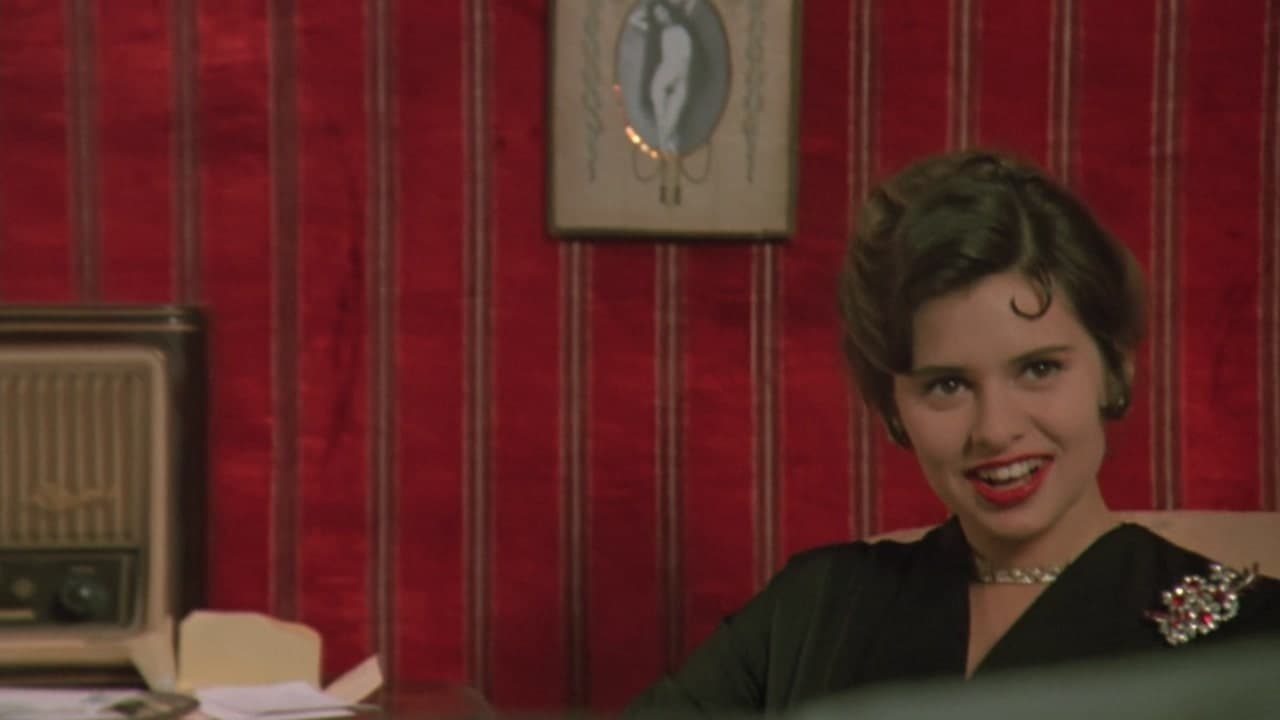
At the heart of it all is Debora Caprioglio. Plucked from relative obscurity by Brass (reportedly after he saw her photo), she throws herself into the role of Mimma/Paprika with gusto. It's a demanding role, requiring her to navigate innocence, burgeoning sexuality, calculation, and vulnerability, often within the same scene. She possesses a screen presence that’s both classically beautiful and strikingly modern for the early 90s. Her chemistry with Brass clearly translated onto the screen, making her the undeniable focal point around which the film’s colourful, sometimes chaotic, world revolves. While the supporting cast, including Stéphane Ferrara as her initial love interest, fill out the world, it's Caprioglio's journey that holds our attention.
### That VHS Glow
Watching Paprika on VHS adds another layer. The slightly fuzzy picture, the vibrant but perhaps not perfectly crisp colours – it somehow enhances the film's dreamlike, nostalgic quality (even though it's set in the 50s, it feels intensely early 90s in its execution). Remember how certain films just felt different watched late at night on a CRT? Paprika has that quality. It’s a film whose reputation perhaps preceded it, whispered about more than openly discussed in some circles. This wasn't a blockbuster, but it found its audience, particularly in Europe where Brass's work was well-known and often commercially successful within its specific niche. It likely caused a few raised eyebrows among critics but was a hit with audiences seeking its particular brand of spice.
The production design does a decent job evoking post-war Italy, with the interiors of the various brothels providing distinct backdrops for Paprika's adventures. The costumes, too, play a key role, charting Mimma's transformation. And the music often has that jaunty, slightly melancholic European flavour that underscores the film's bittersweet journey through pleasure and experience.
### The Verdict
Paprika is undeniably a Tinto Brass film, through and through. If you're looking for subtle character studies or complex plotting, look elsewhere. This is a visually driven, sensual picaresque powered by a captivating central performance and the director's unique, unwavering gaze. It’s a film that’s explicit but often surprisingly playful, more interested in the textures and surfaces of its world than in deep psychological dives. It's a fascinating time capsule of early 90s European erotic filmmaking, before the internet changed the landscape entirely.
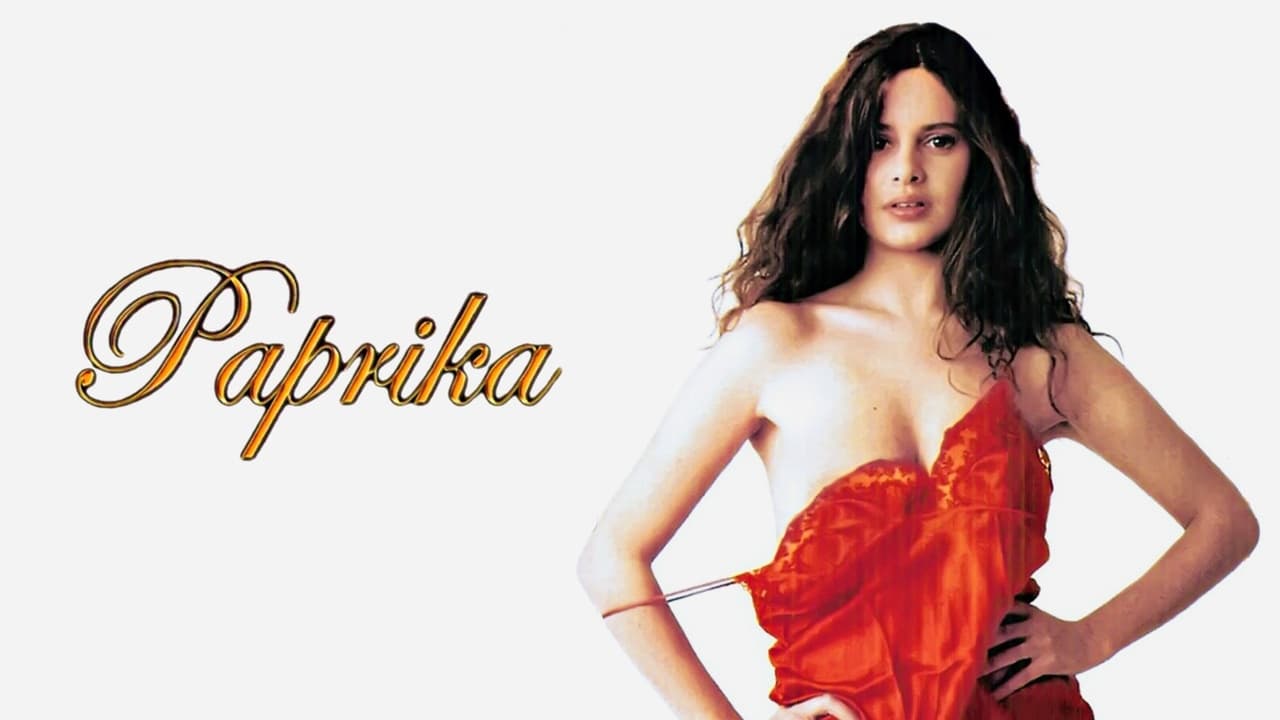
VHS Heaven Rating: 6/10
Justification: The rating reflects the film's niche appeal and its success within that specific genre, anchored by Debora Caprioglio's performance and Tinto Brass's distinctive style. It's well-crafted for what it is, capturing a specific time and sensibility. However, its episodic nature can feel repetitive, and the relentless focus on sensuality might not resonate with everyone. It's a strong '6' for fans of Euro-cult or erotic cinema history, likely lower for general audiences.
Final Thought: Paprika is a prime example of that special kind of film you might have discreetly slid across the counter back in the day – a slice of bold, unapologetic European sensuality that feels both dated and curiously refreshing viewed through the warm, fuzzy glow of VHS nostalgia.