Alright, fellow tapeheads, grab your popcorn and adjust the tracking because we're diving headfirst into a neon-soaked, punk-infused slice of pure 80s rebellion: Tom DeSimone's unforgettable 1986 opus, Reform School Girls. Forget subtle; this movie grabs you by the collar, spits in your eye, and dares you not to have a ridiculously good time. If you ever stumbled across this gem on a dusty video store shelf, tucked between the predictable action flicks and slasher sequels, you know you found something… different.
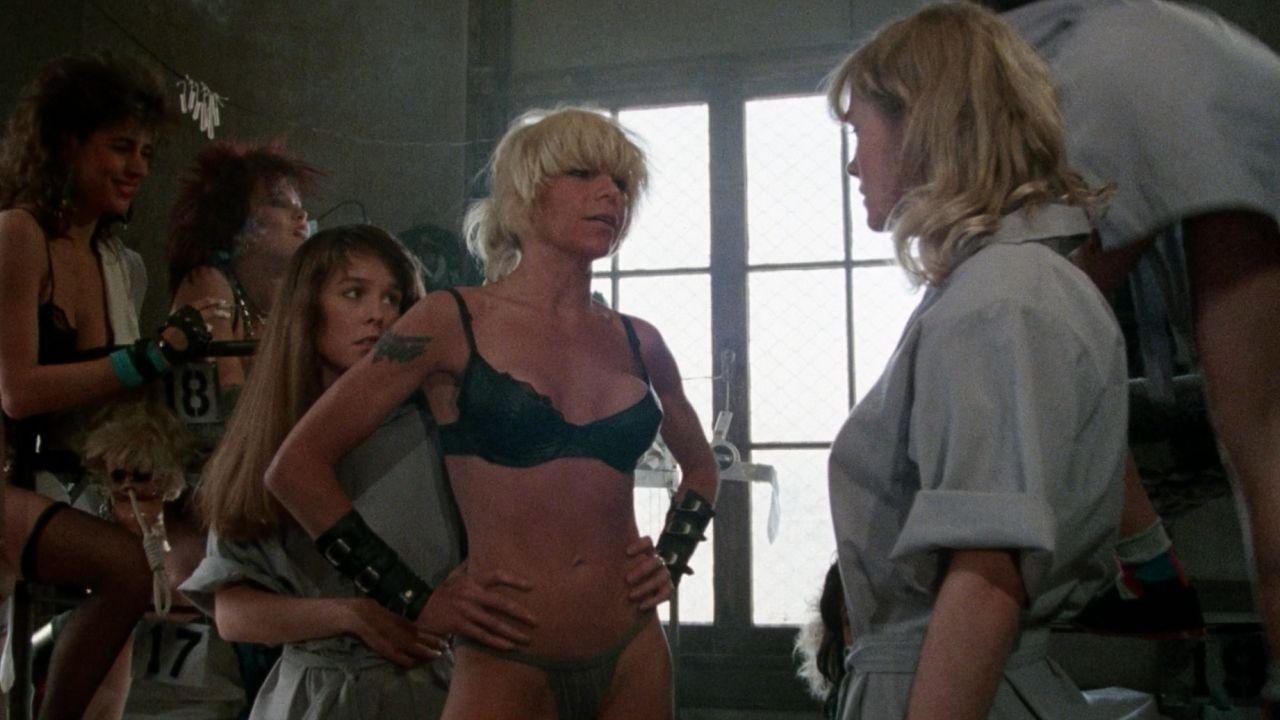
This wasn't your standard gritty women-in-prison (WIP) flick, though it gleefully wears the genre's tropes like ripped fishnets. No, Reform School Girls cranked everything up to eleven, injecting a potent dose of punk rock anarchy and deliberate, glorious camp. It’s less Caged Heat (1974) and more like John Waters decided to direct a musical behind bars, armed with hairspray and a sneer.
### Welcome to Pridemore: Where Subtlety Goes to Die
The setup is classic exploitation fodder: innocent Jenny (played with wide-eyed bewilderment by Linda Carol) gets framed and tossed into the Pridemore Juvenile Facility, a hellhole lorded over by the sadistic Warden Sutter, brought to life with scenery-chewing perfection by the legendary B-movie queen Sybil Danning. Danning, never one to shy away from a larger-than-life role, leans hard into the villainy here, strutting around in severe outfits, wielding a riding crop, and barking orders. She’s paired with the equally imposing Edna (Pat Ast, a Warhol superstar who brought a unique presence), Sutter's brutish head guard who takes perverse pleasure in tormenting the inmates.

But the real spark, the chaotic heart of Pridemore, is Charlie (Wendy O. Williams). Yes, that Wendy O. Williams, the mohawked, chainsaw-wielding banshee frontwoman of the Plasmatics. Seeing her here, basically playing an extension of her punk icon persona, is electrifying. Williams reportedly performed her own stunts, and you absolutely believe it watching her brawl, swagger, and lead the inevitable riot. Her casting wasn't just stunt casting; it defined the movie's defiant, anti-authoritarian spirit. It’s hard to imagine anyone else embodying that raw, untamed energy.
### Punk Rock Riot Grrrls vs. The Man
Director Tom DeSimone, who already gave us cult favourites like the quirky Chatterbox! (1977) and the effective slasher Hell Night (1981), clearly understood the assignment. He wasn’t aiming for gritty realism; he was crafting a satire, a loving send-up of the very genre he was working in. The film revels in its own absurdity, from the ridiculously staged catfights (often involving food or mud, naturally) to the impromptu musical numbers that feel like they burst straight out of a punk rock fever dream. Remember the shower scene turning into a full-blown song-and-dance routine? Pure, unadulterated 80s madness.
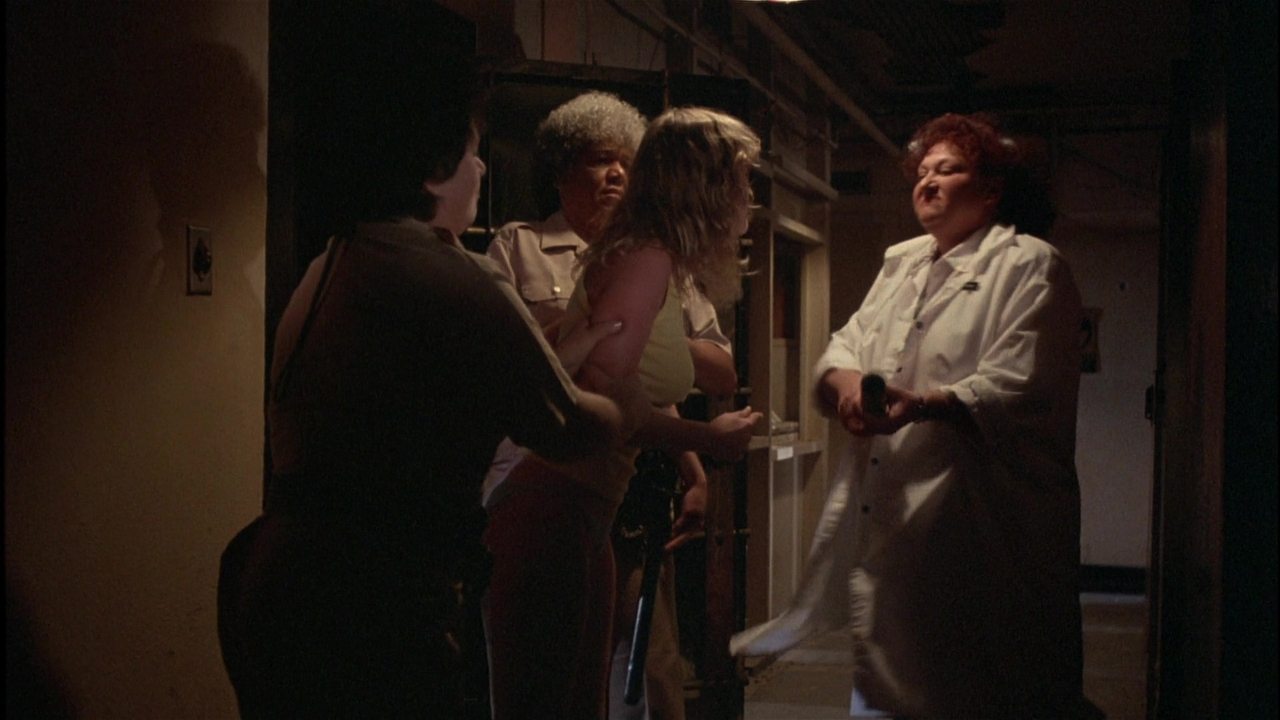
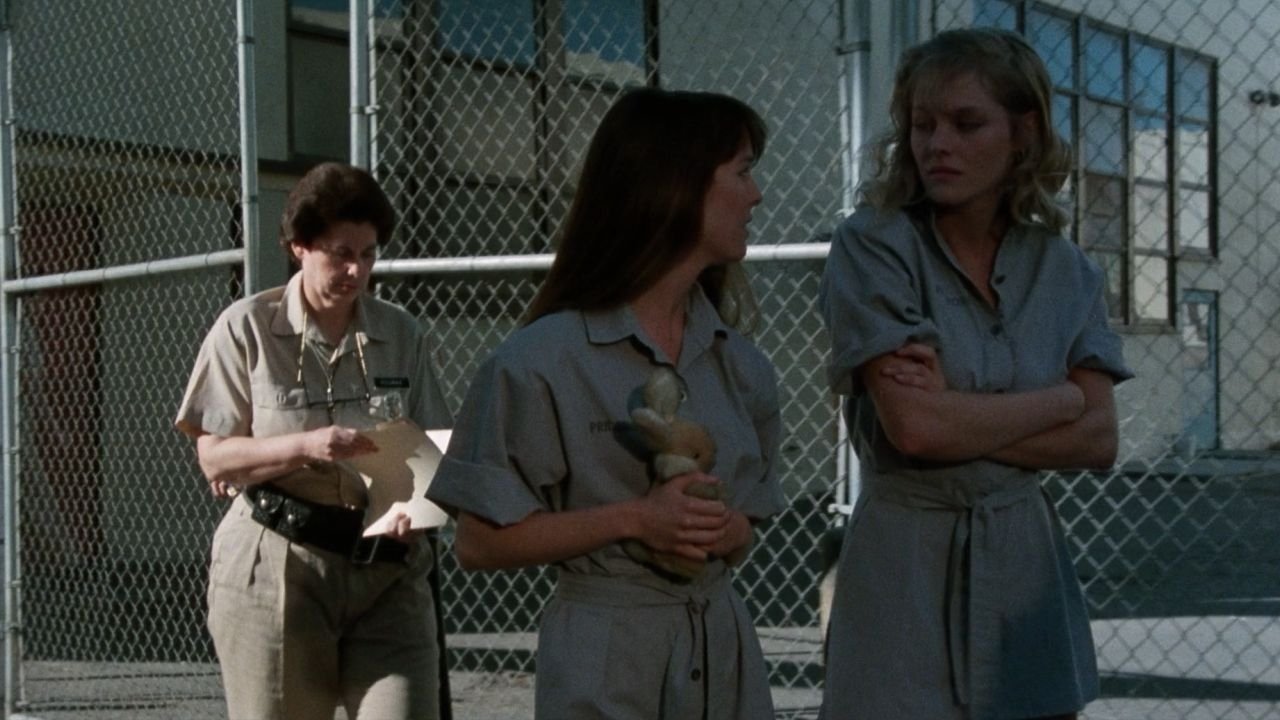
The production, shot on a shoestring budget (reportedly around $1 million) in an actual abandoned correctional facility in California, uses its limitations to its advantage. The grimy setting feels appropriately oppressive, contrasting sharply with the vibrant punk aesthetic of the inmates. There aren't massive explosions or complex car chases here; the "action" is raw, scrappy, and personal. The fights feel less choreographed and more like actual desperate flailing – there's a messy energy to them that feels authentic to the low-budget, high-attitude vibe. Forget CGI; the impact here comes from sheer punk rock will and maybe a strategically thrown tray of cafeteria slop.
### More Than Just Exploitation?
Okay, let's be real: Reform School Girls is loud, lewd, and proudly unsubtle. It ticks all the WIP boxes – shower scenes, corrupt guards, solitary confinement, inmate rivalries, the hope of escape. But its knowing wink and punk soundtrack elevate it beyond mere titillation. The film uses the exploitation framework to celebrate rebellion and female solidarity, albeit in the most outrageous way possible. It’s surprisingly funny, often intentionally so, playing the melodrama and the violence for maximum camp effect.
Critics at the time? Mostly hated it, dismissing it as crude trash. But audiences, especially those digging through video store aisles for something offbeat, found a cult classic in the making. It captured a specific moment in the mid-80s where punk's raw energy collided with B-movie aesthetics, resulting in something uniquely memorable. It even spawned a soundtrack featuring artists like Etta James alongside lesser-known new wave and rock acts, further cementing its cult status.
Retro Fun Fact: The producers initially wanted the band The Runaways to be involved years earlier, but that iteration never got off the ground. Landing Wendy O. Williams provided the perfect anchor for DeSimone's updated, punk-fueled vision.
### The Final Verdict
Reform School Girls isn't high art, and it was never meant to be. It's a blast of anarchic energy, a middle finger to authority wrapped in a colourful, campy package. It’s excessive, ridiculous, and features performances that range from genuinely committed (Williams, Ast) to gloriously over-the-top (Danning). If you appreciate punk rock, cult cinema, and movies that absolutely revel in their own outrageousness, this is pure gold.

Rating: 7/10
Justification: While undeniably crude and low-budget, the film's sheer audacity, killer punk attitude led by Wendy O. Williams, purposeful camp satire, and memorable villainy from Sybil Danning make it a standout cult classic. It achieves exactly what it sets out to do, even if that goal is gloriously trashy fun. Its energy and unique blend of genres earn it solid marks within the realm of unforgettable VHS finds.
Final Thought: This is the kind of movie that practically buzzes with rebellious static on your old CRT – a gloriously defiant artifact of the VHS era that proves sometimes, bad taste executed with punk rock conviction is the best taste of all. Go on, break the rules and watch it again.