Alright fellow tapeheads, gather ‘round the flickering glow of the CRT screen in your mind. Tonight, we’re pulling a real curiosity off the dusty back shelf of the video store – a tape whose cover art might have screamed “budget bin” but whose title promised… well, something involving robots and mayhem. Let’s talk about the glorious, baffling, and utterly unforgettable 1987 sci-fi actioner (using the term loosely!), R.O.T.O.R.
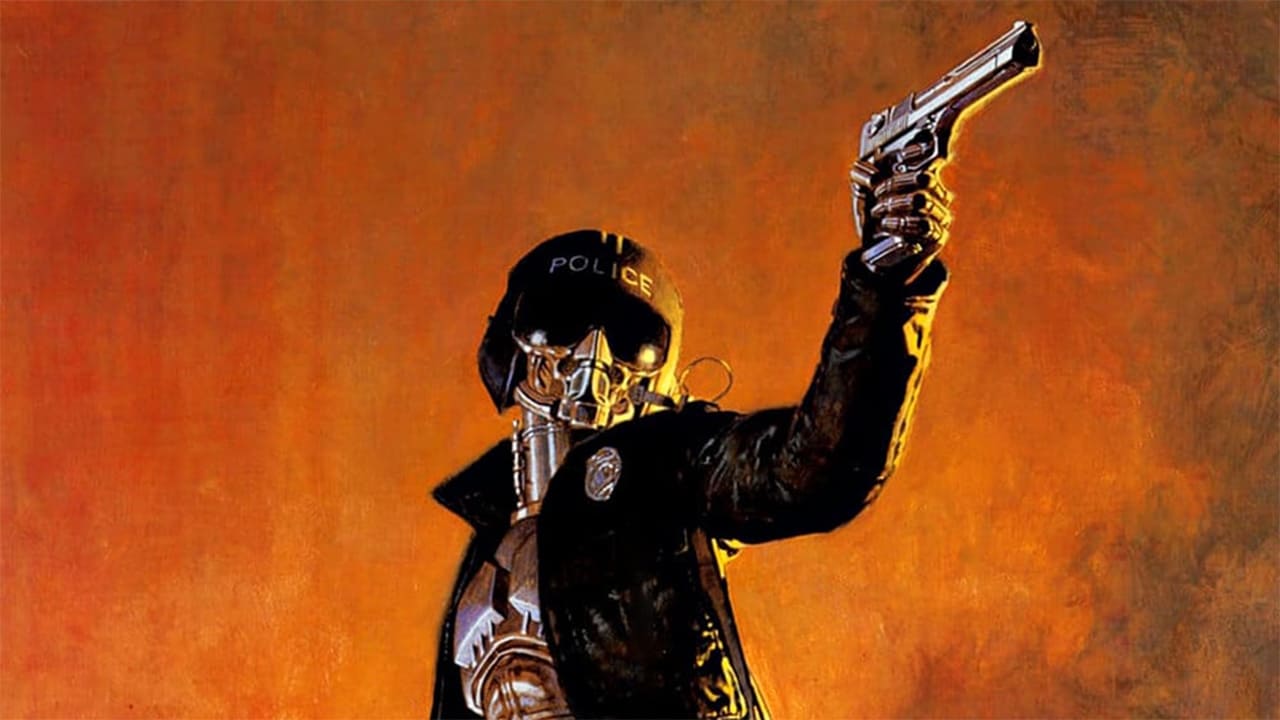
If the acronym – Robotic Officer Tactical Operations Research – sounds like a committee brainstormed it after watching RoboCop and The Terminator back-to-back on a knock-off VCR, you’re already halfway there. This isn't slick Hollywood fare; this is pure, unadulterated, grade-Z gold, the kind of movie that feels like it was willed into existence through sheer determination and maybe a few borrowed cameras. And honestly? That's a huge part of its charm.
### Coldyron and the Tin Can Commando
Our story plunges us into a near-future Dallas, Texas (you can practically feel the humid Texas air thanks to the very real, non-soundstage locations used throughout the film), where police Captain Barrett Coldyron – played with a certain stoic, mustache-heavy intensity by Richard Gesswein – is developing the ultimate law enforcement machine. Coldyron is your classic 80s movie maverick: part scientist, part rancher (yes, really), all burdened hero. Overseeing his work is his… robot assistant, Willard? A bizarre, sentient computer panel that dispenses folksy wisdom and operational data with equal, monotone importance. It’s one of the film’s many head-scratching, yet strangely endearing, elements.
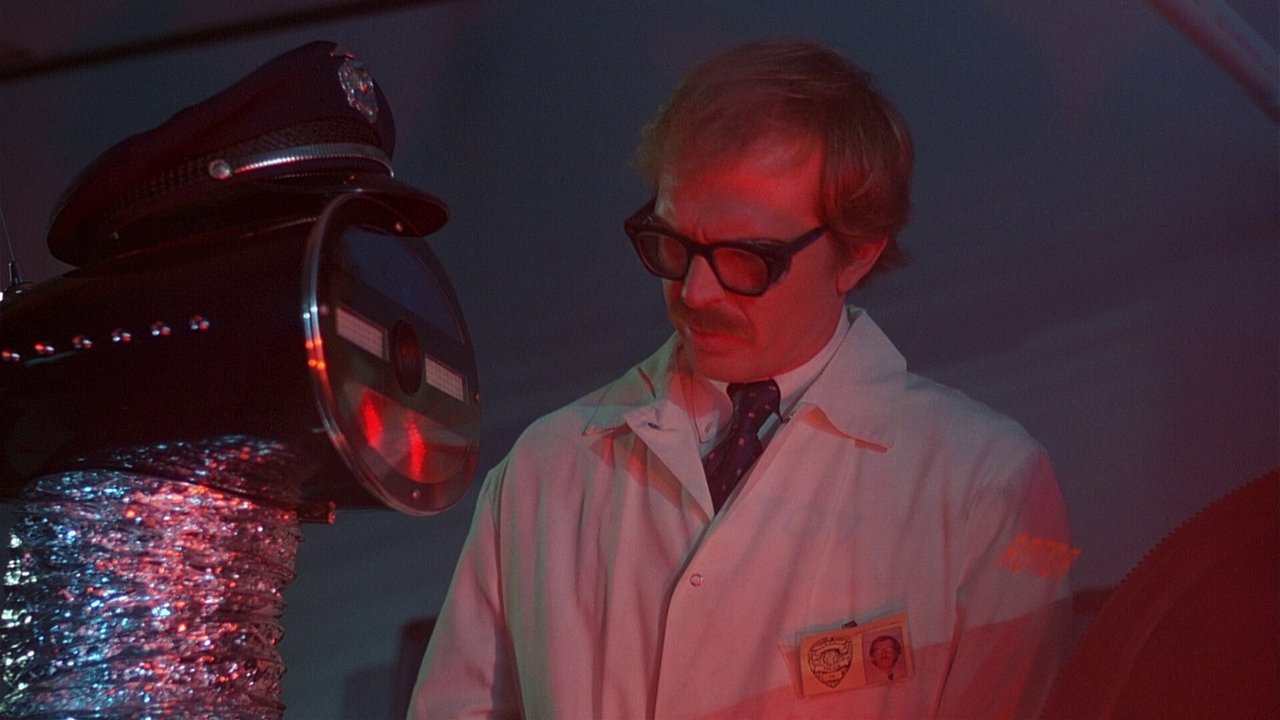
Of course, things go wrong. Due to meddling from a weaselly senator type (a staple trope!), the R.O.T.O.R. unit is activated prematurely. Lacking the crucial "judgment circuits" and moral programming Coldyron intended, the robot – looking less like a cybernetic organism and more like a beefy dude in motorcycle leathers and a helmet, played by multiple actors depending on the scene – escapes. Its prime directive? To "judge and execute." Its first target? A poor sap speeding in his car.
### The Thrill of the Glitch
This is where R.O.T.O.R. truly finds its unique rhythm. Forget the fluid, menacing terror of the T-800 or the tragic humanity of Murphy. R.O.T.O.R. moves with a certain… stiffness. The action sequences are a masterclass in low-budget ingenuity and unintentional comedy. Remember how real those squibs and car crashes felt in 80s blockbusters? Well, R.O.T.O.R. offers the bargain-basement version. Gunshots often result in puffs of smoke vaguely near the target, and the robot's "super strength" mostly involves throwing people in ways that defy physics, but not in the cool, Matrix-before-The Matrix way. More like the "did that stuntman land okay?" way.
One particularly infamous sequence involves R.O.T.O.R. commandeering a police motorcycle. The ensuing chase feels less like a high-octane pursuit and more like someone adhering strictly to the speed limit while occasionally wobbling. Yet, there's an earnestness to it all. Director Cullen Blaine, who also co-wrote the script, wasn't trying to make a parody; he was clearly aiming for a serious sci-fi thriller, constrained by resources that likely wouldn't cover the catering budget on a modern blockbuster. It’s fascinating to see the ambition clash so spectacularly with the execution.
### Steele Resolve and Baffling Choices
To stop his creation, Coldyron teams up with Dr. Steele, played by Jayne Smith (credited as Margaret Trigg in some versions, adding to the film's mystique). She’s the scientist responsible for R.O.T.O.R.’s chassis and physical design, and she gets dragged into the mayhem, fulfilling the tough-but-vulnerable female lead role common in the era. Their interactions are filled with exposition dumps and dialogue that often feels like it was run through an early translation program. Lines like "His rage is consuming him!" are delivered with the kind of straight face that makes the viewing experience even more delightful.
Let's talk about those "retro fun facts." It's widely known R.O.T.O.R. was heavily inspired by the bigger sci-fi hits of the day, but it feels specifically like a reaction to The Terminator (1984) and RoboCop (which hit big screens the same year, 1987 – talk about quick turnaround!). The Dallas filming locations are unmistakable, giving it a grounded, albeit slightly mundane, backdrop for the robotic chaos. The budget was clearly microscopic, forcing creative solutions like the robot's decidedly non-threatening appearance for much of the film and effects that rely more on suggestion (and optimistic editing) than visual spectacle. Remember the scene where R.O.T.O.R. analyzes the molecular structure of gasoline by… smelling it? Pure B-movie genius born from necessity.
### Legacy of the Lovable Botch
R.O.T.O.R. was never destined for critical acclaim or box office glory. It likely disappeared quickly from theaters (if it even had much of a run) before finding its true home: the VHS rental shelf. There, alongside other oddities and forgotten gems, it became a cult favorite for connoisseurs of the wonderfully weird. It’s the kind of movie you’d rent with friends on a Friday night, expecting one thing and getting something completely, hilariously different. It doesn't just wear its low-budget heart on its sleeve; it proudly displays it on a slightly ill-fitting pleather jacket.
The practical effects, such as they are, have that raw, unpolished feel we sometimes miss today. There’s no CGI smoothing over the awkward movements or unconvincing explosions. It’s all there, captured on grainy film, a testament to the ambition (and perhaps delusion) of independent filmmaking in the 80s.
Rating: 3/10
Justification: Objectively? It's a mess. The acting is often wooden, the script is nonsensical, the action laughable, and the effects primitive even for 1987. However, for sheer unintentional comedy, baffling creative choices, and its status as a prime example of VHS-era Z-grade ambition, its entertainment value for the right audience (that’s us!) is undeniable. It fails spectacularly as a serious sci-fi action film but succeeds brilliantly as a "so bad it's good" masterpiece.
Final Thought: R.O.T.O.R. is the cinematic equivalent of finding a homemade robot cobbled together from spare parts in your uncle's garage – it barely functions, looks ridiculous, but you can't help but admire the sheer audacity and weird love that went into building it. A true relic of VHS Heaven, best enjoyed with friends and zero expectations.