Here we go, sliding another well-loved cassette into the VCR – but this time, it's not the usual pulse-pounding action or creature feature. No, this tape promises something different, something vast and mind-bending captured on magnetic tape: Errol Morris's 1991 documentary adaptation of A Brief History of Time. How does one even begin to translate the immensity of cosmology, the enigma of black holes, and the very fabric of spacetime onto a standard-definition screen, centered around a man whose physical presence was as unique as his intellect? It felt like an audacious undertaking then, and revisiting it now, the film retains a quiet power that transcends the hum of the VCR.
### Beyond the Equations
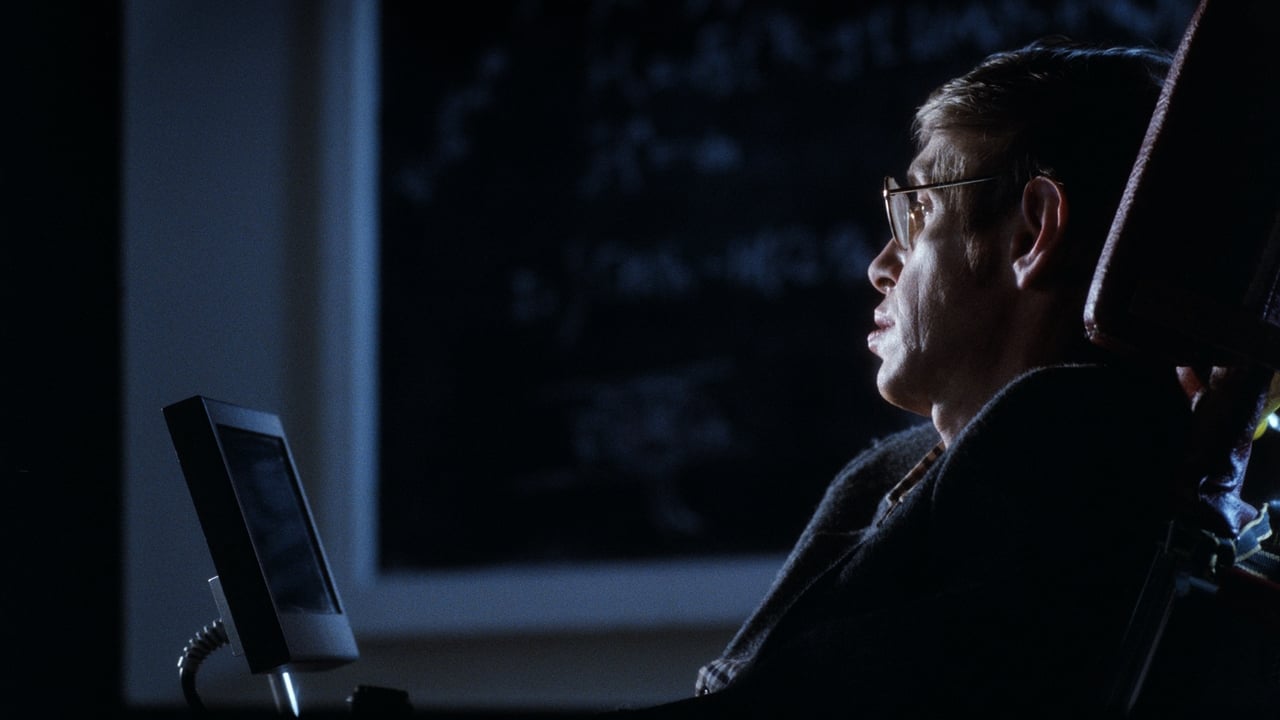
What strikes you immediately is that this isn't merely a visual Cliff's Notes of Stephen Hawking's bestseller. Morris, already renowned for his penetrating interview style thanks to films like The Thin Blue Line (1988), understood that the human element was inseparable from the cosmic quest. This film is as much a portrait of Hawking – the man, the son, the colleague, the wit – as it is an exploration of his groundbreaking theories. Through interviews with his mother, Isobel, his colleagues, and former students, we get a mosaic of perspectives that build a picture far richer than just the famous physicist in the chair.
Morris employed his signature "Interrotron" device for these interviews, a clever setup involving teleprompters that allowed the subjects to look directly into the camera lens while seeing Morris's face, creating an uncanny sense of direct address to the viewer. It pulls you in, making these conversations feel remarkably intimate, even when discussing concepts that stretch the limits of human comprehension. It’s a technique that turns potentially dry exposition into engaging personal reflection. Hearing Hawking’s mother recall his childhood determination, or colleagues describe his flashes of insight, grounds the theoretical physics in relatable human experience.
### Visualizing the Unseen
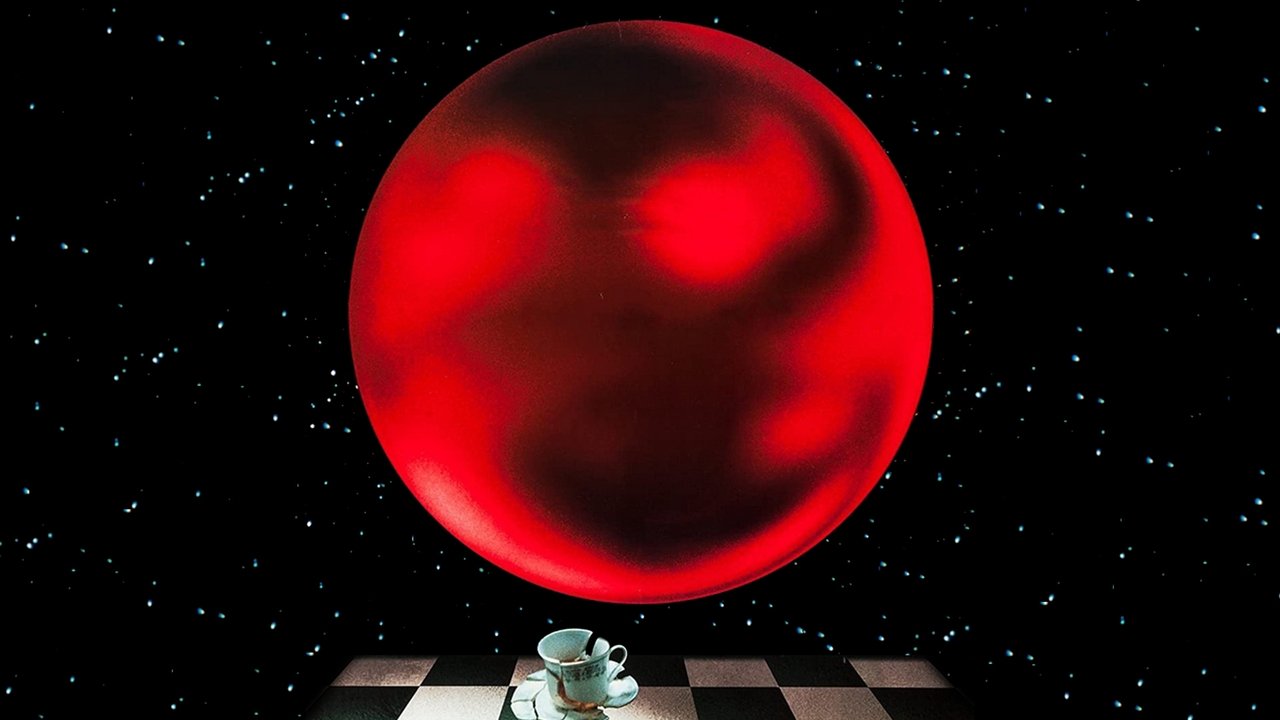
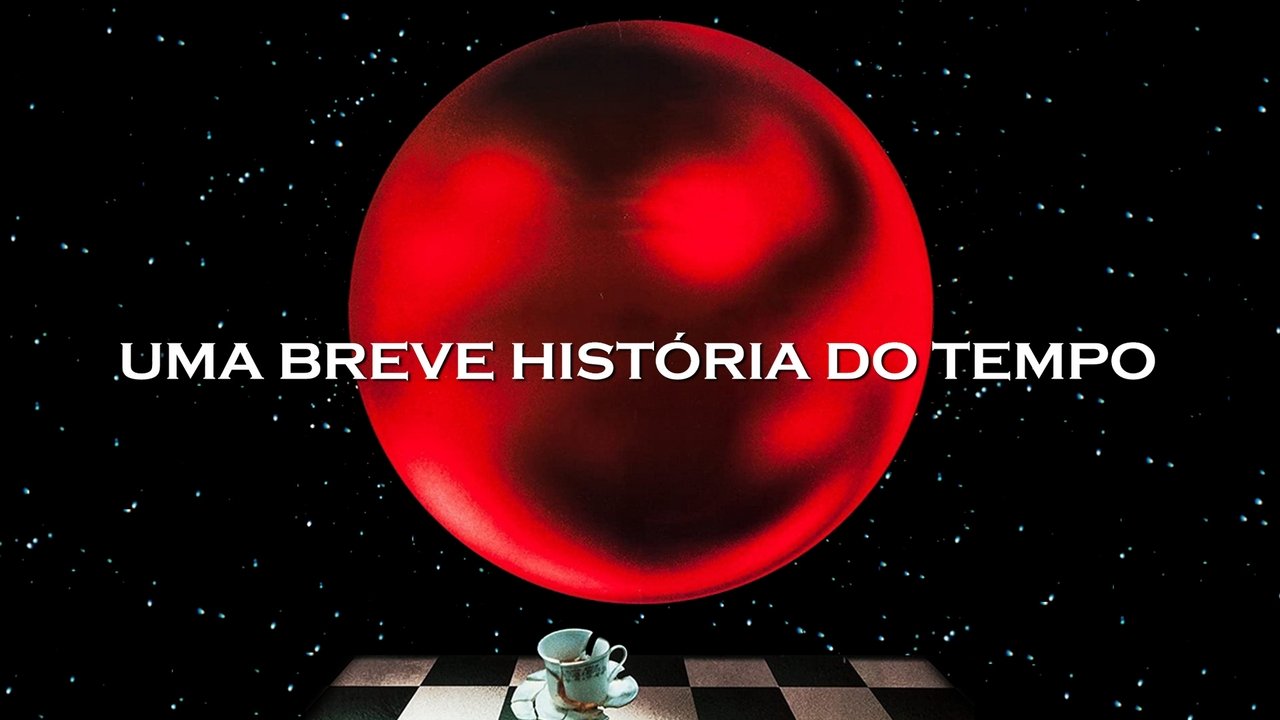
Of course, the challenge remained: how do you show the Big Bang, or the hypothetical journey into a black hole? Morris doesn't rely solely on graphics (though the early 90s CGI, quaint by today's standards, possesses a certain retro charm). He uses metaphors, archival footage, and cleverly staged vignettes. The visual language often feels playful yet profound – a ticking clock, a swirling cup of tea, imagery that attempts to give form to the formless.
One fascinating tidbit is how Morris wrestled with representing Hawking himself. Initially, there was reportedly some friction, as Hawking perhaps expected a more straightforward science lecture, while Morris aimed for his distinctive blend of stylized visuals and deep-dive interviews. The compromise resulted in a film that feels uniquely Morris, yet undeniably centered on Hawking. The film cost around $3.5 million to make, a significant sum for a documentary at the time, reflecting the ambition of visualizing such complex ideas.
The sonic landscape is just as crucial. The score by Philip Glass, with its minimalist, repetitive, yet evolving structures, perfectly complements the film's themes. It evokes a sense of cosmic scale, the relentless march of time, and the intellectual pursuit of understanding the universe's grand patterns. It's a score that lodges itself in your memory, becoming inextricably linked with the film's contemplative mood.
### The Man Who Knew Infinity (Almost)
And then there is Stephen Hawking himself. Though his physical movements were severely limited by ALS, his presence dominates the film. Communicating through his famous speech-generating device, his synthesized voice delivers complex ideas with clarity and, often, a surprising dryness of wit. There's an undeniable power in watching him navigate the world and the cosmos simultaneously. Morris captures small moments – a subtle expression, the intensity in his eyes – that speak volumes. It's not acting, obviously, but it's a performance of intellect and resilience that is profoundly moving.
The film doesn’t shy away from the personal costs, the immense challenges Hawking faced. Yet, it avoids sentimentality. It presents his life and work with respect and intellectual rigor, allowing the audience to appreciate the scale of his contributions precisely because we understand the context of his existence. Did watching this film back in the day make you feel smarter, even if half the concepts flew over your head? I remember rewinding certain sections on the VHS, trying to wrap my brain around concepts like event horizons, feeling a mix of frustration and exhilaration.
### Lasting Resonance
A Brief History of Time wasn't just another documentary; it was an event. It brought complex science into popular consciousness in a way few films had before, further cementing Hawking as a global icon. It demonstrated that documentaries could be cinematic, visually inventive, and deeply personal, paving the way for future explorations of science and biography on screen. It skillfully balances the enormity of the universe with the intimacy of a single, extraordinary human life.
Rating: 9/10
This rating reflects the film's masterful blend of complex scientific ideas with a deeply human portrait, achieved through Errol Morris's innovative directorial style and Philip Glass's iconic score. It succeeds remarkably in making the vast and theoretical feel accessible and deeply personal, anchored by the unforgettable presence of Stephen Hawking. While the scientific concepts remain challenging, the film's artistry and emotional resonance are undeniable. It might lose a point simply because the sheer density of the physics can still feel overwhelming, even with Morris's skillful interpretation, but its achievement is monumental.
It remains a film that prompts reflection long after the tape stops rolling – a reminder of the boundless curiosity of the human mind confronting the infinite mysteries of the cosmos, all contained within one humble plastic rectangle we slid into our machines.