Mr. Death: The Rise and Fall of Fred A. Leuchter, Jr.
It starts not with a bang, but with a peculiar sort of methodical earnestness. We meet a man obsessed with the mechanics of death, specifically the state-sanctioned kind. What unfolds in Errol Morris's deeply unsettling 1999 documentary, Mr. Death: The Rise and Fall of Fred A. Leuchter, Jr., is a journey into a mind where technical proficiency curdles into something far more sinister. How does a man who believes he's improving execution methods end up lending his "expertise" to Holocaust deniers? That question hangs heavy in the air long after the tape clicks off.
The Engineer of Endings
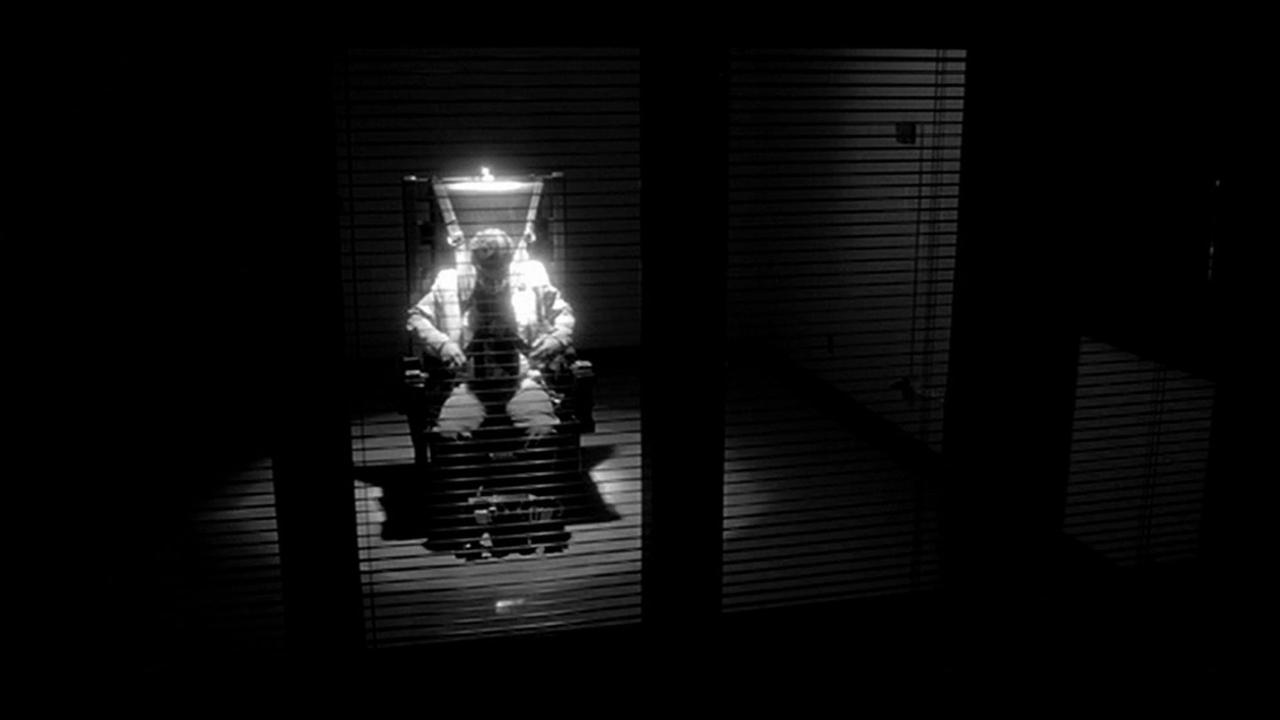
Fred A. Leuchter, Jr. presents himself initially as a dedicated, almost fussy, engineer. He tinkers with electric chairs, consults on lethal injection machines, and even designs gas chambers for state penitentiaries, all with the stated goal of making executions more "humane." Morris, employing his signature Interrotron device—that unsettling camera setup allowing the subject to look directly at both Morris and the audience—lets Leuchter speak. And speak he does, with a chilling lack of affect, detailing wiring diagrams and chemical compositions as if discussing plumbing fixtures. There's an undeniable competence, or at least a performance of competence, in his descriptions of these grim apparatuses. He seems genuinely convinced of his own expertise, a conviction that becomes the bedrock of his later downfall. I remember finding this documentary tucked away in the 'Special Interest' section of the video store, a stark white cover promising something far more complex than the usual action fare, and it certainly delivered.
A Fateful Commission
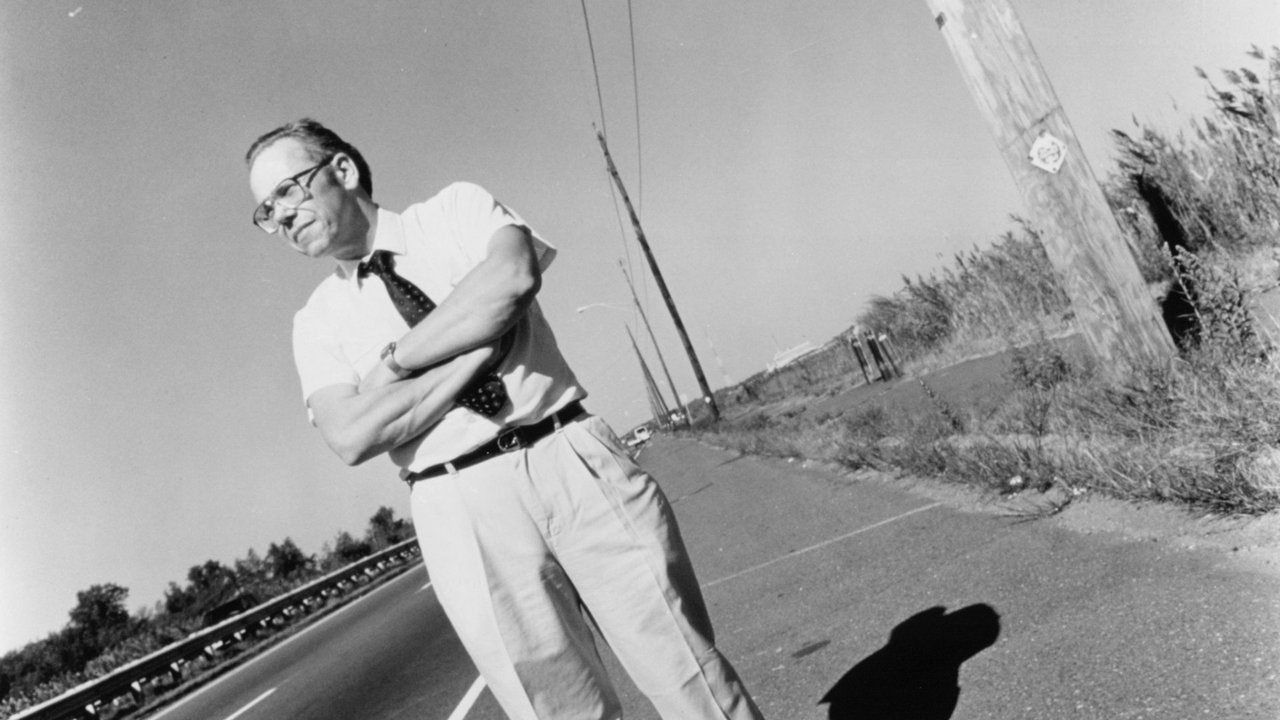
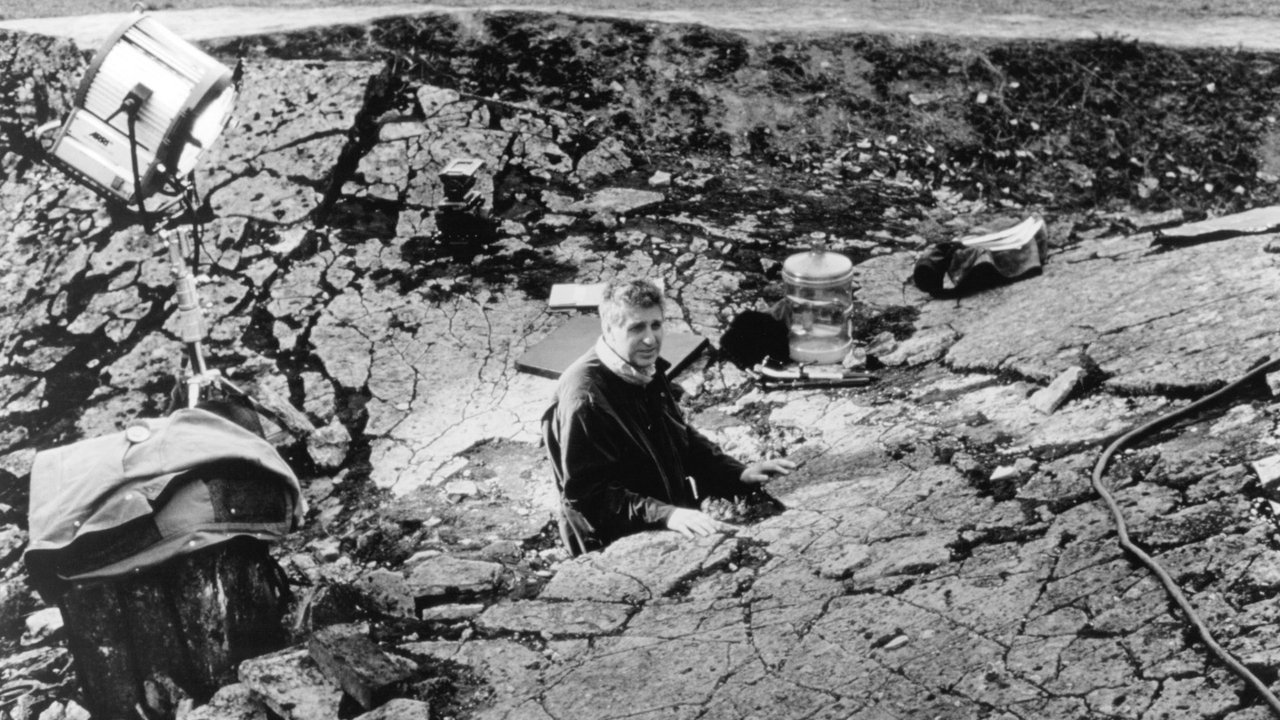
The turning point comes when Leuchter is hired by the infamous Holocaust denier Ernst Zündel, then on trial in Canada for distributing hate literature. Zündel needed someone to "prove" that the gas chambers at Auschwitz-Birkenau couldn't possibly have been used for mass murder. Leuchter, flattered by the attention and seemingly oblivious to the moral abyss he was approaching, accepted the task. Armed with a hammer and chisel, he travels to Poland, illicitly collects samples from the crematoria ruins, and produces the notorious "Leuchter Report." This document, riddled with flawed methodology and based on a profound misunderstanding of cyanide chemistry and historical context, concludes that the structures couldn't have functioned as homicidal gas chambers. It was exactly what the deniers wanted.
Morris's Unblinking Gaze
Errol Morris, who had already redefined documentary filmmaking with works like The Thin Blue Line (1988), doesn't editorialize overtly. He doesn't need to. He simply presents Leuchter, juxtaposing his earnest, self-justifying interviews with conflicting evidence, historical context (including harrowing archival footage), and interviews with historians and scientists who dismantle his report's claims. Morris even includes figures like the controversial historian David Irving, another prominent denier who championed Leuchter's findings. The effect is devastating. Leuchter, caught in the unblinking gaze of the Interrotron, essentially hangs himself with his own words. His meticulous descriptions of chipping away at the walls of Auschwitz, treating it like a routine engineering survey, are profoundly disturbing. It's a masterclass in letting the subject reveal their own profound limitations – in this case, a chilling lack of historical understanding and, perhaps, empathy. The haunting, minimalist score by Caleb Sampson perfectly underscores the bleakness of the narrative.
The Banality of Self-Deception?
What makes Mr. Death so compelling, and frankly, so horrifying, is its exploration of self-deception. Leuchter doesn't come across as a raving ideologue, at least not initially. He seems more like a man dangerously out of his depth, clinging to his identity as an "expert" even when venturing into fields far beyond his ken. Did he genuinely believe his findings, blinded by a need for validation? Or was there a wilful ignorance at play? Morris leaves the question open, forcing us to confront the uncomfortable possibility that catastrophic error and moral failure can stem not just from overt malice, but also from a kind of blinkered, technical arrogance. His conviction seems genuine to him, which is perhaps the most frightening aspect. The film sparked considerable debate upon release, precisely because it gave Leuchter such a platform, yet Morris's technique ensures it's an indictment, not an endorsement. His life unravelled after the report and the subsequent film – his career destroyed, his marriage ended.
Lingering Shadows
Mr. Death isn't an easy watch. It doesn't offer simple answers or comforting conclusions. It forces you to sit with the uncomfortable reality of how easily "facts" can be twisted, how expertise can be perverted, and how readily some individuals can compartmentalize profound moral failings. It's a stark reminder of the importance of critical thinking and historical awareness.
Rating: 9/10
This near-perfect score reflects Errol Morris's masterful direction and the film's undeniable power as a chilling character study and a vital exploration of dangerous ideas. While the subject matter is inherently disturbing and offers little in the way of conventional entertainment, its meticulous construction, the unforgettable subject at its center, and the profound questions it raises about truth, denial, and the responsibility that comes with knowledge make it an essential, albeit deeply unsettling, piece of documentary filmmaking from the late VHS era.
It leaves you pondering not just Fred Leuchter, but the mechanisms within all of us that allow for self-deception on scales both small and tragically large. What other "experts" walk among us, convinced of their own righteousness while profoundly wrong?