The mind has doors best left unopened. H.P. Lovecraft knew it. And in 1986, director Stuart Gordon, still riding high from the splattery success of Re-Animator, decided to pry another one wide open with From Beyond. Forget a subtle creak; this was kicking the hinges off reality itself, unleashing a phosphorescent nightmare onto VHS shelves everywhere, a tape often returned with a slightly queasy expression. It proposed a terrifying idea: what if our pineal gland, that tiny nubbin in our brain, wasn't just vestigial, but a dormant sensory organ, capable of perceiving horrors lurking just outside our accepted reality? And what if someone built a machine to wake it up?

### The Resonator Sings Its Awful Song
We're thrown immediately into the aftermath. Dr. Edward Pretorius, a man consumed by his quest for forbidden sensation, is dead – or rather, transformed – and his assistant, Crawford Tillinghast (Jeffrey Combs, perfectly reprising his 'mad science victim' intensity from Re-Animator), is the prime suspect. Tillinghast, eyes wide with terror and something else, babbles about the Resonator, Pretorius’ infernal tuning fork designed to stimulate the pineal gland. His story is dismissed as insanity, naturally. Enter the ambitious, initially skeptical psychiatrist Dr. Katherine McMichaels (Barbara Crampton, Gordon’s other Re-Animator stalwart) and the pragmatic ex-football player turned security man, Bubba Brownlee (Ken Foree, instantly recognizable to horror fans from George A. Romero's Dawn of the Dead). They intend to debunk Tillinghast's claims by recreating the experiment. A truly terrible idea, as viewers of 80s horror already knew.
### Slime, Sex, and Sensory Overload
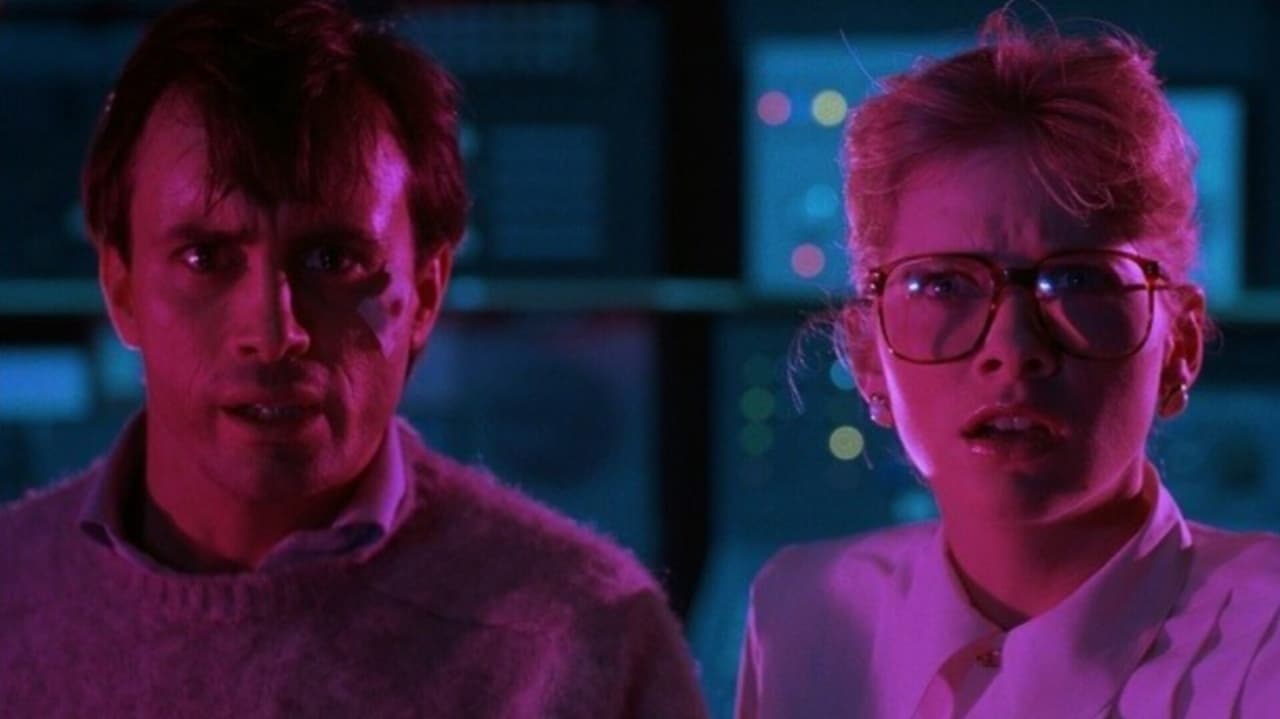
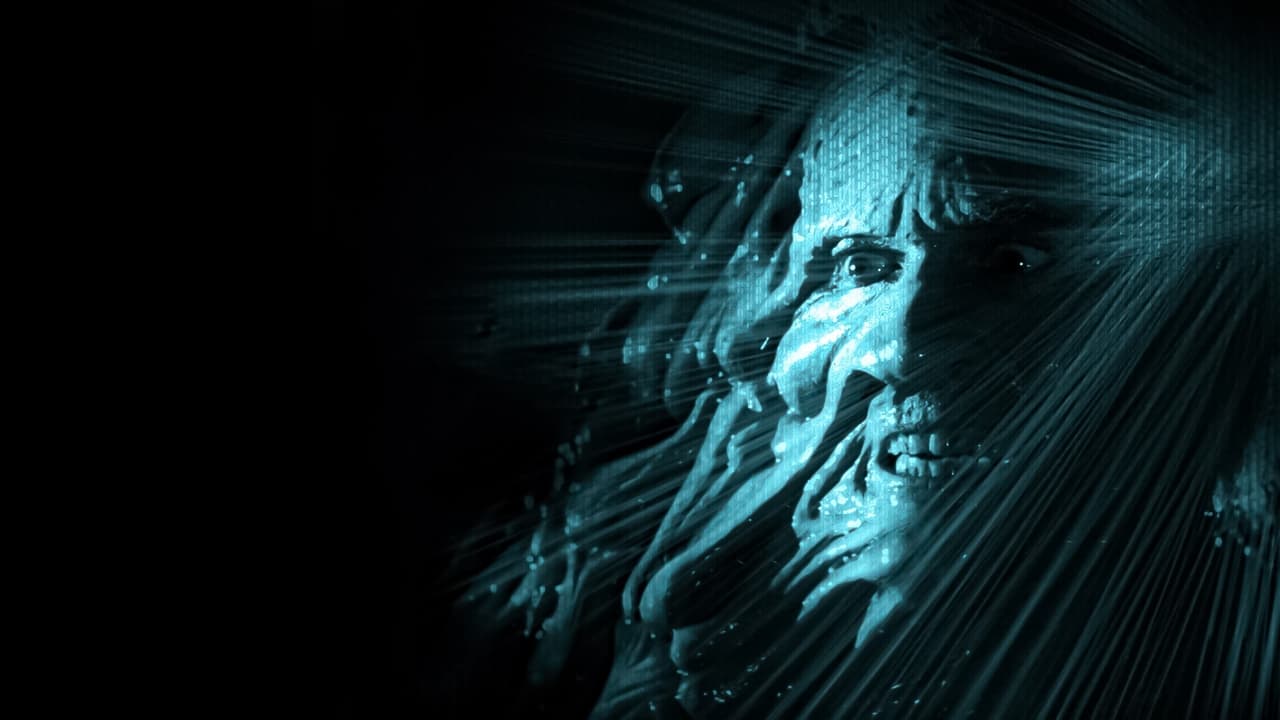
What follows is less a gradual descent into madness and more a full-body plunge into a vat of interdimensional slime. When the Resonator hums to life, it doesn't just open Tillinghast's "third eye"; it bombards everyone in the room. The air ripples. Eel-like creatures swim through the visible spectrum. And worse, the machine physically and mentally transforms those exposed to it, awakening primal urges alongside cosmic perception. From Beyond is infamous for its gooey, pulsating practical effects, masterminded by Mark Shostrom and his team. They crafted creatures that felt genuinely alien and unsettling, dripping with viscous fluids that seemed to coat the entire set. Rumor has it the sheer volume of methylcellulose slime required was staggering, leading to perpetually sticky conditions on set – a small price for such memorably grotesque visuals. The film pushes boundaries, merging body horror with a strange, disturbing eroticism as the characters' inhibitions crumble under the Resonator's influence. Doesn't that central creature design, Pretorius's final form, still feel uniquely repulsive?
### Gordon Unleashed (and Restrained)
Stuart Gordon directs with a manic energy perfectly suited to the material. While perhaps lacking the tighter narrative focus of Re-Animator, From Beyond compensates with sheer sensory assault and imaginative depravity. It feels like a fever dream captured on film, pulsating with lurid pink and purple lighting that enhances the otherworldly atmosphere. Produced under Charles Band's Empire Pictures banner (a name synonymous with ambitious, low-budget genre fare in the 80s), the film makes the most of its estimated $4.5 million budget, pouring resources into those unforgettable effects.


However, this unbridled vision inevitably clashed with the MPAA. The original cut was far more graphic, featuring sequences of extreme gore and sexuality (including a notorious brain-slurping moment and Pretorius biting off a character's head) that demanded significant trims to avoid the dreaded X rating. Even the R-rated version that hit theaters and video stores felt dangerously unrestrained, a testament to how far Gordon was willing to push. Finding an uncut version back in the day felt like uncovering forbidden knowledge itself.
### Performances Under Pressure
Amidst the chaos and slime, the central trio grounds the film. Jeffrey Combs delivers another masterclass in high-strung horror performance, his physical transformation mirroring his mental disintegration. Barbara Crampton skillfully portrays McMichaels' journey from clinical detachment to horrified participant, her own sensory awakening leading down a dark path. And Ken Foree provides a much-needed anchor of relatable everyman skepticism turning to sheer terror, getting one of the film's most quotable lines: "It ate him... bit his head off... like a gingerbread man!" His sturdy presence makes the surrounding insanity feel even more potent.
### A Gooey Legacy
From Beyond might not be as universally lauded as Re-Animator, but it stands as a potent, often disturbing companion piece in Gordon's Lovecraft cycle. It's a prime example of 80s body horror at its most excessive and imaginative, a film that prioritizes visceral impact and shocking visuals over narrative coherence. Watching it again now, the effects retain a tactile, unsettling quality that CGI often lacks. It's a reminder of a time when horror wasn't afraid to be truly weird, messy, and deeply uncomfortable. It cemented Gordon, Combs, and Crampton as a formidable Lovecraftian triumvirate for genre fans.
Rating: 8/10
Justification: While the plot occasionally feels secondary to the spectacle and the tone can be uneven, From Beyond earns its high marks for sheer audacity, unforgettable practical effects that define 80s body horror, committed performances (especially from Combs), and Gordon's singular vision in adapting Lovecraft's cosmic dread into something uniquely lurid and visceral. It's a must-see for fans of the era's unrestrained genre output.
It remains a slimy, pulsating monument to cinematic excess, a film that grabs you, grosses you out, and maybe, just maybe, makes you wonder about that dormant eye inside your own skull. Sweet dreams.