"The soil of a man's heart is stonier, Louis... A man grows what he can, and tends it." The quiet wisdom, tinged with a profound weariness, delivered by Fred Gwynne's Jud Crandall hangs heavy in the air long before the true horror of Pet Sematary (1989) takes root. This isn't just a ghost story or a creature feature; it's a film that burrows under your skin by tapping into the raw, desperate ache of grief, twisting love into something monstrous under the pale Maine moonlight. Watching it back then, huddled in the flickering glow of a CRT, felt like uncovering a forbidden text, one whispering truths about loss we weren't ready to hear.
Welcome to Ludlow
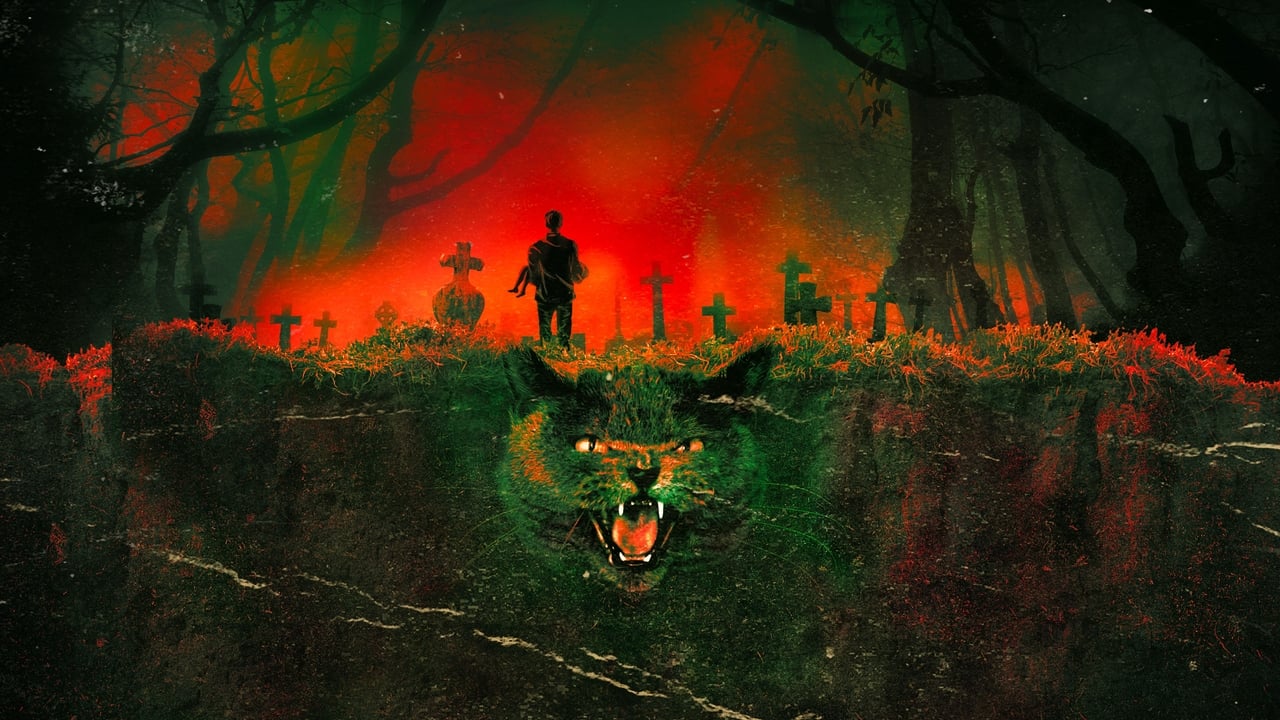
Director Mary Lambert, known more for music videos (Madonna, Janet Jackson) prior to this, proved an inspired choice. She captures the melancholic beauty and underlying menace of rural Maine, a place where the veil between worlds feels terrifyingly thin. The Creeds – Louis (Dale Midkiff), Rachel (Denise Crosby, shortly after her controversial exit from Star Trek: The Next Generation), Ellie, and toddler Gage – arrive seeking peace, but find themselves neighbors to an ancient Mi'kmaq burial ground, a place whispered to possess unnatural power. The nearby highway, a constant, ominous presence, claims the life of the family cat, Church, setting in motion a tragedy accelerated by Jud's well-intentioned but catastrophic guidance.
Stephen King adapted his own novel here, arguably one of his darkest, famously penning the script himself to ensure its brutal integrity remained intact. King initially deemed the novel too bleak to publish, locking it away before his wife Tabitha convinced him otherwise. That pervasive sense of dread, the feeling that events are sliding inevitably towards catastrophe, translates viscerally to the screen. Lambert doesn't shy away from the ugliness, grounding the supernatural horror in the devastatingly human pain of loss. This isn't about jump scares; it's about the slow, sickening crawl of inevitability.
That Sour Ground
The film's power lies in its unflinching depiction of grief's madness. Louis Creed isn't a villain; he's a father shattered by unthinkable loss, clinging to a desperate, impossible hope offered by the 'sour ground' beyond the deadfall. Dale Midkiff portrays Louis's descent with a palpable sense of frantic denial turning into numb resolve. His journey is a harrowing exploration of love curdling into obsession, the refusal to let go morphing into a violation of natural law. Doesn't that desperate climb over the deadfall, carrying that small, awful burden, still feel incredibly bleak?
And then there's Jud. Fred Gwynne, forever beloved as Herman Munster, delivers a career-defining performance here. His Jud Crandall is the heart and soul of the film – warm, folksy, but haunted by the knowledge of the burial ground's power and the terrible mistakes of the past. His line delivery, that Maine accent thick as molasses, carries the weight of foreshadowing and regret. It’s said Gwynne nailed the accent partly by listening to tapes of local Maine residents provided by King himself, who insisted the film be shot on location in his home state, adding an essential layer of authenticity. The budget was a relatively modest $11.5 million, but every dollar feels like it's up there on screen, contributing to the atmosphere.

Things That Won't Stay Buried
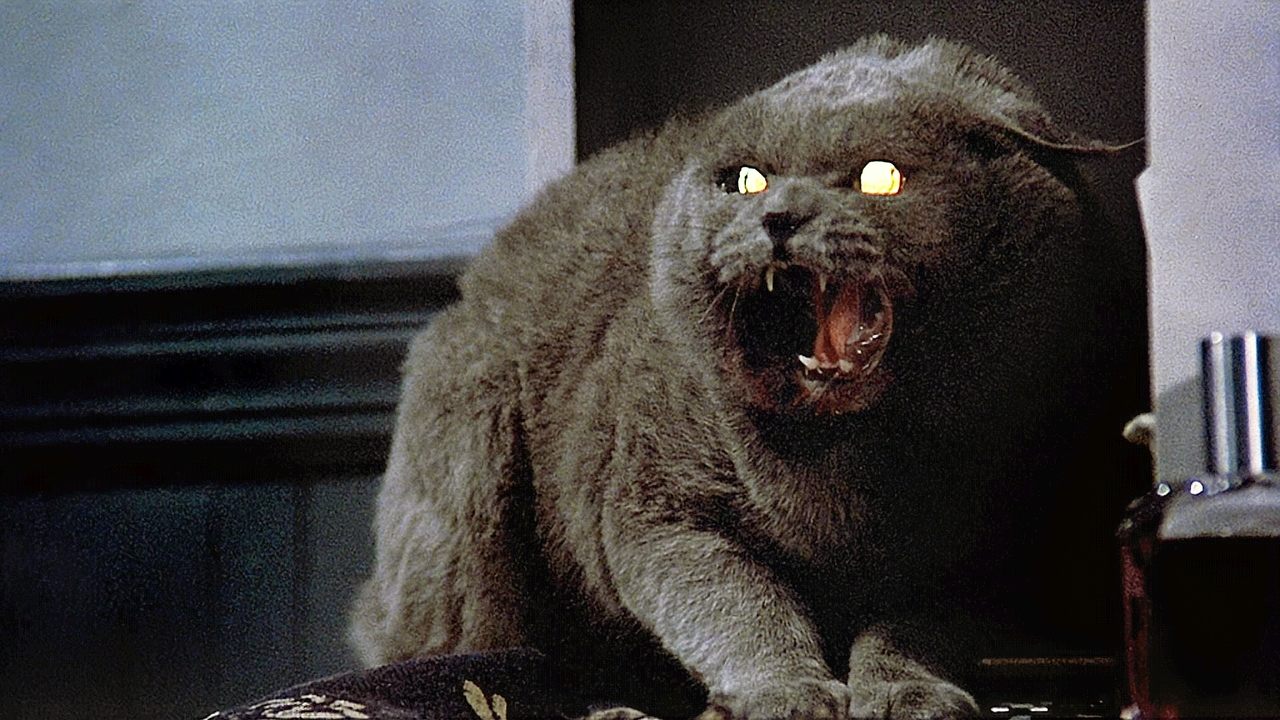
Let's talk about the scares, because Pet Sematary delivers moments that sear themselves into your memory. The practical effects, while perhaps showing their age slightly, retain a disturbing power precisely because they feel tangible. The resurrected Church, eyes glowing malevolently, fur matted and wrong – it's unsettling. But the true nightmare fuel comes from two specific characters.
Rachel's childhood trauma surrounding her deformed sister, Zelda, manifests in flashbacks that are pure, undiluted horror. The contorted figure, the rasping voice... it's the stuff of waking nightmares. Played physically by actor Andrew Hubatsek to achieve the character's emaciated, twisted look, Zelda remains one of the most genuinely disturbing images in 80s horror. It taps into primal fears of sickness, decay, and the uncanny valley. I distinctly remember renting this tape from the local 'Video Village' and that Zelda scene causing a genuine jolt that lingered for days.
And then there's Gage. The horror of a resurrected child, stripped of innocence and infused with chilling malice, is profoundly disturbing. Miko Hughes gives an unnerving performance (reportedly guided expertly by Lambert), and the image of tiny Gage, scalpel in hand, uttering that line... it's iconic for a reason. The filmmakers faced obvious challenges working with such a young actor in intense scenes, sometimes employing clever editing or even reportedly using a doll for certain moments, but the impact is undeniable. The sequence involving Gage and Jud is a masterclass in dreadful tension.
Echoes from the Grave
The score by Elliot Goldenthal (Alien 3, Interview with the Vampire) perfectly complements the visuals, shifting from mournful melodies to discordant dread. And who can forget the end credits rolling to The Ramones' title track? Commissioned specifically for the film after King, a huge Ramones fan, invited them to his home, it provides a punk-rock coda that feels both jarring and oddly fitting after the suffocating darkness of the climax.
Pet Sematary wasn't universally lauded by critics upon release (Roger Ebert famously gave it one star), but audiences responded, making it a significant box office success (grossing over $57 million domestically). Its legacy endures because it dares to go to places few mainstream horror films will. It confronts the taboo of death, particularly the death of a child, head-on, and explores the terrifying notion that love, corrupted by grief, can lead to damnation. It spawned a less effective sequel in 1992, Pet Sematary Two, and later remakes and prequels, but the raw, unsettling power of Lambert's original adaptation remains potent.
---
VHS Heaven Rating: 8.5/10
Justification: Pet Sematary earns its high marks for its crushing atmosphere, Fred Gwynne's monumental performance, its unflinching commitment to Stephen King's bleak source material, and its truly disturbing practical effects sequences (Zelda!). It masterfully blends supernatural horror with the profound terror of human grief. Points are slightly deducted for some moments where the 80s melodrama feels a touch thick and Midkiff's performance occasionally veers into the overwrought, but these are minor quibbles in a film that gets so much fundamentally right about dread.
Final Thought: Decades later, the dust may have settled, but the ground in Pet Sematary still feels profoundly sour. It’s a film that reminds us, in the most chilling way possible, that some lines should never be crossed, and sometimes... dead really is better.