The air hangs thick and heavy, tasting of recycled oxygen and engine oil. Not on some far-flung colony, but right here, in the flickering glow of the CRT, watching the grimy future unfold on a worn VHS tape. Moon 44 doesn't offer the sterile gleam of optimistic sci-fi; instead, it plunges you into a claustrophobic, industrial nightmare where corporate greed casts longer, darker shadows than any crater on this forgotten rock. This is the kind of film that felt right at home late at night, a low-budget dispatch from a future nobody asked for, but one that felt chillingly plausible.
Industrial Decay in Orbit
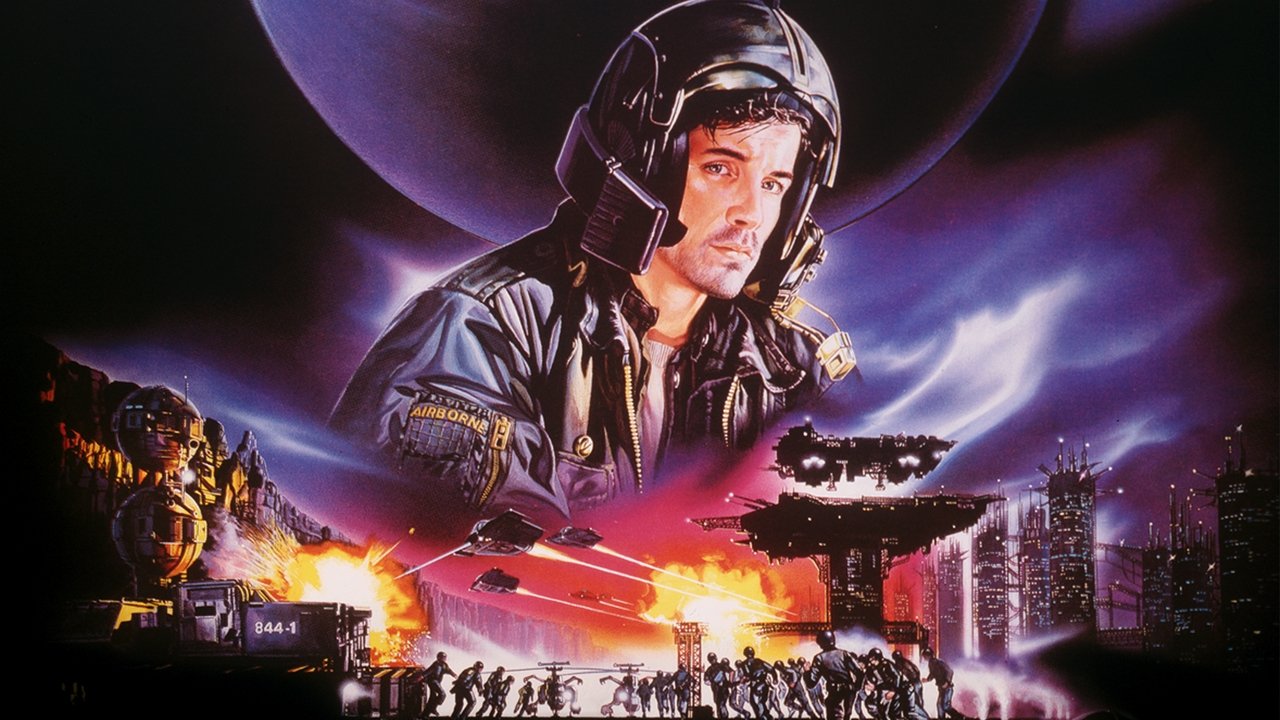
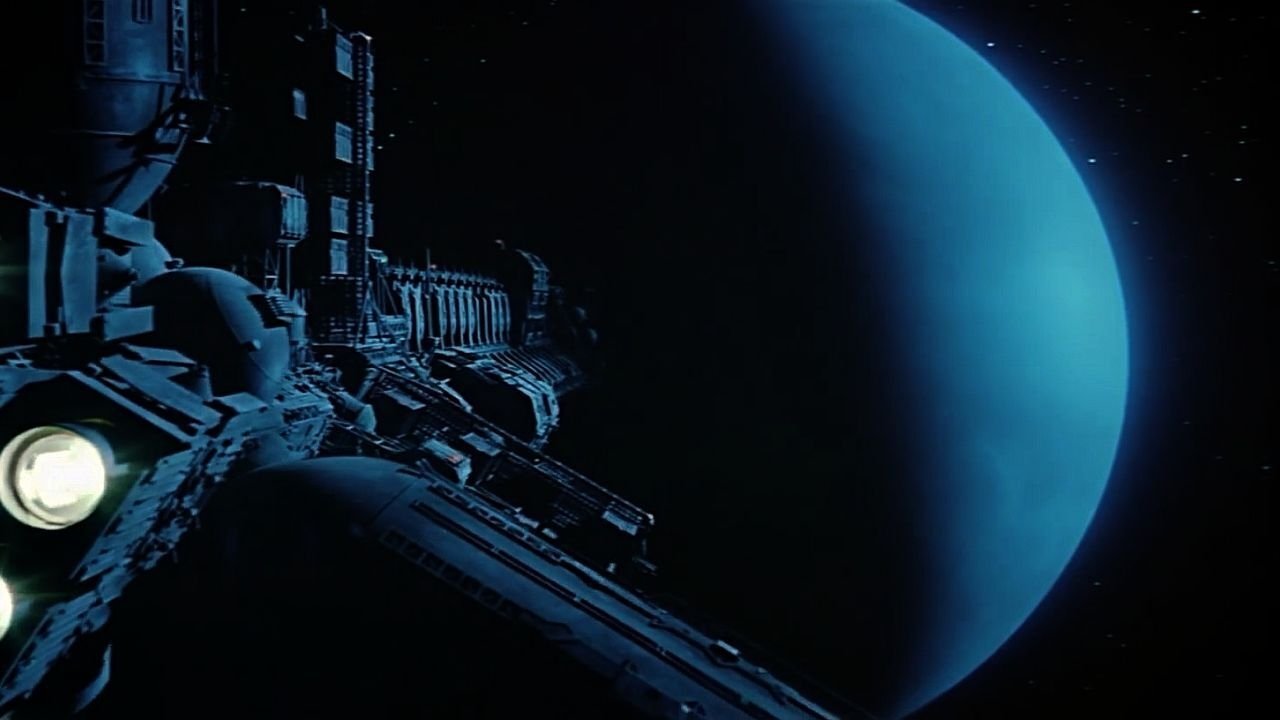
Forget pristine starships. Director Roland Emmerich, years before blowing up global landmarks in films like Independence Day (1996), crafts a vision rooted in muck and machinery. Moon 44 is a desolate mining outpost, all rusting gantries, flickering fluorescent lights, and cramped corridors. The production design perfectly captures a sense of decay and neglect, a place where human lives are as expendable as the minerals being ripped from the ground. You can almost smell the stale air and feel the grit under your fingernails. This oppressive atmosphere is the film's strongest asset, a tangible sense of place that lingers long after the credits roll. It’s a future built not on progress, but on exploitation, run by the kind of faceless corporation that probably viewed OSHA regulations as mere suggestions.
Corporate Pawns and Convict Navigators
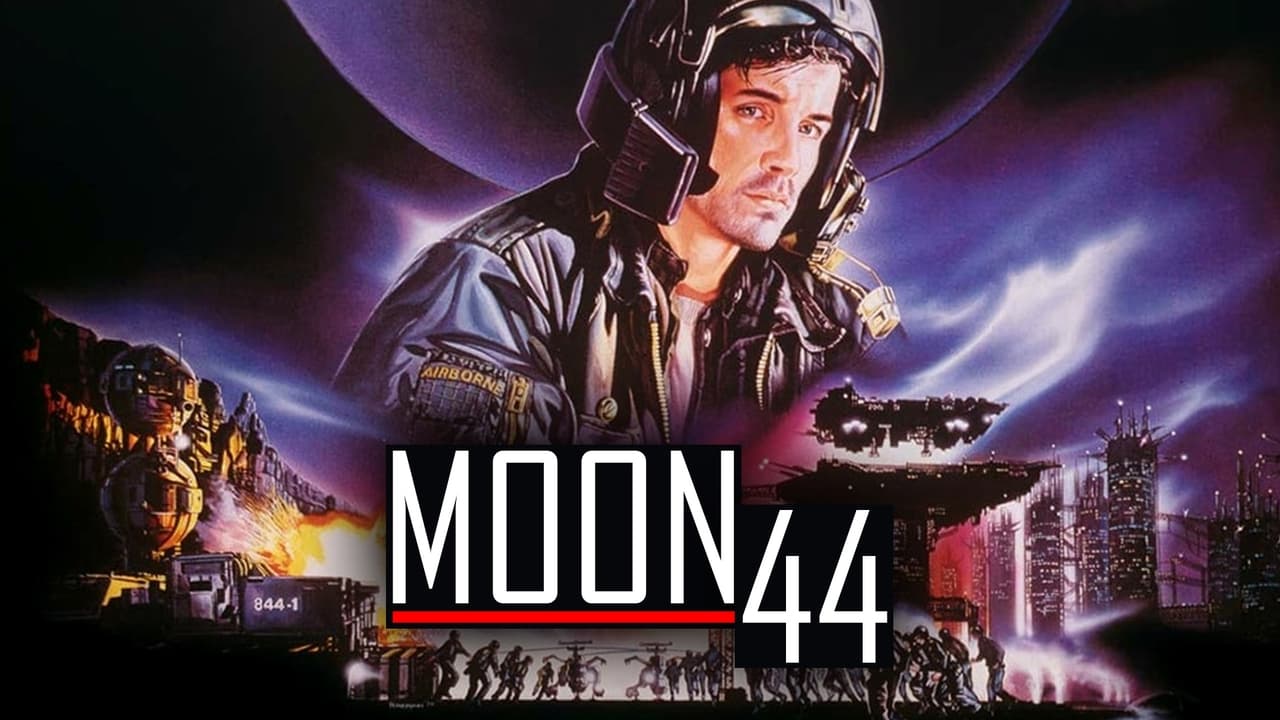
Into this cesspit drops Felix Stone (Michael Paré), an undercover internal affairs agent tasked with investigating the mysterious disappearance of valuable mining shuttles. Paré, known for his stoic cool in films like Streets of Fire (1984), fits the mold of the tight-lipped outsider perfectly. He finds himself caught between two warring factions: the arrogant company pilots and the resentful navigators – convicts whose specialized brain functions make them indispensable but disposable. The core plot revolves around corporate espionage and sabotage, masterminded with icy precision by the station's chief executive, Major Lee, played with signature sinister charm by the legendary Malcolm McDowell. McDowell, reportedly sometimes clashing with the young director Emmerich on set, brings an effortless menace to the role, embodying the cold calculus of profit over people.
Ambition on a Budget
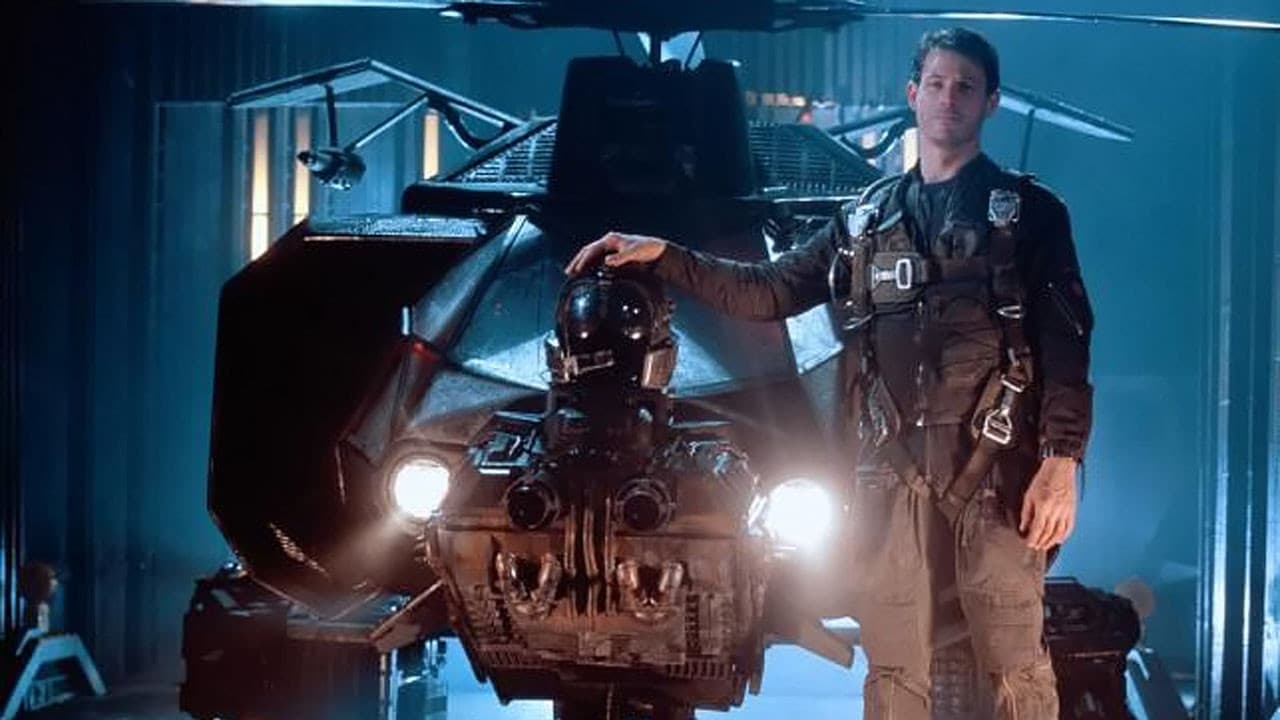
Moon 44 was a significant production for its time and place – a German-funded film shot primarily near Stuttgart with a budget around $7 million USD, ambitious for the local industry though modest by Hollywood sci-fi standards. This budget constraint is arguably part of its charm. The visual effects, particularly the helicopter-like mining shuttles navigating treacherous canyons, rely heavily on miniature work and practical effects. Watching them now, they might lack the seamless polish of modern CGI, but there's an undeniable weight and texture to them. Remember how mind-blowing those intricate models looked on tape back then? They possessed a tangible reality, a physical presence that grounded the action, even when the flight sequences borrowed heavily (perhaps too heavily) from the playbook of James Cameron's Aliens (1986). Emmerich was clearly honing the skills here that would later serve his larger-scale blockbusters.
Retro Fun Facts: Echoes from the Outpost
- This film served as a crucial calling card for Roland Emmerich, helping pave his way to Hollywood and eventual blockbusters like Stargate (1994). It demonstrated his ability to handle sci-fi concepts and action sequences, albeit on a smaller scale.
- The tension between the pilots and navigators forms the film's emotional core, exploring themes of classism and prejudice within this isolated micro-society. Look closely and you'll spot Brian Thompson, a familiar face from many 80s/90s action and sci-fi flicks (like Cobra (1986)), among the navigators.
- The score by Joel Goldsmith (son of the iconic Jerry Goldsmith) effectively enhances the grim, industrial mood, adding another layer to the film's pervasive sense of dread.
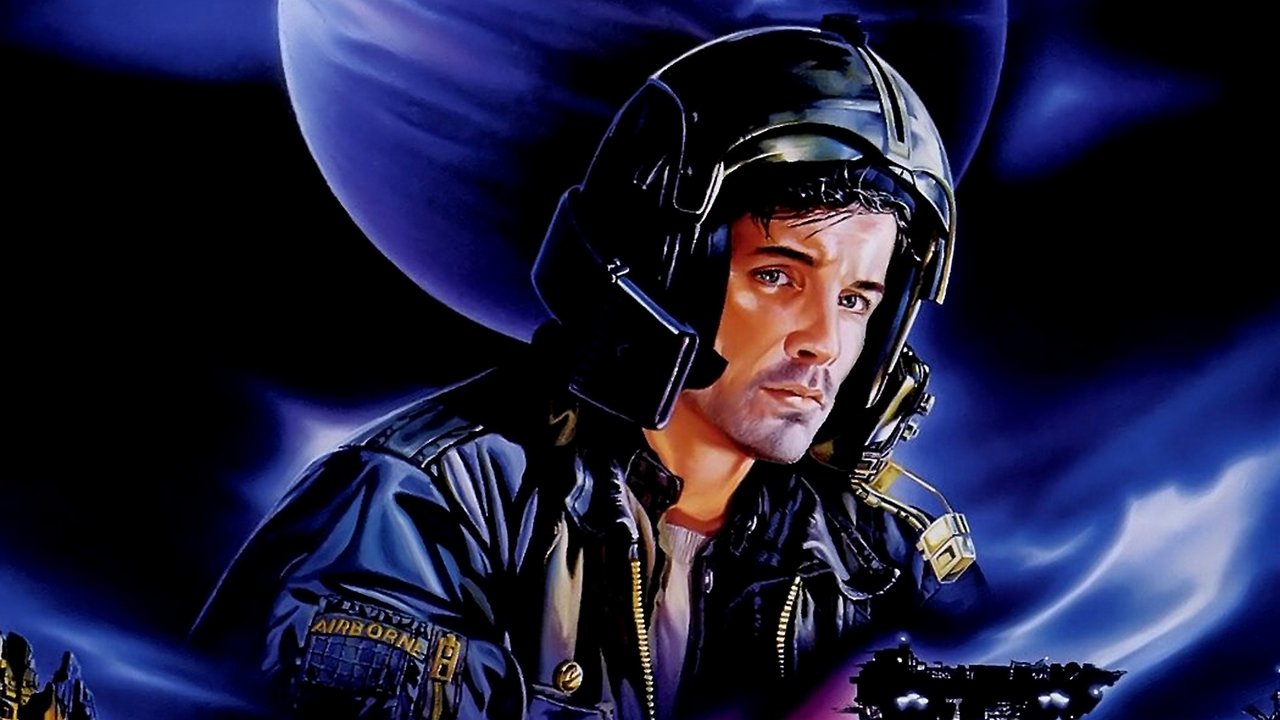
- Despite its ambitions, Moon 44 largely bypassed theatrical release in the US, heading straight-to-video – a common fate for many genre films that found their audience huddled around VCRs in the comfort (or discomfort) of their living rooms. I distinctly remember the slightly ominous cover art staring out from the rental shelf, promising futuristic grit.
A Grimy Stepping Stone
Is Moon 44 a lost classic? Perhaps not quite. The plot can feel a bit convoluted at times, a potential side effect of its multiple credited writers, and some dialogue lands with a thud. Paré’s performance is functional but leans heavily on brooding silence, and the supporting characters aren't always deeply developed. Yet, there’s an undeniable appeal here. It’s a fascinating glimpse of a major director finding his footing, working within limitations to create something atmospheric and visually distinct. It captures that specific late-80s/early-90s brand of gritty, blue-collar sci-fi, more interested in rivets and rust than warp drives and wonder. Doesn't that tangible, lived-in future feel uniquely unnerving in its own way?
VHS HEAVEN RATING: 6/10
Justification: Moon 44 earns a solid 6 for its exceptional atmosphere, gritty production design, and ambitious (for its budget) practical effects. McDowell delivers reliable villainy, and Paré is effective as the stoic lead. It’s a compelling look at Emmerich's early work and a standout example of late-VHS era industrial sci-fi. However, it's held back by a sometimes clunky script, uneven pacing, and derivative plot elements that keep it from true classic status.
Final Thought: While overshadowed by Emmerich's later spectacles, Moon 44 remains a fascinating and atmospheric slice of low-budget sci-fi, a reminder that sometimes the most unsettling futures are the ones coated in grease and grime, found lurking on a forgotten tape.