Alright, rewind your minds with me. Picture this: it’s 1992. You’re browsing the ‘New Releases’ wall at the local video store, fluorescent lights buzzing overhead. Your eyes land on a cover featuring two absolute titans of action staring each other down: Jean-Claude Van Damme and Dolph Lundgren. The title? Universal Soldier. You grab that chunky plastic clamshell case, maybe snag some microwave popcorn, and head home for what promises to be an explosive night in. And boy, did this one deliver on that promise, in that specific, glorious way only early 90s action could.

### Back from the Dead, Ready to Rumble
The premise is pure, unadulterated B-movie gold, executed with A-list action aspirations. We open in Vietnam, 1969. Sergeant Andrew Scott (Dolph Lundgren, radiating unhinged menace even then) has gone full psycho, murdering Vietnamese civilians and his own men, collecting ears like gruesome souvenirs. Private Luc Deveraux (Jean-Claude Van Damme, earnest and athletic) tries to stop him, resulting in both soldiers killing each other. Case closed? Not quite. Decades later, their bodies, along with others, are reanimated as elite, emotionless counter-terrorist commandos – the UniSols. Deveraux (now GR44) and Scott (GR13) are back, stronger, faster, and supposedly memory-wiped... but old hatreds die hard, especially when triggered by nosy journalist Veronica Roberts (Ally Walker).
This setup is classic high-concept stuff, the kind of thing that probably got pitched in one sentence and greenlit before lunch. It’s the perfect vehicle for pitting two of the era's biggest European action stars against each other, and director Roland Emmerich, still a few years away from blowing up the White House in Independence Day (1996) but already showing his knack for large-scale spectacle, leans right into it. Teaming up with writer Dean Devlin (a partnership that would define 90s blockbuster filmmaking), they crafted a surprisingly robust action framework around this sci-fi premise.
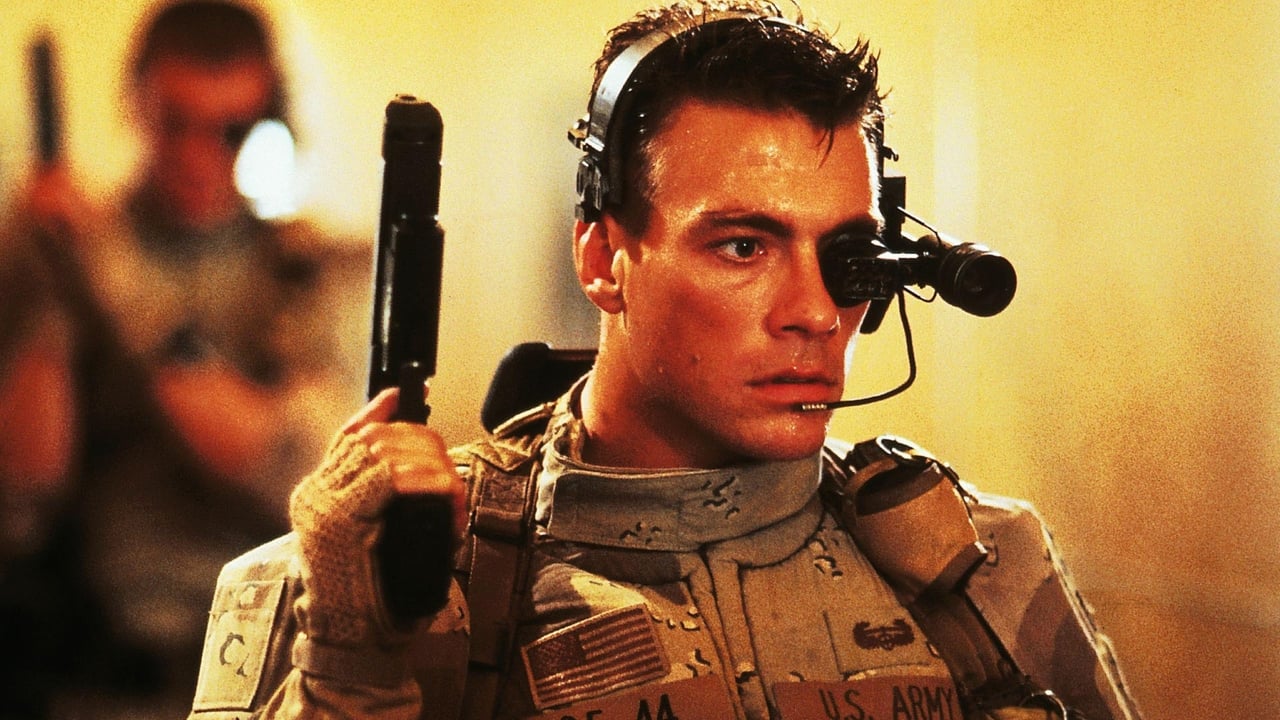
### Collision Course: Muscles from Brussels vs. Siberian Express
Let's be honest, the main draw here was seeing Van Damme and Lundgren throw down. Their physical contrast is perfect: JCVD's balletic martial arts prowess against Lundgren's towering, imposing brute force. Rumors of genuine friction between the two stars on set only add another layer to their on-screen animosity. One fun piece of trivia often shared is that the stars genuinely disliked each other during production, leading to some tense moments – whether entirely true or studio hype, it certainly feels believable watching Scott's simmering resentment towards Deveraux. Lundgren, in particular, seems to relish playing the unhinged villain, delivering lines about ears and traitors with gleeful intensity. He steals nearly every scene he’s in, chewing the scenery like it owes him money. Van Damme, playing the more sympathetic, awakening hero, handles the physicality effortlessly, even if his emotional range feels, well, appropriately robotic for much of the runtime.
### Practical Mayhem: They Built It, They Blew It Up
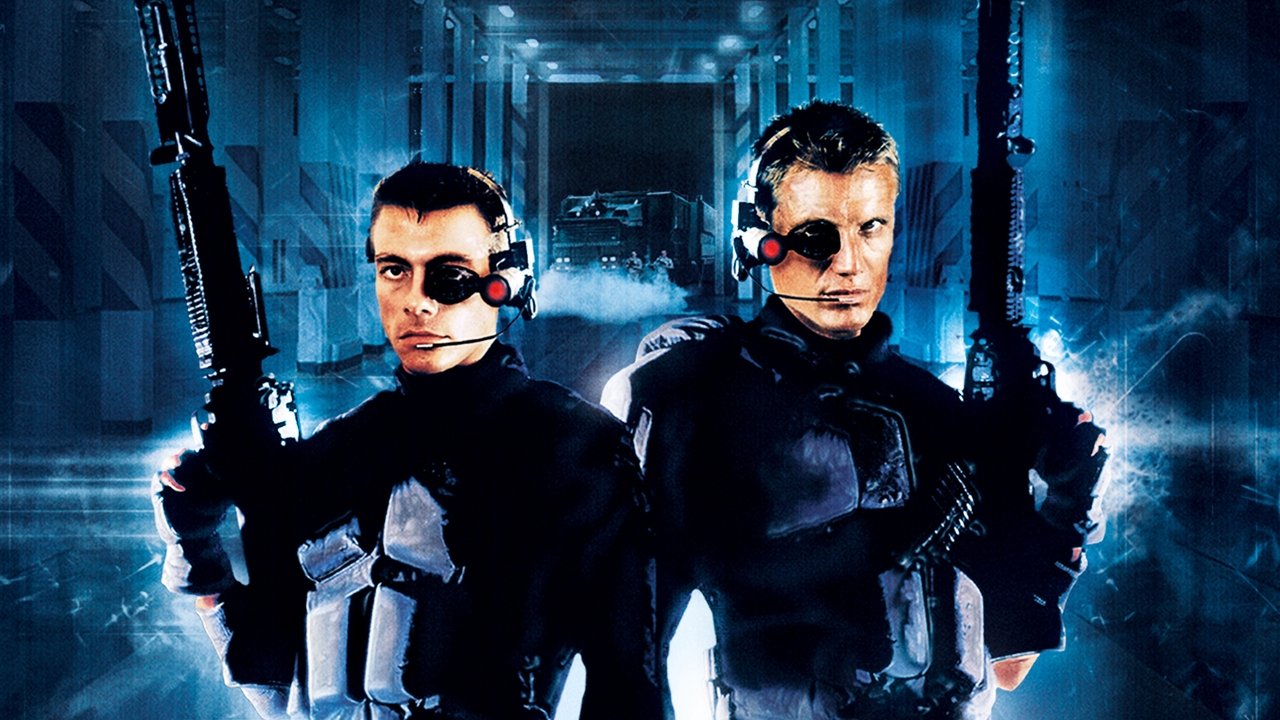
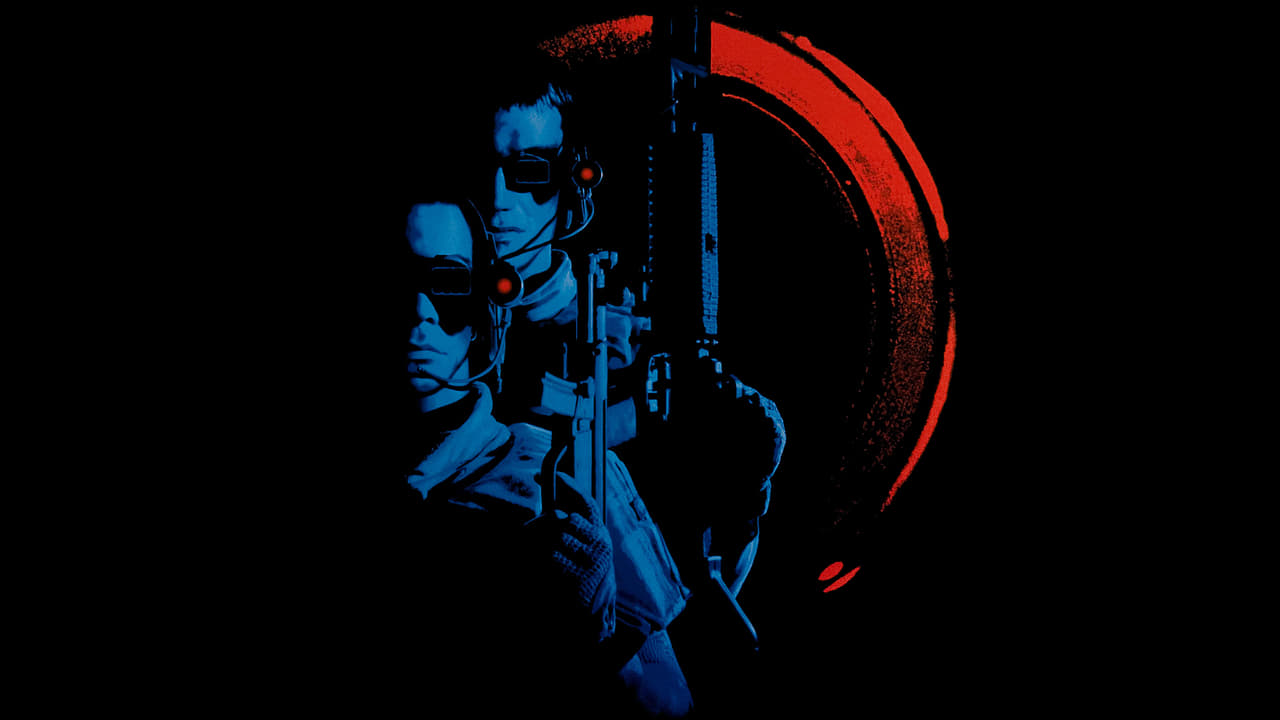
What really makes Universal Soldier a standout from its time, especially watching it now on a format perhaps less forgiving than fuzzy VHS, is the commitment to practical action. Remember that incredible sequence where the UniSols' massive mobile command center/truck gets utterly demolished? That wasn't pixels, folks. That was metal crunching, real fire, and complex stunt coordination. The bus chase, culminating in its dramatic cliff dive – pure, unadulterated practical effects wizardry. There's a weight and impact to these scenes that often feels missing in today's smoother, CGI-heavy blockbusters. You feel the danger because, frankly, it looked dangerous to film.
Stunt performers were earning their paychecks here, executing falls, fights, and vehicle maneuvers that had real stakes. The film reportedly cost around $23 million – not pocket change, but modest compared to Emmerich's later budgets – yet they squeezed every dollar onto the screen in the form of tangible destruction. Was it perfectly realistic? Of course not. But did those bullet hits, those fiery explosions feel satisfyingly real within the movie's heightened world? Absolutely. Watching it again, I was struck by how well much of the action holds up precisely because it’s grounded in physical reality.
### The Supporting Cast and 90s Vibes
Ally Walker does her best as Veronica, the determined reporter who inadvertently kickstarts Deveraux's memory return and becomes the target of Scott's relentless pursuit. She's saddled with a fairly typical damsel-in-distress arc for the era, but injects enough personality to make you root for her. The film’s aesthetic just screams early 90s – the tech (bulky computers, rudimentary thermal vision), the synth-heavy score, even the slightly awkward attempts at humor amidst the carnage. It’s a time capsule in the best possible way.
While critics at the time were somewhat mixed, audiences responded well. Universal Soldier was a solid box office success, grossing over $100 million worldwide and proving the bankability of its leads and Emmerich's burgeoning talent for destruction. It inevitably spawned a franchise, mostly consisting of less-than-stellar TV movies and direct-to-video sequels (though Universal Soldier: Day of Reckoning from 2012 is a surprisingly brutal and interesting outlier, albeit decades later), but none quite captured the raw, simple effectiveness of this original showdown.
***
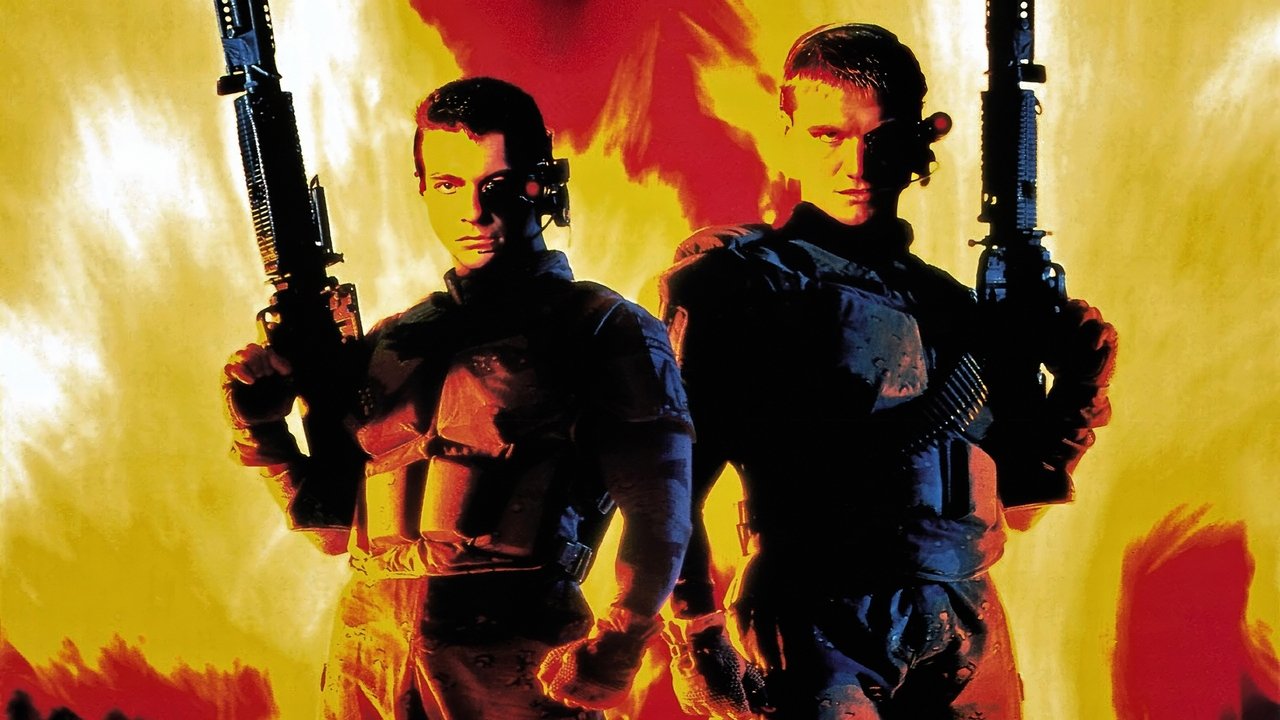
VHS Heaven Rating: 7/10
Why? Universal Soldier isn't high art, and it knows it. It delivers exactly what it promised on that video store shelf: two action icons locked in a high-concept battle royale filled with spectacular, practical stunts and explosions. Lundgren's delightfully over-the-top villainy elevates the material, and the sheer commitment to tangible action spectacle earns it major points in the retro hall of fame. It's dated in places, sure, but its raw energy and iconic matchup make it a blast to revisit.
Final Thought: Forget sleek CGI; sometimes you just need two chemically enhanced super-soldiers, a case full of severed ears, and a whole lot of things genuinely blowing up. Pure, uncut 90s action fuel.