Paris, 1931. The air itself seems thick with the scent of rain, Gauloises, and illicit desire. This isn't just scene-setting; it's the very essence of Philip Kaufman's 'Henry & June' (1990), a film that invites you not merely to watch, but to inhabit the intoxicating, morally ambiguous world drawn from the diaries of Anaïs Nin. Pulling this tape from the shelf – perhaps tucked away in that slightly more 'serious' section of the video store – always felt like accessing something different, something charged with an adult sensibility rarely found elsewhere in the aisles. This wasn't your typical Friday night rental; it promised something complex, maybe even a little dangerous.
An Intoxicating Triangle
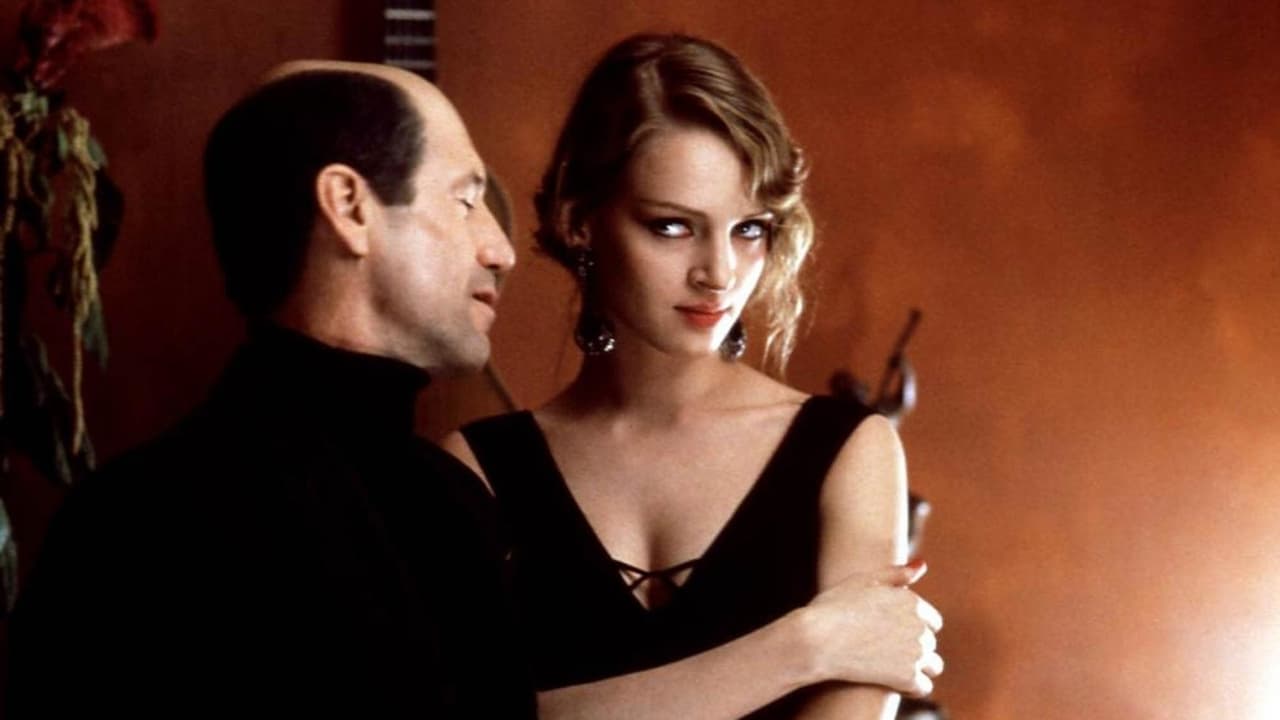
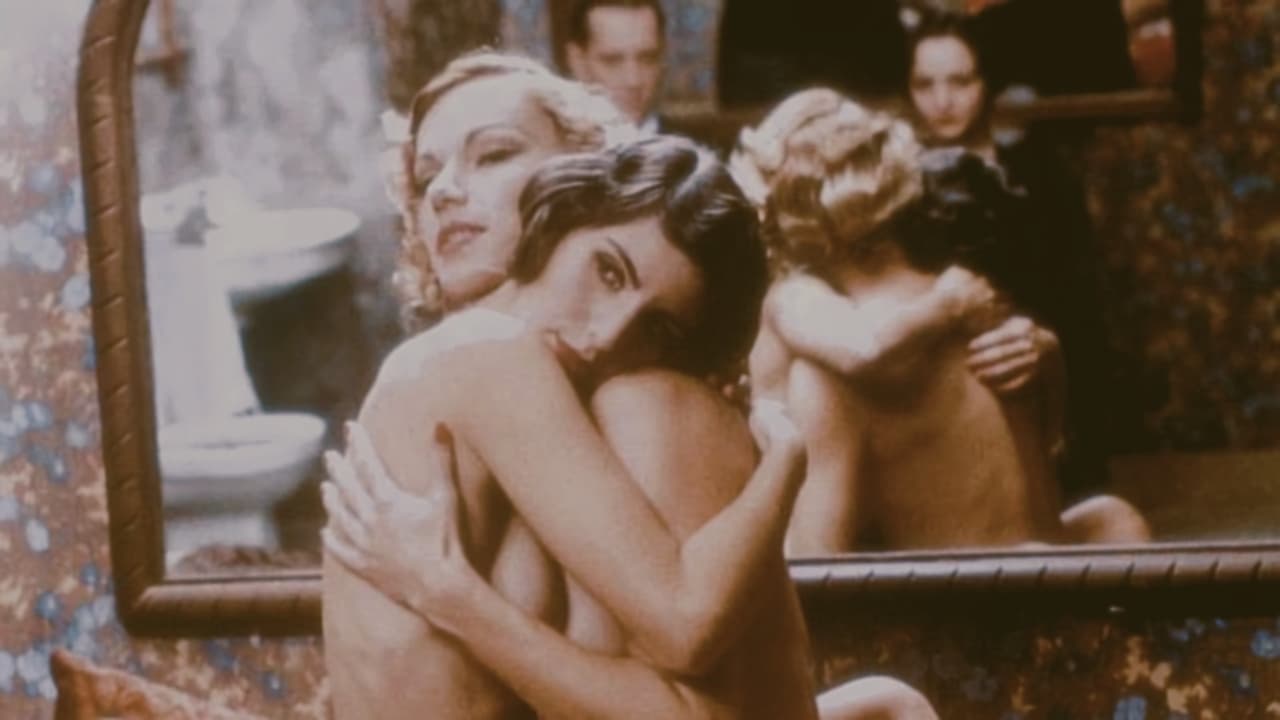
At its heart, 'Henry & June' explores the tangled relationships between the burgeoning writer Anaïs Nin (a luminous Maria de Medeiros), the established, provocative author Henry Miller (Fred Ward), and Miller's enigmatic wife, June (Uma Thurman). Nin, living a comfortable but creatively unfulfilled life with her banker husband Hugo (Richard E. Grant), finds herself drawn into the Millers' bohemian orbit. She's initially captivated by Henry's raw talent and unapologetic hedonism, but it's June – magnetic, beautiful, and deceptively fragile – who truly ignites Anaïs's fascination and desire. What unfolds is a complex dance of intellectual connection, artistic jealousy, sexual exploration, and emotional manipulation, all set against the backdrop of a culturally vibrant, yet economically strained, Paris.
Living the Unexpurgated Life
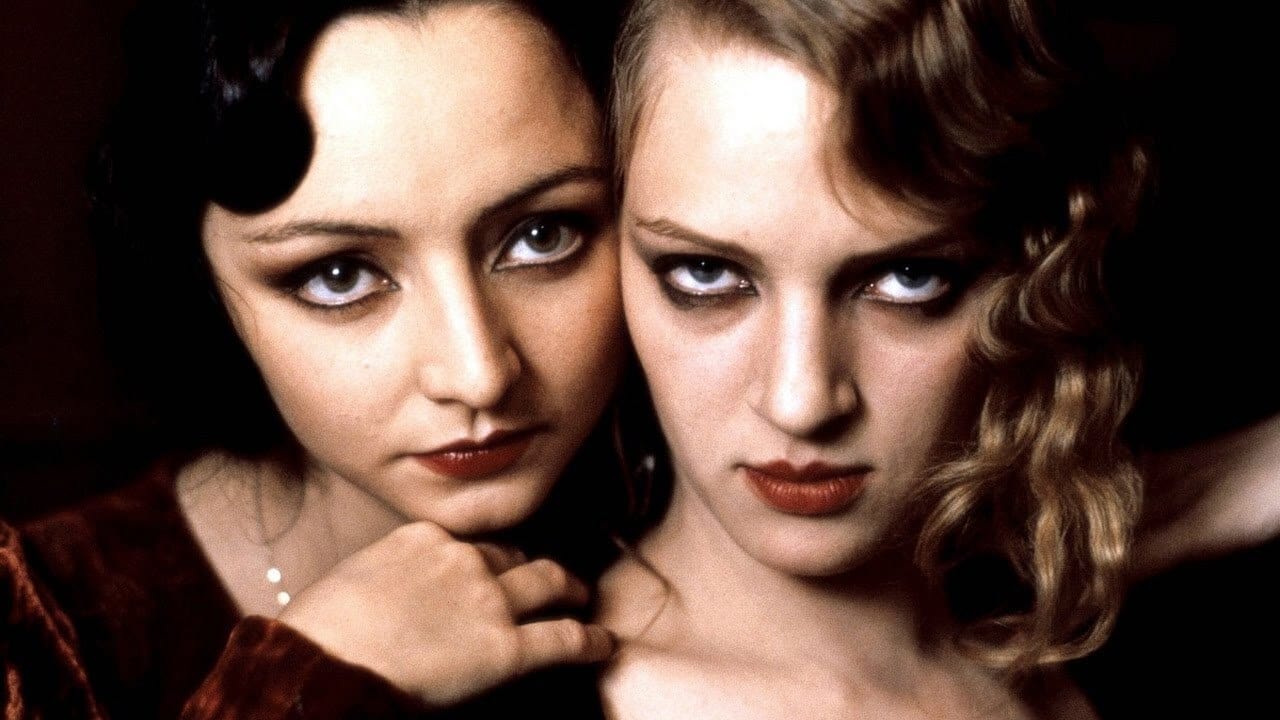
Based on Anaïs Nin's posthumously published, unexpurgated diaries detailing this period, the film carries an immediate sense of authenticity, even voyeurism. We feel privy to Nin's innermost thoughts and burgeoning self-discovery, her transformation from a somewhat repressed observer to an active participant in a life lived without conventional boundaries. Philip Kaufman, who previously navigated complex relationships and period detail in The Unbearable Lightness of Being (1988), brings a painterly eye to the proceedings. The cinematography by Philippe Rousselot is stunning, capturing both the beauty and the grime of 1930s Paris, often bathing scenes in a warm, amber glow that feels both nostalgic and sensual. It’s a film that feels like memories filtered through desire.
The performances are key to the film's power. Maria de Medeiros is a revelation as Anaïs. She perfectly embodies the character's initial naivete, her wide eyes taking everything in, gradually hardening with experience and self-awareness. Her journey of sexual and artistic awakening feels utterly convincing. Fred Ward, perhaps best known for tougher roles in films like Remo Williams: The Adventure Begins (1985) or Tremors (1990), is wonderfully cast against type (or perhaps revealing a type) as Henry Miller. He captures Miller's charismatic earthiness, his intellectual intensity, and his casual cruelty – a man devouring life and spitting out prose. And then there's Uma Thurman. Fresh off Dangerous Liaisons (1988), she delivers a star-making turn as June. Ethereal and alluring one moment, damaged and manipulative the next, Thurman commands the screen whenever she appears. Her June is the catalyst, the mysterious 'other' who unlocks something profound and unsettling in both Anaïs and Henry. The chemistry between Medeiros and Thurman, in particular, crackles with an intensity that forms the film's emotional core.
The Controversy and the Craft
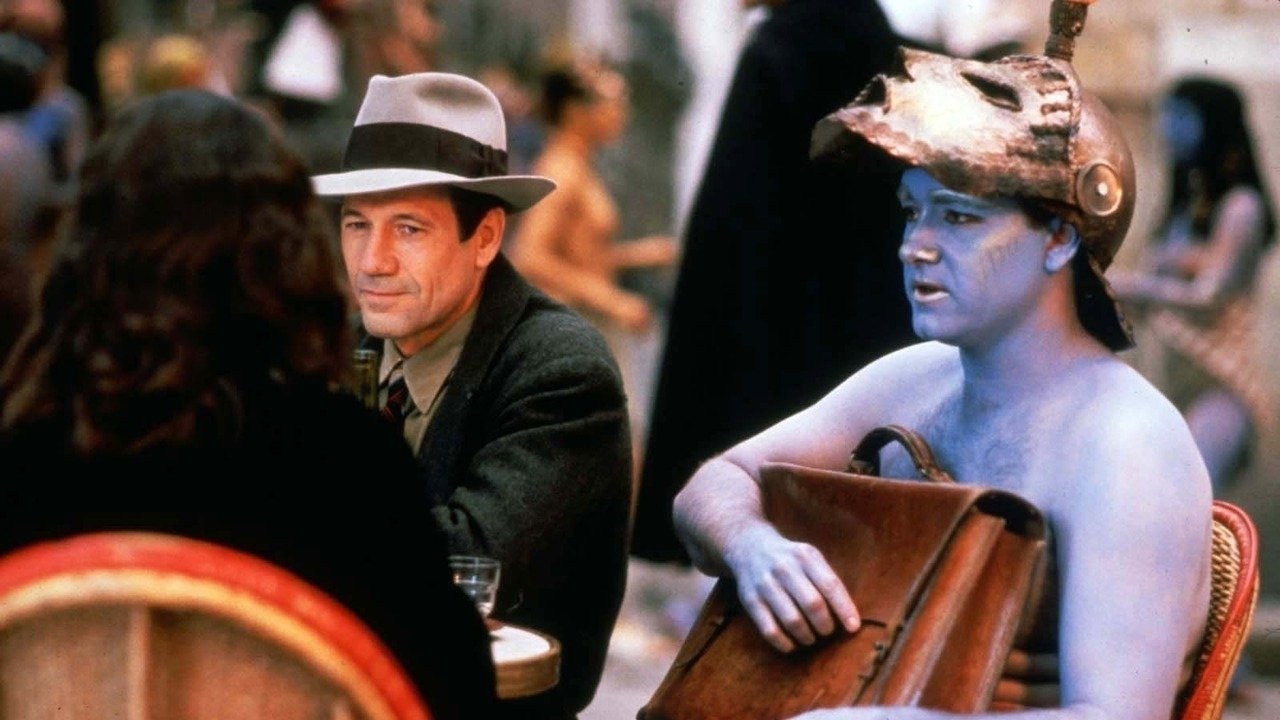
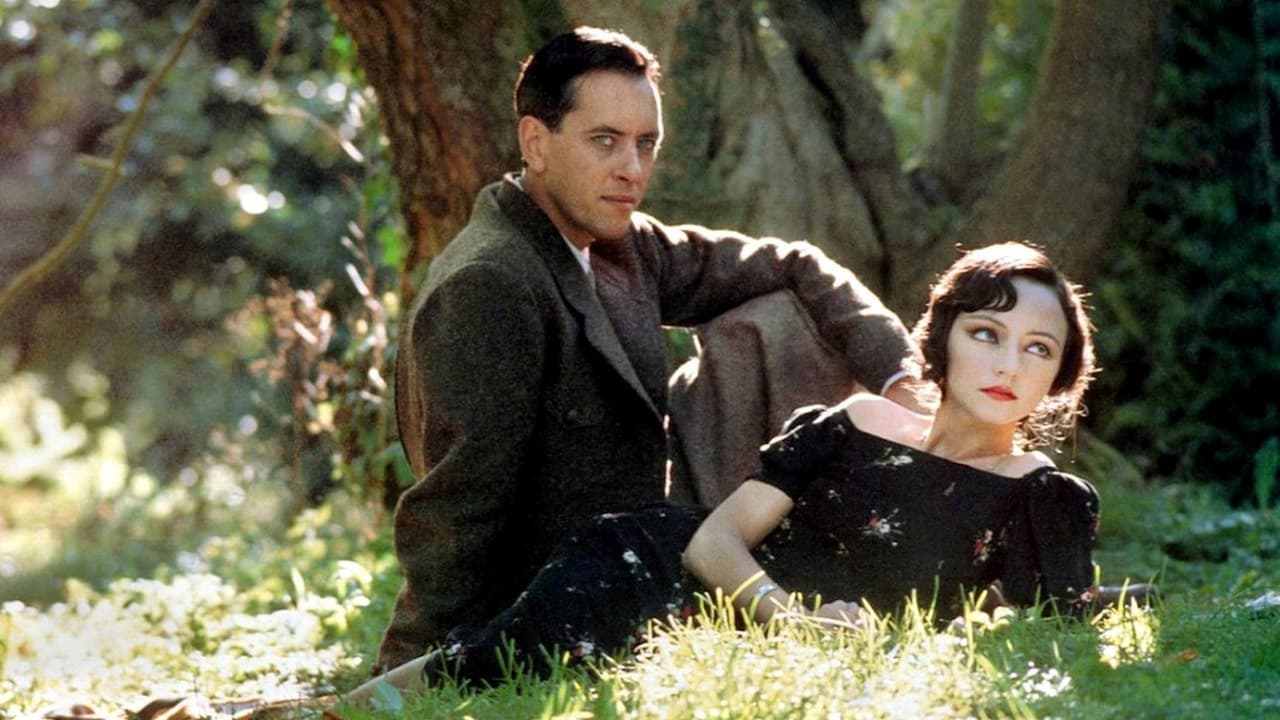
Of course, you can't discuss 'Henry & June' without mentioning its place in film history as the very first recipient of the MPAA's newly minted NC-17 rating. Intended as a non-pornographic "adults only" designation, it quickly became a commercial stigma. Universal Pictures, the original distributor, balked, leading Kaufman and producer Saul Zaentz to release it unrated initially before accepting the NC-17. This decision, born from a refusal to cut scenes depicting female desire and complex sexuality from Nin's perspective, significantly hampered its theatrical run and visibility in many mainstream video stores. It's a fascinating footnote, reminding us how challenging frank explorations of adult themes, especially female sexuality, were for the establishment even in 1990. The film cost around $11.9 million and grossed roughly $11.6 million domestically – a testament to the chilling effect the rating likely had, despite strong critical notices.
Beyond the controversy, the film is meticulously crafted. The period detail feels lived-in, the costumes subtly defining character, and the score by Mark Adler perfectly complements the mood, mixing jazz age sounds with more melancholic, reflective pieces. Kaufman doesn't shy away from the less glamorous aspects of bohemian life – the poverty, the compromises, the emotional toll – preventing the film from becoming a simple romanticization.
Art Forged in Fire?
What lingers long after the credits roll? For me, it's the questions the film raises about the messy intersection of life and art. Does living intensely, even transgressively, truly fuel creative genius? Can one explore the depths of human connection – physical and emotional – without causing pain? 'Henry & June' doesn't offer easy answers. It presents its characters, flaws and all, allowing us to observe their complex motivations and the consequences of their choices. It’s a mature, sensual, and intellectually stimulating film that treats its audience with intelligence, trusting them to navigate its challenging emotional landscape. It feels less like a story being told and more like a privileged glimpse into a specific, potent moment where lives and literature collided.
Rating: 8.5/10
This score reflects the film's artistic ambition, stunning performances (especially from the central trio), masterful direction, and courageous handling of complex adult themes. It captures a specific time and place with intoxicating atmosphere. While its deliberate pace and potentially challenging subject matter might not resonate with everyone, its quality and historical significance (that NC-17!) make it a vital piece of 90s cinema. It loses a fraction for perhaps keeping the audience at a slight emotional distance at times, observing more than fully immersing in the pain alongside the pleasure.
'Henry & June' remains a potent reminder of a time when mainstream cinema dared to be truly adult, exploring the ambiguities of desire and creativity with an artistry that feels increasingly rare. It’s a film that stays with you, sparking thought long after the VCR clicked off.