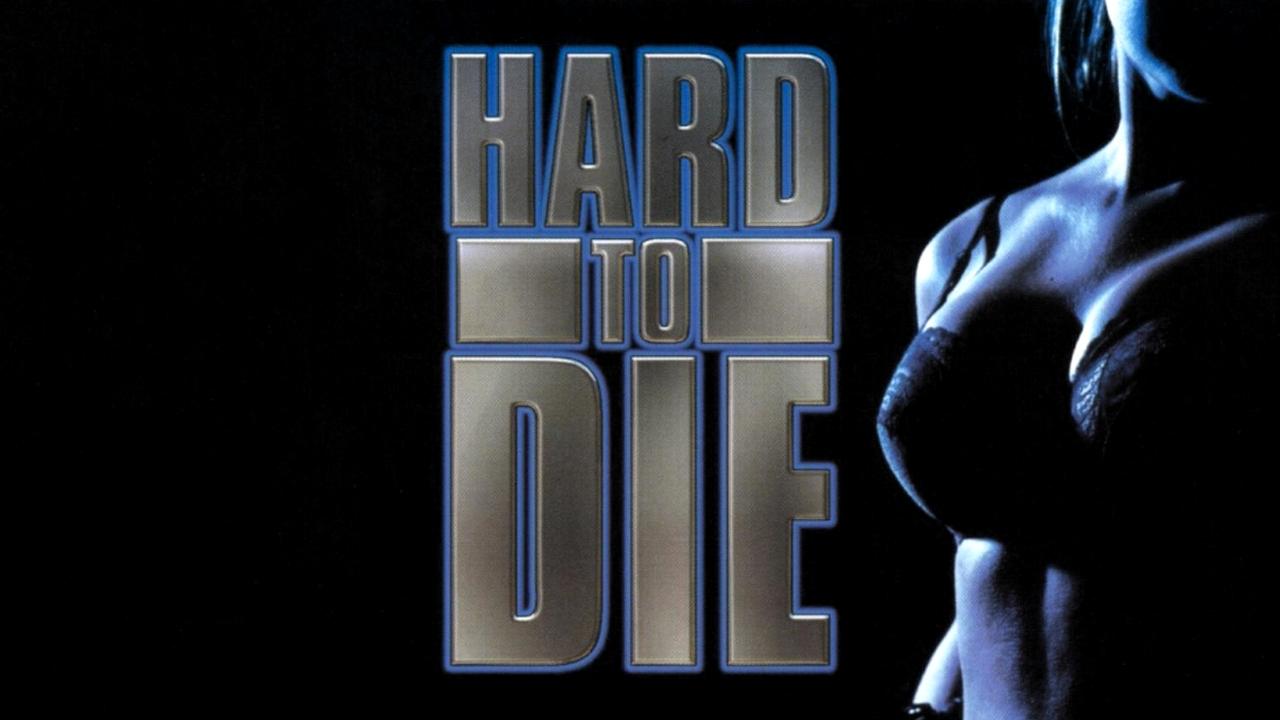
Okay, fellow tapeheads, dim the lights, maybe crack open a soda that isn't available anymore, and let's talk about a specific kind of cinematic lightning captured on magnetic tape. I'm talking about the glorious, slightly unhinged energy of finding a movie like Jim Wynorski's 1990 opus, Hard to Die, nestled between bigger names on the video store shelf. The cover art probably promised chaos, maybe some skin, and definitely some action – and boy, did Wynorski usually deliver something resembling all three. This wasn't playing at the multiplex; this was pure, uncut Friday night rental fuel.

### High-Rise Havoc on a Budget
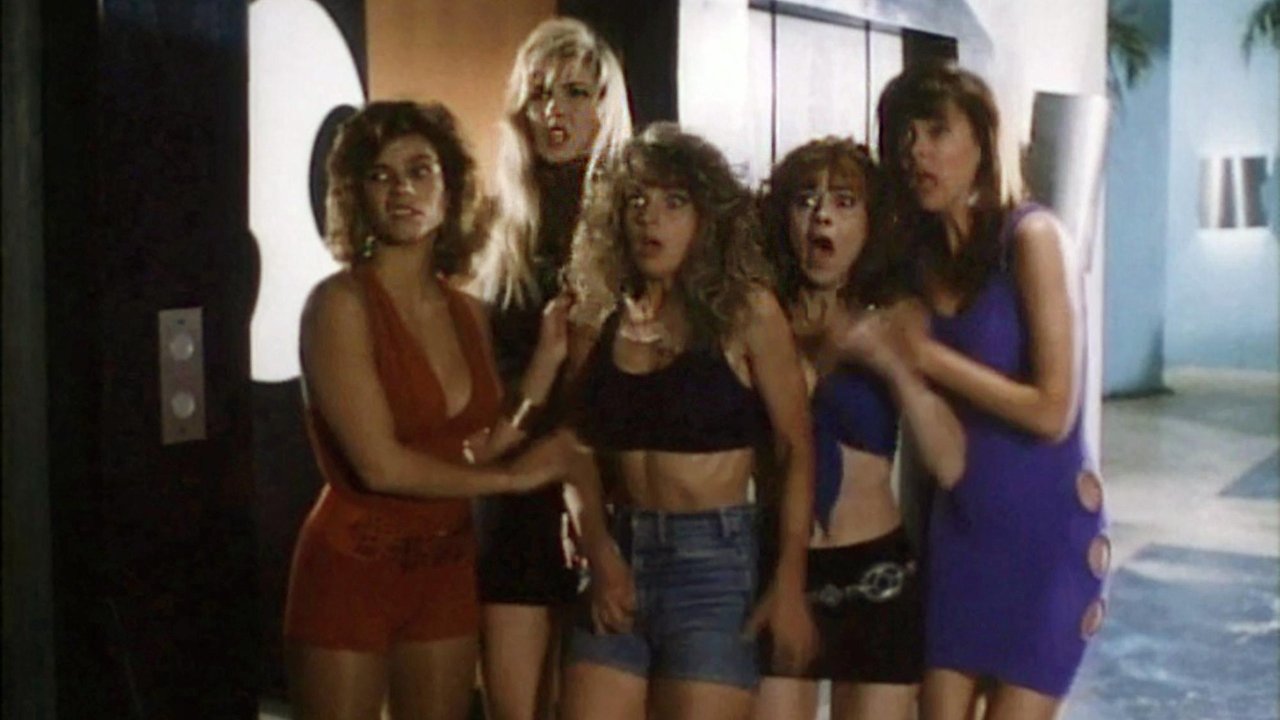
Forget Nakatomi Plaza. Our setting is the much less glamorous, but infinitely more relatable (for a certain kind of movie), Acme Lingerie warehouse. A group of women, including delivery drivers and models, are stuck working late doing inventory when a seriously disturbed killer starts picking them off one by one. Sound familiar? Yeah, it's basically Die Hard in bras and panties, cooked up in the legendary low-budget dream factory run by producer Roger Corman. And honestly? That pitch alone is worth the rental fee back in the day.
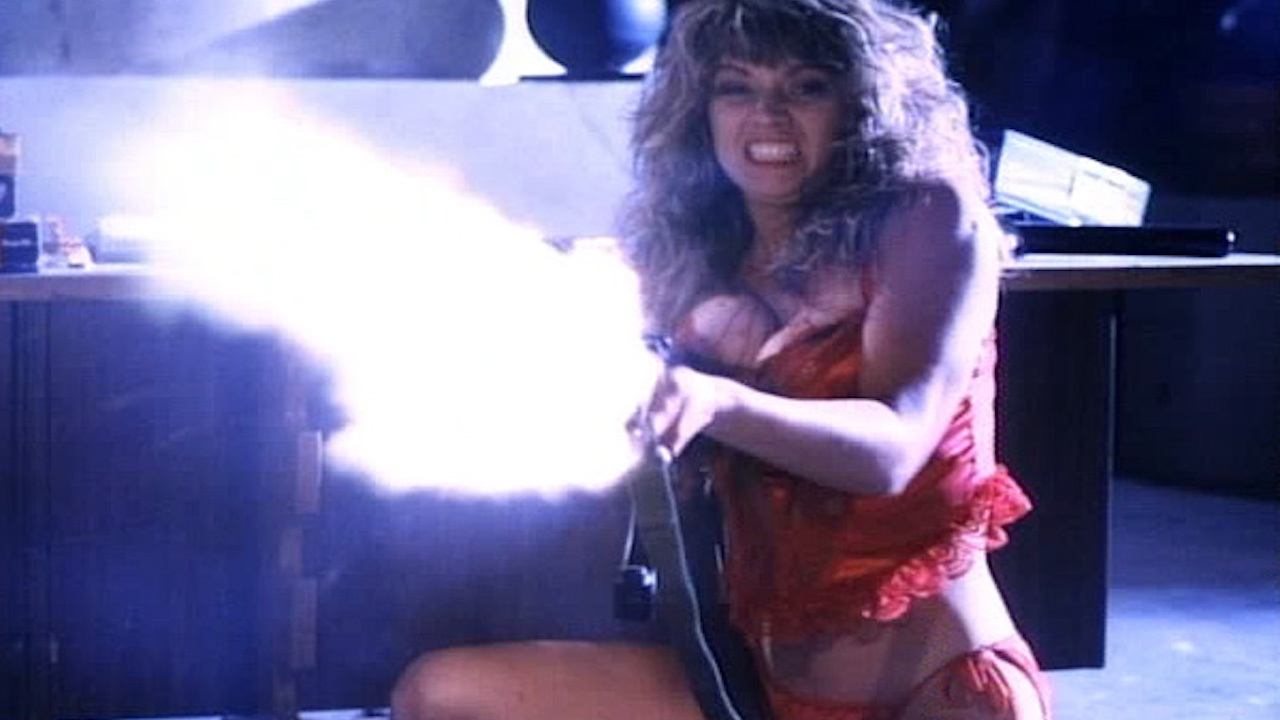
The setup is simple, effective, and gets right down to business. Wynorski, a director famed for his speed and ability to stretch a dollar until it screamed, wasn't interested in complex character arcs. He knew his audience wanted thrills, chills, and maybe a few spills (often of the gratuitous variety). We get our heroines, led by the capable Gail Harris (credited here as Robyn Harris, a familiar face for Wynorski fans) and featuring Melissa Moore and Debra Dare among others, who have to suddenly shift from cataloging sleepwear to survival mode.
### Wynorski Wizardry: Making Magic (and Movies) Fast
You can almost feel the production constraints bleeding through the screen, and that's part of the charm. Roger Corman's Concorde Pictures was notorious for demanding films be shot incredibly quickly and cheaply. Jim Wynorski, who directed tons of flicks for Corman like Chopping Mall and Deathstalker II, was a master of this. Rumor has it Hard to Die was banged out in something like seven days. Think about that! Seven days to create a feature film. It's madness, but it's also kind of impressive.
And speaking of reusing things... eagle-eyed viewers might notice the main house set looks very familiar. That's because it's the exact same location used for Wynorski's Sorority House Massacre II, shot right before Hard to Die! Retro Fun Fact: Corman was so budget-conscious that Wynorski was often tasked with shooting multiple films back-to-back using the same sets and sometimes even overlapping casts to maximize efficiency. Some even whisper that bits of footage might have been recycled between the two, though that's harder to confirm. It's the kind of thrifty filmmaking that defined a whole era of B-movies. The film itself was made for peanuts, likely well under $1 million, but probably turned a tidy profit on video rentals and cable deals.
### Practical Punch-Ups and Polyester Panic
Now, let's talk action. Forget sleek, CGI-enhanced choreography. This is the era of squibs that looked like small firecrackers taped to denim jackets, stunt falls that maybe didn't have quite enough padding, and gore effects that were gooey, messy, and undeniably there. Remember how real those bullet hits looked back then, even if they were obviously packets of fake blood? There's a raw, physical quality to the violence in Hard to Die. When someone gets thrown through a flimsy prop wall, you feel the impact in a way that smoother, modern effects sometimes lack.
The killer, Orville (played with suitable menace), isn't some supernatural force; he's just a big, creepy guy, which somehow makes the threat feel more grounded, despite the outlandish premise. The tension comes from the cat-and-mouse game within the confines of the warehouse, utilizing stock rooms, mannequins, and, yes, lingerie displays as part of the battleground. The practical effects, while obviously low-budget, have that tangible quality we remember. The fire looks like real fire (because it probably was, handled carefully... ish), and the stalk-and-slash sequences rely on shadow, quick cuts, and the actors' panicked reactions rather than digital trickery. It might look dated now, but back then, viewed on a fuzzy CRT, it felt immediate and intense.
### More Than Just a Knock-Off?
While it clearly apes the Die Hard formula (even getting released in some markets as Tower of Terror), Hard to Die has its own weird energy. The all-female core cast banding together against the male threat gives it a slightly different flavor than many of its contemporaries. It leans into the slasher elements more heavily than its action blockbuster inspiration, mixing suspenseful stalking with sudden bursts of violence. The dialogue isn't exactly Shakespeare, but it serves its purpose, moving things along to the next chase or confrontation.
Was it a box office smash? Of course not. It likely never saw the inside of many theaters. But on VHS? It found its audience. Critics at the time probably dismissed it (if they noticed it at all), but fans of Corman's output and late-night cable crawlers knew what they were getting: a cheap, cheerful, and surprisingly energetic slice of genre filmmaking. It delivers exactly what it promises on the tin (or, rather, the clamshell case). Watching it now takes me right back to browsing those aisles, looking for something loud and thrilling for a weekend viewing.
---
Rating: 6/10
Justification: Hard to Die is undeniably cheap, derivative, and occasionally clumsy. However, it's also remarkably energetic for its budget, features some fun practical gore and stunts, and fully embraces its Die Hard-meets-slasher premise with unapologetic gusto thanks to Jim Wynorski's efficient direction. The reuse of sets and the sheer speed of production are fascinating B-movie footnotes. It delivers on its low-budget promises, making it a solid example of the kind of flick that thrived in the direct-to-video market.
Final Thought: It's rough around the edges, sure, but Hard to Die is a prime example of that glorious VHS-era alchemy where limited resources and maximum enthusiasm could still crank out 90 minutes of disposable, yet strangely memorable, mayhem. Yippee-ki-yay, bargain-basement style.