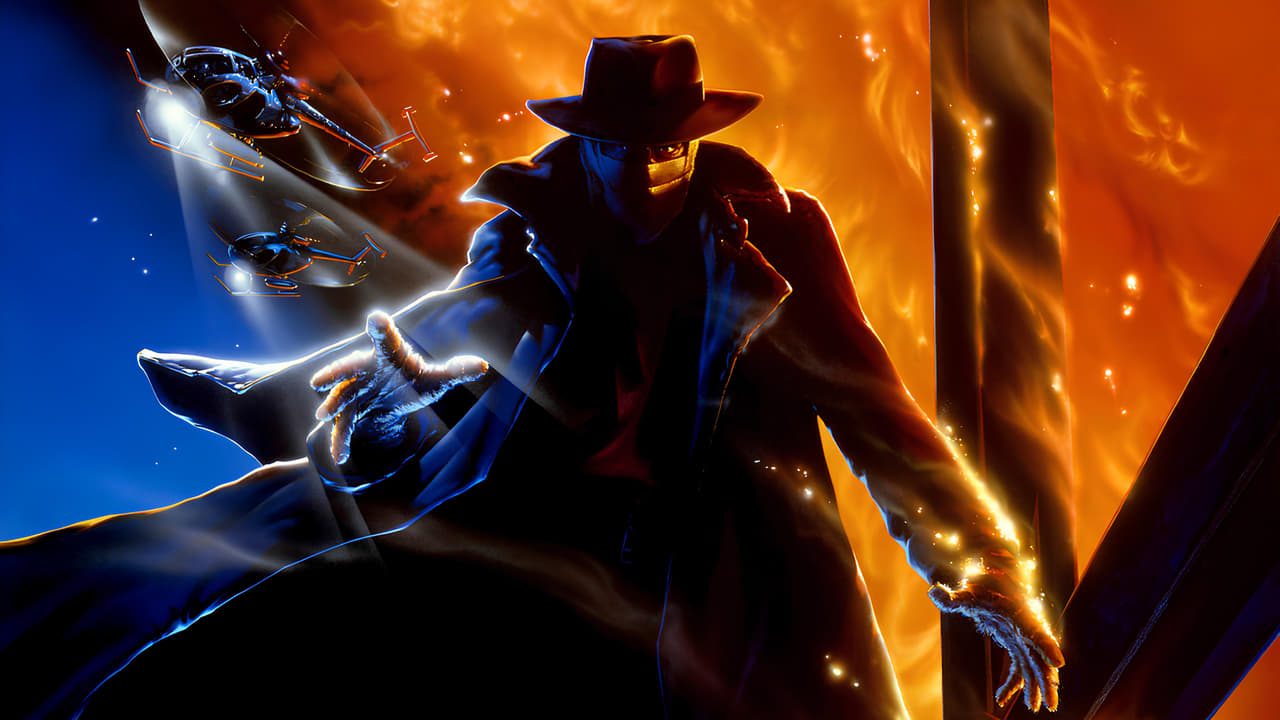
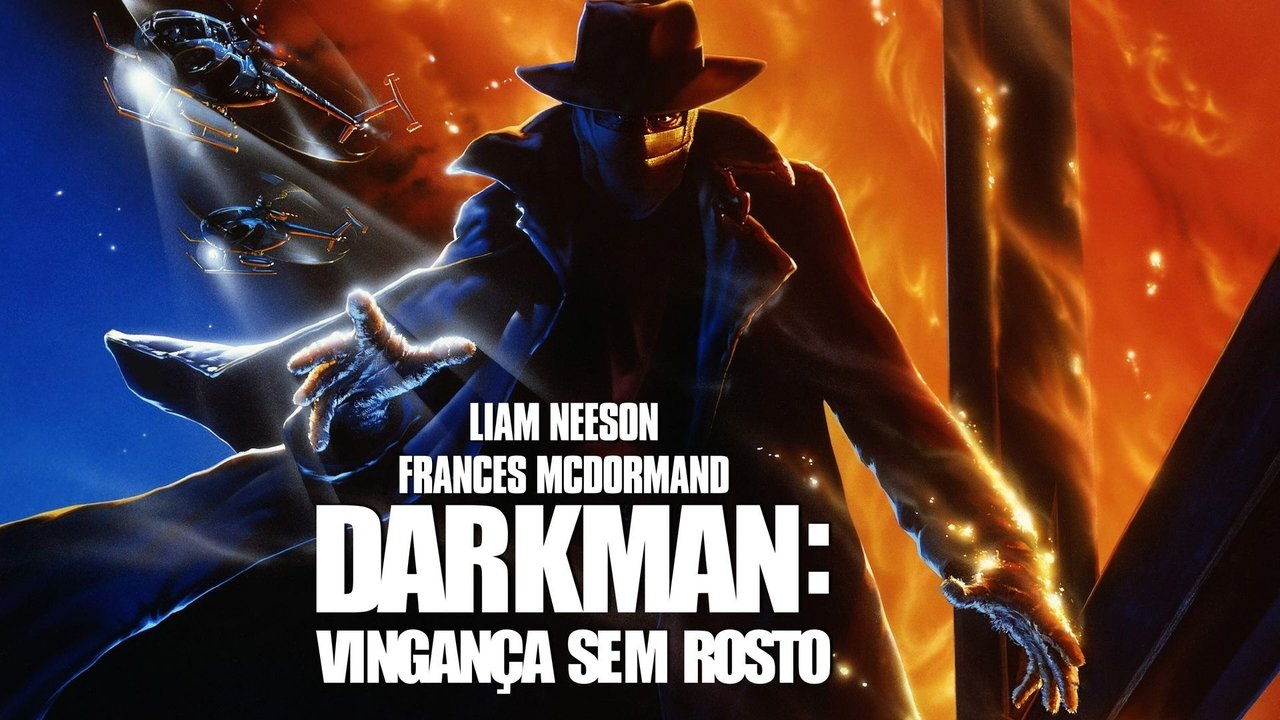
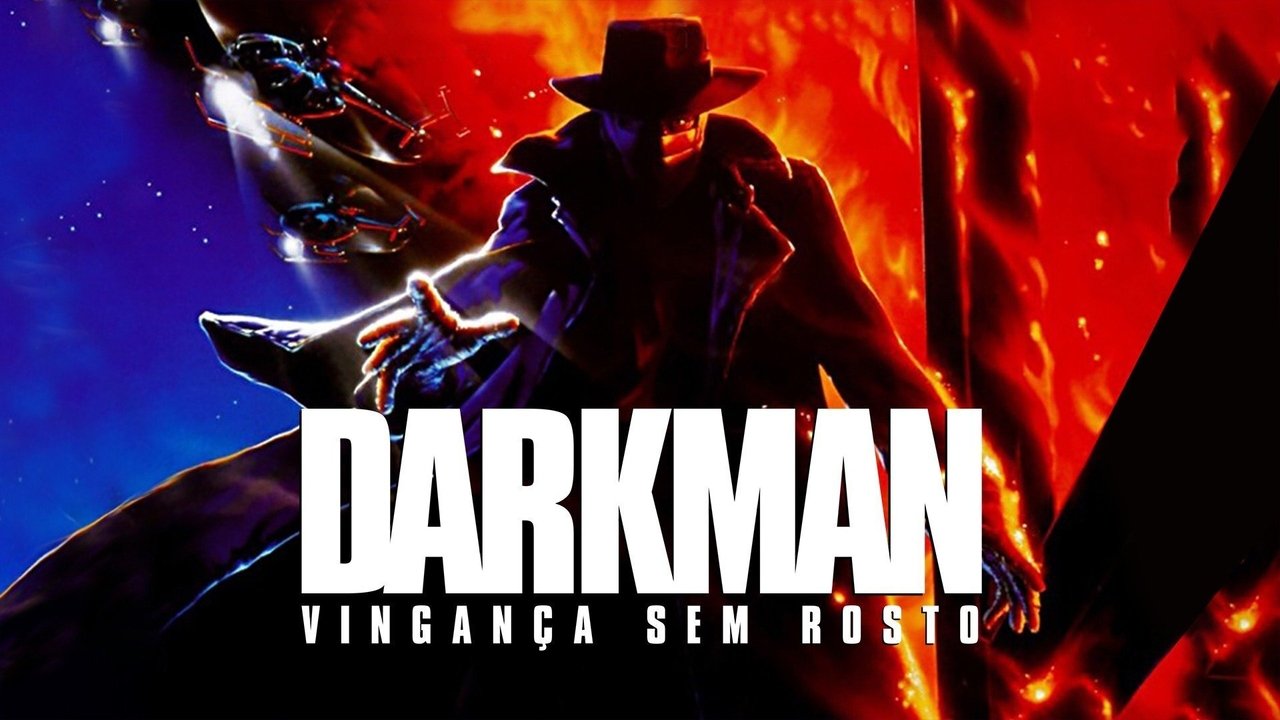
"Who is Darkman?" The question echoes long after the credits roll, not just because it’s his final, haunting line, but because Sam Raimi’s 1990 gothic opera of a superhero film leaves you grappling with the jagged edges of identity, vengeance, and monstrous transformation. This wasn't your clean-cut caped crusader beamed in from Metropolis; this was something raw, scarred, and seething, birthed in fire and chemicals right onto our flickering CRT screens. That scarred visage peering out from the VHS cover promised something primal, and Darkman delivered a unique blend of tragedy and B-movie thrills that felt startlingly potent in the pre-MCU landscape.
### Forged in Flames, Bound by Rage
The premise is pure pulp tragedy: brilliant, slightly naive scientist Dr. Peyton Westlake (Liam Neeson, in a career-defining role before Schindler's List redefined him) is on the verge of perfecting synthetic skin. His idyllic life with attorney girlfriend Julie Hastings (Frances McDormand) is shattered when ruthless mobster Robert Durant (the icily effective Larry Drake) and his thugs destroy his lab, leaving Westlake for dead after a horrific burning and explosion. Left horrifically disfigured and emotionally unstable by an experimental medical procedure that cuts off his pain receptors but amps up his adrenaline and rage, Westlake becomes Darkman – a phantom utilizing his flawed synthetic skin tech to create temporary masks, infiltrate the underworld, and exact brutal revenge.
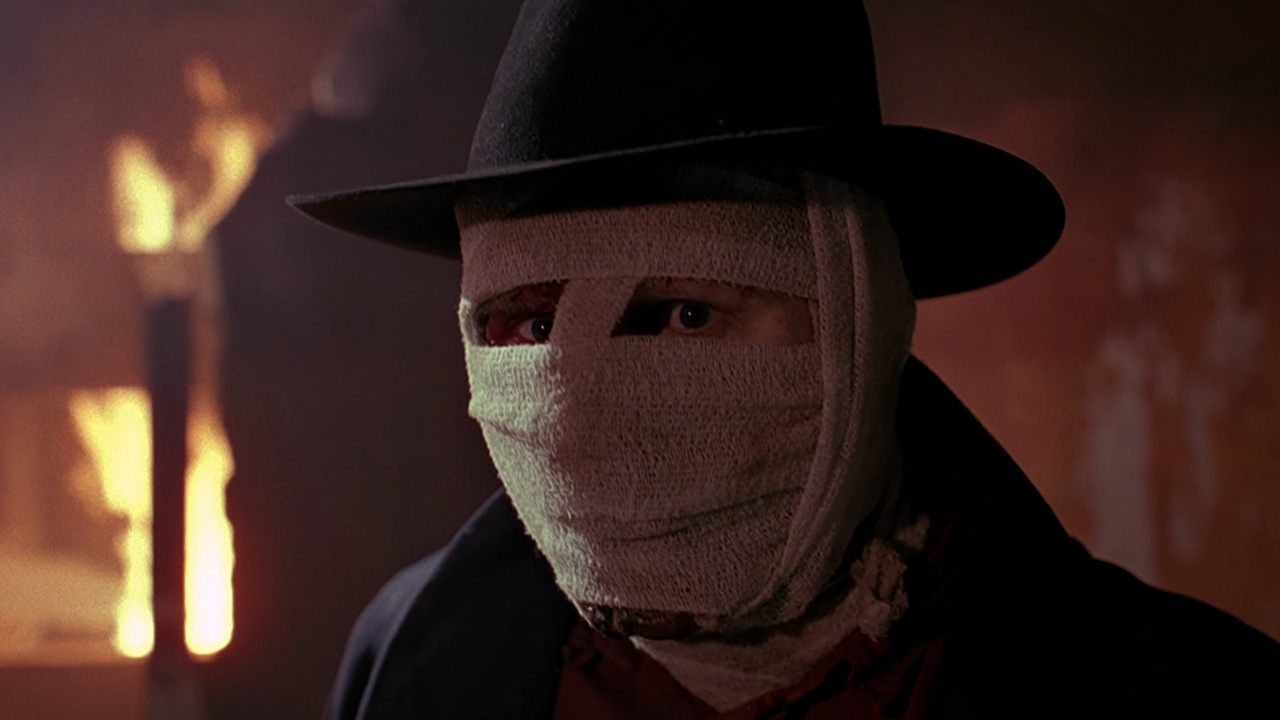
Neeson, years before his particular set of skills involved rescuing daughters, is utterly compelling here. He channels the character's physical agony and profound psychological torment with raw intensity. You feel the anguish beneath the bandages, the bursts of uncontrollable fury, the desperate longing for a life stolen from him. It's a physically demanding role, not least because Neeson reportedly spent hours in the makeup chair, finding the process initially "agonizing" but eventually using the confinement to tap into Westlake's fractured psyche. This commitment grounds the film's more outlandish moments in genuine pathos.
### Raimi Running Wild
This is unmistakably a Sam Raimi joint. Fresh off Evil Dead II (1987) and unable to secure the rights to Batman or The Shadow (his first choices), Raimi essentially cooked up his own superhero, heavily inspired by the classic Universal Monsters – think Phantom of the Opera meets The Invisible Man, filtered through his hyperkinetic, Dutch-angle-loving lens. The camera rarely sits still; it zooms, crashes, and POV-shots its way through meticulously crafted chaos. Remember that fairground scene? The frantic energy, the grotesque funhouse mirror reflections of Westlake's own state – pure Raimi.
He injects the film with a visual dynamism that feels both comic-book inspired and deeply unsettling. The quick cuts during Westlake's rage episodes, the operatic swells of Danny Elfman's fantastic score (which feels like a glorious sibling to his Batman '89 work), the almost gleeful depiction of cartoonish violence – it all coalesces into something uniquely Darkman. Budgeted at a modest $16 million (around $37 million today), the film punches far above its weight, turning potential limitations into stylistic strengths, a hallmark Raimi would carry into his later blockbuster work like Spider-Man (2002).
### The Horrors of the Flesh
Let's talk about those effects. In an era before seamless CGI, Darkman's practical makeup and prosthetic work (by Tony Gardner and Larry Hamlin) were groundbreaking and genuinely disturbing. The ruined, nerve-exposed face beneath the bandages is a truly horrific creation, tapping into primal fears of disfigurement. The synthetic skin masks – bubbling, melting, distorting under pressure or time constraints – provide moments of pure body horror. That sequence where a mask rapidly deteriorates mid-conversation? Still unnervingly effective.
Even the early CGI used for some facial morphing effects, while perhaps dated now, felt cutting-edge back in 1990, hinting at the digital revolution to come. These visual elements weren't just cosmetic; they were integral to the film's themes of fragile identity and the monstrousness hiding beneath a normal facade. It’s little wonder the studio reportedly battled with Raimi over the intensity, demanding cuts to avoid a harsher rating than the eventual R. Some international cuts even trimmed moments deemed too extreme.
### A Cult Hero's Shadow
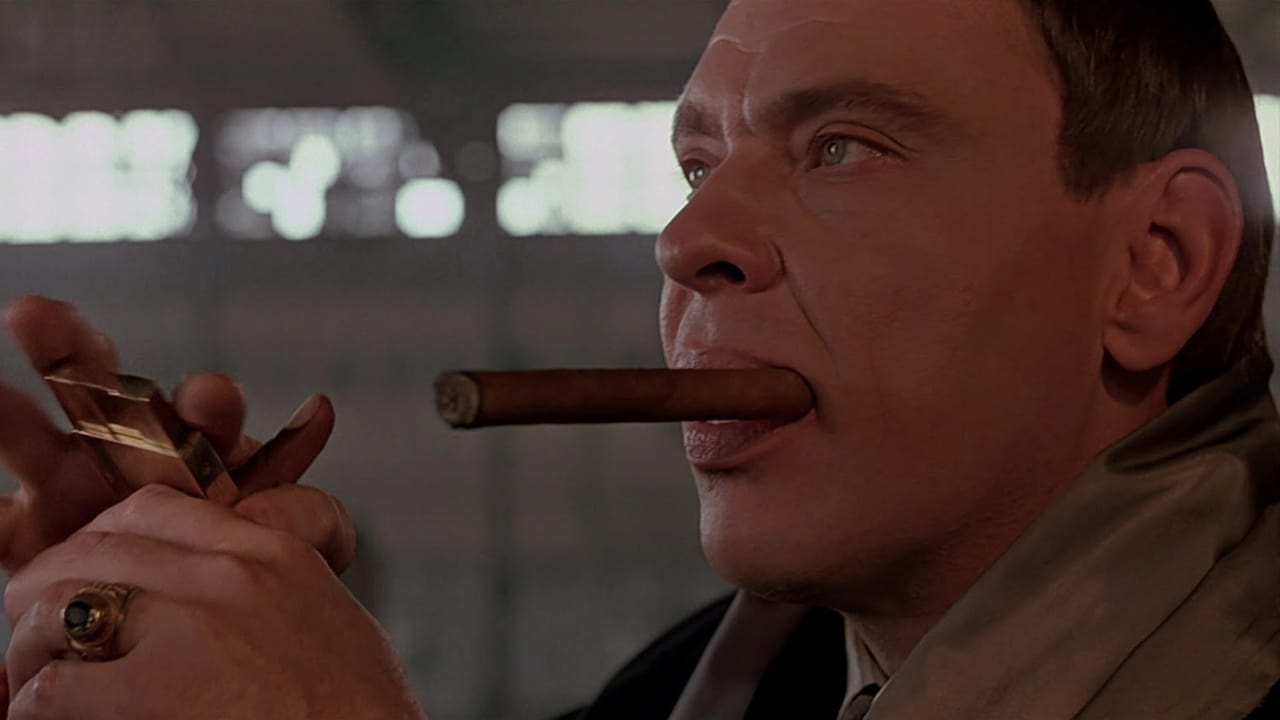
While Neeson carries the film, the supporting cast adds texture. Frances McDormand, always excellent, brings believable strength and vulnerability to Julie, the emotional anchor Westlake desperately clings to. Larry Drake as Durant is chillingly memorable, his penchant for collecting fingers with a cigar cutter adding a nasty edge to the villainy. The plot itself might indulge in pulp logic, but it moves with relentless energy, blending noirish undertones with explosive action set pieces – that helicopter sequence remains a standout of practical stunt work and Raimi's controlled mayhem.
Darkman wasn't a runaway smash, grossing a respectable $48.8 million worldwide, but its influence and cult status grew rapidly on home video. It felt like a darker, weirder alternative to the mainstream superhero fare, a glimpse into the genre's potential for exploring more complex, tormented figures. It certainly laid stylistic groundwork for Raimi's later superhero success and spawned two direct-to-video sequels (starring Arnold Vosloo), though neither captured the original's manic energy or tragic heart.
***
VHS Heaven Rating: 8/10
This score reflects Darkman's bold vision, Raimi's exhilarating direction, Neeson's powerful central performance, and its unforgettable practical effects. It captures a specific, almost operatic blend of horror, action, and tragedy that feels distinct even today. While some elements haven't aged perfectly and the tone occasionally wobbles, its raw energy and commitment to its dark premise earn it major points. It’s a thrilling, often unsettling ride that perfectly encapsulates the creative risks possible in the pre-digital blockbuster era.
Final Thought: Darkman remains a fascinating artifact – a superhero film born not from established lore, but from pure directorial will and a love for classic movie monsters, leaving behind a scarred, angry, and utterly unique footprint on the genre. It's the kind of gem you'd excitedly grab from the 'Action' shelf, knowing you were in for something special.