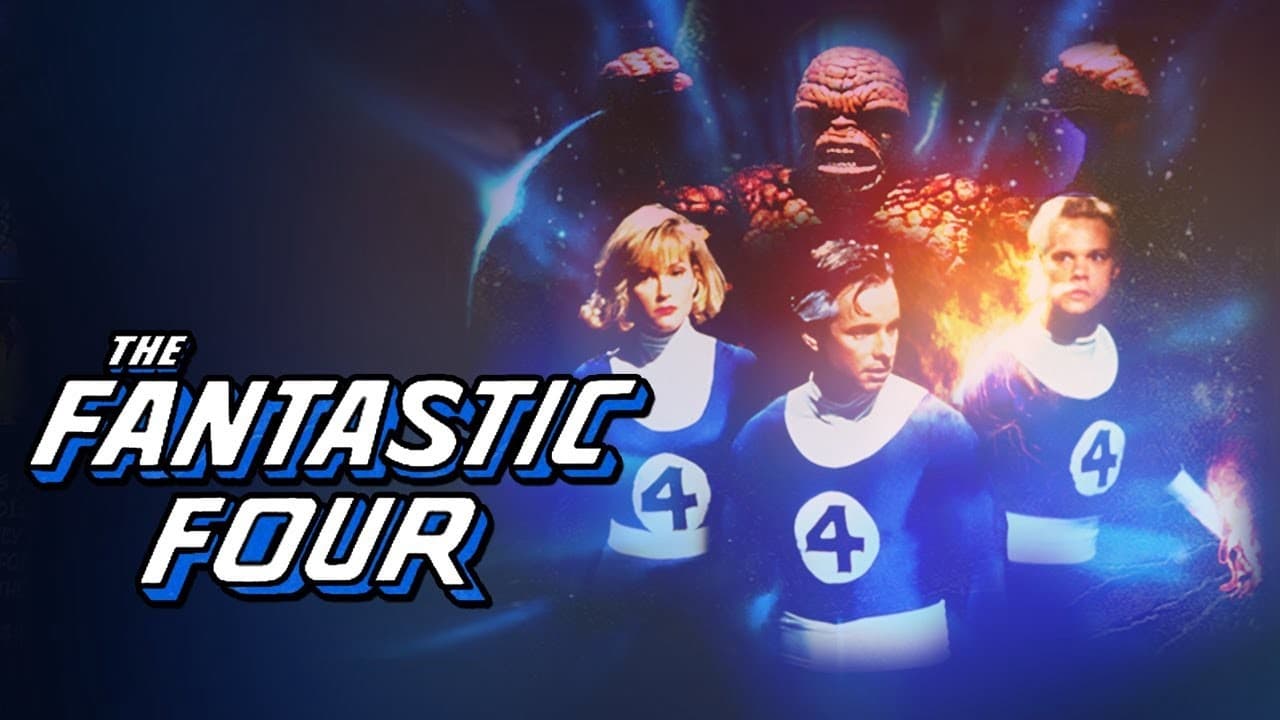
Okay, fellow tapeheads, gather 'round the flickering glow of the CRT. Tonight, we're digging into a reel mystery, a phantom film whispered about in hushed tones at comic conventions and traded on grainy bootlegs for years. Forget scouring the shelves of Blockbuster or Jumbo Video for this one – you wouldn't have found it. We're talking about the legendary, the infamous, the unreleased The Fantastic Four from 1994.
### The Superhero Movie That Wasn't (Officially)
This isn't your slick, billion-dollar Marvel Studios production. Oh no. This is a relic from a different age, born not necessarily of pure creative passion, but of contractual obligation. The story behind the camera is almost more compelling than the one in front of it. German producer Bernd Eichinger's company, Neue Constantin Film, held the rights to Marvel's first family, but they were about to expire at the end of 1992 unless production began. Enter the undisputed king of low-budget filmmaking, Roger Corman, as executive producer. Tasked with making a Fantastic Four movie on a shoestring budget – rumored to be around a mere $1 million (a pittance even then!) – director Oley Sassone and his team scrambled to bring Reed Richards, Sue Storm, Johnny Storm, and Ben Grimm to life.
They actually did it. They shot the movie. They even planned a premiere at the Mall of America and ran trailers in cinemas alongside films like Mrs. Doubtfire. And then... poof. It vanished. Marvel executive Avi Arad, reportedly horrified that this low-budget affair might tarnish the brand's image before a proper big-budget attempt, allegedly purchased the film rights for a sum (Corman has disputed the exact transaction details) simply to shelve it permanently. Every official print was supposedly destroyed. But this is the VHS era we're talking about, folks! Nothing truly disappears. Bootleg copies inevitably surfaced, passed hand-to-hand like forbidden treasures, cementing the film's cult status. I remember hearing whispers about it in the mid-90s, this mythical "lost" Marvel movie, finally tracking down a fuzzy dupe years later felt like unearthing cinematic contraband.
### Assembling the Team (On a Budget)
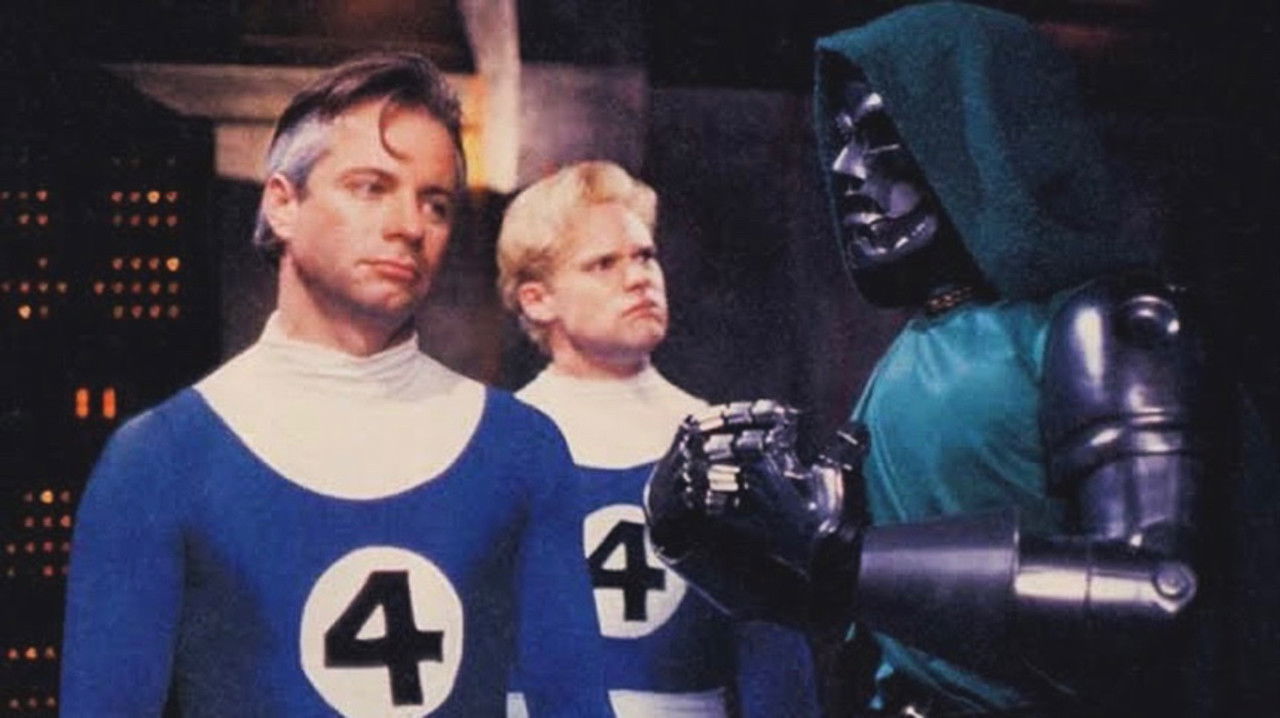
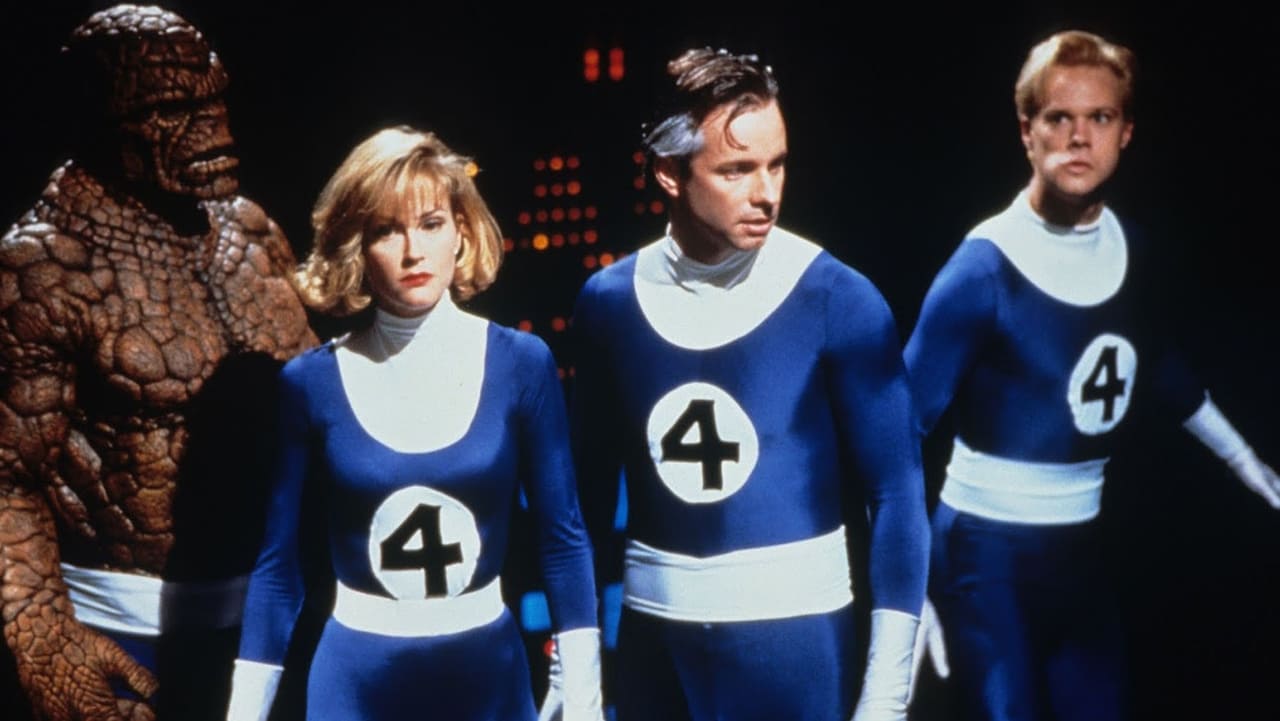
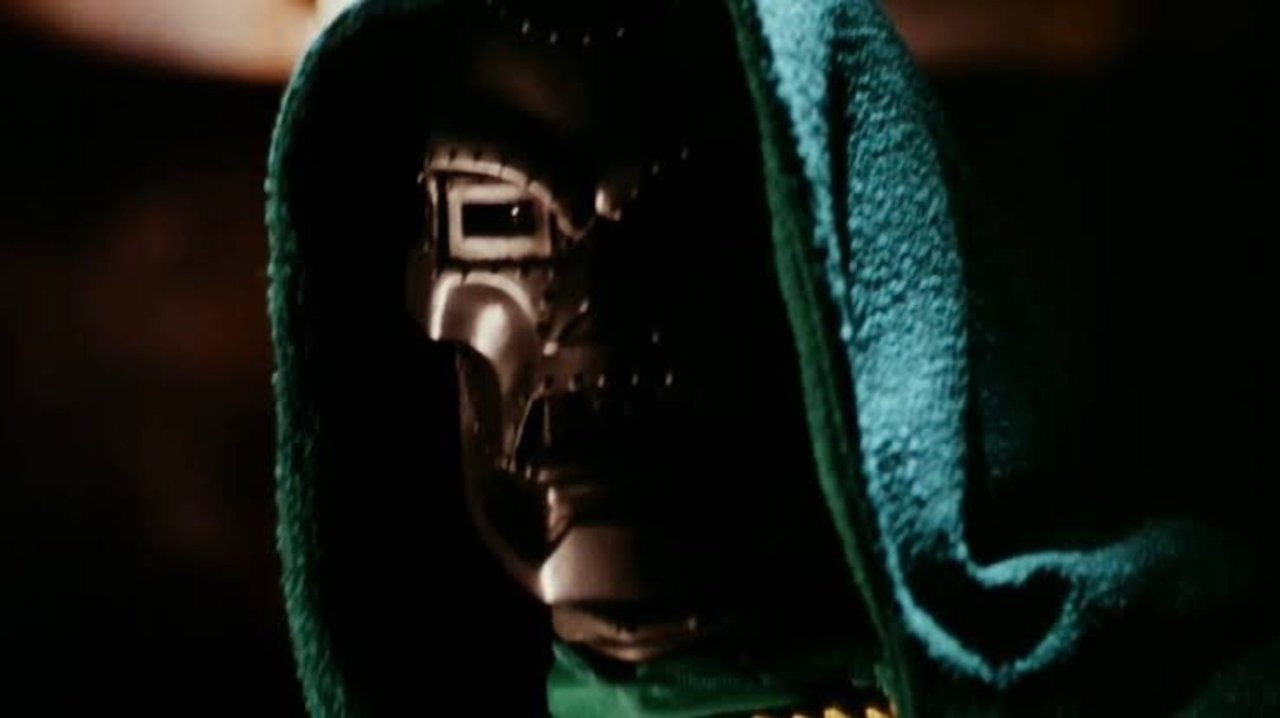
So, what about the film itself? It’s… well, it’s exactly what you’d expect from a $1 million superhero movie produced by Corman in the early 90s. It’s earnest, ambitious in its own way, and undeniably charmingly dated. The cast gives it their all: Alex Hyde-White (perhaps best known to genre fans from Biggles: Adventures in Time) plays Reed Richards with a certain square-jawed sincerity, Rebecca Staab is a capable Sue Storm, and Jay Underwood brings youthful energy (and questionable 90s hair) to Johnny Storm/The Human Torch. Michael Bailey Smith plays Ben Grimm pre-transformation, with Carl Ciarfalio lumbering gamely inside the Thing suit. And Joseph Culp chews the scenery appropriately as Doctor Doom, complete with a surprisingly comic-accurate look, albeit achieved with materials that look like they might have been sourced from a hardware store.
The origin story is surprisingly faithful to the comics – college friends Reed, Ben, Sue, and Johnny sneak aboard Reed’s experimental spacecraft, get zapped by cosmic rays, crash-land, and discover their newfound powers. The plot then pits them against Doom, who has his own connection to their past and a dastardly plan involving lasers and world domination (naturally). It hits the expected beats, but everything feels constrained by the budget. Sets are minimal, locations are generic, and the pacing sometimes feels more like a TV movie pilot than a feature film – which, given the production circumstances, isn't entirely surprising.
### That Glorious Pre-CGI Grit
Now, let's talk effects – the heart of any superhero flick, especially in the practical era. Forget seamless digital transformations. Here, Reed Richards' stretching is achieved through charmingly obvious camera tricks and maybe some rubber props. Sue Storm’s invisibility is mostly simple fades and matte effects. Johnny Storm’s flame powers? Think optical overlays and the occasional controlled burst of actual fire – brave stunt work, certainly, but worlds away from the CGI infernos we see today. Remember how real those practical fire gags looked back then, even if they weren't perfectly integrated? There was a weight, a danger to it.
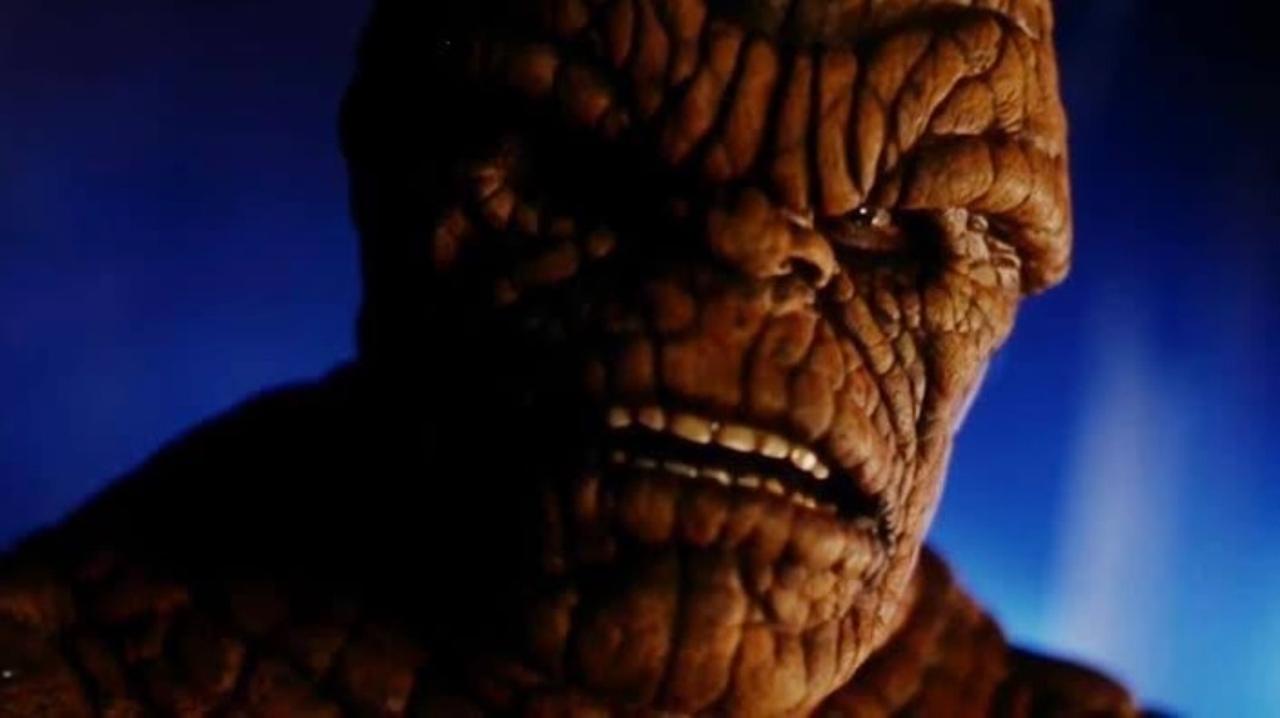
And then there's The Thing. Oh, Ben. The suit is pure 90s rubber monster chic. It’s bulky, the facial expressions are limited (mostly just the mouth moving), and it looks perpetually uncomfortable for poor Carl Ciarfalio inside. Yet… there’s something endearing about it. It’s a physical creation, a tangible monster suit like something out of Godzilla or a Universal classic. You can practically smell the latex. Compared to today's often weightless digital characters, this Thing, flawed as it is, has a undeniable presence. The filmmakers clearly put effort into making it work, even with limited resources. Doom’s armor, too, has that hand-crafted, slightly rough-around-the-edges feel that screams "Made with Passion (and possibly some spray paint)."
### Was It Worth Fighting For?
Despite its troubled production and notorious reputation, The Fantastic Four isn't entirely without merit, viewed through the right lens. Oley Sassone directs with a straightforward competence, trying to inject some energy into the proceedings. There's a sincerity to the performances that shines through the B-movie constraints. It captures a certain comic book aesthetic, albeit one filtered through late-night cable movie sensibilities. It's fascinating to see Marvel's first family interpreted before the modern superhero boom, in an era where such adaptations were far riskier and less common.
The real value here isn't in discovering a lost masterpiece. It's about appreciating a fascinating piece of film history, a testament to the weird back alleys of rights deals and the can-do spirit of low-budget filmmaking. It’s a time capsule demonstrating why people eventually thought the Fantastic Four needed a bigger budget. It’s the ultimate VHS oddity, a film famous precisely because it wasn't supposed to be seen.
---
VHS Heaven Rating: 4/10
Rating Explained: Let's be honest, judged as a mainstream superhero film, it's objectively poor. The effects are crude, the acting is often stiff, and the production values scream 'bargain basement'. However, judged as a historical curiosity, a Corman-produced oddity, and a fascinating example of a "lost" film rescued by bootleg culture, it’s utterly captivating. This score reflects its near-zero conventional quality but acknowledges its significant cult status and historical interest for retro film fans. It fails as a blockbuster, but succeeds as a legend.
Final Take: Forgettable as a film, unforgettable as a story. This is pure, unadulterated VHS-era mythology – a movie so cheap they tried to bury it, but like any good comic book character, it refused to stay down. Worth seeking out (if you can find it) for the sheer historical WTF factor alone.