Alright, settle in, grab your microwaved popcorn, and let's rewind to a time when superhero sequels weren't guaranteed mega-hits, but sometimes... well, sometimes they were Superman IV: The Quest for Peace. Popping this tape into the VCR back in '87 (or finding it lurking hopefully on the rental shelf later) often came with a mix of excitement and, let's be honest, eventual bewilderment. It’s a film born from noble intentions, spearheaded by the Man of Steel himself, Christopher Reeve, yet famously grounded by production woes that are almost as legendary as Superman’s powers.
A Hero's Hope, A Studio's Budget
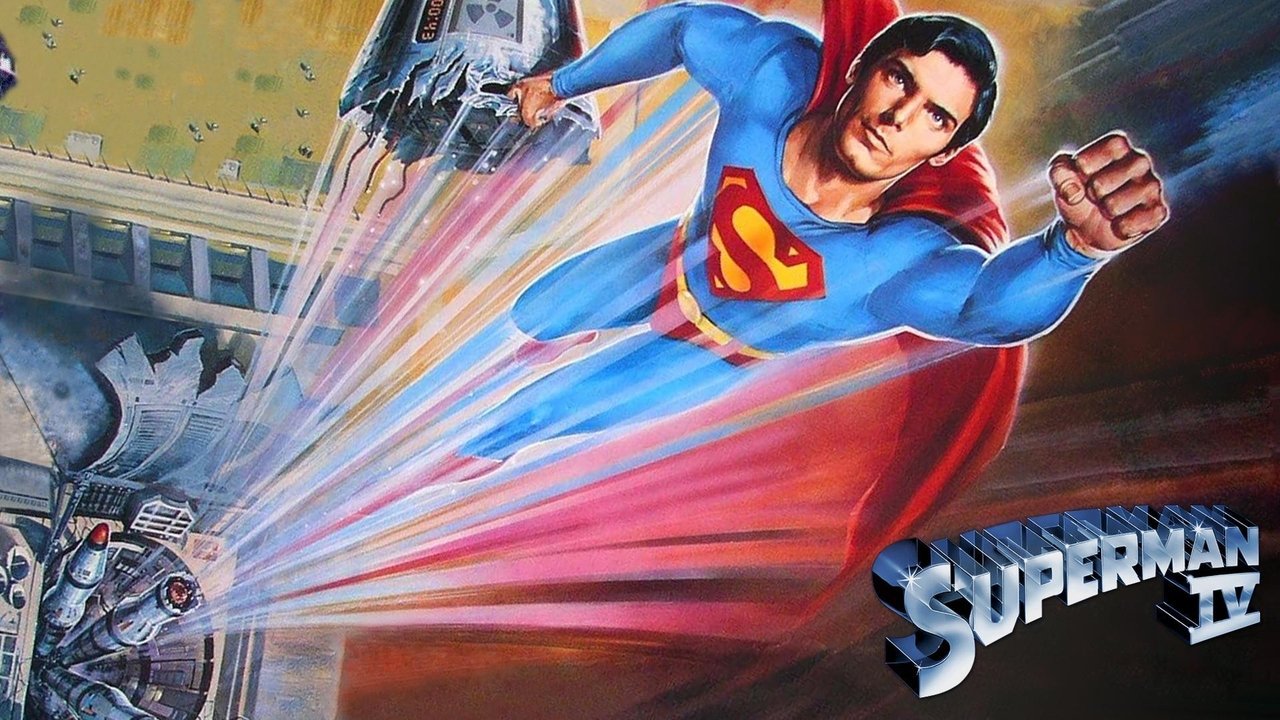
You have to admire the core idea, genuinely. After the somewhat lighter fare of Superman III (1983), Reeve was lured back to the cape not just by a paycheck, but by the promise of creative input. His passion project? A story tackling the very real anxieties of the Cold War era: nuclear disarmament. Superman, witnessing the escalating arms race, decides to unilaterally rid the world of nuclear weapons. It’s a bold, inherently optimistic concept, perfectly suited to the character’s ethos. The problem wasn't the heart; it was the wallet.
Enter Cannon Films, the studio run by Menahem Golan and Yoram Globus, kings of high-concept, low-budget 80s action fare (Delta Force, Masters of the Universe). They promised Reeve the world, or at least a decent budget ($36 million initially), but financial troubles led them to slash it almost in half, down to a reported $17 million. And folks, on screen, it shows. This wasn't the polished, awe-inspiring spectacle Richard Donner delivered in '78; this was Superman on a shoestring, a fact that becomes painfully apparent with nearly every effects shot.
Metropolis, Milton Keynes?
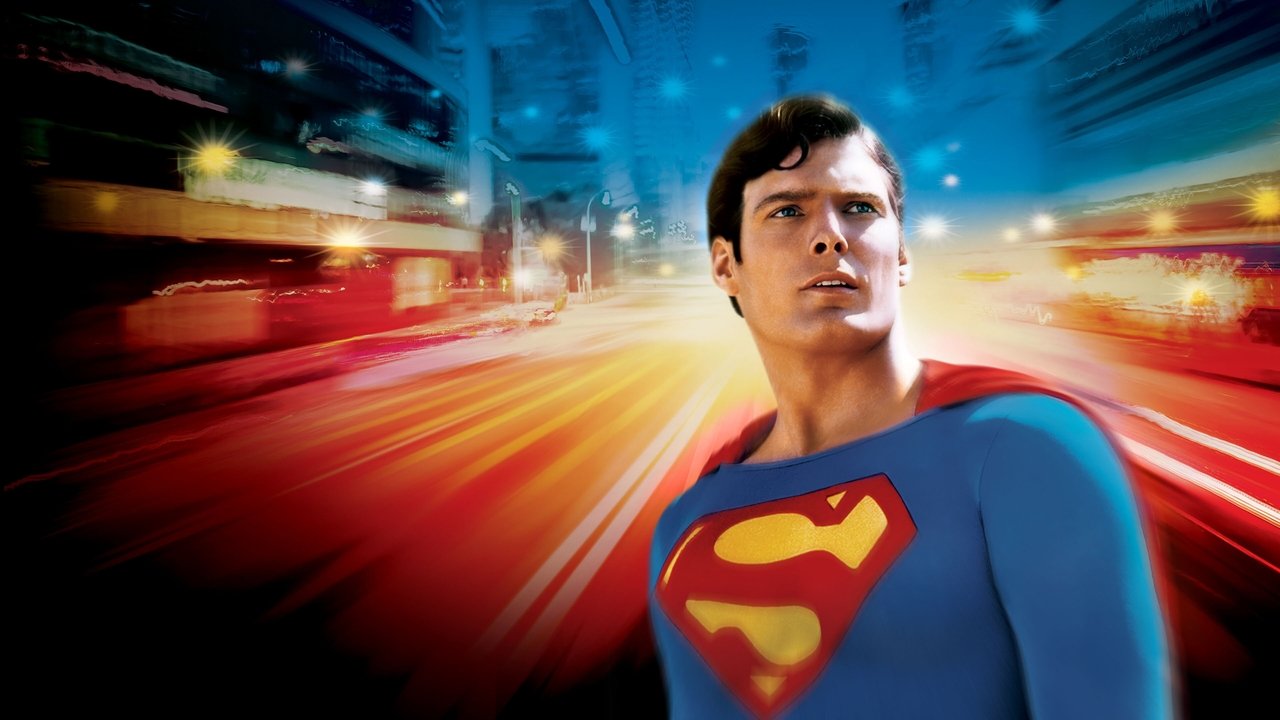
The visual cracks appear early and often. Remember those majestic flying sequences from the first film? Here, they often look… less majestic. Bluescreen fringing, repetitive shots, and sometimes painfully obvious wire work make you appreciate just how groundbreaking those earlier efforts were. It's a testament to Reeve's unwavering sincerity that he still feels like Superman, even when the background clearly looks like he's pinned to a projection screen.
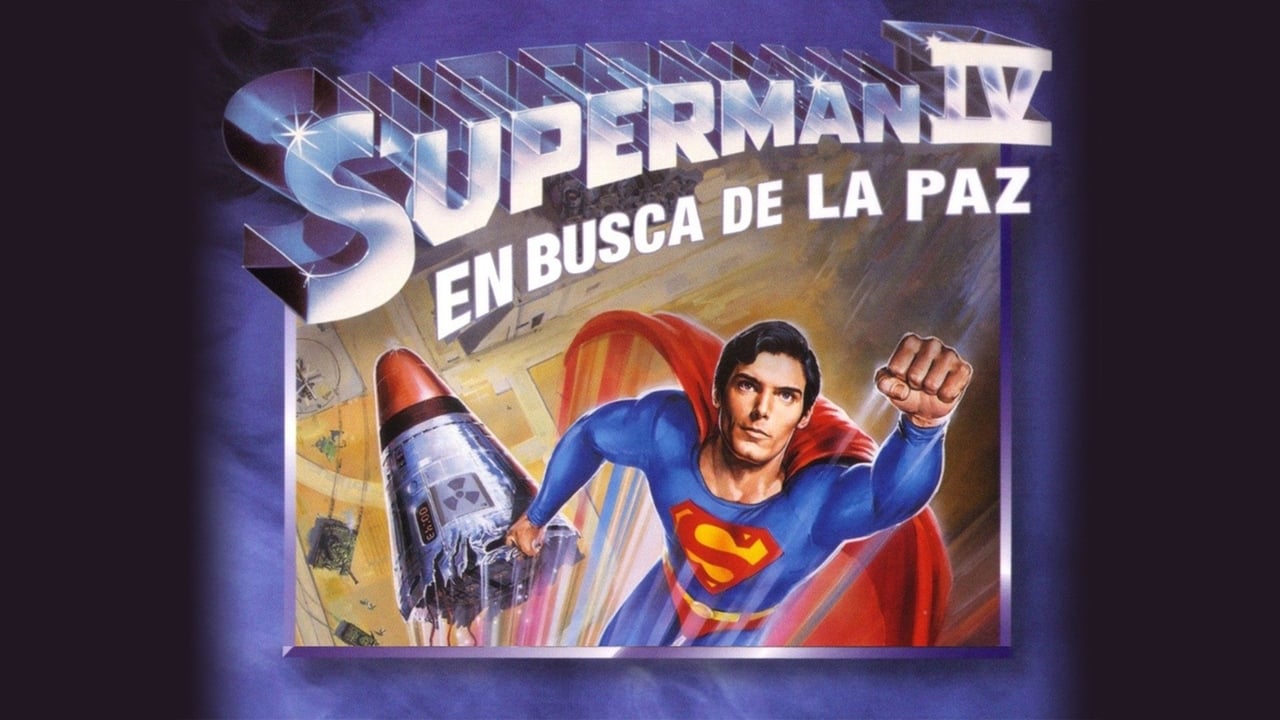
And Metropolis? Our sprawling city of tomorrow often bears a striking resemblance to… Milton Keynes, England. Yes, due to budget constraints, much of the film was shot in the UK, and while they did their best, the architecture doesn't quite scream "American metropolis." It’s one of those charmingly jarring "retro fun facts" that makes watching it today a unique experience – spotting the very British backgrounds trying their best to look like the Daily Planet's home turf.
Enter Nuclear Man (and Re-Enter Lex)
Of course, Superman’s quest doesn’t go unchallenged. Our villain this time? Nuclear Man, created by Lex Luthor (Gene Hackman, clearly enjoying hamming it up again, reportedly for a hefty fee) from a strand of Superman’s hair supercharged by the sun. Played by Mark Pillow (and voiced by Hackman), Nuclear Man is… well, he’s certainly memorable. With his glowing physique, flowing blonde mullet, and, uh, atomic fingernails, he’s pure late-80s comic book excess brought to life with the effects budget they had left.
Their battles are the heart of the film's action, and while ambitious – fighting on the moon! Repairing the Great Wall of China! – the execution is hampered. The fight choreography feels clunky, and the compositing is often rough. Yet, there's a certain B-movie energy to it all. Remember how raw some 80s practical effects felt, even when imperfect? There's a strange, tangible quality here, even in its failures, that’s worlds away from today's seamless CGI. You see the wires, you see the process, and somehow, that makes it oddly endearing. They tried, bless 'em. Let's not forget director Sidney J. Furie, more known for gritty thrillers like The Ipcress File (1965), was perhaps an odd choice for a complex superhero F/X film, especially one hobbled by financial cuts.

Cut Short, Fondly Remembered?
It's widely known that nearly 45 minutes were cut from the final film, footage that might have smoothed over plot holes or given supporting characters like Jackie Cooper's Perry White and Marc McClure's Jimmy Olsen more to do. We glimpse hints of a different sub-plot involving an earlier, failed Nuclear Man prototype in some stills and deleted scenes discussions. What remains feels rushed and disjointed in places, a shadow of the grander epic Reeve likely envisioned.
Upon release, Superman IV was met with critical derision and bombed at the box office, effectively ending the Reeve era of Superman films. It became a punchline, a symbol of franchise decline. And yet… revisiting it now, through the warm, fuzzy glow of a metaphorical CRT screen, there’s something else there. It’s Christopher Reeve giving his all, truly believing in the film's message. It’s Gene Hackman chewing scenery like only he can. It’s the sheer, unadulterated ambition colliding head-on with harsh reality.
---
VHS HEAVEN RATING: 3/10
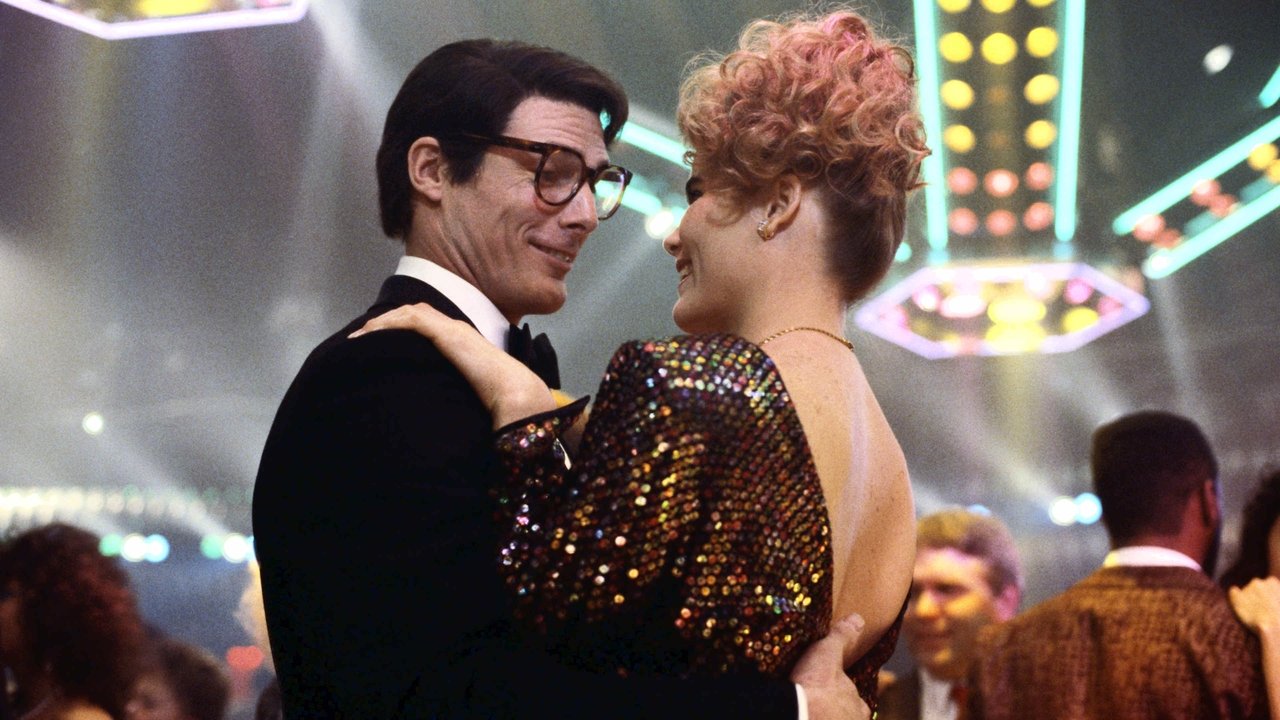
Justification: The rating reflects the undeniable technical shortcomings, the slashed budget's visible impact on effects and locations, and the often nonsensical plot developments. However, it avoids rock bottom thanks to Christopher Reeve's utterly committed performance and the earnestness of the film's core message. There’s also a point for its status as a fascinatingly flawed artifact and its unintended camp value.
Final Thought: Superman IV is the cinematic equivalent of a superhero trying to fly with one arm tied behind his back by budget cuts – a valiant, if ultimately clumsy, effort that remains a peculiar, strangely watchable curio from the twilight of the VHS blockbuster era.