Okay, fellow tapeheads, dim the lights, maybe check under the couch cushions first... tonight we’re cracking open a true gem from the twilight of the 80s sensibility bleeding into the 90s: Frank Marshall’s directorial debut, the skin-crawlingly fun Arachnophobia (1990). Forget jump scares derived from algorithms; this was Hollywood tapping directly into a near-universal phobia with buckets of charm, wit, and, crucially, real spiders. This wasn't just a movie; for a whole generation, it was the reason we started shaking out our shoes in the morning.

### Welcome to Canaima. Don't Mind the Locals.
The setup is classic creature-feature gold: a super-aggressive, prehistoric spider species is accidentally transported from the Venezuelan jungle (shot beautifully on location, setting a lush, exotic tone early on) back to sleepy, idyllic Canaima, California. Who’s waiting there? Dr. Ross Jennings (Jeff Daniels), a city doctor relocating with his family (Harley Jane Kozak as his wife, Molly) for a quieter life, hampered only by his crippling, you guessed it, arachnophobia. Talk about bad timing. The venomous stowaway promptly mates with a local house spider, unleashing a wave of deadly offspring upon the unsuspecting townsfolk. It’s Jaws with eight legs, trading the ocean depths for dusty barns and wine cellars.
What makes Arachnophobia really scuttle under your skin, even now, is its commitment to the tangible. Marshall, stepping into the director's chair after producing massive hits for Spielberg like the Indiana Jones films, understood the power of the real. This film hails from the glorious era of practical effects, and boy, does it show. The spiders? Mostly real. Hundreds of them. They used docile Avondale spiders from New Zealand – big, hairy, and visually intimidating but relatively harmless. Watching those things crawl over furniture, emerge from light fixtures, or drop onto unsuspecting victims felt incredibly immediate back on our fuzzy CRT screens. You just knew those weren't computer sprites. Apparently, the wranglers had their hands full, using tricks like heat lamps and even fine mists of lemon pledge (no, really!) to guide the arachnid actors to their marks. Can you imagine the nerve required on that set? Today, it would be layers of CGI; back then, it was pure, eight-legged, tangible menace.
### More Than Just Scares
But Arachnophobia wasn't just trying to make you jump. It famously billed itself as a "thrill-omedy," a term cooked up by the marketing department that actually fits perfectly. The film expertly balances moments of genuine tension – the shower scene, anyone? Or that popcorn bowl?! – with welcome bursts of humor. Jeff Daniels is pitch-perfect as the increasingly frazzled hero, his phobia escalating from mild unease to full-blown panic in a way that’s both funny and entirely relatable. His reactions ground the escalating absurdity.
And then there’s John Goodman. Strutting in like a force of nature as Delbert McClintock, the gung-ho, slightly unhinged exterminator, Goodman practically steals the movie. His scenes provide brilliant comic relief, cutting the tension without deflating it. Delbert is the swaggering cavalry arriving in a big yellow truck, armed with poisons and bravado, a perfect counterpoint to Jennings' anxieties. It's a performance that became instantly iconic. Remember his almost Zen-like approach to pest control? Pure gold.
### A Web of Talent
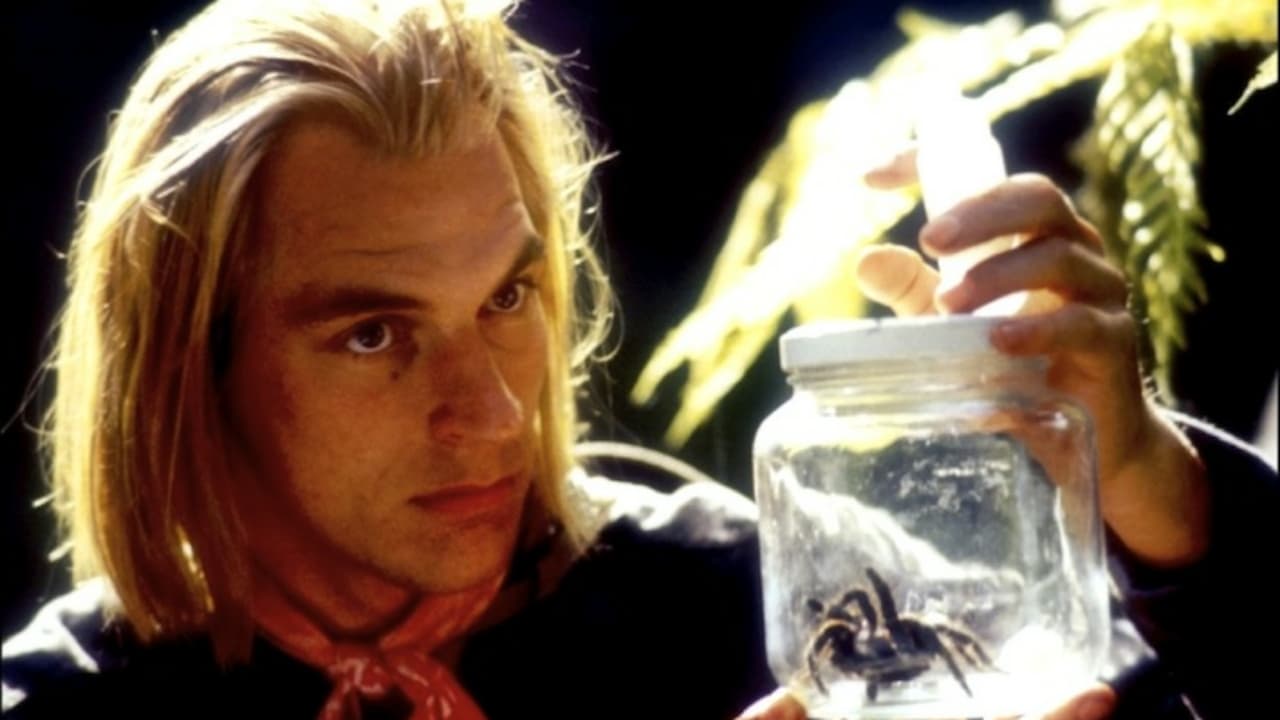
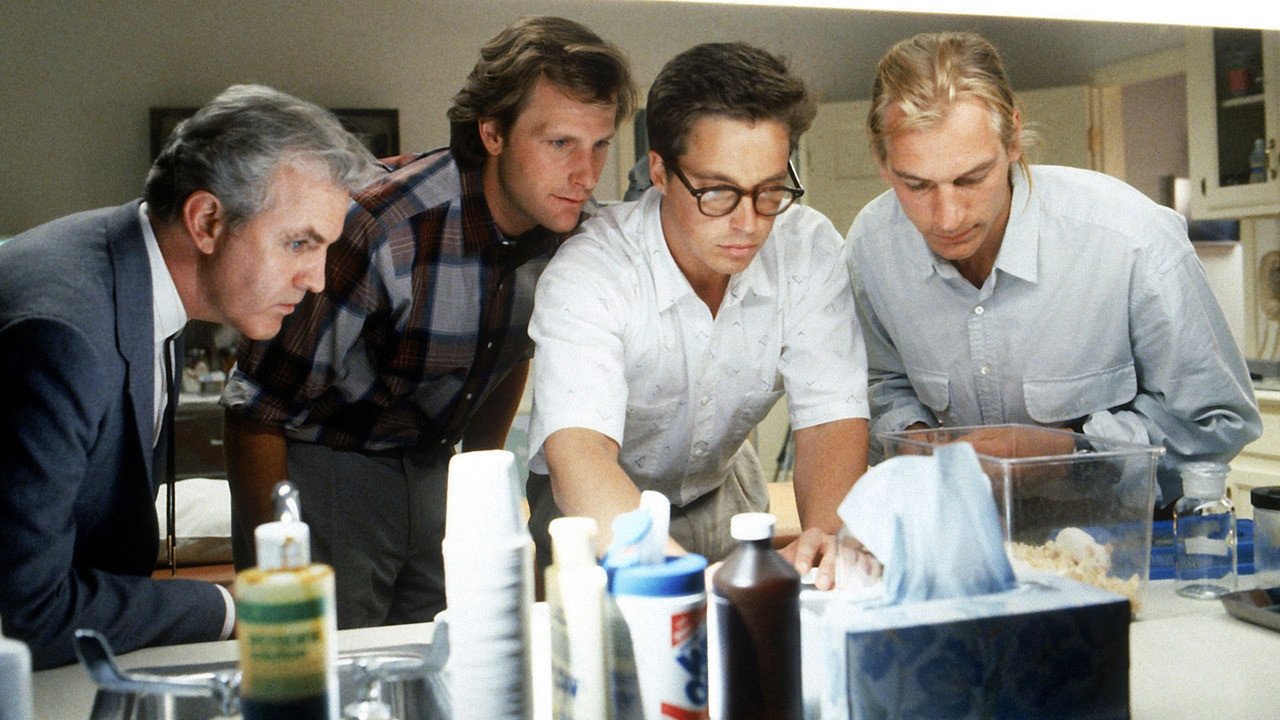
While Marshall's direction keeps things tight, suspenseful, and visually engaging (the spider-cam shots were particularly effective), the supporting cast also shines. Harley Jane Kozak brings warmth and resilience, and Julian Sands leaves a mark in his brief role as the doomed entomologist, Dr. Atherton, whose enthusiasm leads to the initial catastrophe. Even the town locals feel authentic, adding to the small-town charm that makes the invasion feel all the more violating. The score by Trevor Jones (Labyrinth, Dark City) is also a key player, dialing up the dread and releasing the tension with playful, almost mischievous cues.
Interestingly, the film’s fictional setting, Canaima, is actually the genus name of the aggressive spider species featured. A little wink tucked into the script by writers Don Jakoby and Wesley Strick. Produced by Spielberg's Amblin Entertainment, it definitely carries that hallmark blend of adventure, character, and high-concept fun. It landed a PG-13 rating, which felt pretty edgy for a film featuring this many lethal spider encounters back then – a testament to how well Marshall balanced the frights without tipping into outright gore. It performed respectably at the box office too, pulling in over $53 million domestically against a $22 million budget, proving that audiences were definitely itching for this kind of thrill ride.
### The Verdict

Arachnophobia remains a top-tier creature feature. It hits that sweet spot between genuine creepiness and outright fun, anchored by great performances and those fantastic practical spider effects that just feel real. The pacing is brisk, the scares effective (if maybe a little less shocking now), and the humor lands perfectly. It’s a film that understands its premise and executes it with style and confidence. Watching it again on a grainy tape (or, okay, maybe a modern format) feels like catching up with an old friend who still knows exactly how to make your skin crawl – in the best possible way. I remember renting this from the local video store, the slightly lurid cover promising thrills, and it absolutely delivered.
Rating: 8/10 - A brilliantly balanced "thrill-omedy" fueled by fantastic practical effects and memorable performances. It expertly plays on primal fears while maintaining a sense of adventurous fun, making it a standout creature feature of the era.
Final Thought: Decades later, Arachnophobia still has bite; it’s a masterclass in using real critters for maximum creep factor, a nostalgic reminder of when movie monsters felt like they could actually crawl right out of the screen and into your living room. Maybe keep a shoe handy, just in case.