Alright, fellow tapeheads, dim the lights, adjust the tracking if you need to (we’ve all been there), and let’s rewind to a time when vampires were genuinely scary, undeniably cool, and living right next door. I’m talking about 1985’s absolute gem, Fright Night. This wasn't just another creature feature clogging the shelves at Blockbuster; this was lightning in a bottle, a perfect cocktail of chills, laughs, and some truly spectacular practical effects that still give me goosebumps.

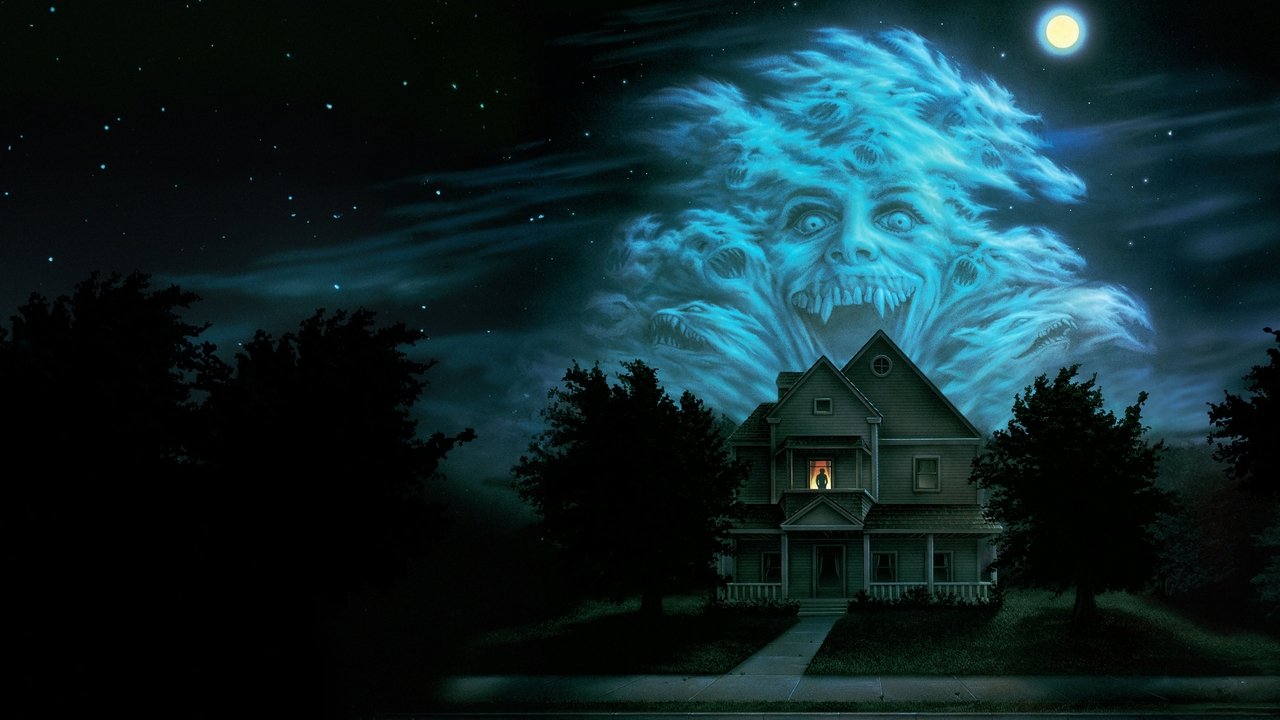
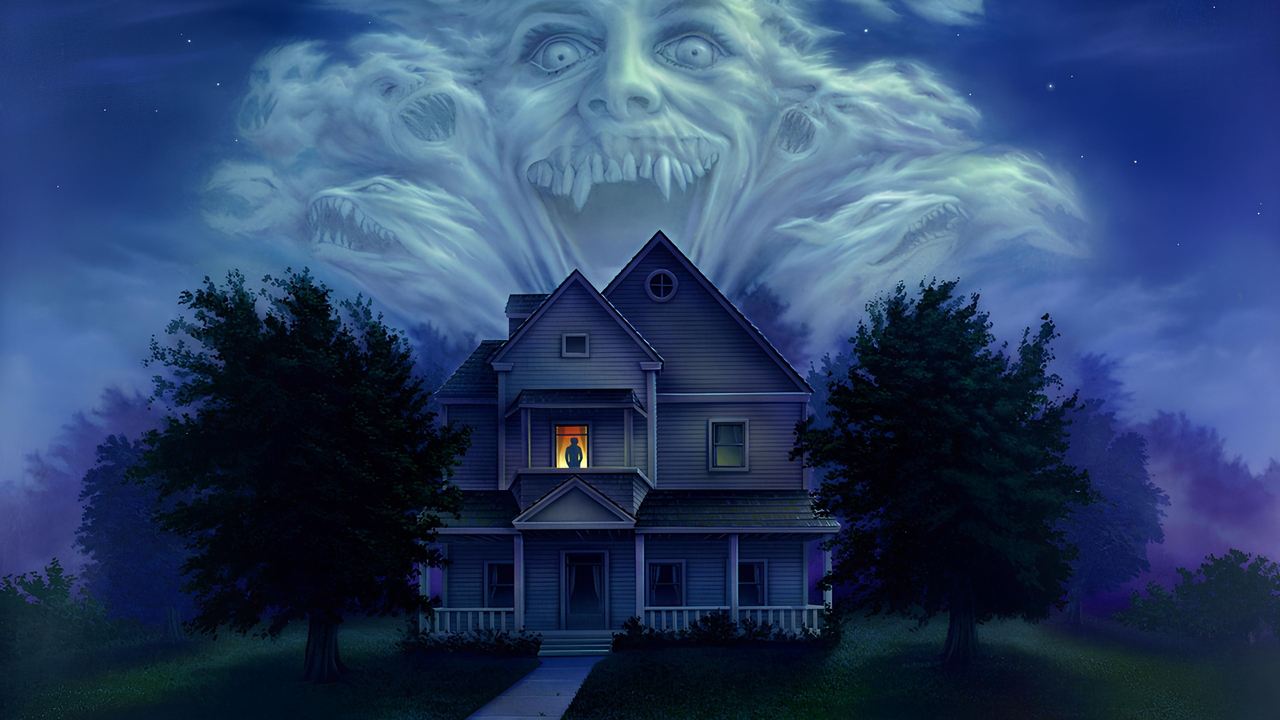
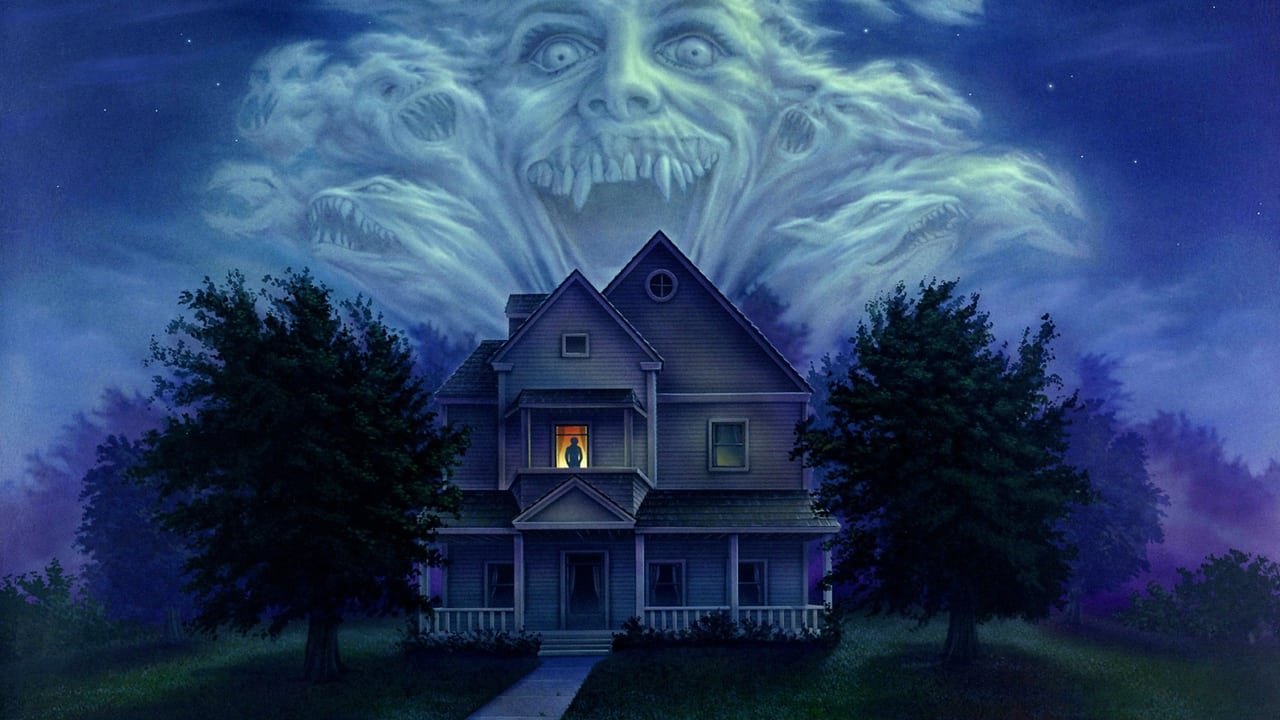
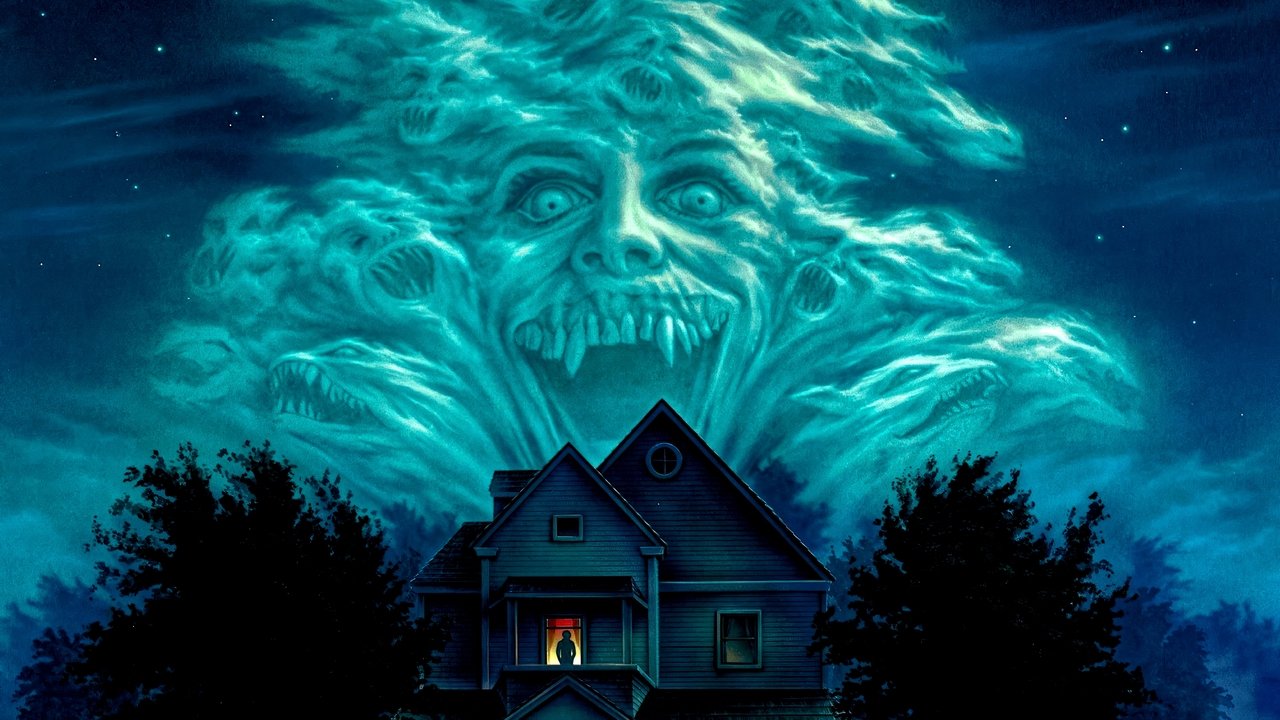
Remember that feeling? Spotting that cover art – maybe the iconic Drew Struzan poster with the vampire looming over the house – and knowing you were in for something special? Fright Night delivered on that promise, big time. It tapped right into that suburban paranoia, that feeling that something sinister could be lurking just beyond the picket fence. For young Charley Brewster (William Ragsdale), that something sinister moves in next door, sleeps days, and has a disturbing habit of bringing strangers home late at night who are never seen again.
Meet the New Neighbor
The genius of Fright Night starts with its villain. Jerry Dandridge isn't some ancient, decrepit count; he's suave, charismatic, and played with a chillingly seductive menace by Chris Sarandon. It’s a performance that perfectly balances predatory danger with an almost weary elegance. Fun fact: Sarandon initially hesitated, wary of playing a stereotypical vampire, but writer/director Tom Holland (who would later give us another 80s horror icon with Child's Play in 1988) convinced him Jerry had depth. He wasn't wrong. Sarandon’s Dandridge is utterly magnetic, making Charley’s desperate attempts to convince anyone – his girlfriend Amy (Amanda Bearse, pre-Married... with Children!), his skeptical buddy "Evil" Ed (Stephen Geoffreys), the police – seem utterly futile. Who would believe this charming guy is a creature of the night?
Enter the Vampire Killer
When disbelief turns to terror, Charley seeks help from the only expert he knows: Peter Vincent, the washed-up host of his favourite late-night horror show, played to absolute perfection by the legendary Roddy McDowall. Vincent, a delightful homage named after horror icons Peter Cushing and Vincent Price, is initially a coward, a fraud hiding behind a screen persona. McDowall imbues him with such pathos and eventual bravery; his transformation from cynical actor to reluctant hero is one of the film's biggest triumphs. Watching him grapple with the reality that the monsters he presented on TV are real is both funny and surprisingly touching. It’s a performance layered with nostalgia for classic horror, delivered by an actor who was part of that golden age.
Practical Magic That Still Bites
Okay, let's talk effects. In an era before CGI rendered everything smooth and, let's be honest, sometimes a bit weightless, Fright Night's practical effects felt real. They were tactile, gooey, and genuinely terrifying. The makeup transformations, especially Evil Ed's memorable and gruesome shift, were state-of-the-art for the time, courtesy of Richard Edlund's Boss Film Studios, the same wizards who had just brought Ghostbusters (1984) to life. Remember the unsettlingly stretched mouth on vampire Amy? Or the monstrous bat creature? These weren't polished pixels; they were handcrafted nightmares involving complex puppetry, prosthetics, and good old-fashioned ingenuity, filmed on soundstages that dripped with atmosphere. That final confrontation in Dandridge’s house? Pure, unadulterated 80s practical effects mayhem, and it holds up beautifully because you feel the physicality of it all. It might look a little rubbery now compared to today's digital beasts, but back then, watching it on a fuzzy CRT? Mind-blowing.
A Genre Mashup Done Right
What truly elevates Fright Night is Tom Holland's masterful balancing act. He wrote the script reportedly in just three weeks, yet it deftly blends genuine scares with sharp, witty humour without ever undermining the stakes. The tension is real – Charley is in mortal danger – but the film isn’t afraid to wink at horror tropes or find humour in the absurdity of the situation, primarily through Peter Vincent's reactions. It revitalized the vampire subgenre, which had grown a bit long in the tooth (pun intended), injecting it with youthful energy and contemporary anxieties. Made for around $9 million, it became a solid box office success, pulling in nearly $25 million domestically and proving audiences were thirsty for this clever blend of horror and comedy. It resonated, spawning a worthy sequel (Fright Night Part 2, 1988) and, much later, a remake.
VHS Heaven Rating: 9/10
The pacing is tight, the performances are universally excellent (especially Sarandon and McDowall), and the blend of scares and laughs feels effortlessly cool. The practical effects are a glorious testament to 80s creature-feature artistry, and the story taps into primal fears with wit and style. It loses maybe a single point for some minor 80s fashion choices that induce chuckles today, but honestly, that's part of the charm.
Fright Night isn't just nostalgia; it's a brilliantly crafted film that understood its genre inside and out. It’s the kind of movie that made browsing the horror aisle of the video store such a thrill – a perfect blend of scares, style, and practical monster magic that just feels right. Welcome to Fright Night... for real.