Okay, fellow travelers of the tape stacks, let’s rewind to a time when finding anime often meant scouring specialty shops or catching grainy recordings passed between friends. Nestled amongst the giant robots and magical girls was something different, something darker and grittier that landed on Western shores in 1993: the Battle Angel OVA. For many, seeing that distinctive art style and the stark, cyberpunk world of the Scrapyard for the first time was a revelation – a visceral glimpse into a future that felt both terrifyingly alien and strangely relatable.
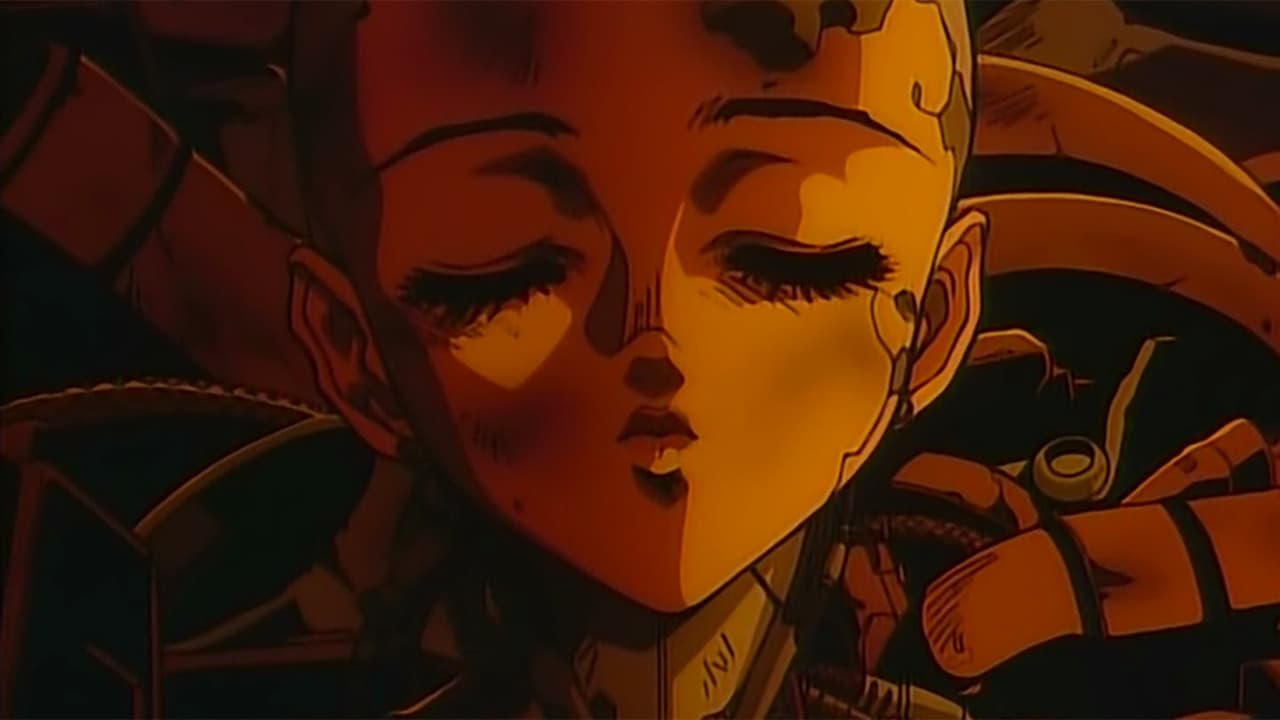
This wasn't your Saturday morning cartoon fare. Based on the first couple of volumes of Yukito Kishiro's sprawling manga epic Gunnm, this two-part Original Video Animation plunges us headfirst into a brutal societal hierarchy. Down below lies the Scrapyard (or Iron City, depending on your dub), a chaotic junkyard metropolis fueled by the refuse raining down from the utopian floating city of Zalem (or Tiphares). It's a place where life is cheap, and cybernetic enhancement is often the only path to survival, or power.
### Welcome to the Scrapyard
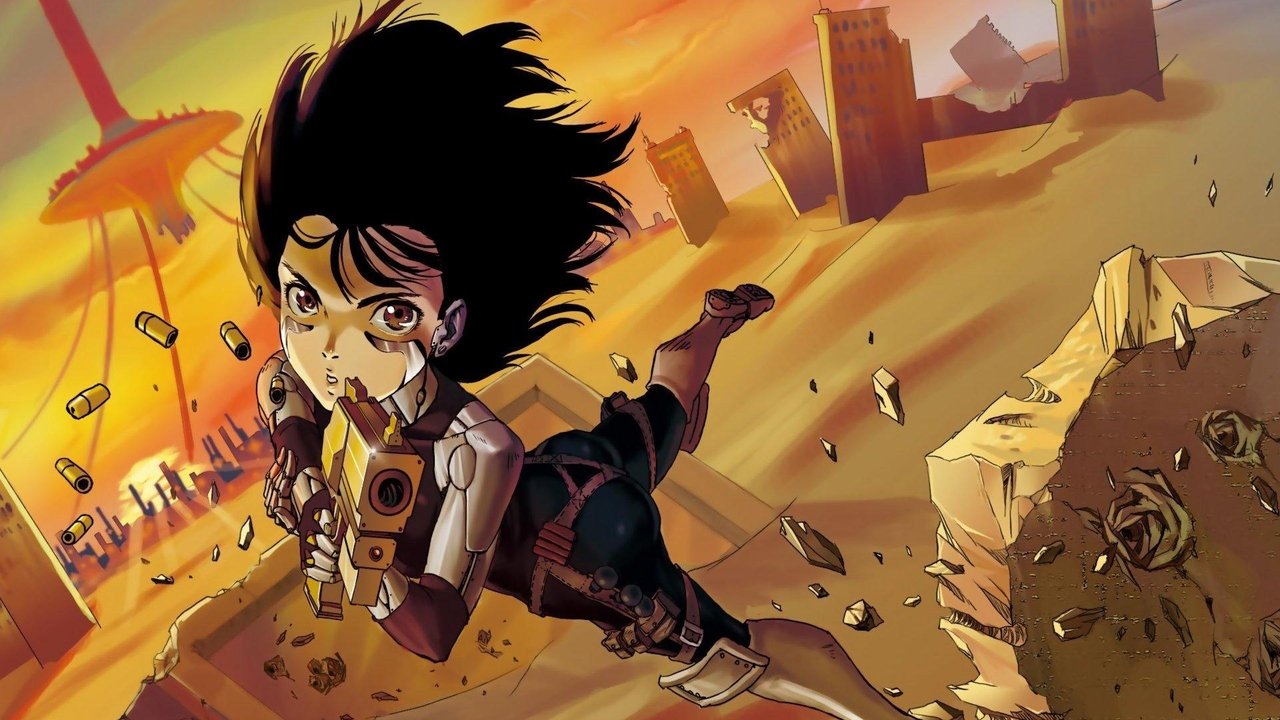
Into this unforgiving landscape steps Daisuke Ido (Shunsuke Kariya providing his grounded, weary voice in the original Japanese), a cybernetics doctor who scavenges the scrap heaps for usable parts. One day, he discovers the discarded core of a young female cyborg, miraculously still functional. Rebuilding her with a new body, he names her Gally (Miki Itō delivers a performance that captures both vulnerability and fierce determination). Gally awakens with no memory of her past, a blank slate in a dangerous world. But as she navigates the treacherous alleys and bounty hunter dynamics of the Scrapyard, flashes of incredible forgotten combat skills – the legendary Panzer Kunst – begin to surface.
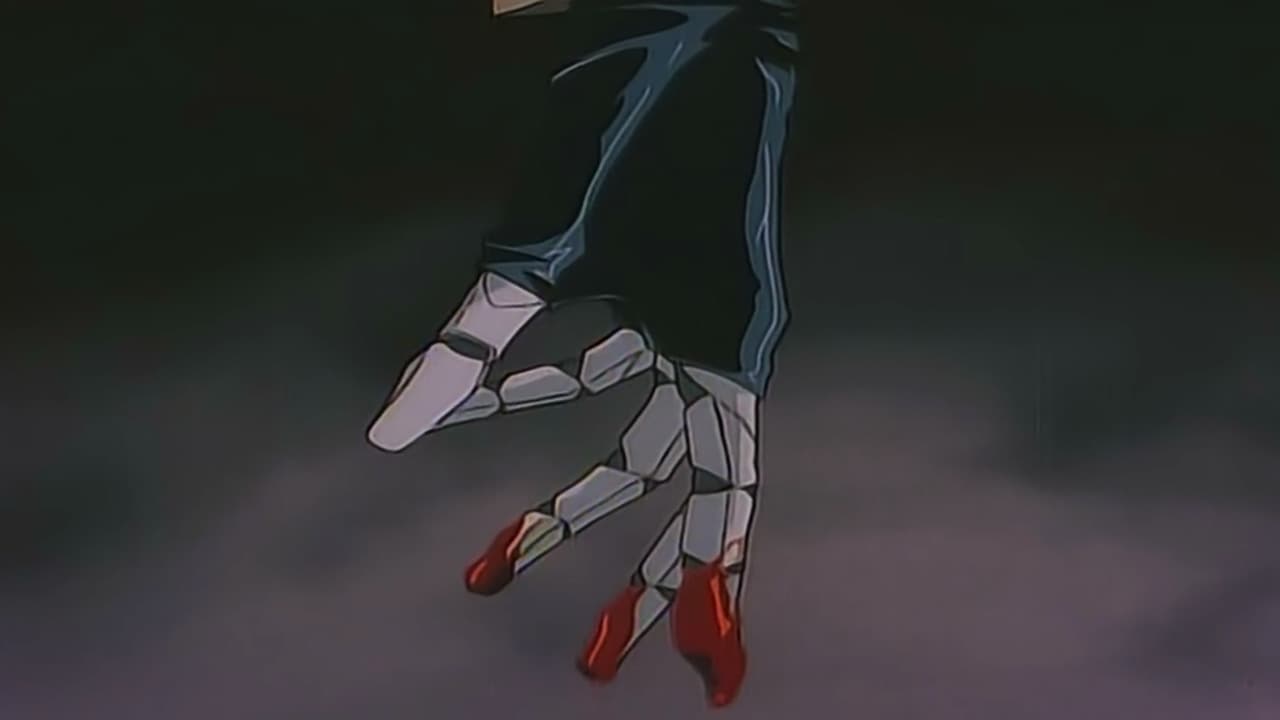
Directed by Hiroshi Fukutomi and adapted by writer Akinori Endo, the OVA does an admirable job of condensing the early manga chapters. It introduces the core relationship between the protective Ido and the fiercely independent Gally, and her poignant, ultimately tragic connection with the ambitious young street kid Yugo (Kappei Yamaguchi, known for many iconic anime roles including Ranma Saotome and Usopp). Yugo dreams obsessively of reaching Zalem, believing it to be a paradise worth any cost, a stark contrast to Gally's more grounded struggle for identity and survival in the world she actually inhabits.
### A Gateway Drug to Grittier Anime
Let’s be honest, cramming even the initial arcs of Gunnm into roughly an hour is a tall order. The OVA inevitably feels condensed, hinting at a much larger, more complex world and backstory that it simply doesn't have time to explore. Characters like the monstrous Grewcica or the manipulative Vector feel more like necessary plot devices than the fully fleshed-out figures they are in the manga. Yet, what the Battle Angel OVA achieved, despite its brevity, was monumental. Alongside contemporaries like Akira (1988) and Ghost in the Shell (1995), it served as a crucial gateway for Western audiences, showcasing that animation could tackle mature themes: identity, transhumanism, class struggle, and visceral violence, all wrapped in a compelling cyberpunk aesthetic.
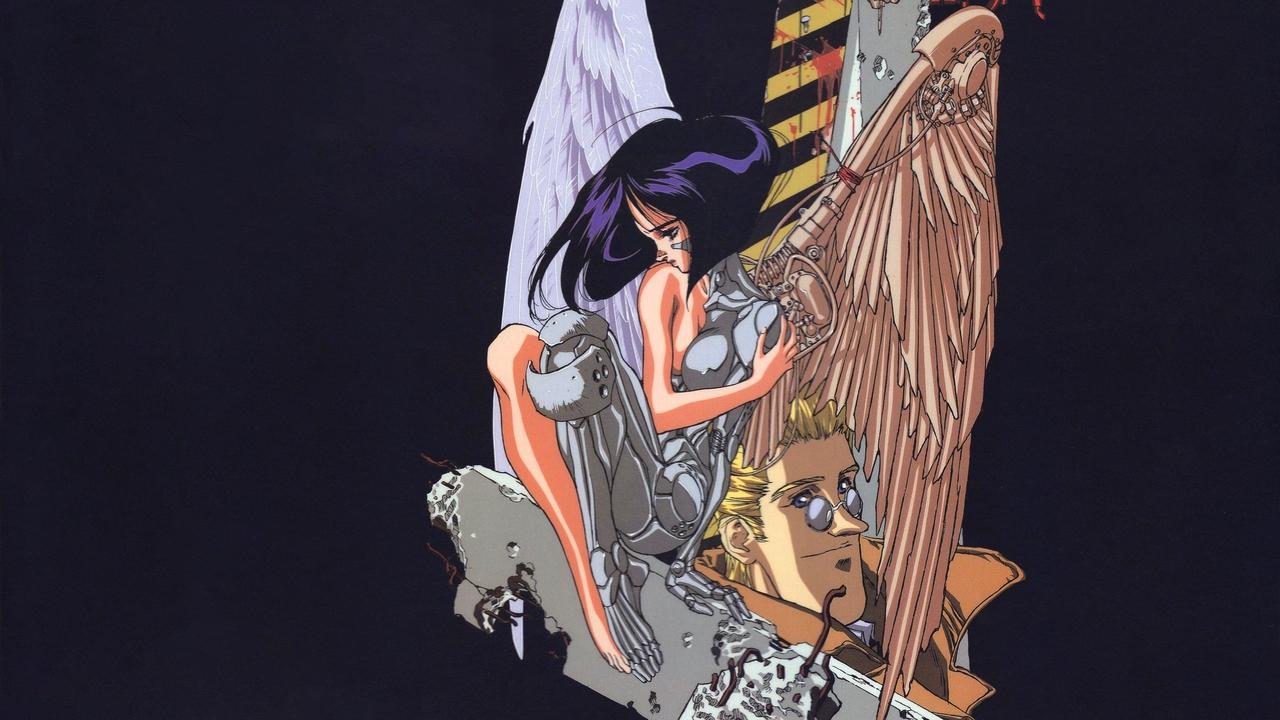
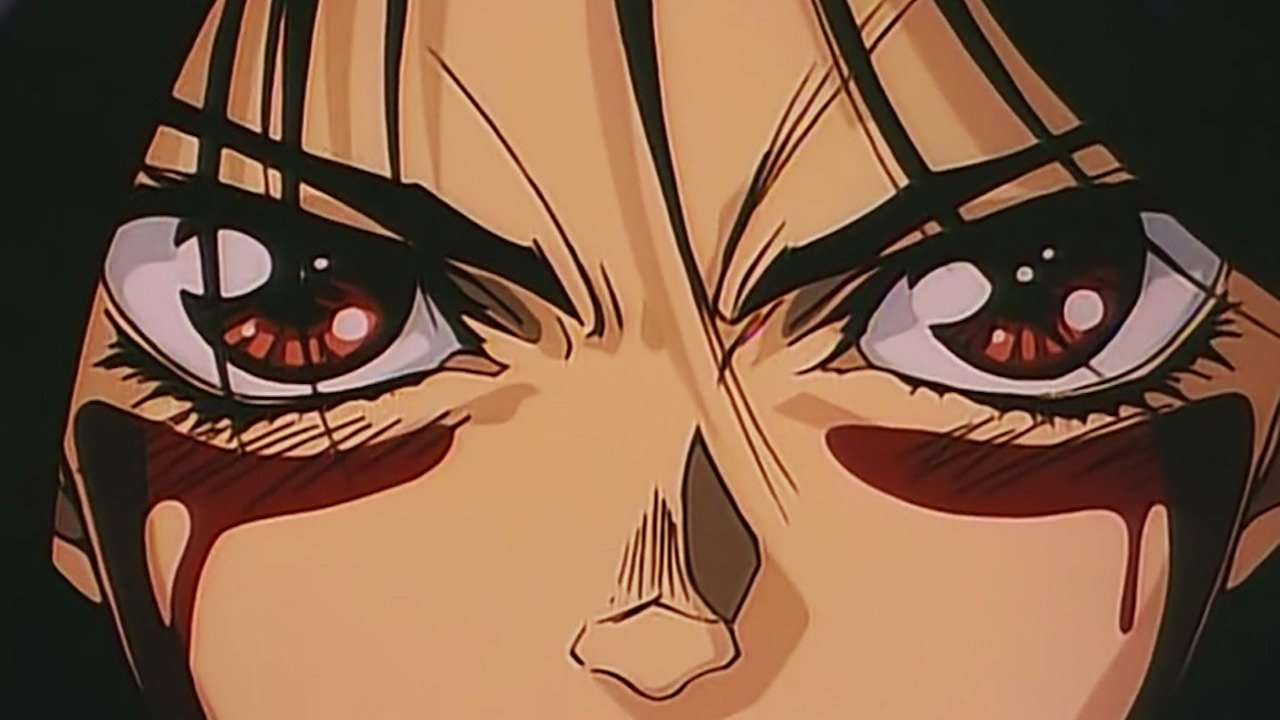
The animation itself is a solid example of early 90s OVA quality. It possesses a certain hand-drawn grit that perfectly complements the Scrapyard's decaying industrial vibe. The character designs are faithful to Kishiro's early art style, particularly Gally's expressive eyes which convey so much of her internal journey. The action sequences, especially when Gally unleashes her Panzer Kunst, are fluid and impactful for their time, possessing a kinetic energy that still holds up surprisingly well. I distinctly remember being mesmerized by the way Gally moved, a blend of balletic grace and brutal efficiency that felt utterly unique.
### Retro Fun Facts: From OVA to Hollywood
For years, this OVA was the only animated adaptation of Gally's story, building a dedicated cult following. Fans clung to it, dreaming of more, while the manga continued its epic run. Interestingly, the potential for a larger adaptation simmered for decades, famously championed by director James Cameron. He held the rights for years before eventually passing the directorial reins to Robert Rodriguez for the 2019 live-action film Alita: Battle Angel. While that film finally brought the Scrapyard to the big screen with cutting-edge effects, this 1993 OVA remains a cherished piece of anime history, the spark that ignited the flame for so many international fans. It’s also worth noting the name variations – Gally/Alita, Zalem/Tiphares – often point to different translations or regional preferences over the years, a common quirk fellow collectors of imported media will surely recognize! This OVA reportedly cost around ¥400 million (a hefty sum for an OVA back then, roughly $3.6 million USD in 1993) showing the ambition behind the project even if it didn't cover the whole story.
### Still Packs a Cyber-Punch
Does Battle Angel feel dated? In some ways, sure. The pacing is rapid-fire due to the condensed plot, and the animation, while good, obviously lacks the polish of modern productions. The English dubs available on VHS were typical of the era – serviceable, sometimes a bit stiff, but conveying the core story effectively enough for eager Western viewers. Yet, its raw energy, compelling protagonist, and fascinating world-building remain potent. It captures the essence of Gally's initial journey – the discovery of self, the harsh realities of her world, and the fight for agency in a system designed to crush spirits. It’s a poignant, action-packed, and atmospheric piece that perfectly encapsulates the feeling of discovering mature, thought-provoking anime on grainy VHS tapes back in the day.
VHS Heaven Rating: 7.5/10
Justification: While it only scratches the surface of its source material and feels rushed in places, the Battle Angel OVA is a potent dose of 90s cyberpunk anime. Its atmospheric world-building, compelling central character arc, and historical significance as a gateway anime for Western audiences make it essential viewing. The animation and action hold up well, delivering a gritty, memorable experience that punches well above its runtime limitations.
It may be short, but Battle Angel leaves a lasting impression – a bittersweet taste of a vast, dangerous, and utterly captivating world we only got to glimpse on that cherished tape.