It's funny how some cinematic gems seem to slip through the cracks, only to be rediscovered years later on a grainy VHS tape rented on a whim. Fandango (1985) is one such film – a poignant, funny, and often surreal ode to friendship and the terrifying cusp of adulthood, born from a most unlikely source: a student film seen by none other than Steven Spielberg. Imagine getting that phone call. That discovery launched the feature directorial debut of Kevin Reynolds, who also penned the script based on his USC short Proof, and gave us a snapshot of soon-to-be-stars finding their footing.
### One Last Dance Before the World Intrudes
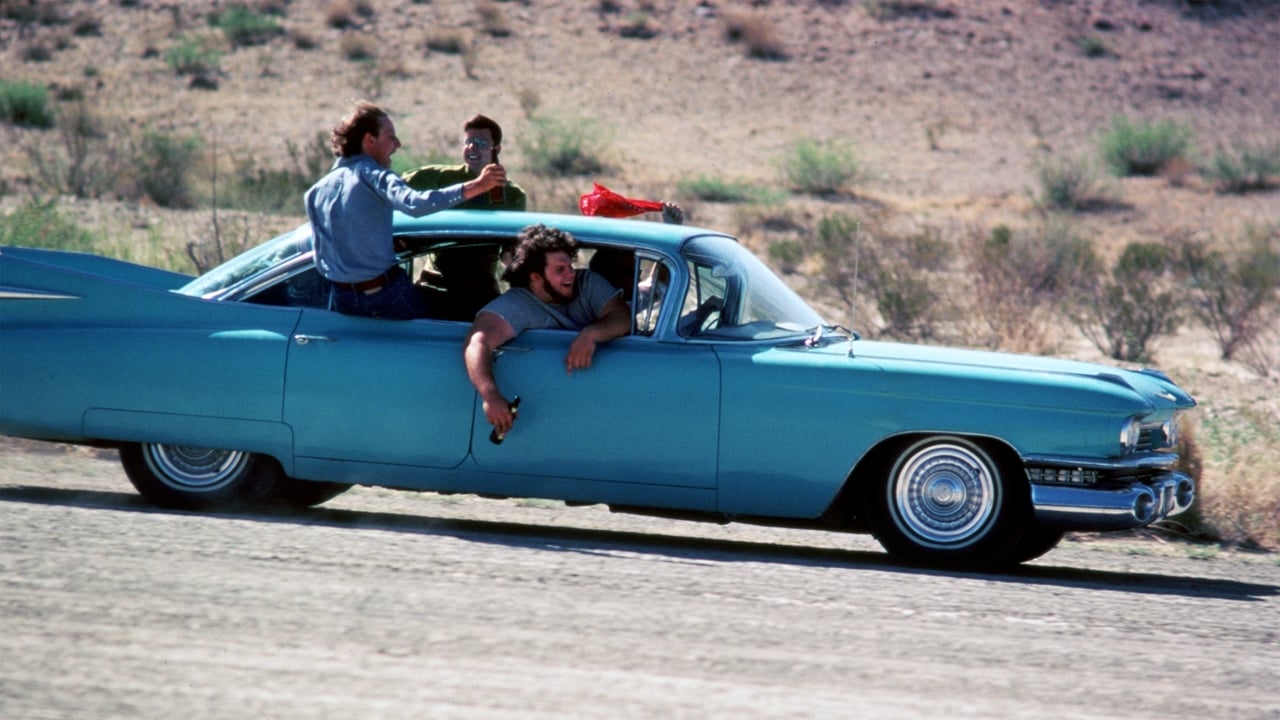
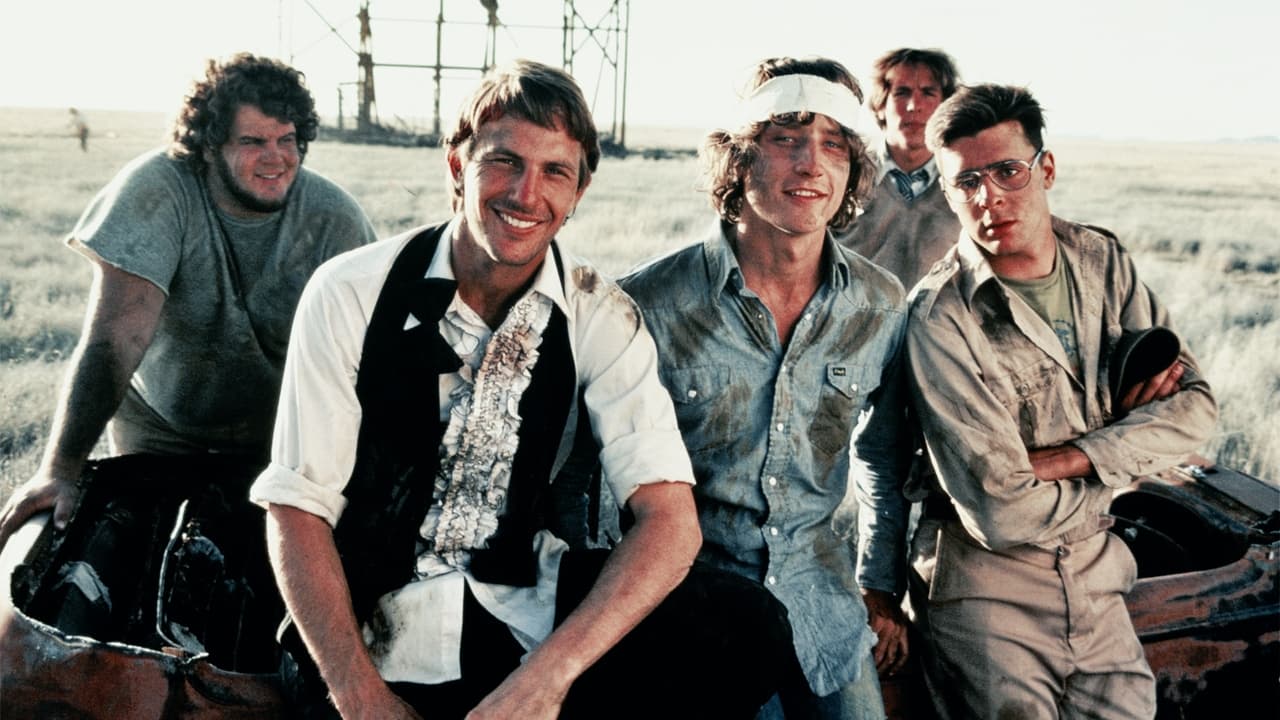
Set against the sprawling, dusty landscapes of Texas in 1971, Fandango follows the "Groovers": Gardner Barnes (Kevin Costner, in one of his first leading roles, radiating that effortless charm even then), the charismatic but directionless leader; Phil Hicks (Judd Nelson, pre-Breakfast Club intensity but still volatile), the pragmatic groom-to-be grappling with cold feet and draft notices; Kenneth Waggener (Sam Robards), the earnest and responsible one nursing a broken heart; Dorman (Chuck Bush), the quiet giant behind the wheel; and Lester (Brian Cesak), the perpetually passed-out fifth wheel. Their mission, spurred by Gardner after Phil calls off his wedding, is a hazy final road trip south to "dig up Dom" – a mysterious objective tied to their shared past near the Mexican border. It's a quintessential "last hurrah," that potent blend of youthful abandon and the dawning realization that life is about to change, forever.
### The Open Road and Reckless Hearts
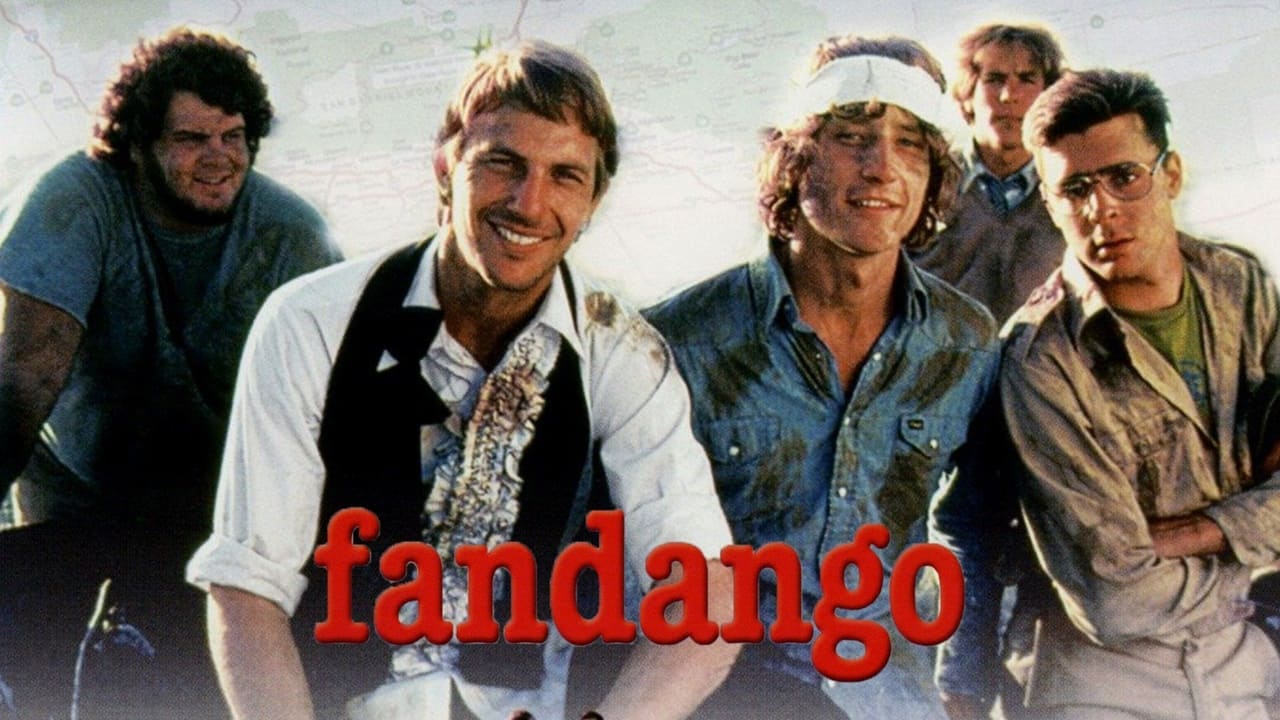
Kevin Reynolds, who would later helm big adventures like Robin Hood: Prince of Thieves (1991) and Waterworld (1995) – both also starring Costner – establishes a distinct atmosphere here. The Texas vistas, captured beautifully by cinematographer Thomas Del Ruth, aren't just backdrop; they're a character in themselves, symbolizing both boundless freedom and daunting emptiness. There’s a looseness to the narrative, mimicking the meandering nature of their journey. It feels less like a tightly plotted story and more like a series of vivid, sometimes bizarre, episodes strung together by the bond between these young men. You get the sense these guys know each other, their banter and bickering feeling authentic, honed by years of shared experiences we only glimpse. Costner, even this early, commands the screen as Gardner, the dreamer clinging desperately to the past. Nelson provides the fiery counterpoint, his anxieties simmering beneath the surface.
### Moments That Stick Like Texas Dust
Fandango is packed with scenes that lodge themselves in your memory, precisely the kind of moments perfect for rewinding on the VCR. Who could forget the utterly insane attempt to attach a crashed Cessna to the front of their Cadillac? Or Kenneth’s surprisingly graceful, impromptu skydiving lesson from a reluctant pilot (Marvin J. McIntyre delivering a scene-stealing performance)? These sequences capture a certain brand of reckless, youthful invincibility that feels specific to that time and place.
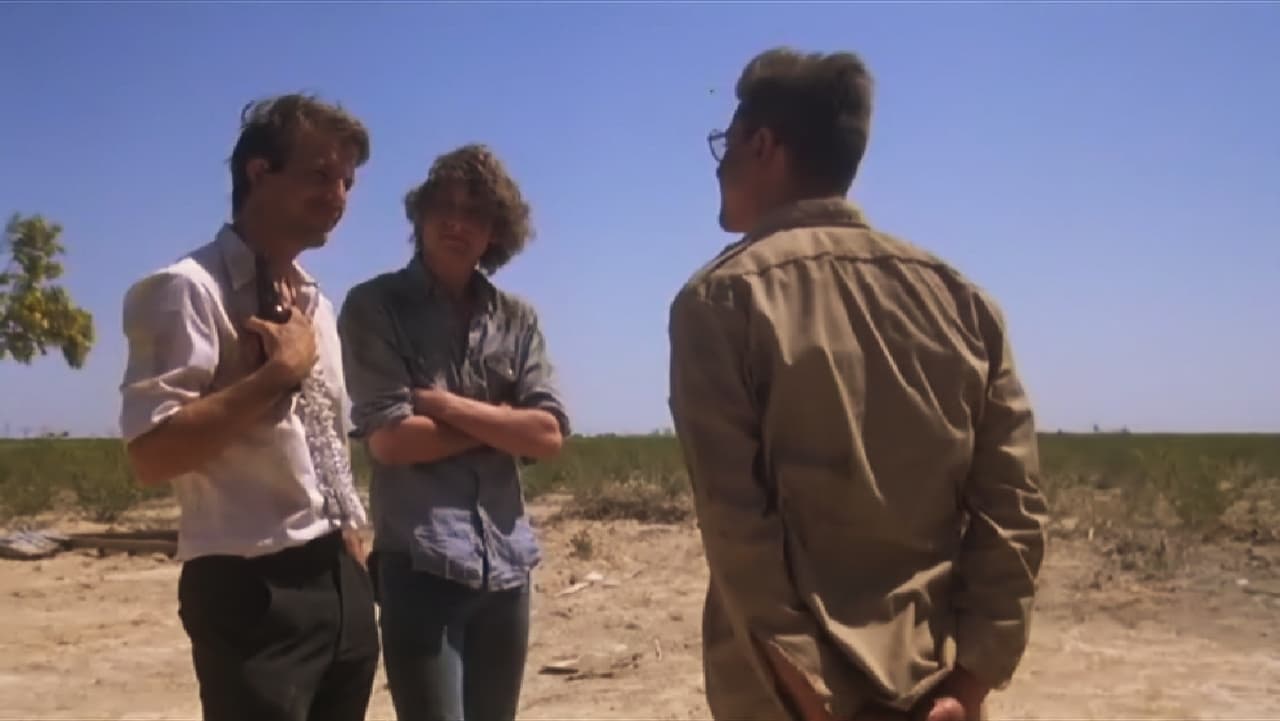
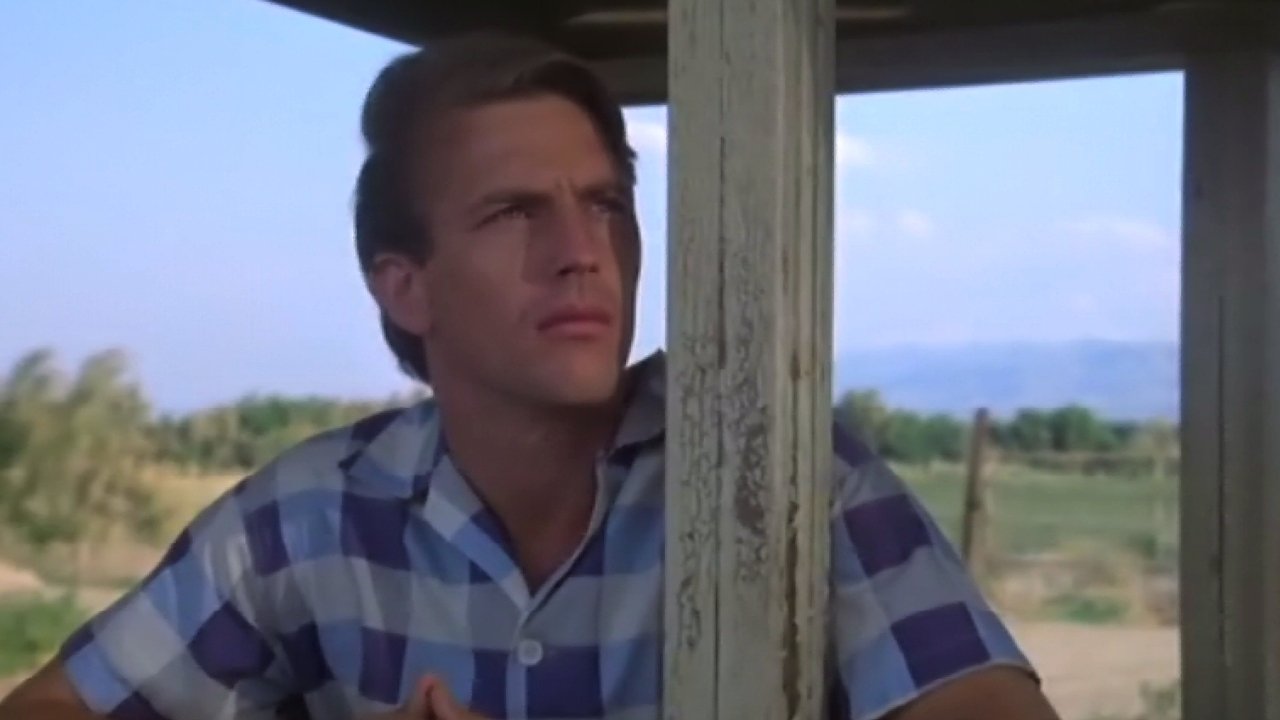
And then there's the titular Fandango itself – the climactic wedding party, a beautifully orchestrated sequence filled with dancing, reconciliation, and a palpable sense of bittersweet transition, all set to Alan Silvestri’s evocative score (long before his iconic Back to the Future work). Silvestri's music perfectly complements the film's emotional landscape, shifting seamlessly from playful road trip energy to moments of quiet contemplation.
Retro Fun Facts: Spielberg was so impressed by Reynolds' student film Proof that he helped secure funding through his Amblin Entertainment (though it was ultimately distributed by Warner Bros.). This backing gave Reynolds the chance to expand his short into this feature. Interestingly, Costner’s role here came after his significant part in The Big Chill (1983) was famously cut, leaving only glimpses of his wrists. Fandango offered him a proper showcase. The film was shot primarily around West Texas, including the legendary Sonic Drive-In scene and the final dance at the Lajitas Trading Post. Despite its eventual cult status, Fandango barely made a ripple at the box office upon release, grossing less than $100,000 against its estimated $4-5 million budget. It found its audience later, on home video – truly a VHS Heaven discovery for many.
### More Than Just a Road Trip
Beneath the youthful antics and stunning scenery, Fandango carries a weightier undercurrent. Set against the backdrop of the Vietnam War, the looming draft hangs over the characters, particularly Phil. It's a film about confronting responsibility, letting go of the past, and the sometimes painful necessity of moving forward. The "digging up Dom" quest becomes a metaphor for excavating their shared history and burying their idealized youth before facing the uncertainties of the future. It doesn’t offer easy answers, preferring instead to linger in the ambiguity of that transitional moment. It’s this blend of humor, adventure, and melancholy that gives Fandango its unique flavor and enduring charm.
It’s not a perfect film; the pacing occasionally drifts, and some narrative threads feel intentionally unresolved, which might frustrate viewers seeking neat conclusions. But its imperfections are part of its appeal. It feels authentic, like a half-remembered dream of a long-lost summer.
VHS Heaven Rating: 8/10
Fandango earns its score through its potent atmosphere, breakout performances (especially Costner's), unforgettable scenes, and its honest, bittersweet portrayal of friendship at a crossroads. While its unconventional structure and quiet release meant it wasn't a blockbuster, its genuine heart and nostalgic resonance make it a cherished cult classic. It perfectly captures that specific ache of knowing a chapter is closing, even as you try to squeeze in one last, wild adventure.
For anyone who remembers those aimless drives with friends, fueled by cheap gas and uncertain futures, Fandango feels like coming home – a dusty, sun-bleached gem worth digging up.