Alright, settle in, grab your favourite beverage (maybe something stronger than soda water, Ko Chun?), and let's talk about a tape that practically wore out the heads on my VCR back in the day. I'm talking about the 1989 Hong Kong sensation that took Asia by storm and probably showed up in your local video store's "International" section on a slightly dodgy-looking cassette: Wong Jing's God of Gamblers.
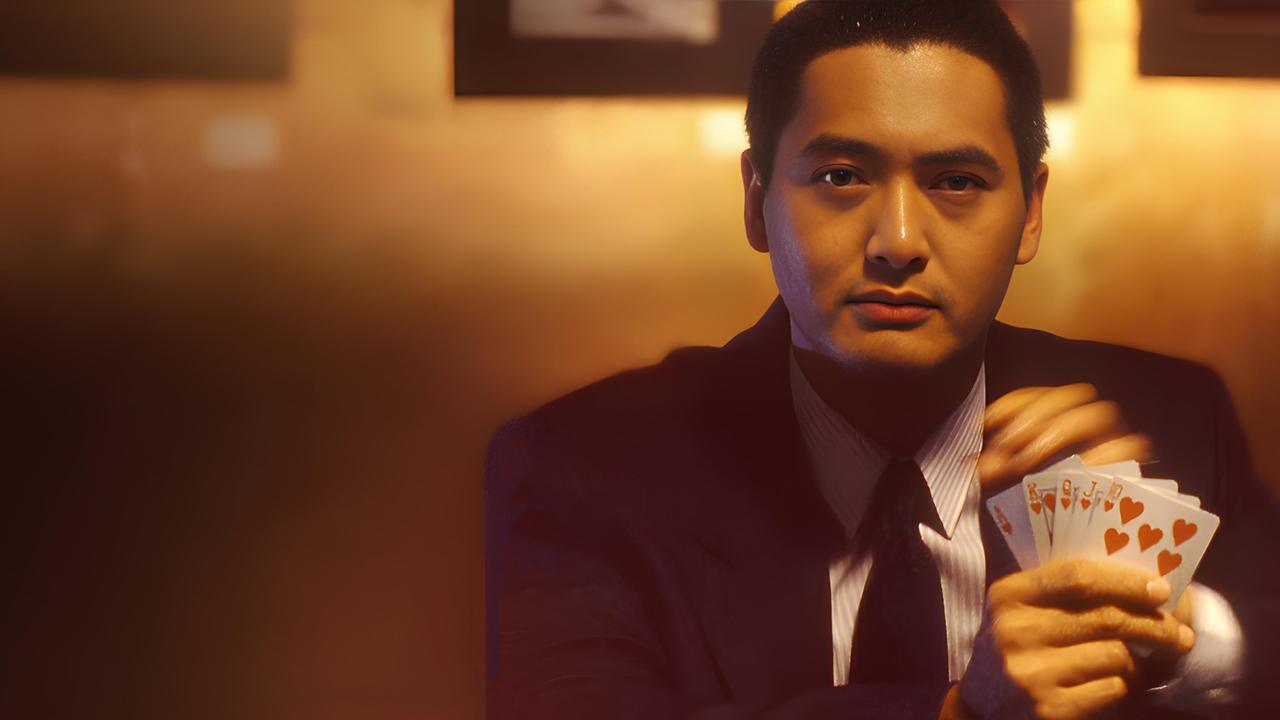
This wasn't just another action flick or comedy; it was a beast entirely its own, a ridiculously entertaining blend of high-stakes gambling drama, surprisingly touching moments, slapstick comedy, and yes, bursts of heroic bloodshed-lite action. Forget finding this streaming easily back then; scoring a copy, maybe even a slightly fuzzy multi-generational dub, felt like hitting a jackpot. And at the center of it all? The impossibly cool Chow Yun-Fat.
### Enter the Dragon... of Dice
Before God of Gamblers, Chow Yun-Fat was already a megastar, thanks largely to his iconic, soulful hitmen and heroes in John Woo masterpieces like A Better Tomorrow (1986) and The Killer (1989). So, seeing him glide into frame as Ko Chun, the titular God of Gamblers, felt instantly legendary. The slow-motion intros, the immaculate tuxedo, the slicked-back hair, the jade pinky ring – he radiated an almost supernatural confidence. This guy didn't just play cards; he commanded them. Wong Jing, a director known for his lightning-fast production pace and commercial instincts (he later gave us the insane City Hunter with Jackie Chan in 1993), knew exactly how to frame Chow for maximum impact.
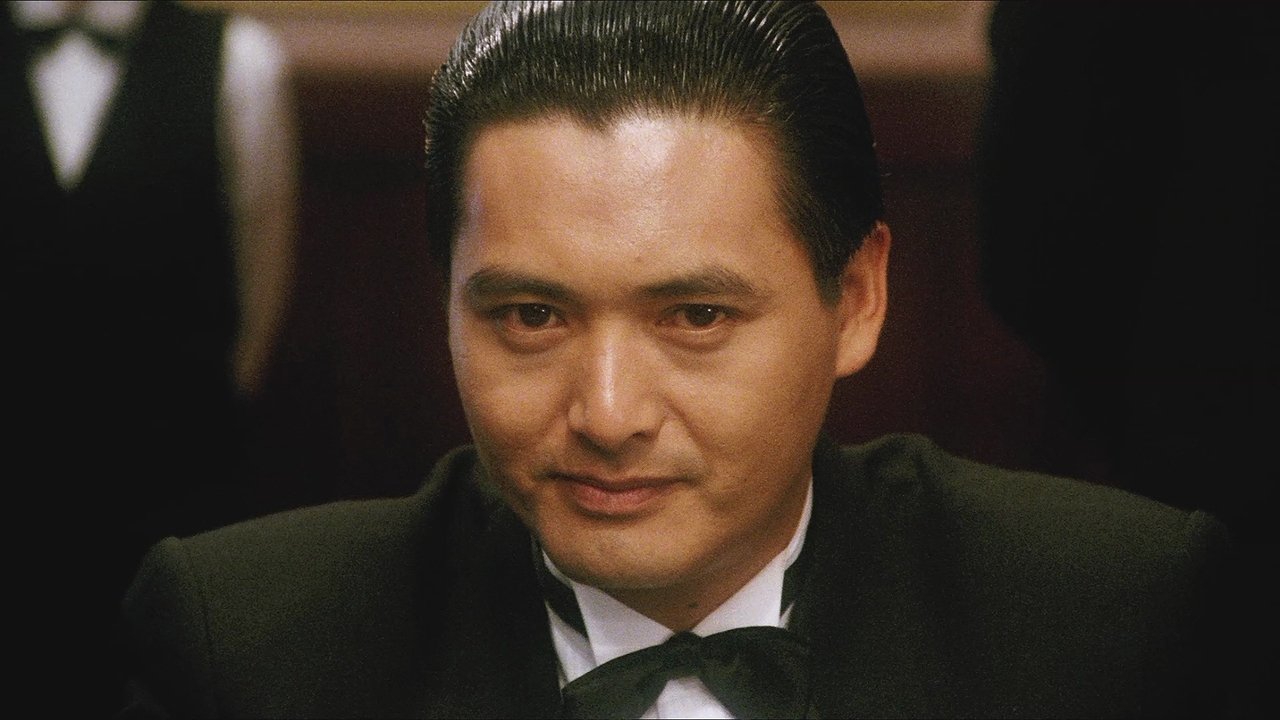
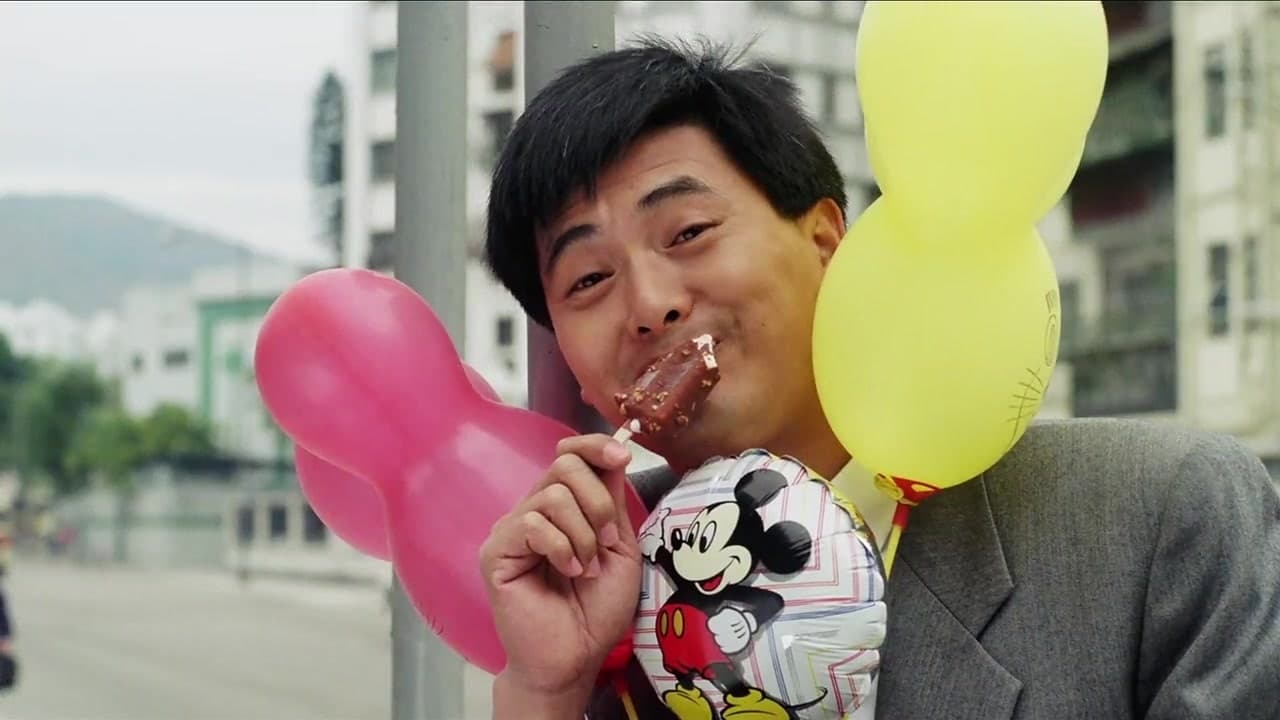
The core premise is gold: Ko Chun, a world-renowned gambler with almost psychic abilities (fueled by a specific brand of German chocolate, Feodora, which saw a massive sales spike after the film!), suffers amnesia after a freak accident engineered by his treacherous cousin. He regresses to a child-like state, taken in by a small-time hustler, Knife, played with infectious energy by a young and charismatic Andy Lau. Watching the sophisticated Ko Chun reduced to "Chocolate," obsessed with sweets and naive to the world, provides the film's comedic engine.
### More Than Just a Lucky Hand
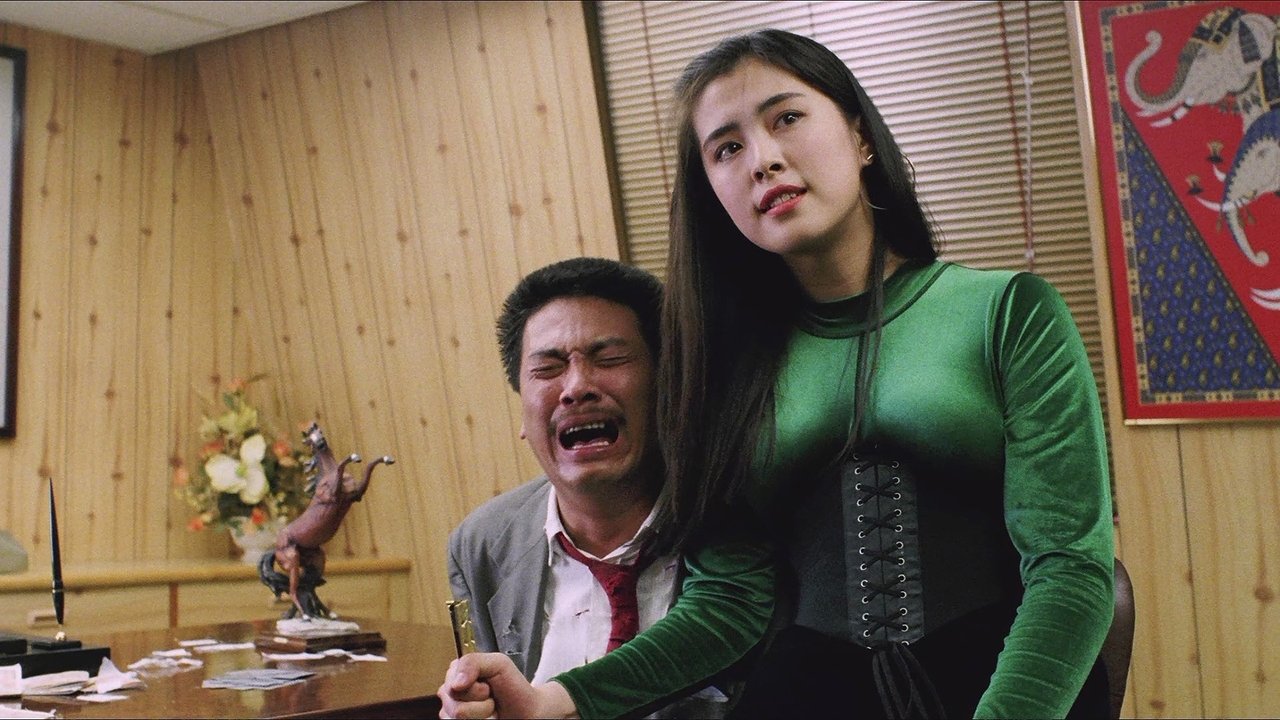
The dynamic between Chow Yun-Fat and Andy Lau is the heart of the film. Lau, already a rising star, holds his own, providing the street smarts and, often, the bewildered reactions to Chocolate's hidden genius bubbling to the surface. Add in the lovely Joey Wong (forever remembered from A Chinese Ghost Story) as Knife's girlfriend, Jane, bringing warmth and loyalty, and you have a surprisingly effective central trio. Their bond grounds the film amidst the often-wild tonal shifts. One minute you're laughing at Chocolate's antics, the next you're gripped by a tense gambling showdown, and then suddenly plunged into a surprisingly brutal shootout.
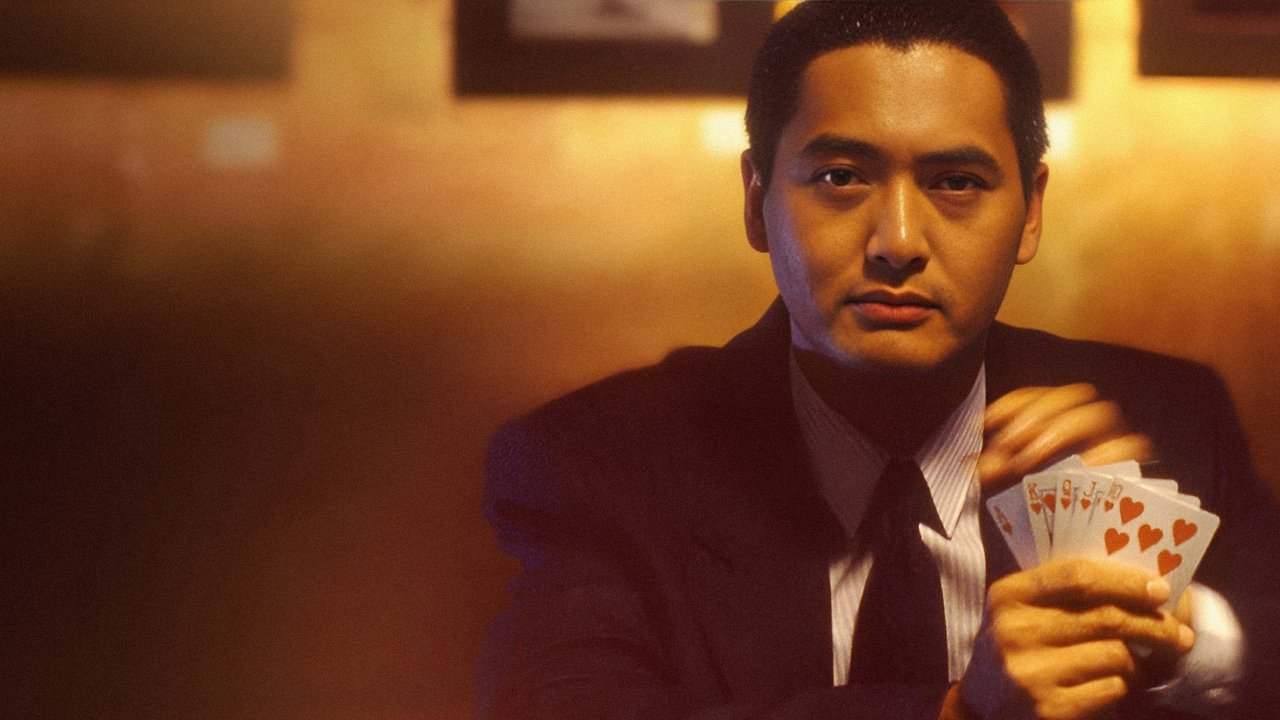
Speaking of those gambling scenes – this is where the "practical effects" of the era shine in a different way. It wasn't about explosions, but about the craft of creating tension. Wong Jing uses slick slow-motion, dramatic close-ups on cards, dice, and especially Ko Chun's intense gaze, making every shuffle and throw feel monumental. Remember how those moments felt back then, before CGI could smooth everything out? There was a palpable weight to the physical props, the click of the dice, the snap of the cards. It felt real in its own stylized universe. The film didn't need digital wizardry to make you hold your breath; sharp editing and Chow Yun-Fat's sheer screen presence did the heavy lifting.
### Behind the Green Felt
God of Gamblers wasn't just a movie; it was a phenomenon. It raked in over HK$37 million at the Hong Kong box office, a staggering amount for 1989 (around US$4.7 million then, but a huge local success), making it one of the year's biggest hits. It didn't just make money; it single-handedly kicked off a massive wave of gambling-themed films in Hong Kong throughout the early 90s, including numerous sequels, spin-offs (Andy Lau got his own in Knight of Gamblers), and parodies (like Stephen Chow's hilarious All for the Winner). Its influence was immense. Wong Jing tapped into a potent mix of wish fulfillment, hero worship, and broad comedy that resonated deeply.
While some critics at the time might have scoffed at the sometimes jarring tonal shifts – veering from broad Cantonese slapstick to moments of genuine pathos and bursts of gunplay – audiences adored it. It delivered pure entertainment, anchored by that career-defining performance from Chow Yun-Fat, showcasing his incredible range beyond just being a stoic action hero. He could be cool, vulnerable, hilarious, and deadly, sometimes all within the same scene.
### The Verdict
God of Gamblers is pure Hong Kong cinema magic from the late 80s. It's slick, funny, occasionally nonsensical, but powered by an undeniable star wattage and a director who knew exactly how to please a crowd. The blend of genres might feel a bit whiplash-inducing to modern eyes accustomed to more streamlined narratives, but that's part of its chaotic charm. The action, when it happens, has that gritty, impactful feel of the era, and the gambling sequences remain iconic showcases of cinematic tension building.
Rating: 8/10
The score reflects its undeniable entertainment value, iconic status, Chow Yun-Fat's magnetic performance, and massive cultural impact in HK cinema, while acknowledging the sometimes uneven tone inherent in Wong Jing's popular style. It expertly balances high-stakes cool with genuine laughs and heart.
Final thought? They just don't make 'em like this anymore – that perfect, slightly crazy cocktail of genres served up with maximum charisma. A royal flush of VHS-era Hong Kong entertainment that still pays out big time.