It arrives not with a whisper, but a klaxon call. Even now, decades after pulling that slightly worn VHS tape from the shelf at the local rental spot, the final moments of Spike Lee's School Daze (1988) retain their raw, startling power. Laurence Fishburne, as the politically conscious Dap Dunlap, breaking the fourth wall, shouting directly at us through the flickering CRT screen: "Wake up!" It wasn't just a line of dialogue; it felt like a direct command, a jolt to the system that lingered long after the tape automatically rewound. This wasn't just another college comedy; it was something else entirely – vibrant, messy, confrontational, and utterly unforgettable.
Welcome to Mission College
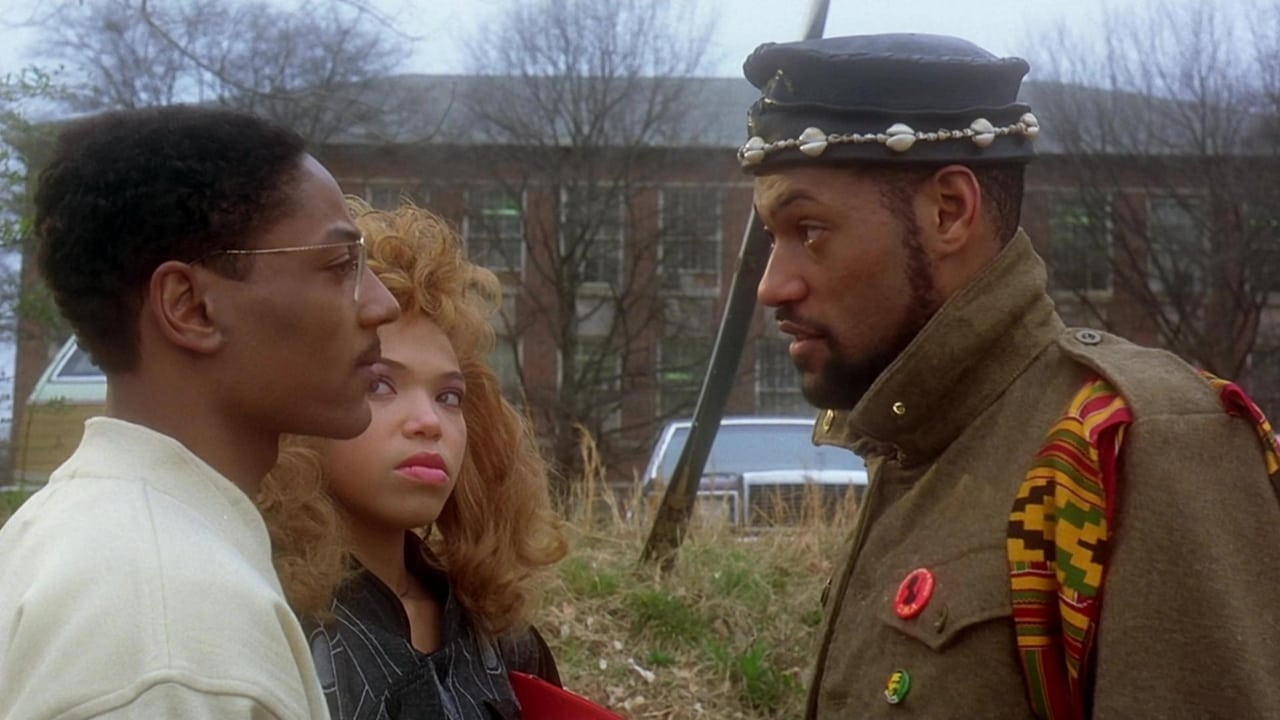
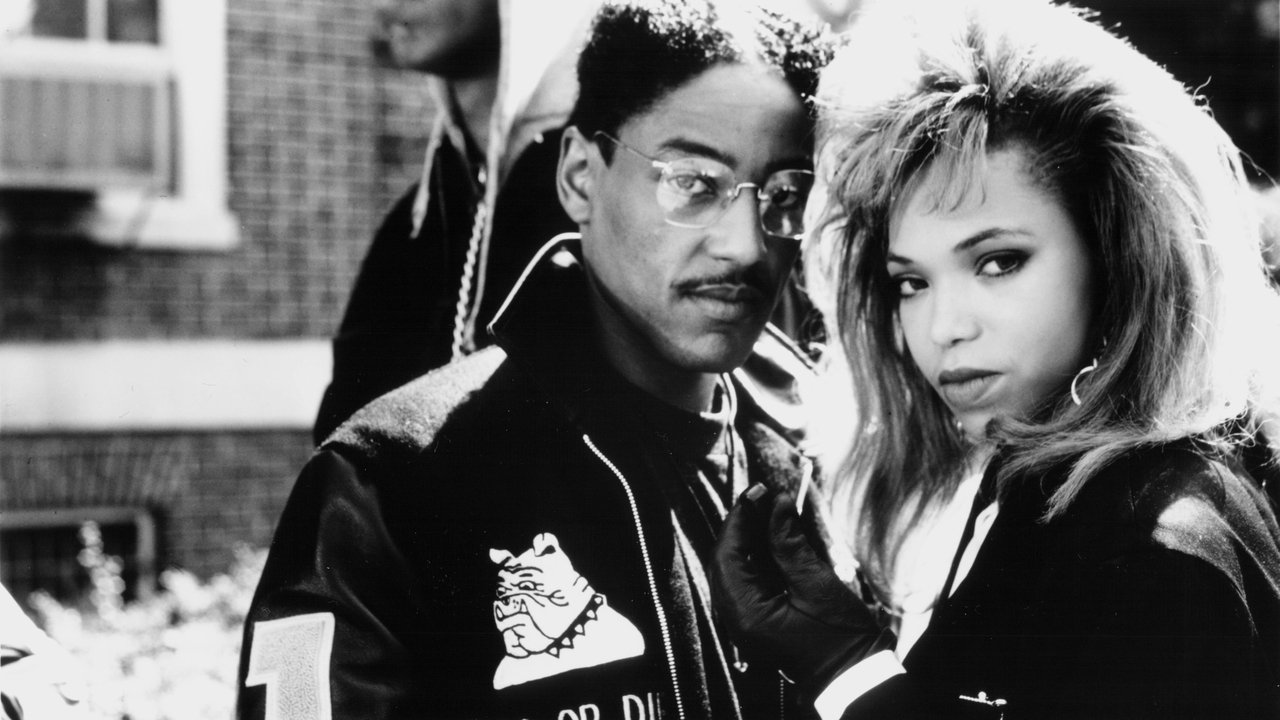
Set during homecoming weekend at the fictional historically Black college (HBCU) Mission College, School Daze plunges us headfirst into a microcosm of complex social dynamics within the Black community. Lee, drawing heavily from his own experiences at Morehouse College (an Atlanta HBCU, alongside the sister school Spelman College, which clearly inspired the film's settings and social structures), crafts a narrative tapestry woven with threads of colorism, classism, hair politics, Greek life rivalries, and the perennial clash between activism and assimilation. Our main conduits are Dap (Laurence Fishburne), leading the charge against apartheid in South Africa and challenging the campus establishment, and Julian (Giancarlo Esposito), the calculating head of the Gamma Phi Gamma fraternity, embodying elitism and tradition. Caught between these poles are characters like Rachel Meadows (Kyme) and Jane Toussaint (Tisha Campbell), navigating the fraught expectations placed upon young Black women regarding appearance and affiliation.
More Than Just a Movie: A Musical Statement
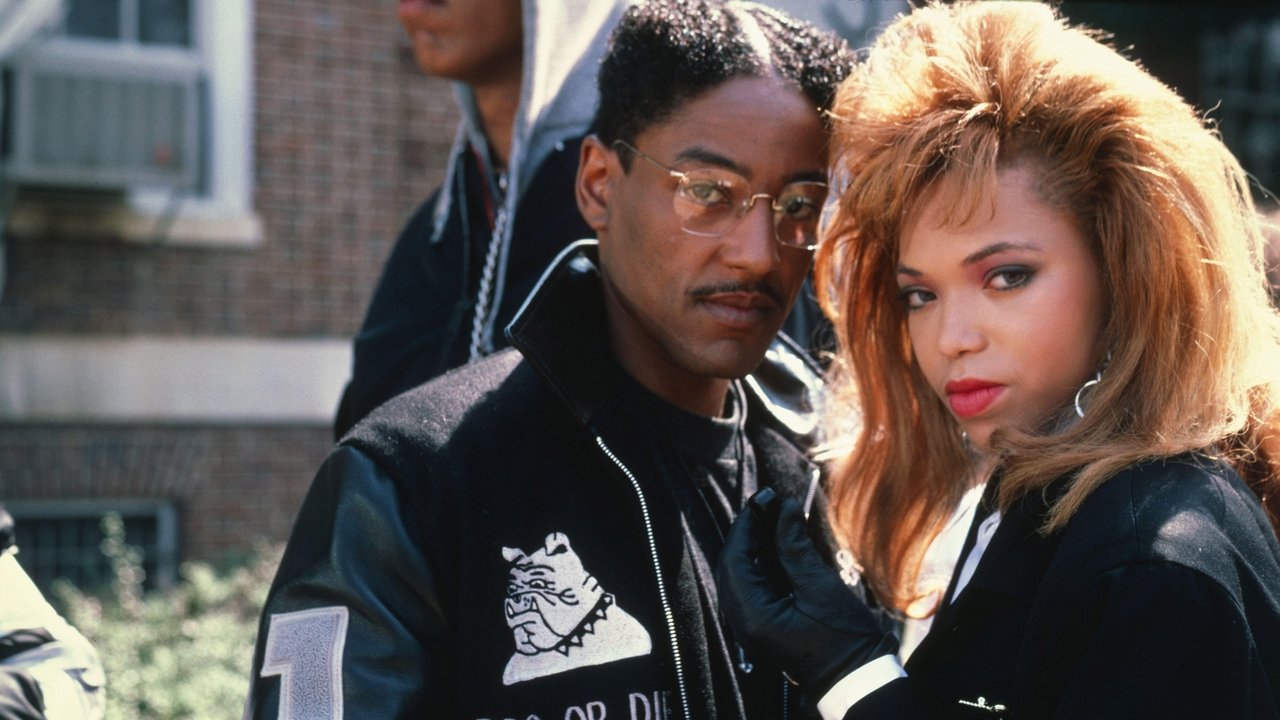
What truly set School Daze apart, especially back in '88, was Lee's audacious decision to frame this intense social commentary as a musical. It’s a choice that could have easily backfired, trivializing the serious themes. Yet, under Lee’s direction, and fueled by the fantastic score composed by his father, Bill Lee, featuring the go-go funk brilliance of EU (Experience Unlimited), it mostly works. The musical numbers aren't just interludes; they're integral expressions of the film's central conflicts. The iconic "Straight and Nappy" sequence, a stylized salon showdown between the lighter-skinned "Wannabes" and the darker-skinned "Jigaboos," remains a blistering, uncomfortable, and brilliantly staged exploration of internalized racism and hair texture politics. It was shocking to see these intracommunity tensions laid bare so directly on screen, and the musical format somehow made it even more pointed, more theatrical, more unavoidable. Other numbers, like the Gamma step sequence or the poignant "Be Alone Tonight," add layers of energy and emotion, showcasing the deep wellspring of talent in the young cast.
Truth in Performance
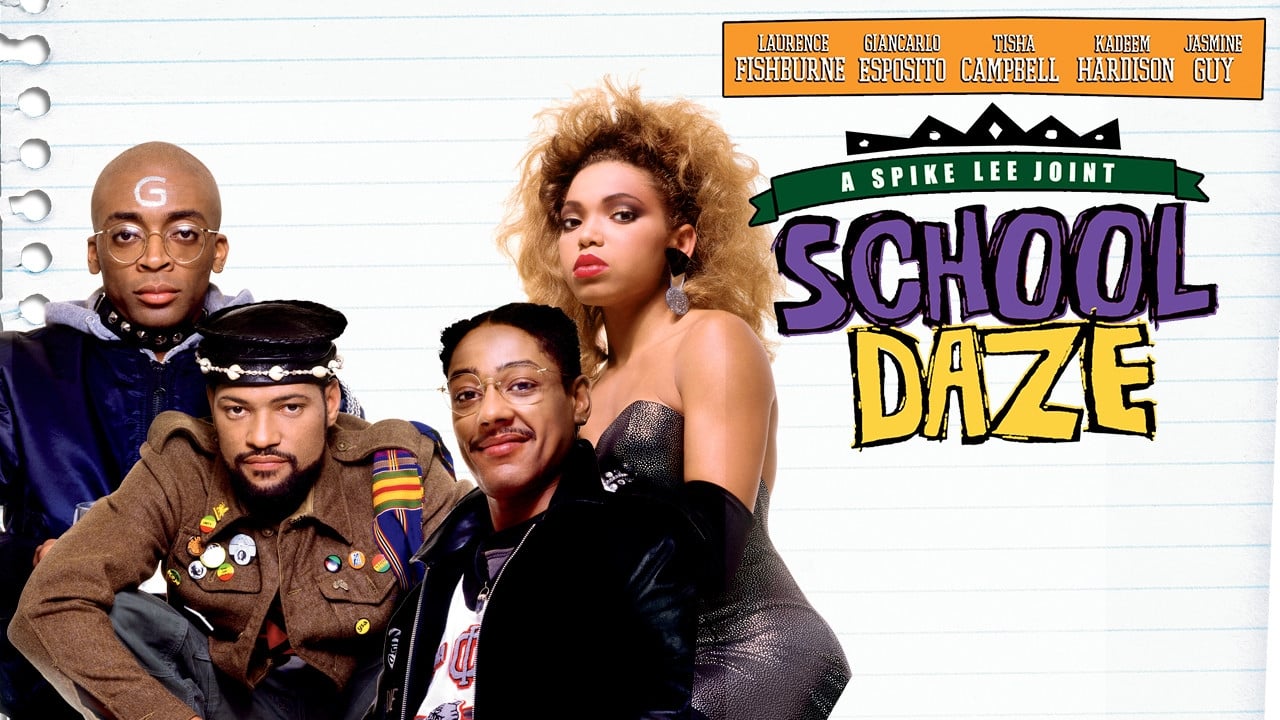
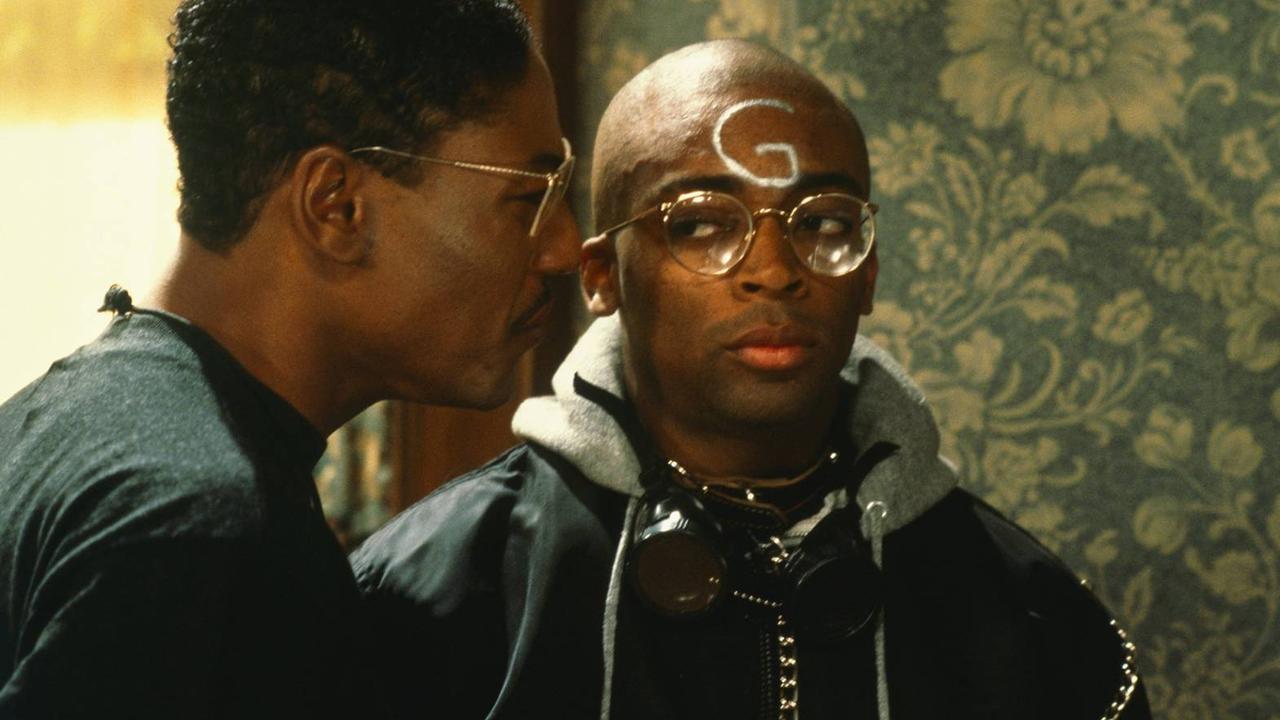
The film crackles with youthful energy, anchored by powerhouse performances. Laurence Fishburne, already a seasoned actor but stepping into a more prominent leading role here, embodies Dap's righteous frustration and unwavering conviction. You feel the weight of his character's mission. Opposite him, Giancarlo Esposito, in an early collaboration with Lee that hinted at the intensity he'd later bring to iconic roles like Gus Fring in Breaking Bad, is magnetic and chilling as Julian. He perfectly captures the smug superiority and deep-seated insecurity of the fraternity elite. Tisha Campbell, navigating the complex pressures faced by her character, delivers a performance full of vulnerability and nuance. The ensemble, including Jasmine Guy, Kyme, Joe Seneca, and even a brief but memorable appearance by Samuel L. Jackson, feels authentic, capturing the specific energy and anxieties of that HBCU environment.
Behind the Hazing: Retro Fun Facts
Getting School Daze made wasn't exactly a walk in the park. Lee initially had a deal elsewhere, but creative differences led him to Columbia Pictures. Even then, the journey wasn't smooth. The studio famously balked at Lee's original, bleaker ending. As the story goes, facing pressure to deliver something more conclusive (and perhaps less challenging), Lee conceived the now-iconic "Wake Up!" finale relatively late in the process, transforming a potential studio compromise into one of the film's most defining moments. Shot on a modest budget of around $6.5 million, the film utilized the campuses of Morehouse, Spelman, Clark Atlanta University, and Morris Brown College, lending it an essential layer of authenticity. While it turned a profit, grossing about $14.5 million domestically, its cultural impact far outweighed its box office numbers. It received an R rating, likely due to language, thematic intensity, and frank discussions of sexuality – elements that felt raw and necessary for the story Lee was telling. It’s fascinating to think that Lee, only on his second major feature after the indie success of She's Gotta Have It (1986), possessed such a clear, uncompromising vision.
Echoes Through Time
Does School Daze feel dated in places? Sure, the fashion screams late 80s, and some of the dialogue has that specific era's cadence. But the core issues it tackles – colorism, class division, the complexities of Black identity, the struggle for social justice – remain startlingly relevant. What lingers most after the film ends? For me, it’s the film’s sheer bravery. It dared to put deeply sensitive, often unspoken issues within the Black community front and center, wrapping them in a vibrant, energetic, sometimes chaotic package. It’s a film that demands discussion, sparks debate, and refuses easy answers. I distinctly remember renting this tape, perhaps drawn in by the promise of a college romp, and being utterly floored by its depth and audacity. It felt important then, a vital piece of Black cinema breaking new ground.
Rating: 8/10
This rating reflects the film's undeniable cultural significance, its groundbreaking themes, energetic performances, and Spike Lee's bold directorial choices, particularly the risky but largely successful musical structure. It earns this score through its ambition and lasting impact, even acknowledging its occasional narrative unevenness and tonal shifts that don't always land perfectly. It's a film whose importance and raw energy override its imperfections.
School Daze remains a potent, provocative piece of filmmaking. It’s more than just a time capsule of late 80s HBCU life; it’s a vibrant, challenging, and ultimately crucial film that used the accessible language of the musical to ask its audience profound and enduring questions. And that final command? It still resonates. Wake up.