The vast, indifferent blue stretches to every horizon. A speck drifts upon it – a yacht, the Saracen, meant to be a sanctuary, a floating haven for healing. But the ocean keeps its secrets, and sometimes, what washes up from its depths isn't solace, but pure, distilled terror. Watching Dead Calm (1989) again feels like rediscovering a particularly potent strain of cinematic dread, the kind that clings long after the tape spools to its end. It’s a film that understands the horrifying vulnerability of isolation.

Adrift in Paradise Lost
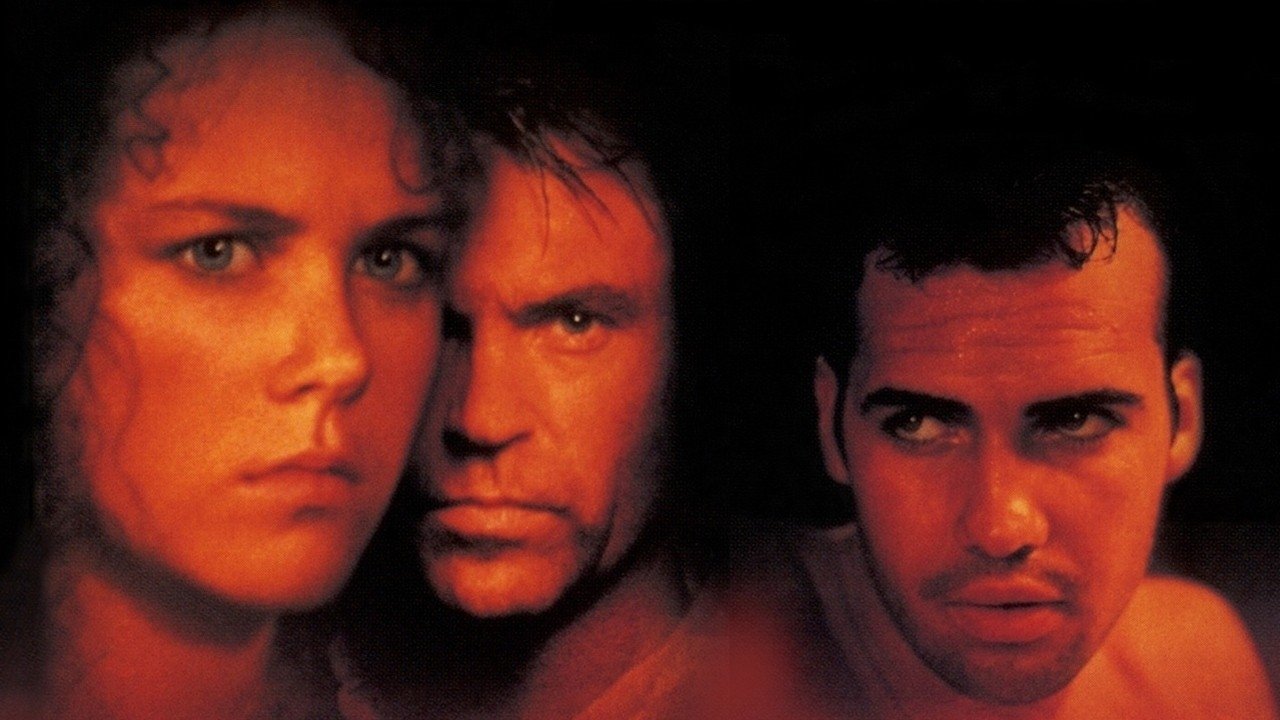
The setup, penned by Terry Hayes (who’d later give us the gritty scripts for Mad Max 2: The Road Warrior (1981) and Payback (1999)) from Charles Williams’ novel, is brutally simple. John Ingram (Sam Neill, bringing his signature grounded intensity long before Jurassic Park (1993)) and his younger wife Rae (Nicole Kidman, in a star-making turn that hinted at the powerhouse she’d become) are adrift, literally and emotionally, after a family tragedy. Their luxurious yacht is their escape pod from grief. Then, a dinghy appears, rowed by a frantic, exhausted young man, Hughie Warriner (Billy Zane). He claims his shipmates aboard the schooner Orpheus died from food poisoning. Alarm bells don't just ring; they clang with the resonance of impending doom.
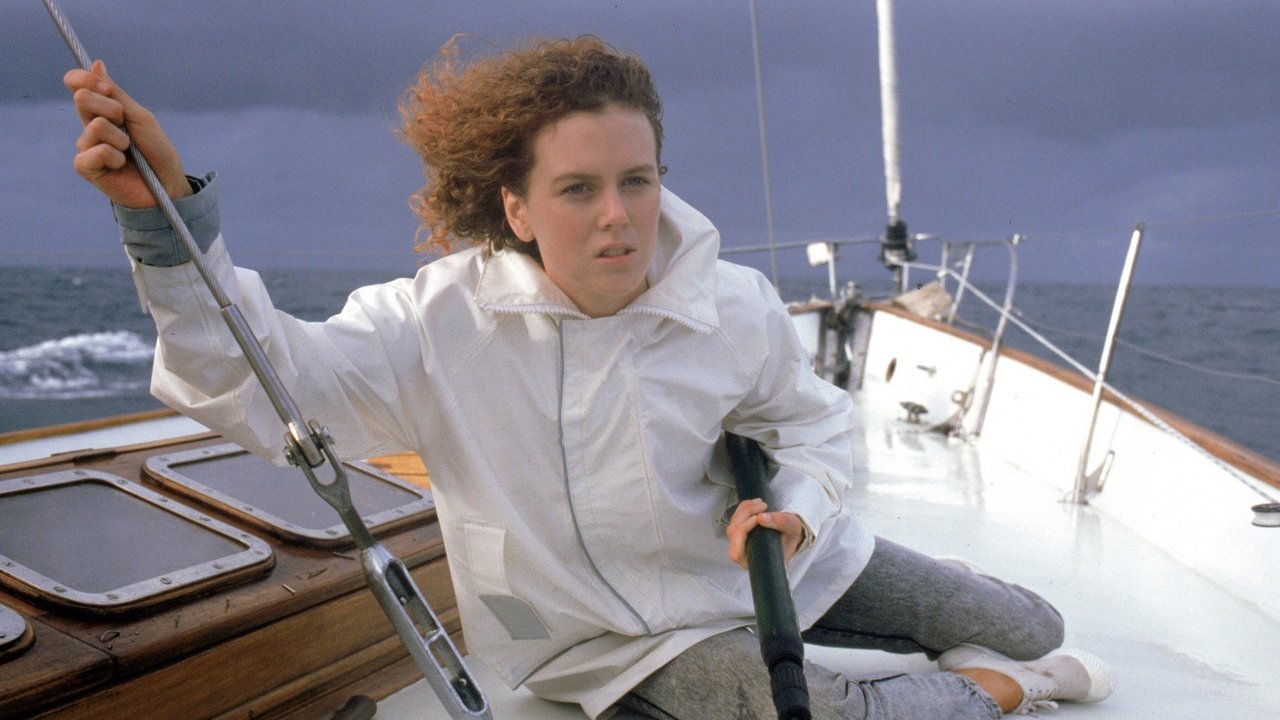
Director Phillip Noyce, who would later helm slick Hollywood thrillers like Patriot Games (1992), demonstrates a masterful control of tension here. The sun-drenched setting on the Great Barrier Reef becomes ironic, a beautiful cage. The endless ocean offers no escape, only deeper isolation. Noyce uses the confines of the yacht brilliantly, creating a palpable sense of claustrophobia. Every creak of the hull, every slap of water against the fiberglass, every shift in the wind feels pregnant with menace, amplified by Graeme Revell's unsettling, atmospheric score. It’s a masterclass in making paradise feel perilous.
The Serpent in Eden
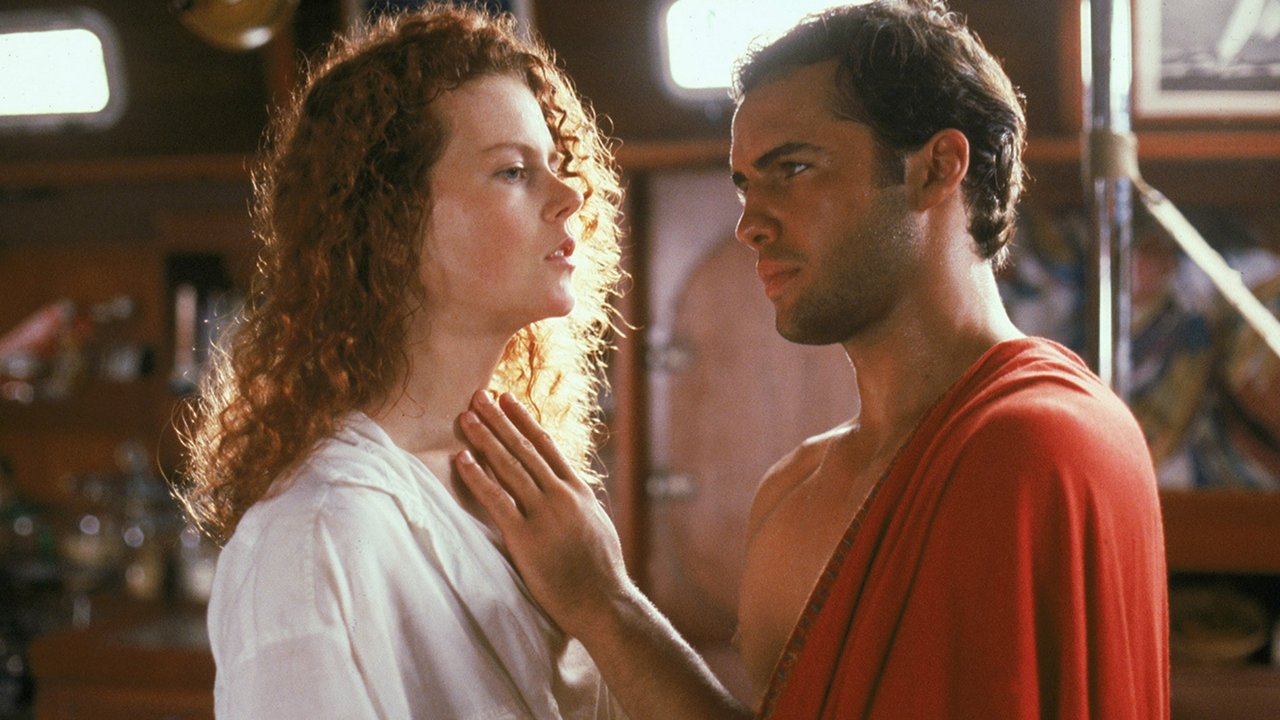
What truly ignites the film, turning suspense into raw psychological warfare, is Billy Zane. Hughie is a terrifying creation – handsome, initially plausible, but with a volatility simmering just beneath the surface that threatens to boil over at any second. Zane delivers a performance of captivating, unpredictable menace. It’s easy to see why this became his signature role for years; he embodies that specific brand of unhinged charm that’s so deeply unnerving. You watch him, fascinated and repulsed, never quite sure when the mask will drop entirely. Doesn't that kind of villain, the one who could almost seem normal, still feel uniquely chilling?
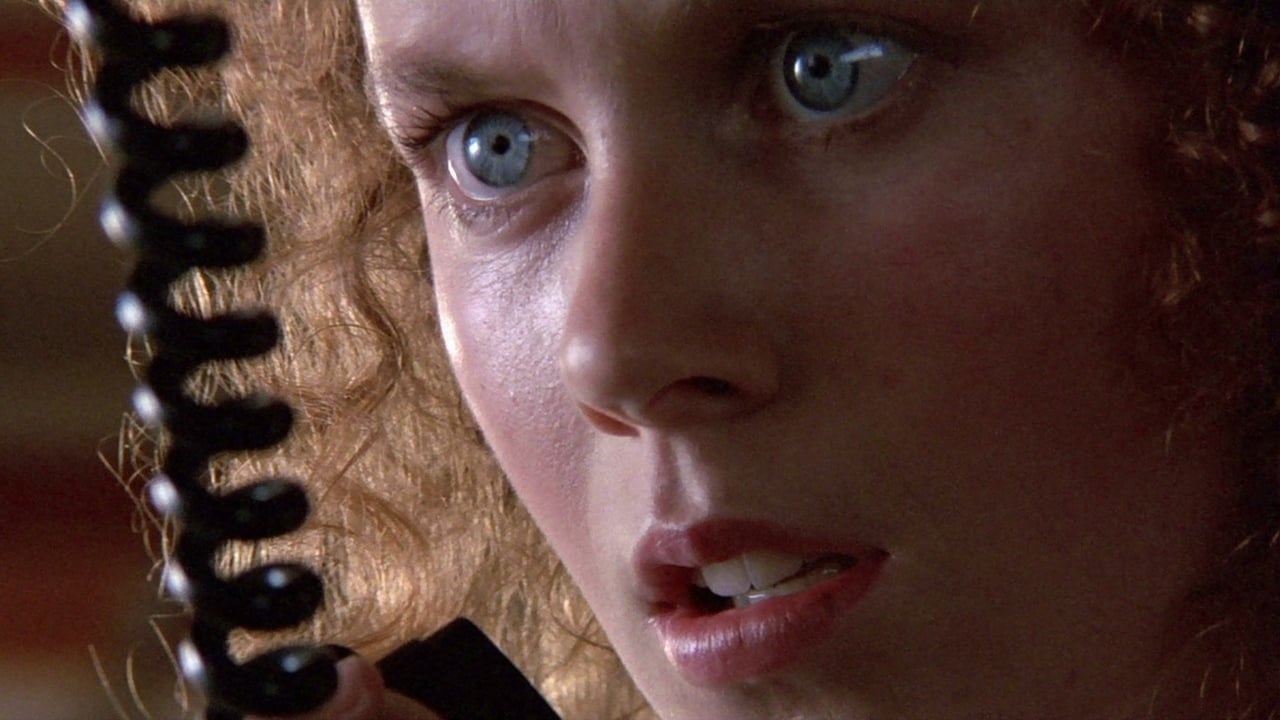
Opposite him, Nicole Kidman is revelatory. Rae isn’t a passive victim. Her grief initially makes her vulnerable, perhaps more susceptible to Hughie's act, but as the situation escalates, a fierce survival instinct kicks in. Kidman portrays this shift with incredible conviction, moving from fragile sorrow to determined, resourceful action. It’s a physically demanding role too, and knowing she and Neill performed many of their own stunts, particularly in the water sequences, adds another layer of gritty realism. It’s fascinating to see her raw talent here, years before becoming the global superstar we know today.
Echoes from the Deep (Retro Fun Facts)
The journey of Dead Calm to the screen is almost as intriguing as the film itself. Many cinephiles know the ghostly tale of Orson Welles' unfinished attempt to adapt the same novel in the late 60s/early 70s, titled The Deep. That ill-fated production, plagued by financial woes and the death of star Laurence Harvey, became one of cinema's great "what ifs." It lends Noyce’s version an almost spectral quality, as if completing a task the master couldn't. Shot primarily on location in Queensland, Australia, on a budget reported around AUD $10.9 million, the production faced the inherent challenges of filming on open water, wrangling boats, and capturing the unforgiving beauty and danger of the sea. Even the dog, Ben, apparently provided his own share of on-set difficulties, proving that sometimes the most unpredictable elements aren't the human actors!
Tightening the Noose
The film ratchets up the tension relentlessly. Once John leaves to investigate the seemingly derelict Orpheus, leaving Rae alone with Hughie, the narrative splits but the dread doubles. We cut between John’s horrifying discoveries on the sinking ghost ship and Rae’s desperate attempts to outwit her increasingly unstable captor. Noyce avoids cheap jump scares, opting instead for slow-burn suspense and moments of excruciating vulnerability. The feeling of helplessness is profound – two boats, adrift and isolated, locked in a deadly game of cat-and-mouse separated by miles of water. The film forces you to confront the terrifying possibility of being utterly alone and at the mercy of chaos. Some argue the ending feels slightly tacked on, a concession to Hollywood convention perhaps demanded after test screenings, but for me, the preceding 90 minutes are so potent, so tightly wound, that it hardly diminishes the overall impact.
The Verdict
Dead Calm is a prime example of the stripped-down, high-concept thriller that flourished in the late 80s and early 90s. It doesn't rely on complex conspiracies or explosive action set pieces (mostly), but on raw human psychology, primal fear, and the terrifying power of isolation. The performances are superb, particularly Zane's iconic turn and Kidman's breakthrough, while Noyce's direction masterfully exploits the setting for maximum atmospheric dread. Watching it on VHS back in the day, maybe on a grainy CRT screen late at night, felt incredibly potent – the contained world on screen mirroring the contained experience of home viewing. It’s a taut, gripping exercise in suspense that still holds up remarkably well.
Rating: 8.5/10
Justification: The atmosphere is thick enough to cut with a knife, the central performances are magnetic (especially Zane and Kidman), and the tension is expertly sustained for most of its runtime. Minor quibbles about the final moments don't negate the sheer effectiveness of the core narrative and Noyce's direction. It's a lean, mean, unforgettable thriller from the era.
Final Word: A chilling reminder that the most terrifying monsters don't always lurk in the shadows, sometimes they drift right up to your doorstep, smiling. Dead Calm remains a standout psychological thriller, a gem of late 80s suspense that proved dread could be just as effective under the blazing sun as in the dead of night.