Here we are again, bathed in the glow of the cathode ray tube, the faint hum a familiar comfort. Tonight, we’re sliding a tape into the VCR that carries a certain weight – not just the physical heft of the plastic cassette, but the weight of expectation, of legacy. We're talking about Tsui Hark's 1989 prequel, A Better Tomorrow III: Love and Death in Saigon. For many of us who eagerly devoured Hong Kong action cinema in the late 80s and early 90s, finding this tape on the rental shelf was… complicated. It bore the hallowed name, but the absence of director John Woo, the architect of the first two bullet-riddled ballets, felt significant even then.
### Ghosts of Saigon, Ghosts of Heroic Bloodshed
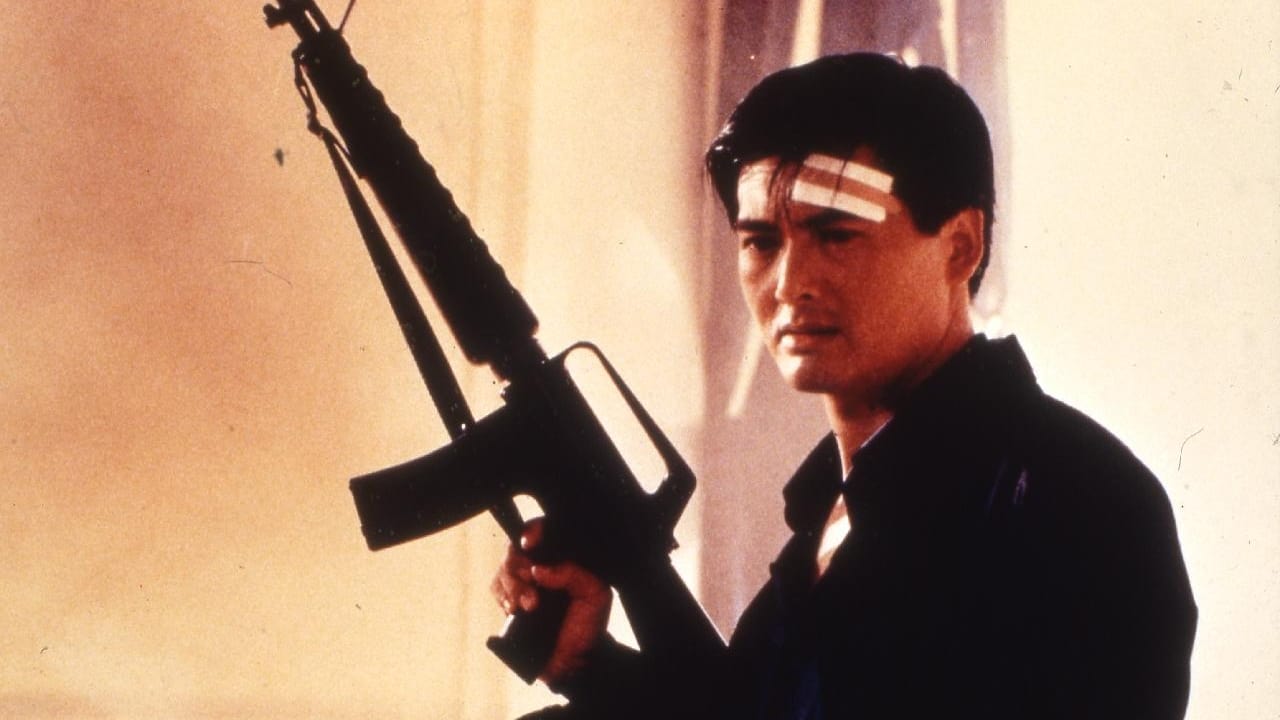
Instead of the neon-slicked streets of Hong Kong, Tsui Hark, who masterfully produced the first two films before a well-documented falling out with Woo, transports us back to 1974, to the chaotic final days before the fall of Saigon. The air hangs thick not just with humidity and desperation, but with the palpable sense of an ending era. This setting is perhaps the film's strongest asset, lending a unique, gritty texture distinct from its predecessors. Hark uses the historical backdrop not just as scenery, but as an active force shaping the characters' fates. You can almost smell the diesel fumes and cordite, feel the rising panic in the crowded streets. It immediately signals that this isn't just another tale of brotherhood and betrayal; it's a story about survival against the relentless tide of history.
### A Different Kind of Mark Gor
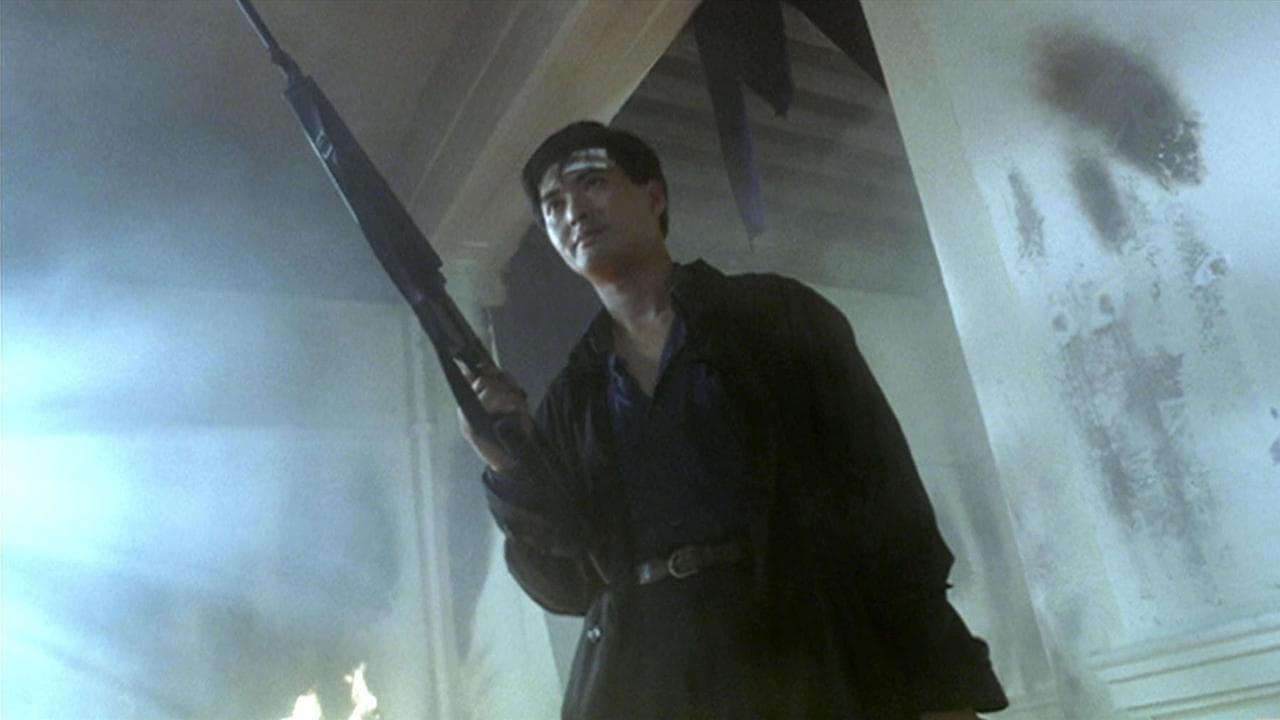
At the center stands Chow Yun-fat, returning as Mark Gor, the character whose effortless cool and twin Berettas defined a generation of action heroes in A Better Tomorrow. But this is Mark before the trench coat, before the sunglasses became an iconic shield. Chow portrays him as younger, brasher, still finding his footing. He arrives in Saigon with his cousin Mun (Tony Leung Ka-fai, bringing his reliable intensity) seeking to get their father out. It’s fascinating to watch Chow sculpt this earlier version of Mark, hinting at the loyalty and explosive potential beneath a less polished surface. It's a testament to Chow's charisma that he makes this less-formed Mark compelling, even if the script doesn't always give him the iconic moments we might expect. Leung, as the more grounded cousin, provides a vital anchor, their relationship forming one pillar of the narrative.
### The Unforgettable Anita Mui
However, the film truly belongs to the late, great Anita Mui as Chow Kit-ying, a mysterious, gun-toting triad figure who becomes entangled with Mark and Mun. Mui, already a Cantopop superstar and respected actress (who we tragically lost far too young), commands the screen. She’s charismatic, dangerous, vulnerable, and utterly magnetic. Kit is no mere love interest; she's a force of nature, often more proactive and ruthless than the men around her. Her complex relationship with Mark forms the emotional core of the film, a triangle completed by Mun’s affection for her. Mui's performance is a powerhouse display – she handles the action with aplomb and invests Kit with a depth and tragic aura that elevates the entire picture. It’s said Tsui Hark specifically created the role to showcase her talents, and it shows. She’s the heart and soul beating amidst the chaos.
### Hark's Hand, Woo's Shadow
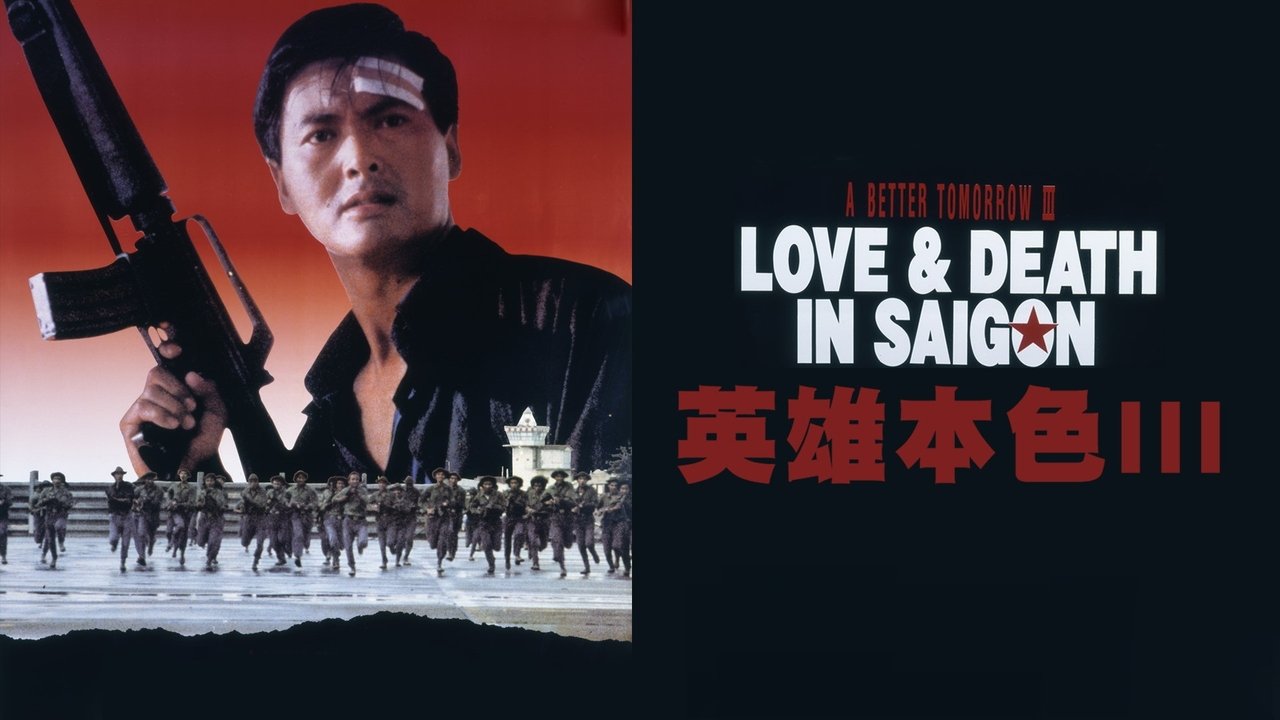
Stylistically, Tsui Hark (whose kinetic energy would later define films like the Once Upon a Time in China series) brings his own distinct visual flair. The action, when it comes, is often frenetic, favouring quicker cuts and a certain chaotic energy over the operatic slow-motion ballets John Woo perfected. There are standout sequences, particularly involving a desperate escape attempt featuring a tank, that showcase Hark's knack for staging large-scale mayhem. Yet, it inevitably invites comparison. Some found Hark's approach jarring within the A Better Tomorrow framework, missing Woo's specific blend of hyper-violence and intense melodrama focused squarely on male bonding.
It's impossible to discuss ABT III without acknowledging the context of the Woo/Hark split. Their creative differences led to Hark steering this prequel while Woo went on to make Bullet in the Head (1990), often considered his spiritual successor or response – another tale of friends torn apart against the backdrop of the Vietnam War. Watching ABT III feels different knowing this history; it becomes less a straightforward prequel and more a fascinating "what if?" – one auteur's interpretation of another's universe, born from creative conflict. Reportedly, Hark even reused some ideas originally intended for A Better Tomorrow II.
### Echoes in the Dust

Does A Better Tomorrow III entirely succeed? As a prequel explaining Mark Gor's iconic limp and persona, it feels somewhat incomplete, perhaps even contradictory to the image cemented by Woo. The plot can meander, and the tonal shifts between action, romance, and historical drama aren't always seamless. Yet, judged on its own terms, it's an ambitious, often visually striking film anchored by three compelling lead performances, particularly Anita Mui's unforgettable turn. The Saigon setting provides a unique and potent atmosphere, and Hark delivers moments of visceral action. It may not possess the pure, distilled essence of heroic bloodshed found in the first two films, but it offers something else: a grittier, more sprawling, and arguably more tragic look at survival when loyalties are tested not just by gangsters, but by the crushing weight of war itself. Pulling this tape off the shelf back then might have initially felt like settling for something adjacent to the real deal, but revisiting it reveals a film with its own distinct merits and a poignant performance for the ages.
Rating: 7/10
It stands as a somewhat contested chapter in a legendary series, perhaps more Tsui Hark than A Better Tomorrow. Yet, its ambition, the evocative setting, and Anita Mui's luminous performance ensure it's far more than just a curious footnote in the annals of Hong Kong cinema pulled from the depths of VHS Heaven. What endures is the feeling of grit and loss, a different shade of heroism forged in the fires of history.