The static hiss of the tracking adjustment fades, and the screen fills with the neon glare reflecting off rain-slicked streets. It’s New York, but not the one you usually see. This is Chinatown, 1985, a powder keg waiting for a match, and that match arrives in the form of Captain Stanley White. Year of the Dragon doesn’t ease you in; it throws you headfirst into a world simmering with violence, ambition, and prejudice, a feeling that lingered long after the tape spooled to its end back in the day.
Mean Streets, Meaner Cop
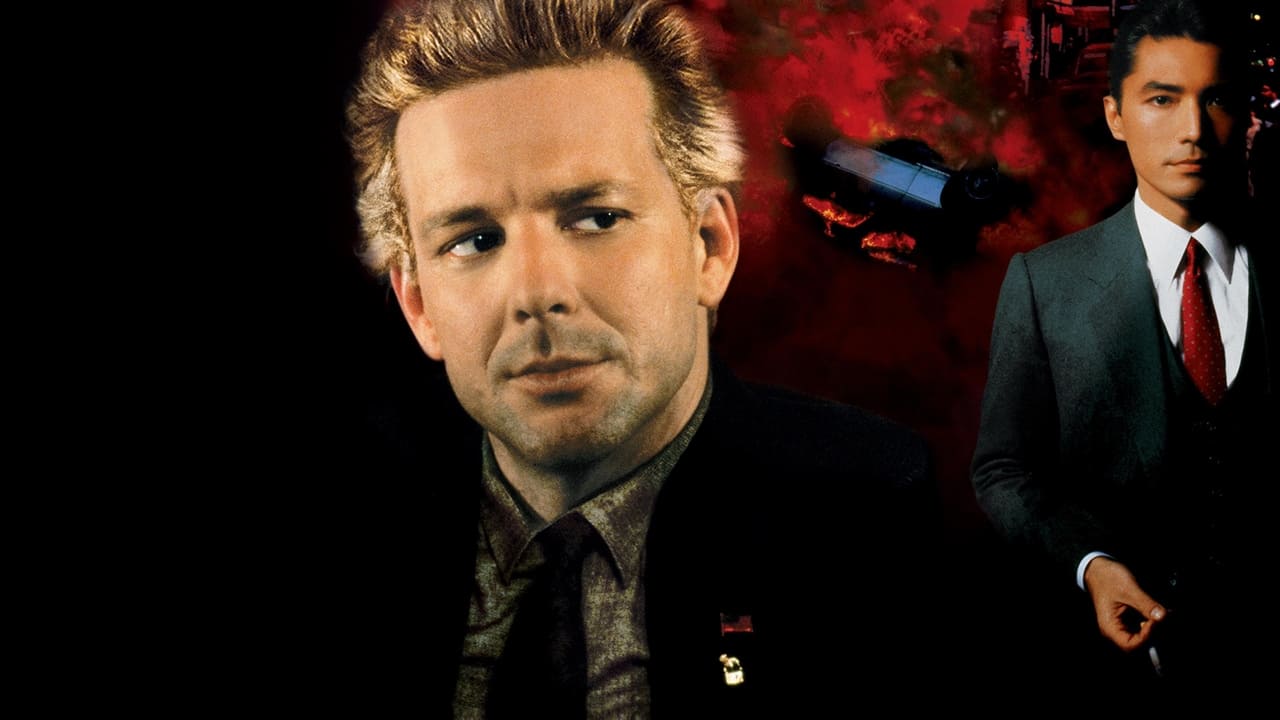
Fresh off the infamous financial cataclysm of Heaven's Gate (1980), director Michael Cimino returned, seemingly needing to prove something. Teaming up with a pre-Platoon (1986) Oliver Stone on the screenplay (adapting Robert Daley's novel), Cimino crafted a crime thriller that feels less like a procedural and more like a descent into urban warfare. The story centers on Stanley White (Mickey Rourke), a decorated but deeply bigoted Vietnam vet cop assigned to clean up Chinatown's youth gangs. His methods are brutal, his obsession absolute, and his target soon shifts from street punks to the established Triad hierarchy, specifically the dangerously charismatic new boss, Joey Tai (John Lone).
This wasn't your standard cops-and-robbers fare, even by gritty 80s standards. I remember renting this, drawn by Rourke's smoldering intensity on the box art, expecting maybe Beverly Hills Cop with more grit. What unfolded felt far more dangerous, almost operatic in its intensity and bleakness. Cimino, ever the visual stylist, paints Chinatown not just as a location but as a character – claustrophobic, soaked in atmosphere, both beautiful and menacing. The production design feels lived-in, authentic, a world away from sanitized Hollywood backlots. Cinematographer Alex Thomson captures it all with a richness that sometimes felt dulled on VHS but hinted at the film's visual power.

Rourke Unleashed
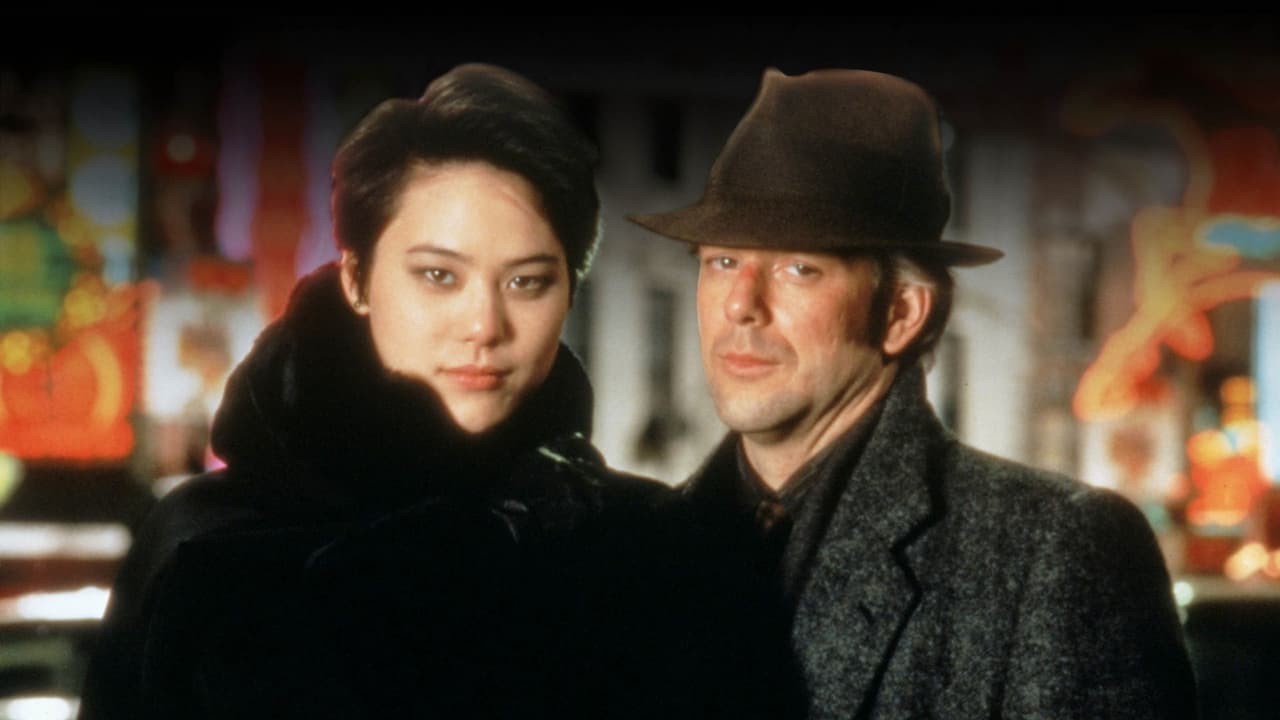
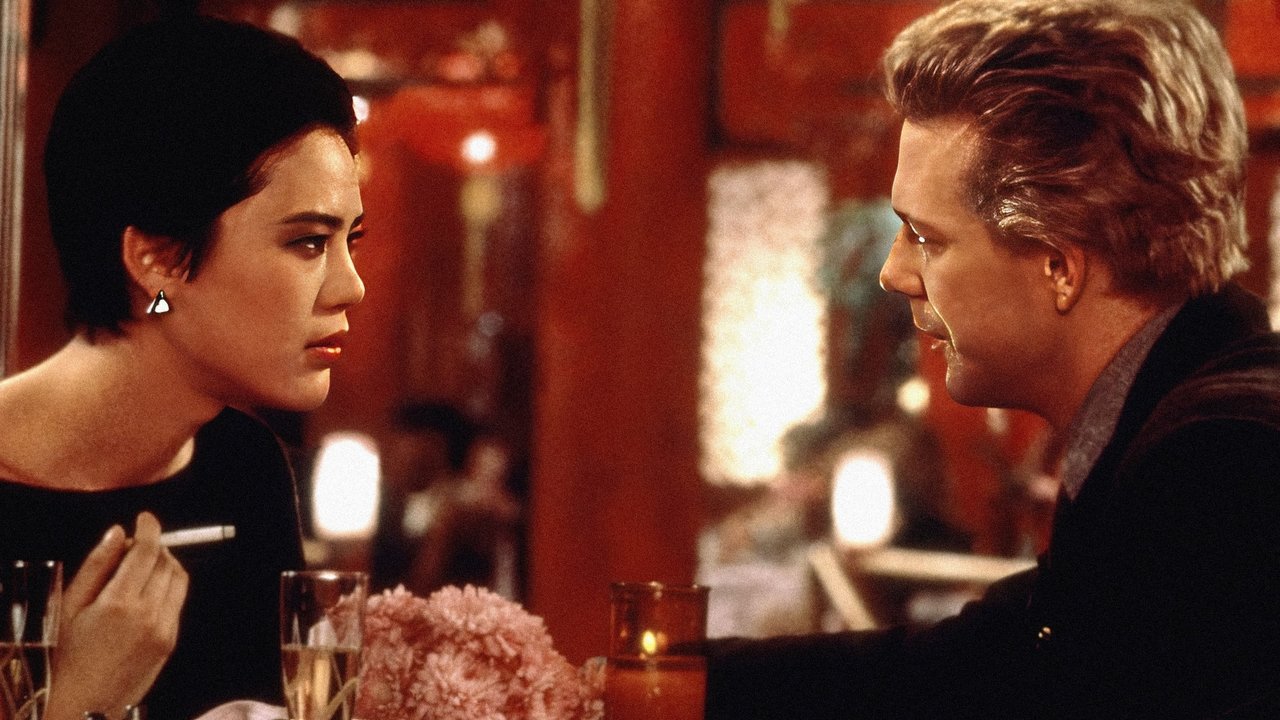
At the heart of the storm is Mickey Rourke. This was peak Rourke – volatile, magnetic, unpredictable. His Stanley White is fascinatingly repellent. He's ostensibly the hero, yet fueled by racism and a self-destructive obsession that alienates everyone around him, including his long-suffering wife (Caroline Kava) and the television reporter Tracy Tzu (Ariane Koizumi) he becomes involved with. It's a performance that pushes boundaries, sometimes uncomfortably so. There’s a raw nerve quality to Rourke here, a sense that the character’s barely contained rage mirrored something real within the actor. He reportedly threw himself into the role, contributing to the film's palpable tension. Doesn't that coiled energy still feel potent watching it now?
Opposite him, John Lone, who would later gain global fame in The Last Emperor (1987), is perfection as Joey Tai. He’s everything White isn't – cool, sophisticated, ruthless but contained. Tai represents a new generation of organized crime, educated and ambitious, making the clash between these two men feel like a battle for the soul of the city itself. Their confrontations crackle with unspoken hatred and a grudging, twisted respect.

Controversy and Craft
Of course, you can't discuss Year of the Dragon without addressing the firestorm of controversy it ignited upon release. Accusations of harmful stereotypes and racist depictions of the Chinese-American community led to protests and demands for changes. A disclaimer was eventually added, acknowledging the fictional nature of the story and stating it wasn't meant to be representative of the entire community. It's a complex legacy. While the film undeniably features racist language (mostly from White) and some stereotypical portrayals, Cimino and Stone seemed to be aiming for a critique of that very racism within White, exposing the ugliness rather than endorsing it. Whether they succeeded is still debated, but the intent adds a layer to the film's abrasive power. It certainly wasn't afraid to be unpleasant, a stark contrast to more crowd-pleasing 80s action flicks.
Despite the controversies, the filmmaking craft is often undeniable. Cimino stages action sequences with brutal efficiency. The restaurant shootout is a masterclass in chaotic, close-quarters violence, and the climactic confrontation on the railway bridge feels epic in scale. These scenes, often underscored by David Mansfield's evocative score, had a visceral impact that stuck with you. Remember that feeling, the shock value mixed with technical prowess? The film reportedly cost around $24 million – a significant sum – and while it didn't recoup that domestically (earning about $18.7 million in the US), it wasn't the financial black hole Heaven's Gate had been. It found its audience later, on home video, becoming a cult favorite for those drawn to its dark energy and uncompromising vision.
Enduring Brutality
Year of the Dragon remains a potent, often uncomfortable watch. It’s flawed, certainly. The Tracy Tzu subplot feels underdeveloped and sometimes problematic, and the sheer force of White's unpleasantness can be overwhelming. Yet, its ambition, its atmosphere, and the searing performances from Rourke and Lone make it unforgettable. It’s a relic of a time when major studios occasionally took risks on dark, challenging material from visionary (if difficult) directors. It doesn't offer easy answers or comfortable heroes; it presents a grim tableau of corruption, obsession, and the violence simmering beneath the surface of the American dream.
Rating: 7.5 / 10
Justification: The score reflects the film's powerful atmosphere, Rourke's commanding performance, Lone's chilling counterpoint, and Cimino's bold, if controversial, direction and striking action sequences. Points are deducted for the problematic handling of certain characters and themes, and narrative elements that don't fully coalesce. However, its sheer intensity and stylistic flair earn it a strong place in the pantheon of gritty 80s crime thrillers.
It’s a film that claws at you, a brutal symphony of gunfire and ambition that, love it or hate it, you’re unlikely to forget once that tape clicks off. It stands as a testament to a certain kind of uncompromising 80s filmmaking – raw, risky, and radiating a heat that can still be felt today.