Alright, settle in, pop that tape in the VCR (you might need to adjust the tracking), and let’s talk about a slice of pure, unadulterated 90s action cool: The Replacement Killers from 1998. This wasn't just another shoot-'em-up clogging the shelves at Blockbuster; this was the heavily hyped American arrival of a god-tier action icon, Chow Yun-fat. For anyone who’d devoured bootleg VHS copies of Hong Kong heroic bloodshed masterpieces like The Killer (1989) or Hard Boiled (1992), seeing Chow finally hit Hollywood felt like a seismic event. And while the earth didn't quite shatter, the result is a hyper-stylized blast of ballistic artistry that feels perfectly preserved in amber from that specific pre-millennium moment.
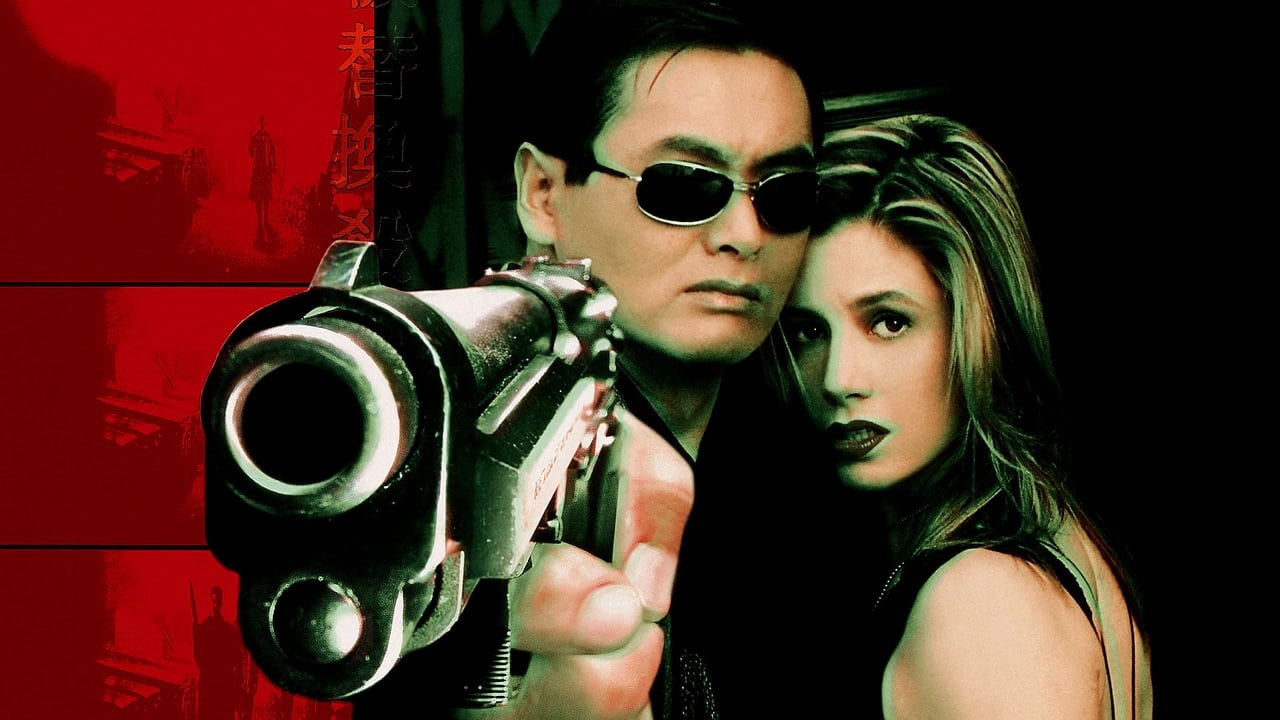
Style Over Substance? Absolutely. And Gloriously So.
Let's be honest, the plot here isn't exactly Shakespeare. Chow Yun-fat plays John Lee, a conscience-stricken assassin working for a ruthless crime boss (played with steely menace by Kenneth Tsang, a veteran of Hong Kong cinema himself). When Lee refuses a final, morally repugnant hit targeting a cop's young son, he becomes the target himself. To protect his family back in China, he needs to get out of the country, fast. Enter Meg Coburn, a street-smart document forger played by Mira Sorvino, fresh off her Oscar win for Mighty Aphrodite (1995) – a somewhat unexpected, but ultimately game, choice for this kind of fare. Coburn gets swept up in Lee's violent predicament, and soon they're both dodging waves of impeccably dressed killers sent by the boss.
The story is lean, almost minimalist, serving primarily as a framework to hang some truly breathtaking action set pieces upon. And that’s where The Replacement Killers absolutely shines. This was the directorial debut of Antoine Fuqua, who would later give us gritty hits like Training Day (2001) and The Equalizer (2014). Here, you can see him flexing his visual muscles, heavily influenced by executive producer John Woo (who was initially slated to direct). The DNA of Woo's Hong Kong classics is everywhere: the slow-motion dives, the two-fisted gunplay, the almost operatic sense of destruction. It’s a style often imitated, but Fuqua brings a slick, American polish to it, drenched in rain-slicked LA streets and neon glows.
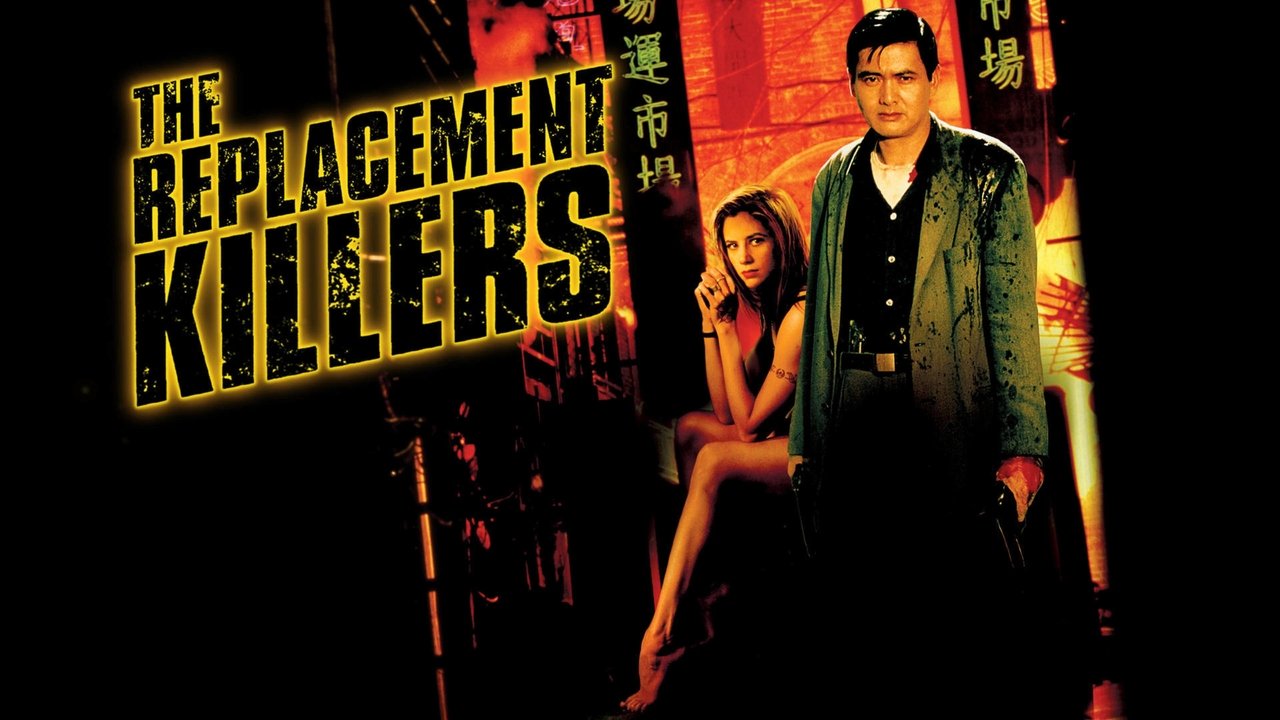
Gun-Fu Before It Was Even Called That
The action in The Replacement Killers feels wonderfully physical in a way that much modern action, reliant on CGI, often doesn’t. Remember how tangible those bullet hits felt? The squibs erupting in bursts of red, the way glass didn't just digitally shatter but exploded into dangerous-looking shards? That’s the magic of late-90s practical effects. Chow, effortlessly cool even amidst chaos, moves with a dancer's grace, guns blazing. There’s a car wash sequence that is pure, kinetic mayhem – water spraying, sparks flying, automatic weapons chewing up the scenery. It feels dangerous because, well, it was more dangerous. A lot of credit goes to Chow himself, who, true to his Hong Kong roots, performed many of his own demanding stunts, adding an extra layer of authenticity to Lee's lethal elegance.
The supporting cast adds texture, too. Michael Rooker (Henry: Portrait of a Serial Killer (1986), Guardians of the Galaxy (2014)) brings his reliable intensity as the investigating cop, Stan 'Zeedo' Zedkov. And let's not forget the titular "replacement killers," played with cold efficiency by Til Schweiger and Danny Trejo – always a welcome presence in this kind of gritty actioner. They’re walking embodiments of the film's stylish threat. A neat retro fun fact: the film's sleek look was partially achieved by shooting in often overlooked, gritty parts of Downtown Los Angeles, giving it a distinct visual identity beyond generic studio backlots.
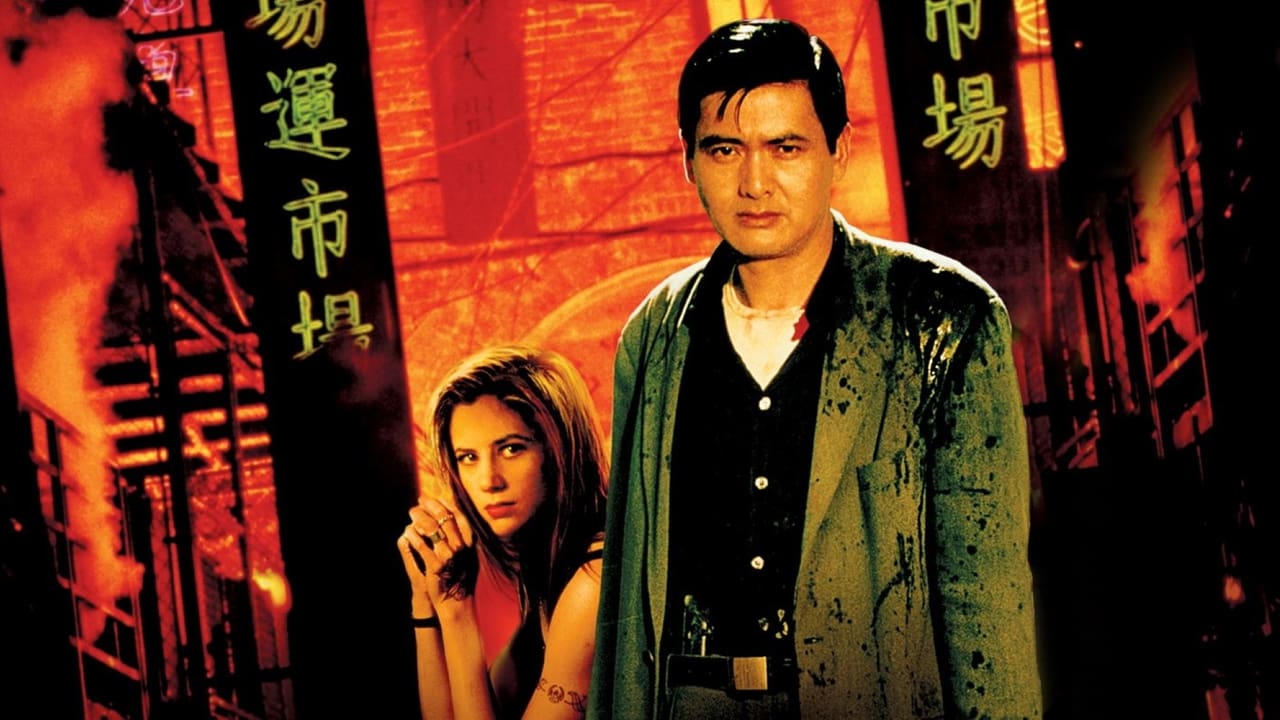
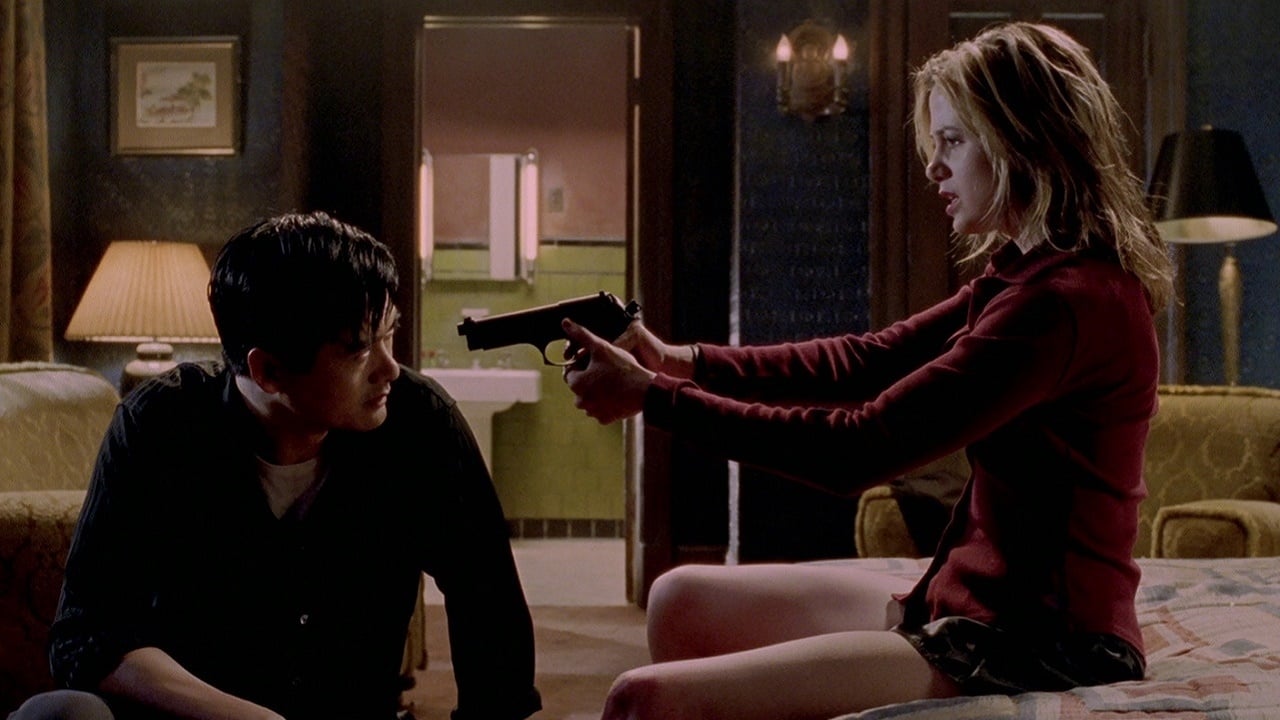
A Symphony of Squibs and Style
The score by Harry Gregson-Williams (who became a major action composer) perfectly complements the visuals, pulsing with electronic beats and dramatic swells that heighten the operatic violence. It all contributes to the film's overall mood – cool, detached, yet undeniably thrilling.
When The Replacement Killers landed in '98, critical reception was mixed. Many praised the visual flair and Chow's magnetic presence but found the characters underdeveloped and the plot thin. It didn't quite make Chow the massive American star many hoped (that would arguably come later with Crouching Tiger, Hidden Dragon (2000)), and its box office ($19.2 million domestic against a $30 million budget) was modest. But for action aficionados, especially those hunting for that specific blend of Hong Kong style and Hollywood production value on VHS, it was a treasure. I distinctly remember renting this one Friday night, the flickering CRT screen barely containing the stylized chaos, and just being blown away by the sheer look of it all.

VHS Heaven Rating: 7.5/10
Justification: The Replacement Killers earns a solid 7.5 for being a visually stunning showcase for Chow Yun-fat's American debut and a prime example of late-90s action filmmaking heavily indebted to Hong Kong masters. While the plot is wafer-thin and characters could be deeper, the expertly choreographed practical action, Antoine Fuqua's confident (if derivative) direction, and Chow's undeniable charisma make it incredibly rewatchable. It’s a film that prioritizes style and kinetic energy above all else, and largely succeeds on those terms.
Final Thought: It might lack the emotional depth of John Woo's best work, but The Replacement Killers is a slick, explosive time capsule – a reminder of when Hollywood briefly embraced the balletic bullet ballet, and seeing Chow Yun-fat dual-wielding pistols felt like the coolest thing on the planet. Definitely worth rewinding.