Okay, fellow tapeheads, let’s rewind the clock slightly past our usual zone, right to the edge of the millennium – the year 2000. Hong Kong action cinema was shifting, the golden age felt like it was maybe dimming, and then Tsui Hark, the mad genius behind classics like Zu Warriors from the Magic Mountain (1983) and the Once Upon a Time in China series, came roaring back from a Hollywood detour with Time and Tide. Forget easing back in; Hark dropped this Molotov cocktail of pure, unadulterated kinetic energy onto screens, and honestly, watching it again feels like mainlining espresso while dodging stray bullets. If you stumbled across this on a late-night channel or maybe a slightly dusty DVD shelf back in the day, you know the feeling – pure, glorious sensory overload.
### Hong Kong Hustle, Maximum Velocity
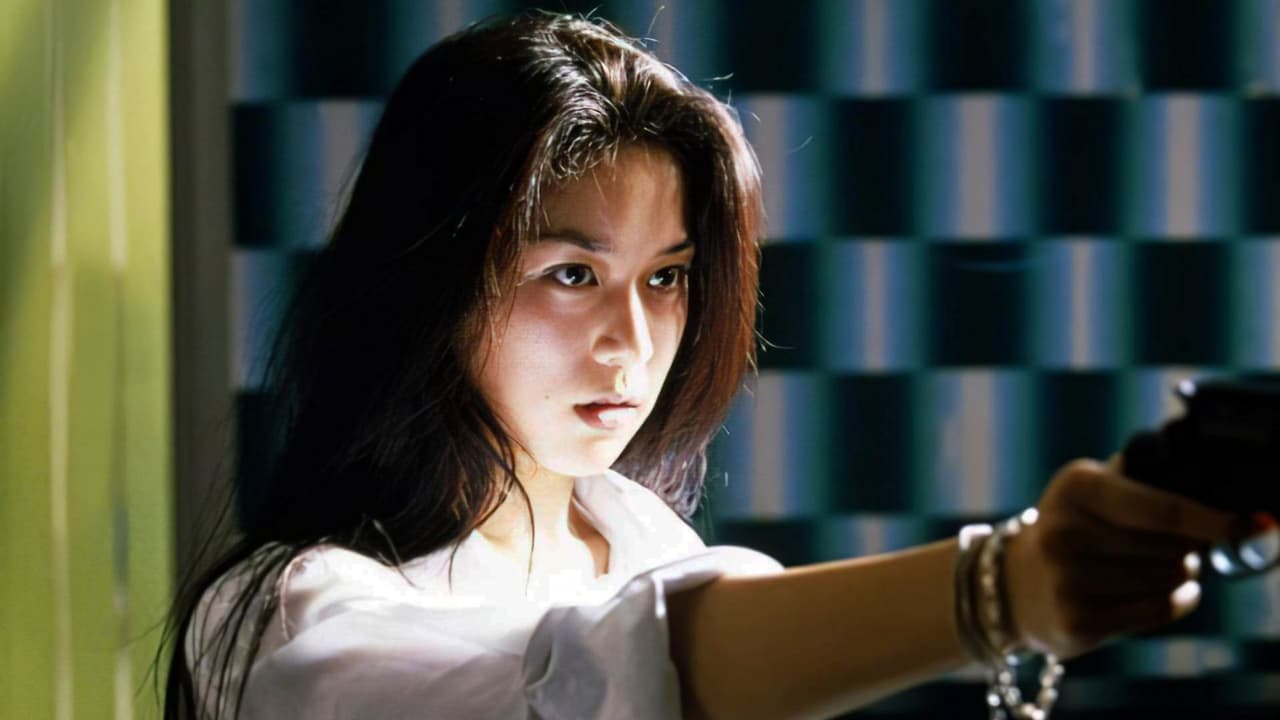
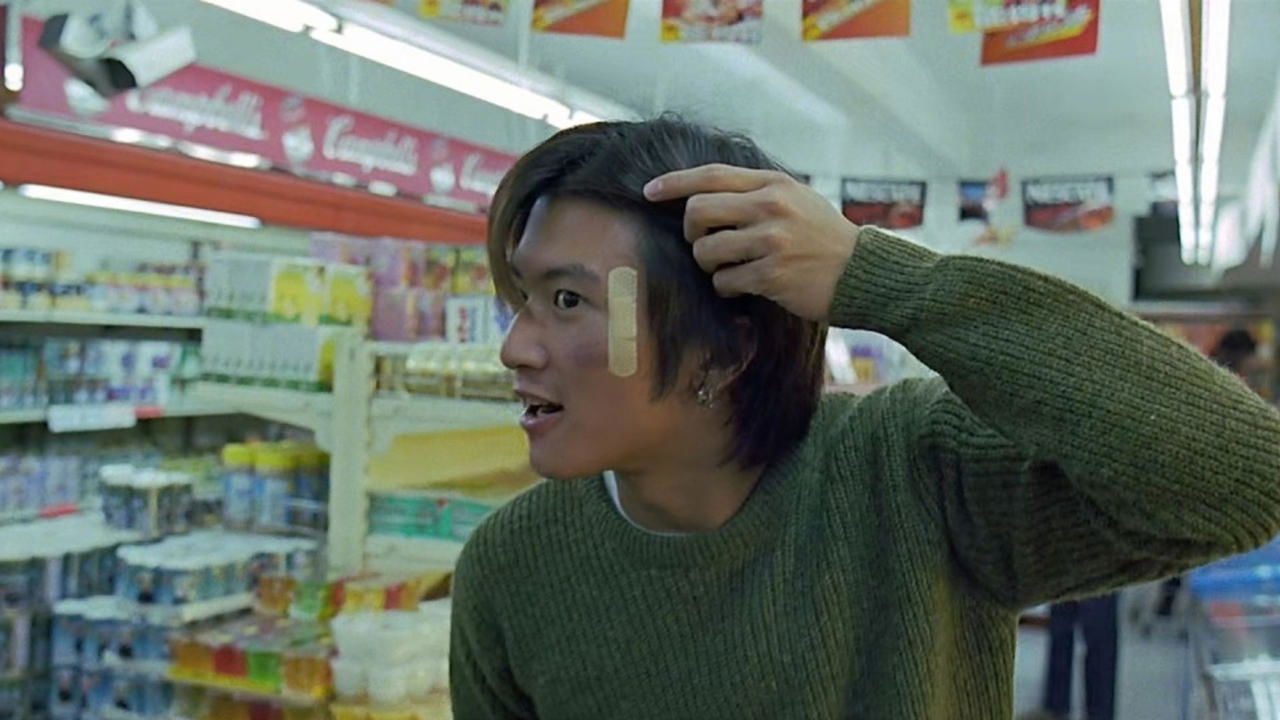
The plot? Okay, deep breath. It’s… a lot. Nicholas Tse, then a Cantopop heartthrob stepping confidently into action hero boots, plays Tyler, a restless young bartender who gets tangled up in a whirlwind of trouble after a one-night stand leaves him needing cash fast. He joins an unlicensed bodyguard outfit, crossing paths with the impossibly cool Jack (Wu Bai, the Taiwanese rock god bringing effortless charisma), a disillusioned mercenary trying to start a new life with his wife. Add a pregnant lesbian cop (Candy Lo), a ruthless squad of South American mercenaries known as the 'Angels', double-crosses, hidden agendas, and a truly chaotic Hong Kong cityscape, and you've got a narrative that sometimes feels like it’s moving too fast to keep track of. But honestly? The plot's almost secondary to the sheer experience. It’s the chaos that fuels the film's breakneck momentum.
### Tsui Hark Lets Loose

This felt like Tsui Hark uncorked. After his somewhat restrictive Hollywood ventures like Double Team (1997) and Knock Off (1998) with Jean-Claude Van Damme, Time and Tide explodes with the kind of visual invention and unrestrained energy that defined his best Hong Kong work. The camera rarely sits still – it whips, it dives, it cranes, it attaches itself to falling objects, sometimes feeling thrillingly handheld, plunging you right into the middle of the mayhem. Hark reportedly wanted to capture the feeling of Hong Kong's verticality and density, and boy, does he succeed. The editing is just as frantic, cutting rapidly to heighten the disorientation and impact. It's a style that demands your full attention, overwhelming the senses in a way few films dared to then, or even now.
### Gravity is Merely a Suggestion: The Action
Let's talk about the real reason we’re here: the action. Oh lord, the action. This is where Time and Tide truly transcends. Remember the raw, tangible danger of practical stunts before CGI smoothed everything over? This film is a masterclass. We're talking about insane rappelling sequences down the sides of massive apartment complexes, performers genuinely dangling hundreds of feet up. One rumour suggests Hark pushed his stunt teams to the absolute limit, demanding increasingly complex rigging and choreography that captured the dizzying heights and claustrophobic reality of urban warfare.


The centrepiece apartment building shootout is an all-timer. It’s a symphony of destruction, expertly choreographed chaos unfolding across multiple levels, through windows, down stairwells. The geography is sometimes confusing, but the feeling is undeniable – frantic, desperate, and incredibly impactful. Bullets shred concrete, glass explodes, and bodies hit the ground with convincing weight. Forget clean, elegant gun-fu; this is messy, brutal, and feels dangerously real. And who can forget the sequence involving a baby's delivery during a gunfight? Only in Hong Kong cinema, folks. Compared to the often weightless, digitally augmented action of today, the sheer physical commitment on display here feels incredibly refreshing, almost primal. Wasn't there something thrilling about knowing those were real people doing those terrifying drops?
### The Cool and the Kinetic
Nicholas Tse proves surprisingly adept as the young, slightly reckless protagonist Tyler. He brings a nervous energy that fits the character, convincingly growing from aimless bartender to resourceful survivor. But it's Wu Bai as Jack who often steals the show. With his stoic presence and world-weary eyes, he embodies a quiet cool that perfectly counterbalances Tse's youthful exuberance. Their dynamic anchors the film amidst the narrative whirlwinds. Candy Lo also deserves credit as Ah Hui, bringing toughness and vulnerability to a complex role.
The film wasn't a massive box office smash upon release and reviews were mixed – some critics found the plot convoluted and the style overwhelming. However, action aficionados recognized its brilliance almost immediately. Reportedly costing around HK$30 million, a hefty sum for HK cinema at the time, it was a bold gamble that paid off artistically, if not entirely commercially. It’s since cemented its reputation as a cult classic, a dazzling, hyperactive example of Hong Kong action pushing its own boundaries right at the turn of the century.
***
VHS Heaven Rating: 9/10
Justification: Time and Tide earns this high score for its sheer audacity and technical brilliance in the action department. Tsui Hark delivers some of the most inventive, gravity-defying, and kinetic practical stunt work of the era, creating sequences that remain breathtaking. While the plot can be undeniably messy and occasionally confusing, the relentless visual energy, charismatic performances from Nicholas Tse and Wu Bai, and the overall sensory experience make it a must-see for any serious action fan. It loses a point for narrative coherence, but gains it all back in pure adrenaline.
Final Thought: This is Hong Kong action cranked to eleven, a dizzying, dangerous ballet of bullets and bodies that feels like it could fly off the rails at any second – pure, uncut turn-of-the-millennium cinematic chaos, and utterly glorious for it.