It often feels like certain films arrive precisely when you need them, shimmering onto the screen like a half-remembered dream. Hayao Miyazaki’s Kiki's Delivery Service (1989) is one such treasure. For many of us discovering the wonders of Studio Ghibli perhaps a little later via well-loved VHS tapes, this wasn't just animation; it was a gentle hand reaching out, offering a story brimming with warmth, quiet courage, and the kind of magic woven seamlessly into the fabric of everyday life. It didn’t roar like a blockbuster; it soared with the quiet confidence of its young heroine taking flight under a moonlit sky.

### A Leap of Faith into a Sun-Drenched World
The premise is deceptively simple: Kiki, a thirteen-year-old witch, must follow tradition and leave home for a year to train in a new town. Accompanied by her pragmatic (and quite chatty) black cat, Jiji, she finds her way to the beautiful, bustling coastal city of Koriko. It’s a place that feels instantly familiar yet wonderfully unique – a sun-drenched blend of European influences, part Stockholm, part Visby, rendered with the breathtaking detail that would become a Ghibli hallmark. Here, Kiki decides to use her only real magical skill – flying – to start an airborne delivery service. What follows isn't a grand battle against evil, but a deeply relatable story about finding your footing, battling self-doubt, and the bittersweet journey of growing up.
### More Than Just Magic
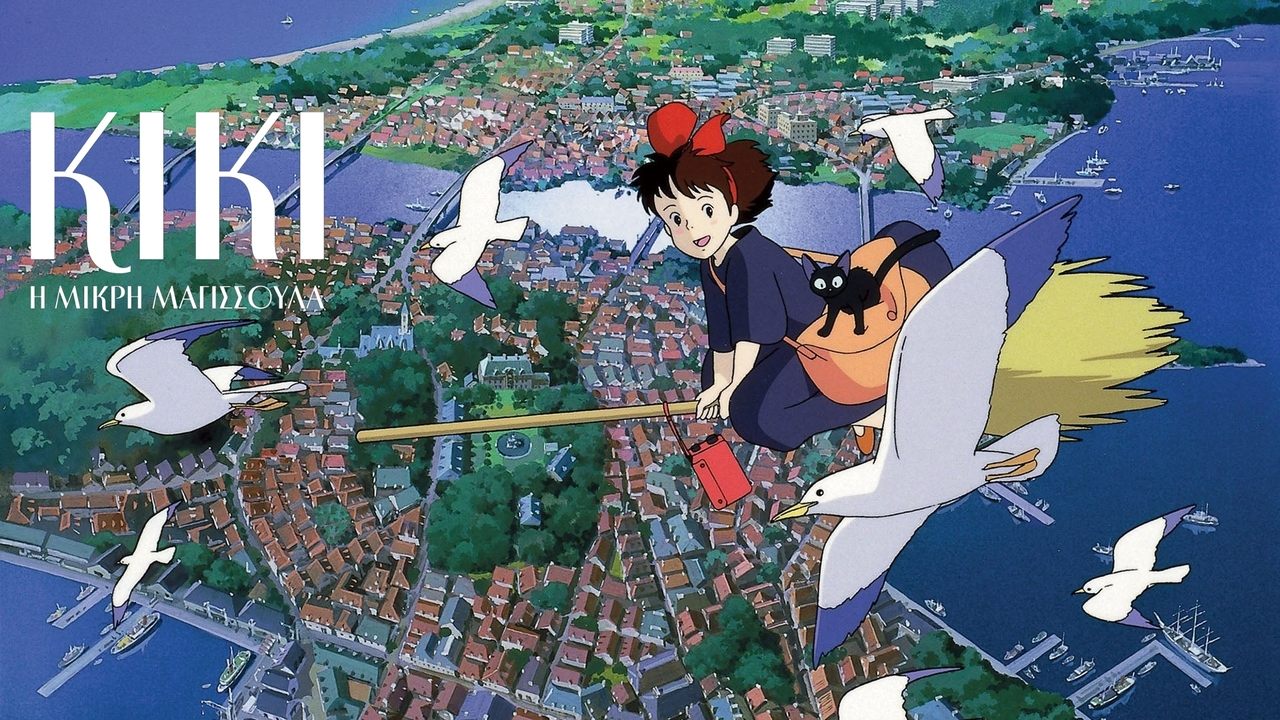
What makes Kiki’s Delivery Service resonate so profoundly, even decades later, is its understanding of the small victories and daunting anxieties of adolescence and early independence. Kiki’s struggles aren’t about spells gone wrong, but about managing money, finding acceptance, dealing with loneliness, and, crucially, confronting creative burnout. When Kiki temporarily loses her ability to fly and communicate with Jiji, it’s a powerful metaphor for those moments when our passion wanes, when the thing that defines us suddenly feels distant. Hayao Miyazaki, who initially only planned to produce but thankfully stepped in to write and direct, elevates Eiko Kadono’s charming children's novel into something more complex, exploring themes of artistic identity and resilience with incredible sensitivity.
The voice cast brings these characters to life with such heart. Minami Takayama captures Kiki’s youthful exuberance and vulnerability perfectly, while Rei Sakuma gives Jiji a delightful blend of caution and wry commentary. And who could forget Kappei Yamaguchi as Tombo, the aviation-obsessed boy whose infectious enthusiasm provides a welcome counterpoint to Kiki's occasional anxieties?
### Ghibli's Handcrafted Charm Takes Flight
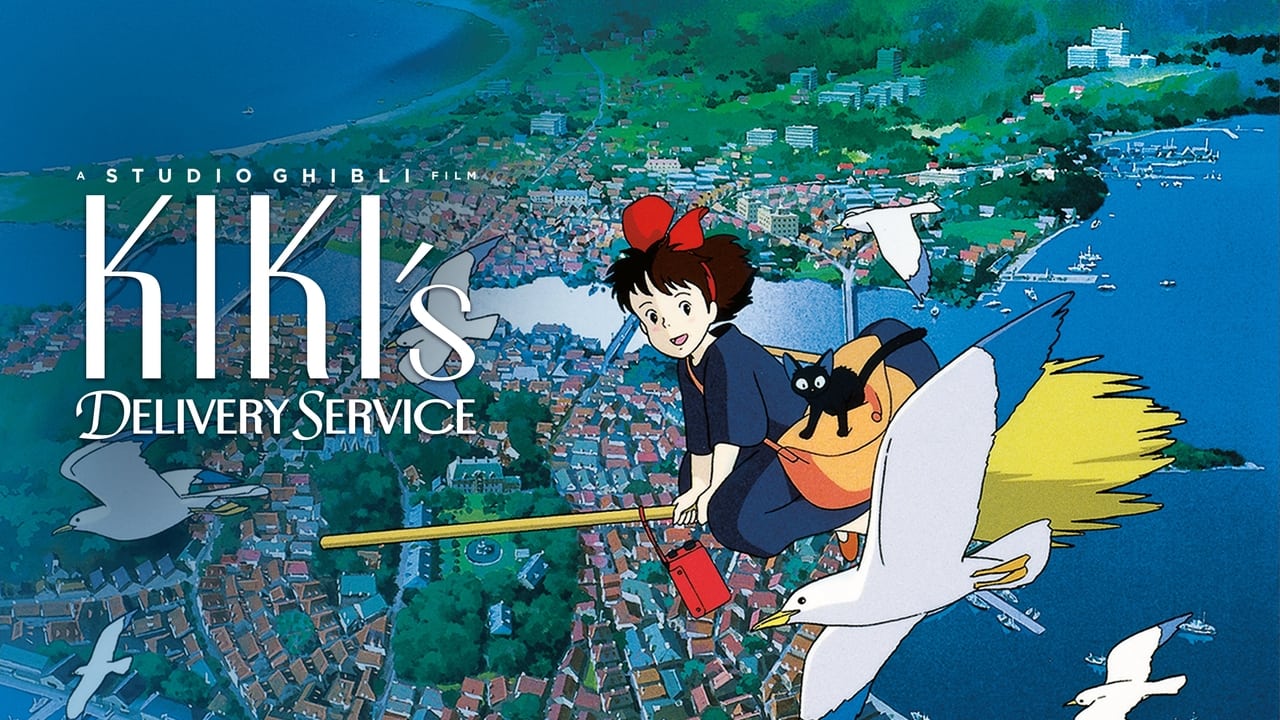
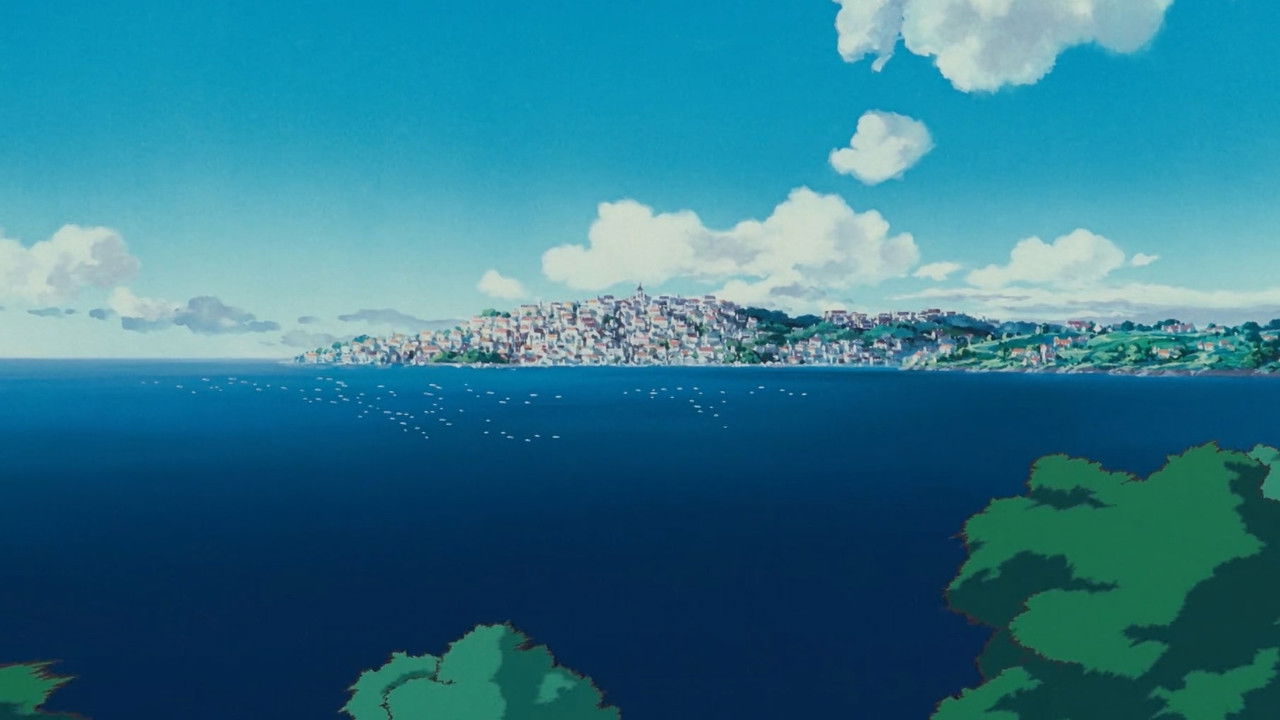
Visually, Kiki’s Delivery Service is a feast. Released in 1989, it stands as a testament to the power of traditional hand-drawn animation. The fluidity of Kiki’s flight, the loving detail in the backgrounds – from the flour-dusted bakery where she finds work and lodging, to the intricate clock tower that becomes central later – it’s all rendered with palpable care. This artistry, backed by Joe Hisaishi’s uplifting and evocative score, creates an atmosphere that is both comforting and inspiring. It's no wonder the film was a phenomenon in Japan, becoming the highest-grossing domestic film of 1989, earning approximately ¥4.3 billion (around $30 million USD at the time) from its modest ¥800 million budget (roughly $6.5 million USD). It truly captured the nation's heart.
### Retro Fun Facts: Delivering the Goods
Digging into the history of Kiki reveals some charming details perfect for us VHS Heaven dwellers. Miyazaki’s decision to direct came relatively late, after initial scripts didn't quite capture the spirit he envisioned. His expansion of Kiki's internal struggles added layers that weren't as prominent in the original book. For many Western fans, our first encounter might have been the 1998 Disney English dub. While featuring a wonderful performance by the late, great Phil Hartman as Jiji, it famously added more dialogue and altered Hisaishi's score slightly – a common practice at the time, aiming to make foreign animation more accessible, but something later Ghibli releases would carefully avoid. Seeing the different versions now just adds another layer to the film's journey across cultures. Remember arguing with friends about which Jiji voice was 'better'? Those were the days!
The design of Koriko itself is fascinating – Miyazaki and his team specifically travelled to Sweden to soak up the atmosphere, blending elements of Stockholm and Visby to create a city that feels both real and magically idealized. It's a perfect backdrop for Kiki's journey, a place brimming with potential and the promise of finding one's own unique niche.
### Why Kiki Still Soars
Kiki's Delivery Service endures because its message is timeless. It celebrates independence but acknowledges its difficulties. It champions finding your passion but understands that inspiration sometimes fades and needs nurturing. It’s a film about kindness, community, and the courage it takes just to keep trying, even when you feel unsure. In a world that often feels overwhelming, Kiki’s journey is a gentle reminder that everyone stumbles, everyone doubts, but finding good people and believing in yourself can help you find your wings again. It doesn't offer easy answers, but provides warmth and encouragement in abundance.

Rating: 9.5/10
This near-perfect score reflects the film's stunning animation, heartfelt story, memorable characters, and enduring emotional resonance. Miyazaki crafts a world you want to inhabit, telling a coming-of-age story with rare grace and understanding. Minor quibbles about dub variations aside, the core film is a masterpiece of gentle storytelling.
Kiki’s Delivery Service remains a radiant gem in the Ghibli crown, a film that feels like catching up with an old, dear friend – forever encouraging, forever magical, forever reminding us to look up and find the wonder in the world, even if it's just delivering a pie by broomstick.