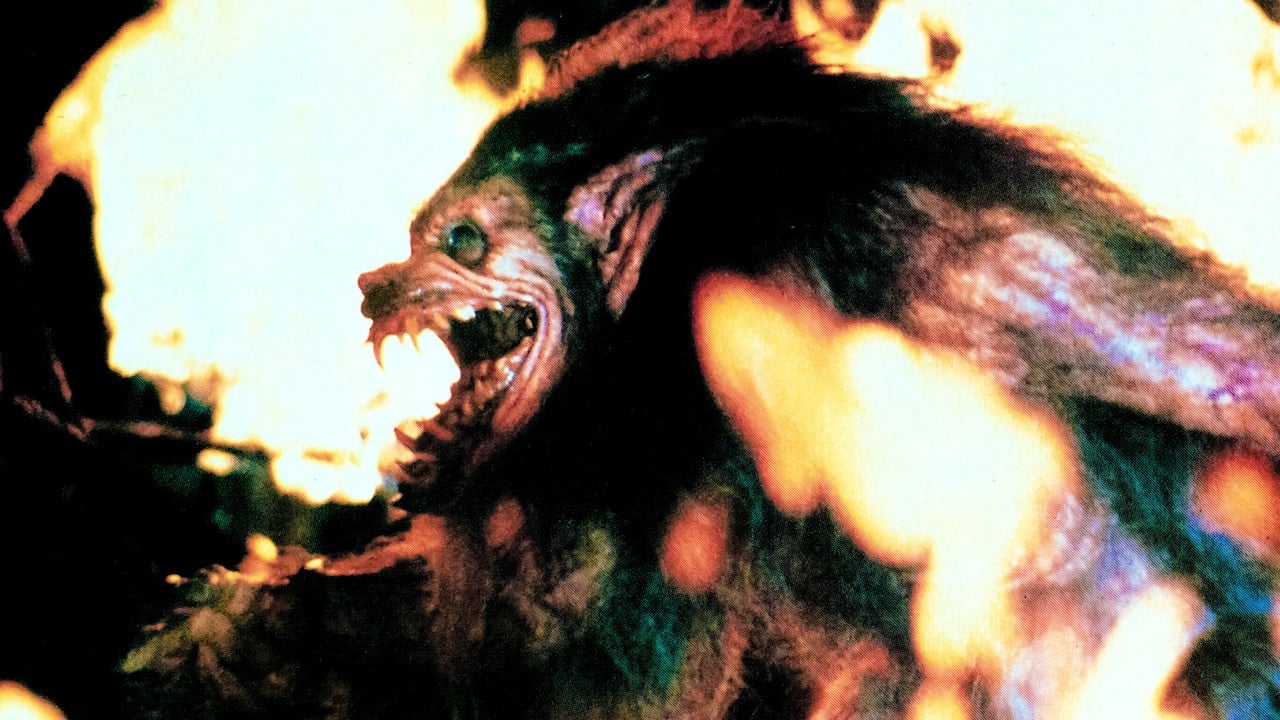
The static hiss of the VCR engaging, the clunk of the tape sliding home… sometimes the ritual itself was prelude to the unease. And then there are films like Howling IV: The Original Nightmare (1988), a title that immediately felt like a strange promise whispered from the back shelves of the video store. Fourth in a series, yet claiming originality? It beckoned with the allure of forgotten lore, a different kind of darkness than its famous progenitor. This wasn't Joe Dante's slick, darkly comedic, and groundbreaking The Howling (1981). This felt… rougher. More primal. Like finding a dog-eared paperback filled with genuinely unsettling woodcuts.
Return to the Source
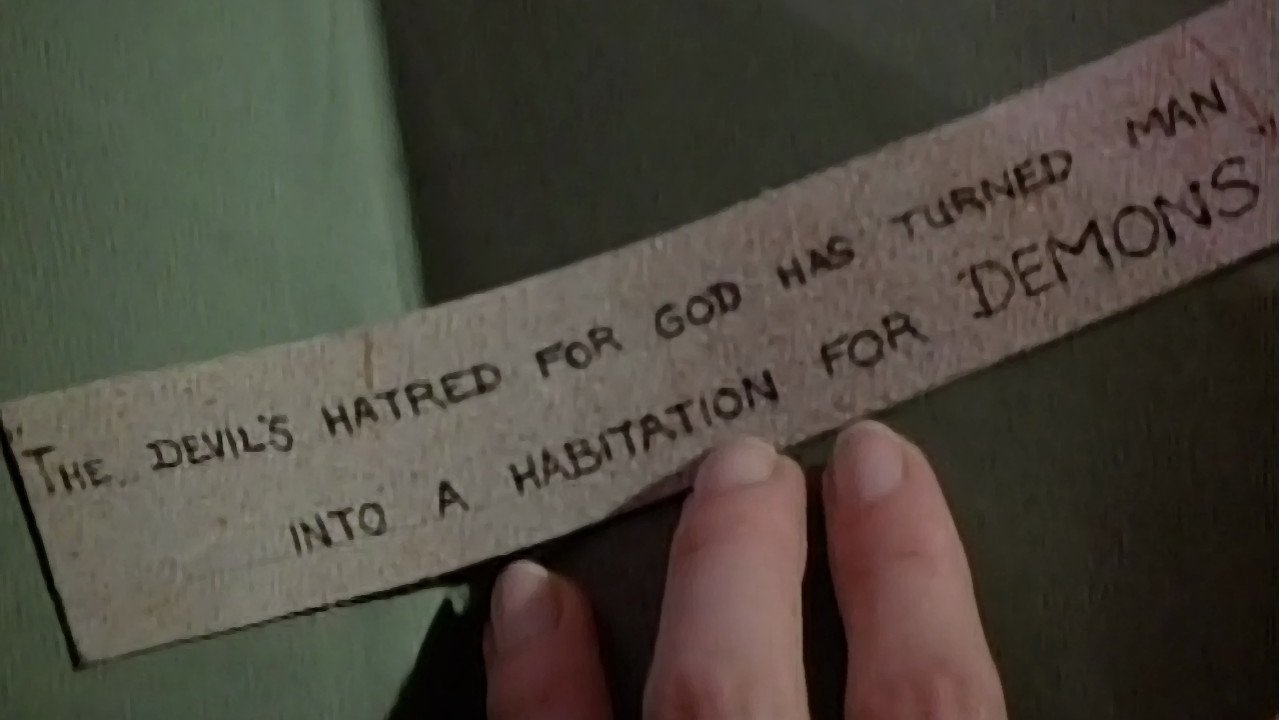
The strangeness of the title, The Original Nightmare, actually holds the key. Unlike the increasingly bizarre sequels that followed Dante's original (Howling II: Your Sister Is a Werewolf (1985) anyone?), Howling IV was a deliberate attempt to circle back. Penned by Clive Turner (who'd stick with the franchise through parts V and VI) and Freddie Rowe, it aimed to be a more faithful adaptation of Gary Brandner's bleak 1977 source novel, The Howling – the very book Dante had used as a launchpad for his own, very different, vision. Helming this return was John Hough, a director who certainly knew his way around atmosphere, having previously chilled audiences with the genuinely spooky The Legend of Hell House (1973). The intent here felt less about startling transformations (though we'll get to those) and more about creeping dread and the oppressive weight of a hidden community.
Cabin Fever Dreams

The setup is familiar horror territory: successful author Marie (Romy Windsor) suffers a nervous breakdown, plagued by disturbing visions. Seeking solace, she and her husband Richard (Michael T. Weiss, later of Pretender fame) retreat to the remote, eerily quiet town of Drago. Quiet, that is, except for the distant howling and the unsettlingly vacant stares of the locals. Windsor carries the film, effectively portraying Marie’s fraying sanity and growing terror as strange occurrences pile up – odd neighbours, a mysterious nun, glimpses of something monstrous in the woods. The film leans heavily into the isolation, the sense that Drago isn't just a place, but a trap slowly closing around her. Remember that feeling, watching late at night, when the silence outside your own window starts to feel complicit with the silence on screen? Howling IV taps into that specific unease.
The atmosphere is thick, helped by filming locations in South Africa standing in for rural California, lending an uncanny, slightly "off" quality to the scenery. Hough uses the isolation well, creating a sense of vulnerability. The slow burn, however, is undeniable. This isn't a monster mash; it's a deliberate descent into paranoia, punctuated by moments of startling weirdness. You might find yourself checking the tracking on your imaginary VHS player, wondering if the fuzz is part of the experience.
Creature Features on a Budget
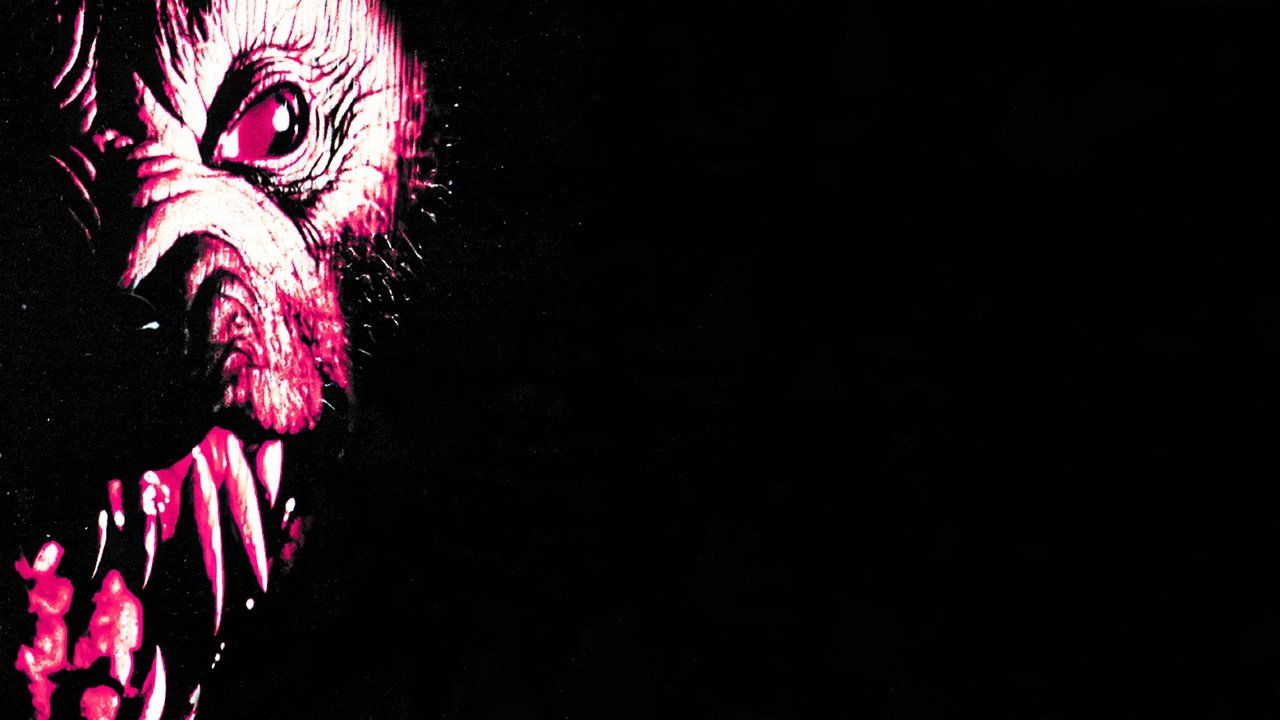
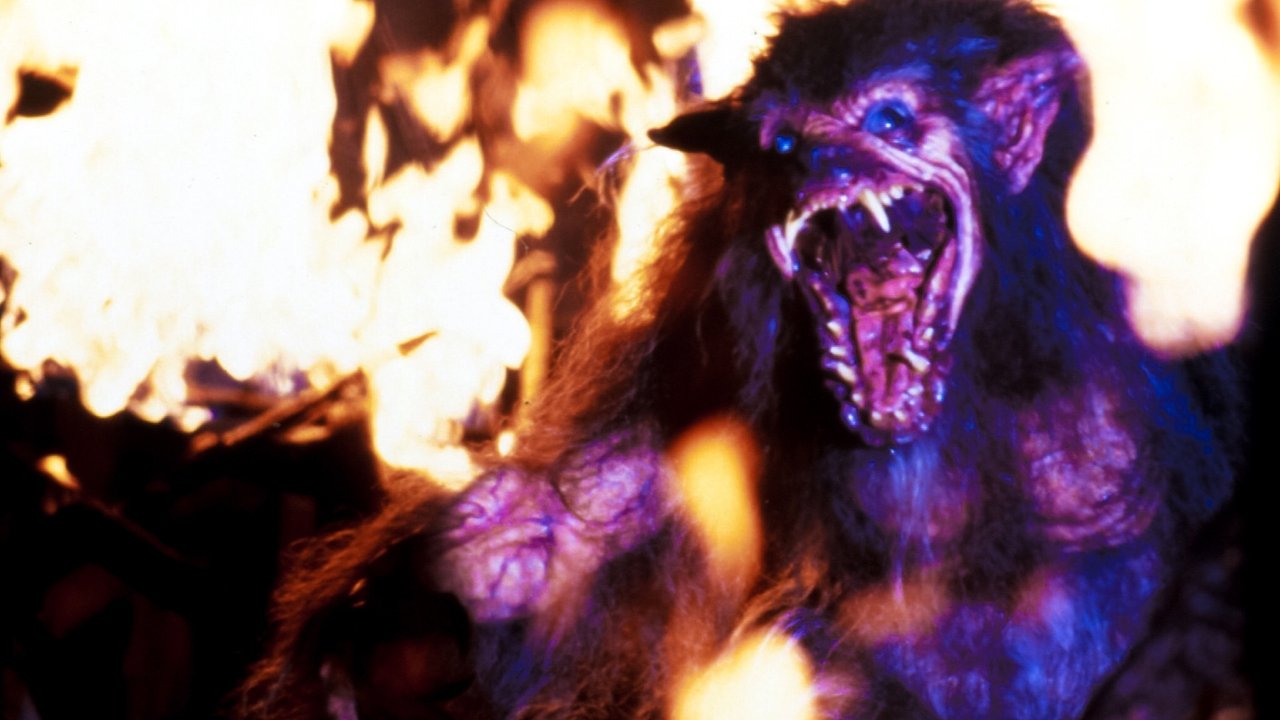
Now, about those werewolves. Made directly for video, Howling IV operated under significant budgetary constraints compared to the original's groundbreaking effects by Rob Bottin and Rick Baker. Yet, the practical transformation sequences, orchestrated by Steve Johnson (whose varied credits include Ghostbusters (1984) and Species (1995)) possess a uniquely grotesque charm. They're gooey, painful-looking, and protracted. One particular transformation involving melting flesh and splitting skin, while perhaps lacking the polished anatomical horror of Bottin's work, achieves a raw, Cronenbergian body-horror vibe that feels deeply unpleasant in its own right. There's a legend that the effects team struggled mightily with the mechanisms under the tight schedule and budget, leading to some… interesting results on screen. Doesn’t that almost make the disturbing, slightly jerky quality of the transformations feel more unnervingly real in a low-fi way?
The late Antony Hamilton appears as a charismatic local artist, adding a touch of doomed romanticism; his real-life tragic death from AIDS-related illness just a few years later in 1995 lends his scenes an unintended melancholy weight upon rewatching. The acting across the board is earnest, fitting the slightly melancholic, fatalistic tone of the piece.
A Flawed but Fascinating Howl
Let's be honest, Howling IV isn't perfect. The pacing can feel glacial, especially if you’re expecting the more kinetic energy of the original. Some dialogue clunks, and the low budget shows its seams in places beyond the effects. It often feels more like a grim, supernatural mystery than an outright creature feature for much of its runtime. I distinctly remember renting this tape back in the day, possibly from a dusty corner of the horror section, intrigued by the title and expecting… well, something else. What I got was slower, stranger, and oddly more haunting than anticipated.
Yet, its commitment to a mood, its attempt to honour the darker spirit of Brandner's novel (which was less Hollywood monster movie, more folk horror nightmare), and those memorably grotesque effects sequences elevate it considerably above most of the other Howling sequels. It stands as a curious artefact of the DTV horror boom – flawed, yes, but possessing a distinct, downbeat personality. It tried to be about something more than just werewolves, touching on themes of sanity, hidden histories, and inescapable fate.
Rating: 6/10
Justification: While hampered by its budget, slow pacing, and occasional awkwardness, Howling IV earns points for its palpable atmosphere of dread, its commendable (if not entirely successful) practical effects, and its interesting attempt to provide a more faithful, somber adaptation of the original novel. It’s significantly better crafted and more tonally consistent than most of its direct-to-video brethren in the franchise. Romy Windsor's committed performance and John Hough's atmospheric direction make it a worthwhile watch for dedicated fans of 80s horror curiosities.
Final Thought: Howling IV: The Original Nightmare might not be the sequel you expected, but perhaps it's the unsettling, low-key nightmare the original book always intended. A flawed gem dug up from the VHS crypt, best watched late at night when the shadows seem a little deeper.