Okay, rewind your minds with me for a second. Picture this: it's late, the only light is the flickering glow from the trusty CRT television, and you’ve just slid that chunky black Die Hard cassette into the VCR. The slight buzz, the tracking adjustment... and then, BAM. Nakatomi Plaza explodes onto the screen, not just with gunfire, but with a kind of raw, tangible energy that defined action cinema for a generation. Forget sleek digital perfection; this was action you could feel, served up with a side of pure, unadulterated 80s cool.
### Welcome to the Party, Pal!
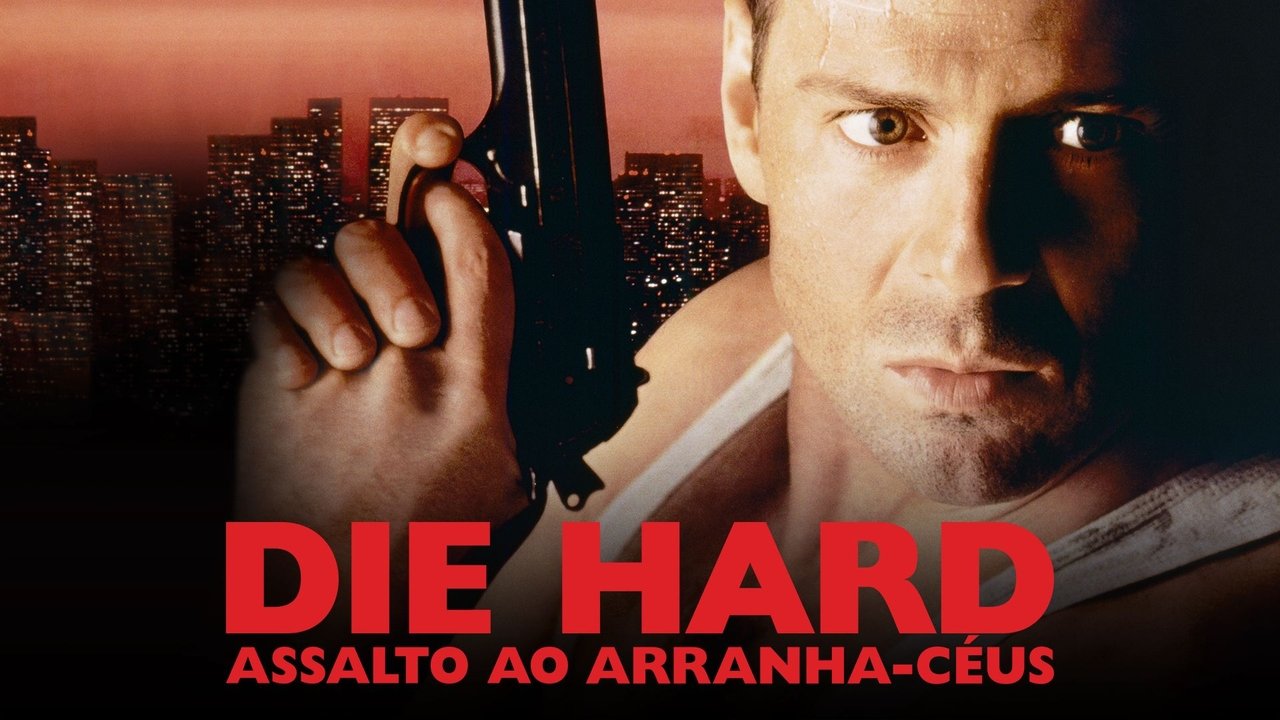
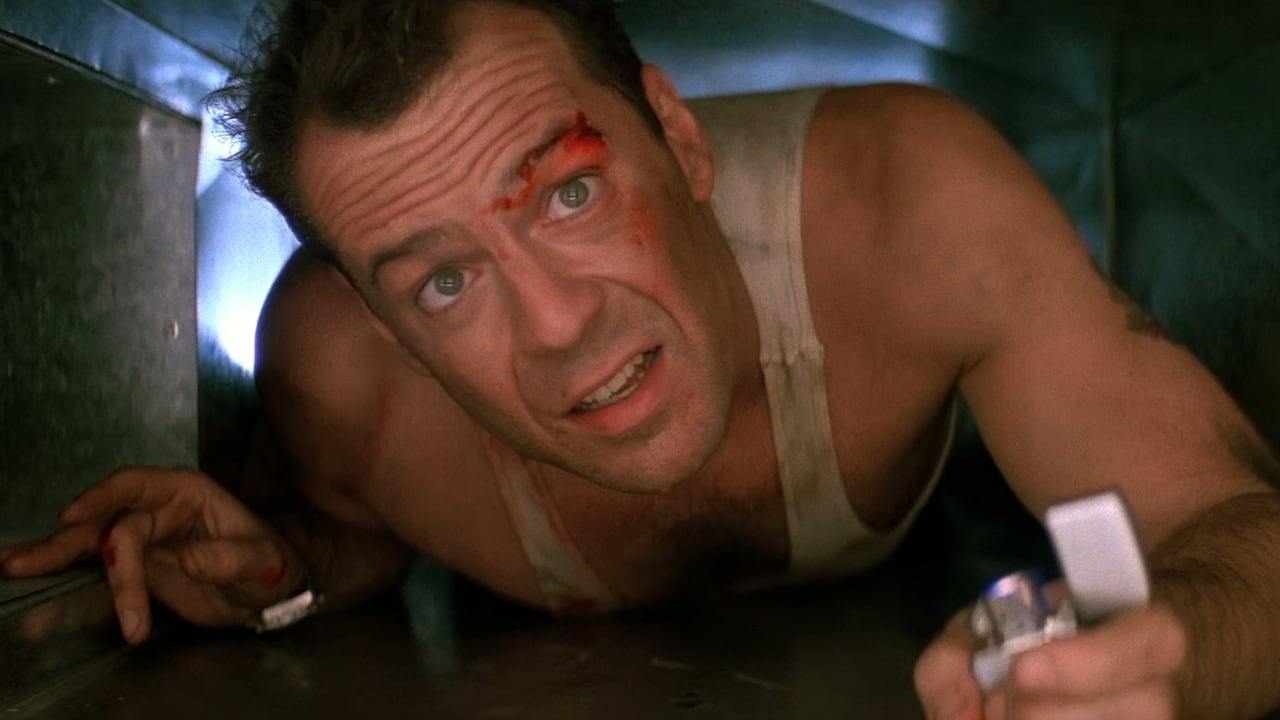
Let’s be honest, back in ‘88, who saw Bruce Willis coming? The charming smirk from TV’s Moonlighting wasn't exactly the blueprint for an action titan, especially when names like Stallone and Schwarzenegger were dominating the box office. It's actually a fascinating bit of trivia that the role of John McClane was reportedly turned down by a whole host of established action stars, and even Frank Sinatra (yes, that Frank Sinatra!) was technically offered the part first due to a contractual obligation stemming from the film's source material, Roderick Thorp's novel Nothing Lasts Forever (a sequel to The Detective, which Sinatra starred in). But Willis’s casting proved to be lightning in a bottle. His McClane wasn't a superhuman killing machine; he was a New York cop, barefoot, bleeding, and seriously out of his depth, trying to save his estranged wife (Bonnie Bedelia, doing great work as the capable Holly Gennero McClane) and survive a Christmas Eve gone terribly wrong. That vulnerability, that sheer relatability, was revolutionary. We weren't just watching McClane; we were McClane, wincing with every shard of glass, muttering every sarcastic quip under our breath.
### Gruber Than Fiction
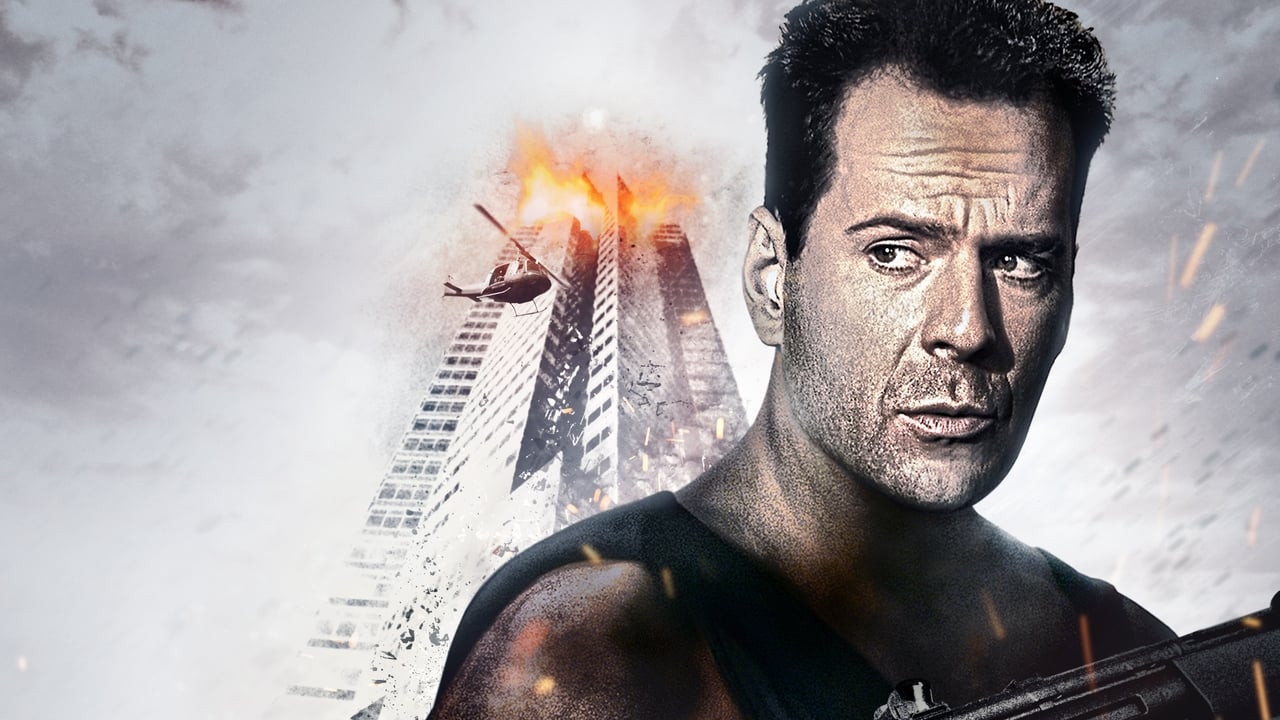
Of course, a hero is only as good as his villain, and Die Hard gave us one for the ages. Enter Alan Rickman in his feature film debut as Hans Gruber. Suave, intelligent, and utterly ruthless, Gruber wasn’t just some ranting megalomaniac. He was a meticulously planning thief disguised as a terrorist, commanding his Euro-trash gang with chilling calm. Rickman brought a theatrical precision and icy charisma to the role that instantly made Gruber iconic. Remember his calm façade cracking just slightly when McClane becomes more than just a fly in the ointment? Pure cinematic gold. And who can forget that legendary "surprise" look on Rickman's face during Gruber's final fall? Director John McTiernan reportedly dropped him slightly earlier than expected on the count of three to capture genuine shock – a risky move that paid off brilliantly on screen. Shot primarily within the confines of the Fox Plaza skyscraper in Los Angeles (forever Nakatomi Plaza in our hearts), the setting itself becomes a character, a vertical battleground filled with vents, elevator shafts, and endless panes of shatter-prone glass.
### The Symphony of Shattered Glass
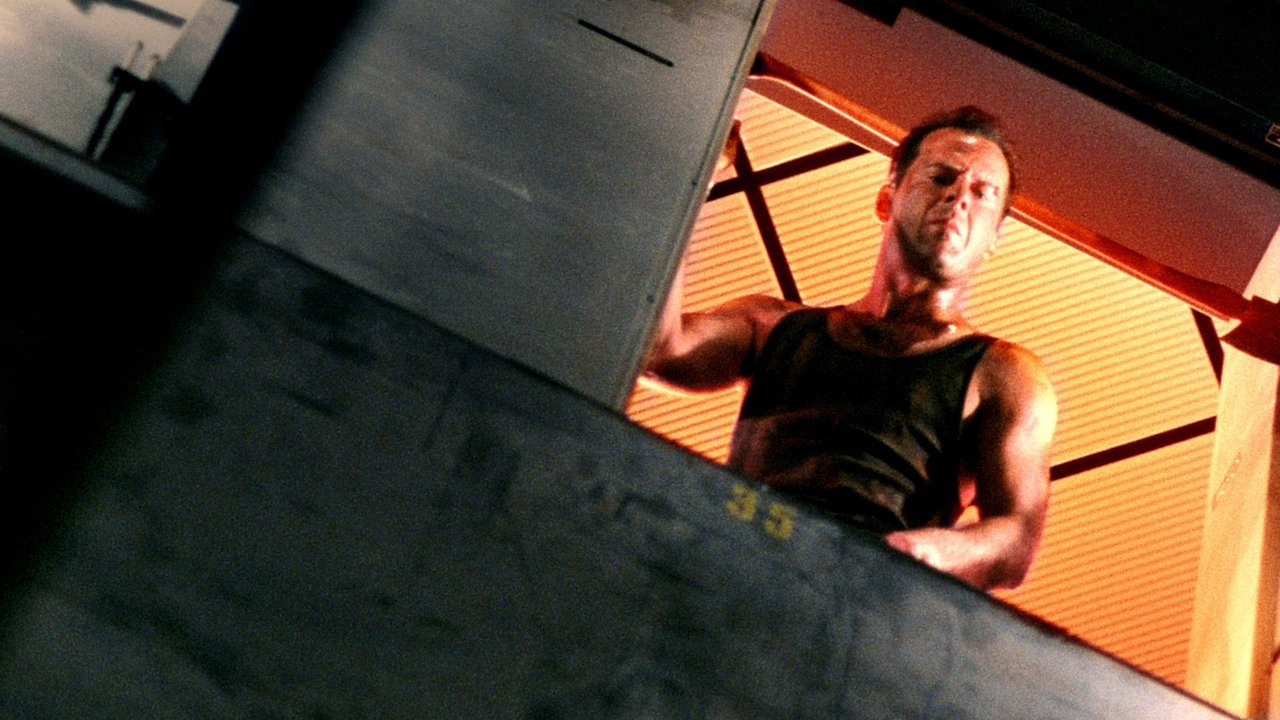
Speaking of shattering glass, let's talk action. John McTiernan, fresh off delivering another slice of macho brilliance with Predator (1987), orchestrated the chaos in Die Hard with masterful intensity. This wasn't the overly stylized, quick-cut action we often see today. This was grounded, gritty, and felt incredibly real. The practical effects were king here. Those explosions? Real fireballs, often closer to the stunt performers than modern safety standards might comfortably allow. The bullet hits? Squibs packed with visceral impact. Remember that scene where McClane jumps off the roof with the firehose? That was a real stunt, a terrifying leap against a green screen (a relatively early use for such a complex sequence), enhanced with miniature work and pyrotechnics. It felt dangerous because, frankly, it was. McTiernan's use of handheld cameras during intense moments threw us right into the fray, making McClane's desperate struggle feel immediate and personal. Compare that raw, physical impact to the smoother, often weightless feel of CGI-heavy sequences today – there's a tangible difference, a sense of genuine peril that defined 80s action at its peak. And let’s not forget Michael Kamen's brilliant score, weaving Beethoven's "Ode to Joy" through the mayhem, adding a layer of ironic grandeur to Gruber's meticulous plan unraveling.
### More Than Just Explosions
Despite a decent initial box office ($28 million budget yielding around $140 million worldwide – a solid hit), Die Hard wasn't universally hailed as a masterpiece right away. Some critics found it overly violent, but audiences knew better. We recognized the sharp script (by Jeb Stuart and Steven E. de Souza), the perfect blend of tension, action, and humor ("Now I have a machine gun. Ho-Ho-Ho."). It wasn't just about the bangs; it was about the character, the clever cat-and-mouse game between McClane and Gruber, and the surprisingly effective emotional anchor provided by McClane's connection with Sergeant Al Powell (Reginald VelJohnson) on the outside. Their radio conversations provided moments of warmth and humanity amidst the chaos, grounding the extraordinary events.
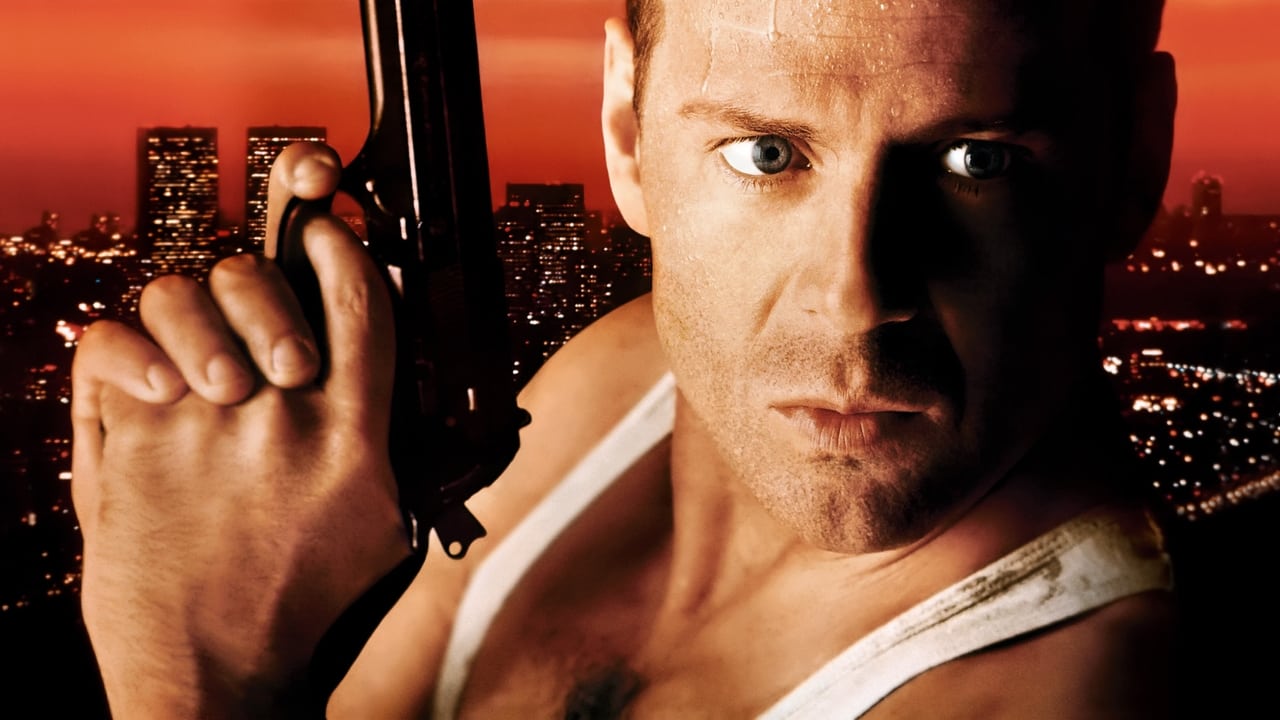
The film's influence is undeniable. It didn't just launch Willis into the action stratosphere; it essentially created its own subgenre: the "Die Hard on a..." concept (bus, boat, plane, mountain – you name it). Its template of the ordinary man rising to an extraordinary challenge in a contained environment became the go-to formula for countless action thrillers throughout the 90s and beyond. And yes, it absolutely is a Christmas movie. Don't let anyone tell you otherwise.
Rating: 10/10
This isn't just a movie; it's a time capsule of action filmmaking perfection. The casting is flawless, the direction is taut and thrilling, and the villain is legendary. More importantly, it delivers stakes that feel real thanks to a hero who bleeds and practical stunts that carried genuine risk. Watching it on VHS back in the day felt like discovering pure, unadulterated cinematic adrenaline. Yippee-ki-yay, movie lovers – this one truly does last forever.