The crumpled photo, the shattered pumpkin... some images just sear themselves into your memory, don't they? Pumpkinhead isn't just a monster movie; it's a plunge into raw grief and the terrifying cost of vengeance, delivered with the kind of chilling atmosphere that clung to you long after the VCR clicked off. It feels less like a typical 80s creature feature and more like a grim American folktale brought to life, whispered around a campfire deep in the woods where things have teeth.

A Father's Fury, A Demon's Price
The setup is devastatingly simple, rooted in primal emotion. Lance Henriksen, already a genre icon thanks to Aliens (1986) and Near Dark (1987), gives a performance steeped in believable anguish as Ed Harley. Living a quiet life in the remote backcountry with his young son, Harley's world shatters when careless city kids on dirt bikes cause a fatal accident. Consumed by rage and loss, Harley seeks out Haggis, the local witch whispered about in hushed tones, ignoring warnings about the price. What he unleashes isn't just payback; it's a force of nature, an ancient, unstoppable demon tied directly to his own pain. Henriksen's portrayal is the heart of the film; you feel every ounce of his sorrow turning toxic, making his desperate pact chillingly understandable, even as you know it's horribly wrong. Reportedly, Henriksen maintained a deep isolation on set, channeling the character's grief in a method-like approach that truly translates to the screen.
Birth of a Boogeyman
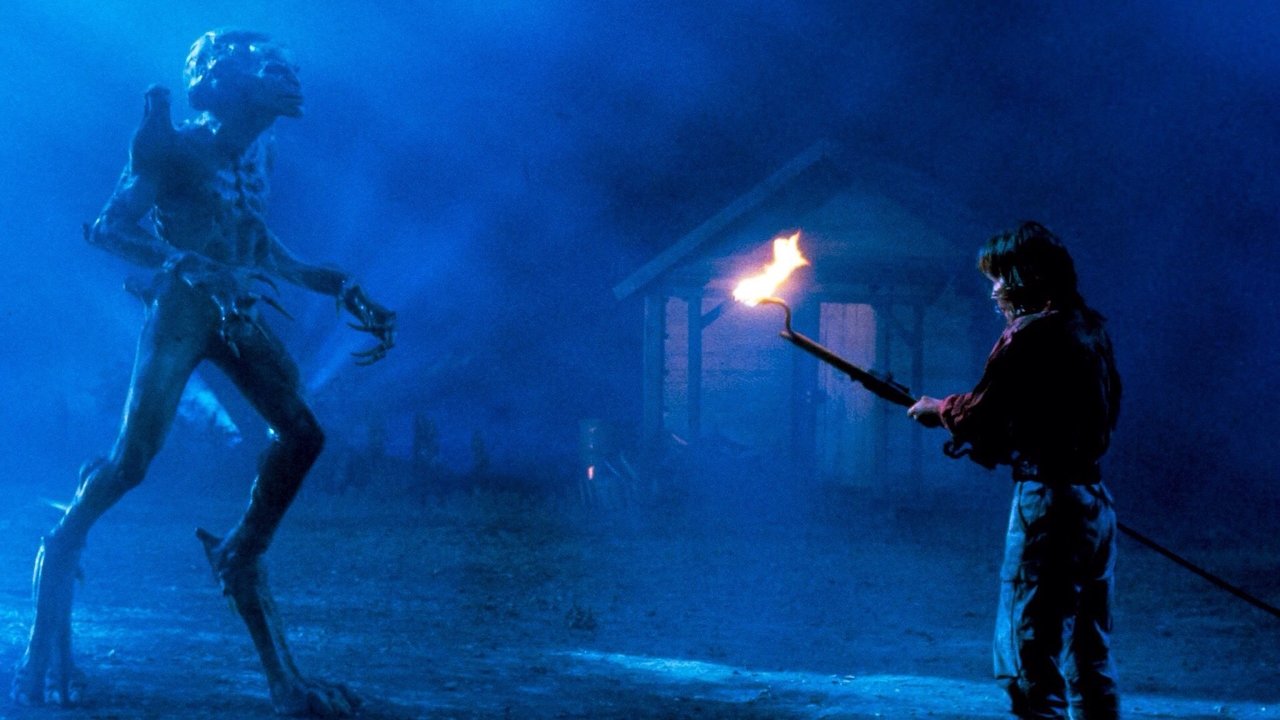
Of course, the undeniable star here is the creature itself. This was the directorial debut of legendary practical effects maestro Stan Winston, and he poured his dark genius into realizing Pumpkinhead. Based conceptually on a poem by Ed Justin, the demon’s design is genuinely unnerving – skeletal, elongated limbs, a disturbingly organic fusion of human and something… else. It’s a masterpiece of latex and puppetry. Remember seeing that thing move on your grainy CRT screen? It felt real in a way CGI rarely achieves. The way it unfolded itself in the dim light, its movements both jerky and fluid... nightmare fuel.
Bringing it to life was apparently no picnic. Actor Tom Woodruff Jr., who would go on to co-found effects house ADI and play numerous creatures himself, endured grueling conditions inside the heavy suit. Winston, driven by his vision, even partially financed the relatively modest $3.5 million budget himself when the studio balked. You can feel that dedication on screen; every shadow seems perfectly placed to enhance the creature's terrifying silhouette, every glimpse calculated for maximum dread. The cinematography under Bojan Bazelli (who later shot The Ring) perfectly captures the damp, decaying beauty of the rural setting (mostly Topanga Canyon, California standing in for Appalachia), making the woods feel both vast and claustrophobic.
More Than Just Monster Mayhem
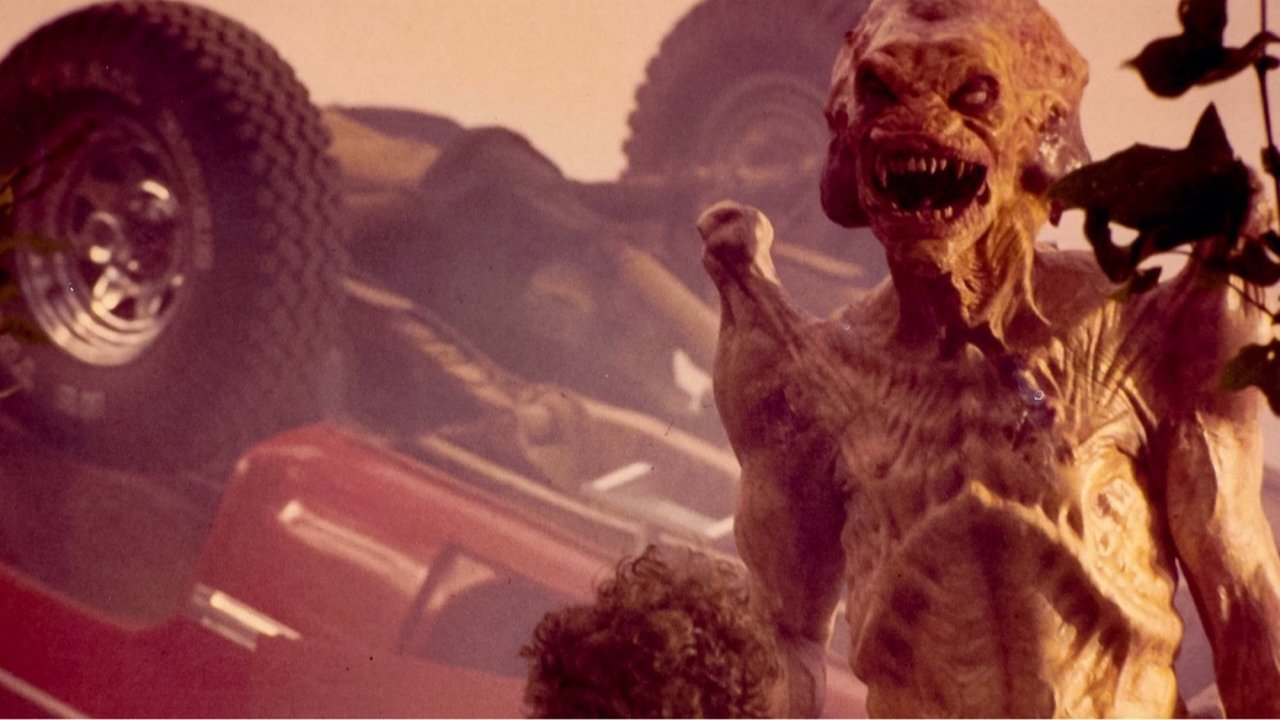
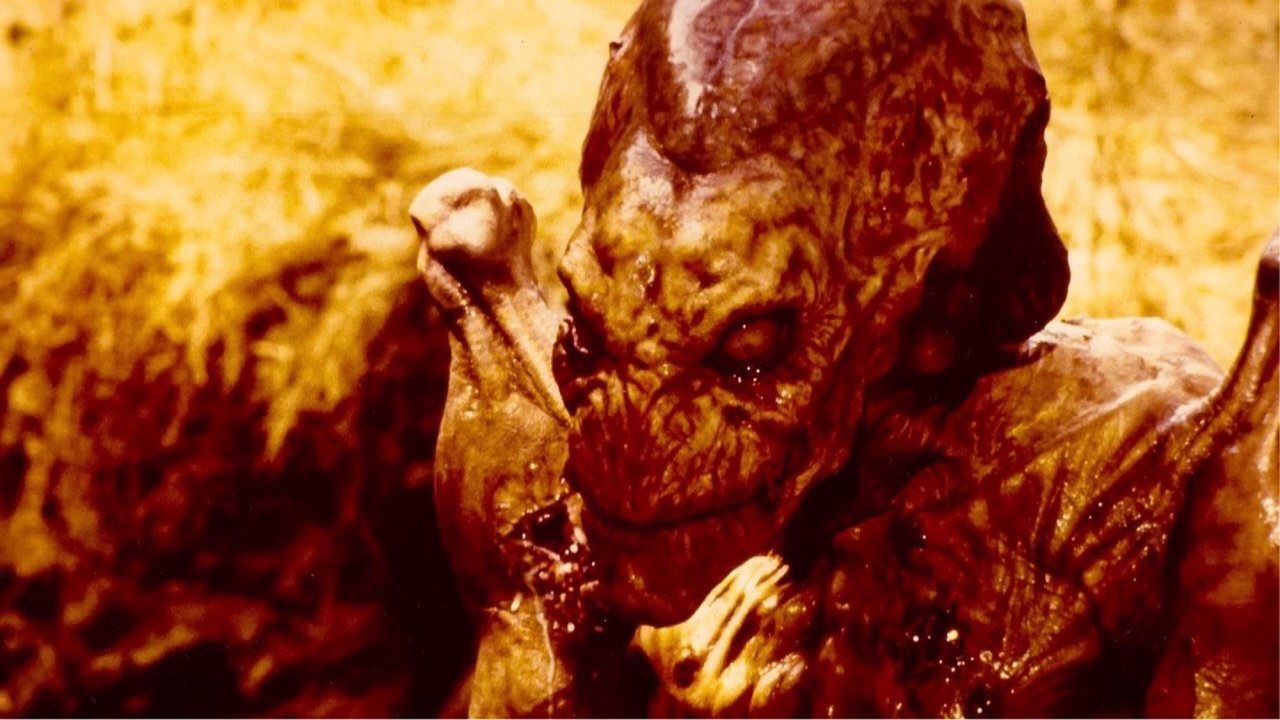
While the group of city kids responsible for the tragedy fulfills the typical 'slasher fodder' role, and aren't the film's strongest element, their presence serves its purpose. They act as the catalyst and, later, the terrified prey, their escalating panic contrasting sharply with Harley's grim determination and eventual crushing guilt. Their initial carelessness feels authentically youthful and stupid, making the consequences feel all the more tragic and inevitable. The script, credited to Mark Patrick Carducci and Gary Gerani (with story input from Winston and Richard C. Weinman), wisely keeps the focus tight on Harley's moral decay and the relentless nature of the summoned evil.
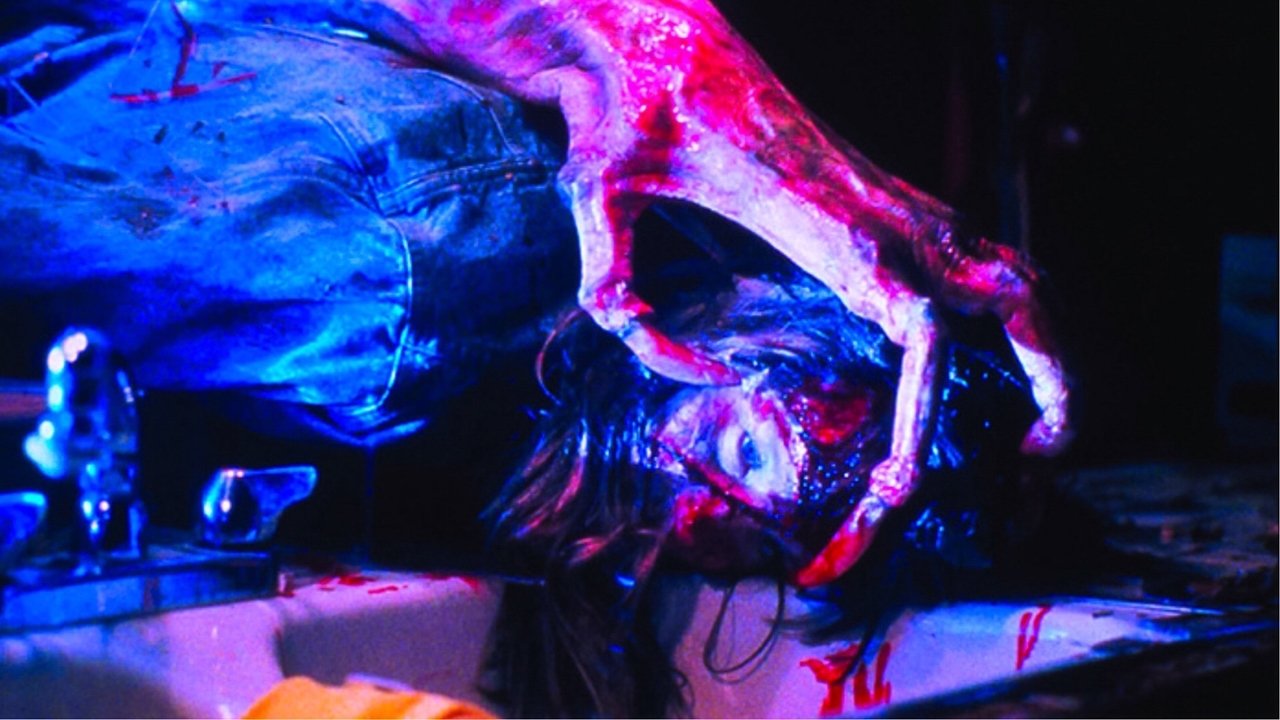
Pumpkinhead isn't just about the kills, though they are brutal and visually inventive for their time (that church scene!). It delves into darker territory – the corrosive nature of revenge, the idea that some prices are too high, and the inescapable connection between the summoner and the summoned. There’s a palpable sense of dread that permeates the film, less reliant on jump scares and more on the slow, agonizing realization of what Harley has done, both to his victims and to himself. Doesn't that final, horrifying link between man and monster still feel deeply unsettling?
Legacy in the Video Store Aisles
Upon release in 1988, Pumpkinhead wasn't a massive box office hit (grossing around $4.4 million), and critical reactions were somewhat mixed. But oh, how it found its audience on VHS. Tucked away in the horror section, its evocative cover art promising something truly monstrous, it became a quintessential cult classic. It felt different, darker, more akin to a grim fairy tale than its slasher brethren. Its influence is subtle but present, particularly in its creature design and its focus on atmosphere over gore (though it has its moments).
While it spawned a few direct-to-video sequels of varying quality years later (Pumpkinhead II: Blood Wings in 1994 being the first), none captured the raw, mournful power or the iconic creature design of Winston's original. It stands alone as a testament to his artistic vision, extending beyond just effects creation. It’s a film I distinctly remember renting, the oversized clamshell case feeling substantial in my hands, promising something genuinely scary – and delivering.
***
VHS Heaven Rating: 8/10
This score reflects the film's undeniable strengths: Lance Henriksen's powerhouse performance, Stan Winston's masterful creature creation and atmospheric direction, and a core story steeped in genuine pathos and dread. It earns its points for being a uniquely grim and effective piece of 80s horror filmmaking that stands apart from the pack. While the supporting characters might be a bit thin and the pacing occasionally lags by modern standards, the sheer visual impact of Pumpkinhead itself and the film’s commitment to its dark themes make it essential viewing.
Pumpkinhead remains a potent reminder that sometimes, the most terrifying monsters aren't just creatures of claws and teeth, but the ones born from human sorrow and rage. A true dark gem from the video store era.