## Beyond the Calendar's Edge
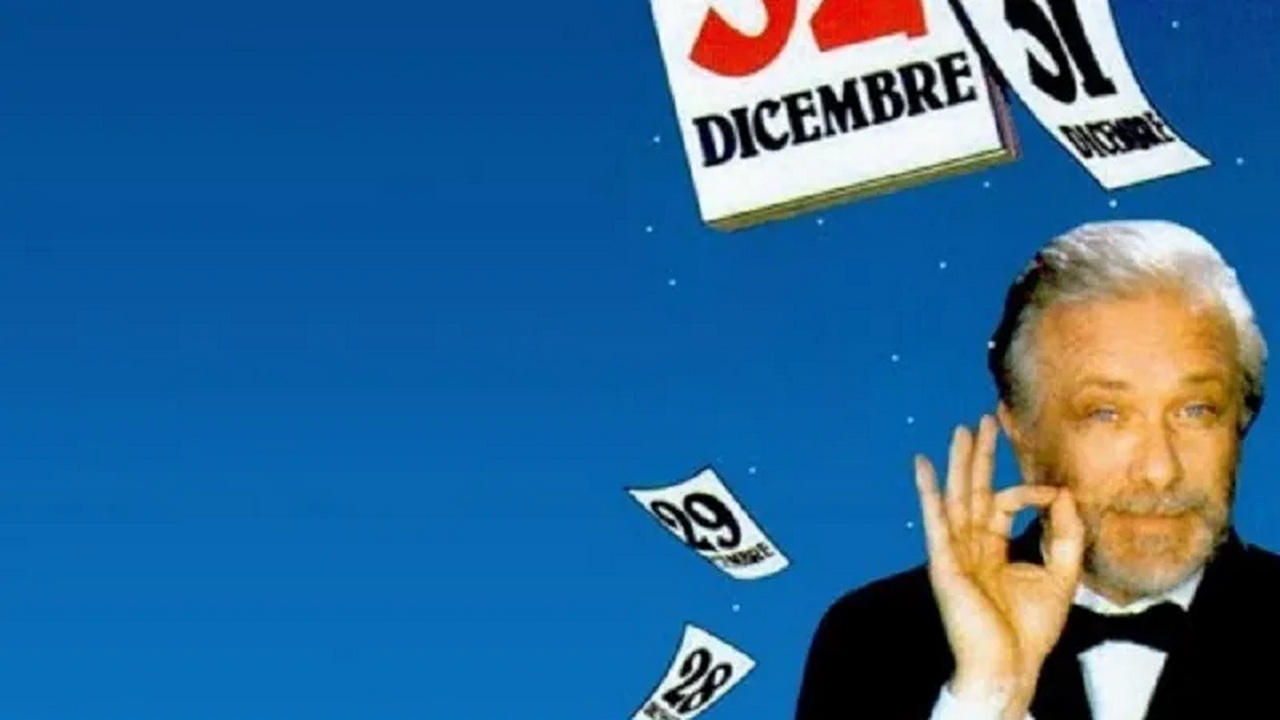
What if time isn't the relentless, marching beat we perceive it to be? What if it bends, stretches, and even pauses according to our own experiences? It’s a thought perhaps better suited to late-night dorm room debates than a trip to the video store, yet it forms the warm, beating heart of Luciano De Crescenzo's charmingly philosophical 1988 Italian comedy, 32nd of December (32 Dicembre). Finding this one on the shelf, perhaps nestled between more bombastic fare, felt like discovering a hidden trattoria – unassuming on the outside, but full of authentic flavour and thoughtful conversation within. It doesn't shout its intentions; rather, it invites you to sit, perhaps pour a glass of wine, and ponder life’s gentle absurdities through a distinctly Neapolitan lens.
Naples Through a Philosopher's Eye
De Crescenzo, who also directs, writes (with Riccardo Pazzaglia), and stars, wasn't your typical filmmaker. An IBM engineer turned bestselling author popularizing Greek philosophy for the masses, he brought a unique perspective to cinema. His films, like the earlier smash hit Così parlò Bellavista (1984), often use the vibrant, chaotic backdrop of Naples not just as a setting, but as a living laboratory for philosophical ideas. 32nd of December continues this tradition, structured as three distinct vignettes, each playfully exploring our relationship with time. There's a whimsical thread connecting them, suggesting that maybe, just maybe, the stoics and sages of ancient Greece wouldn't feel entirely out of place amidst the Vespas and espresso bars of modern Naples.
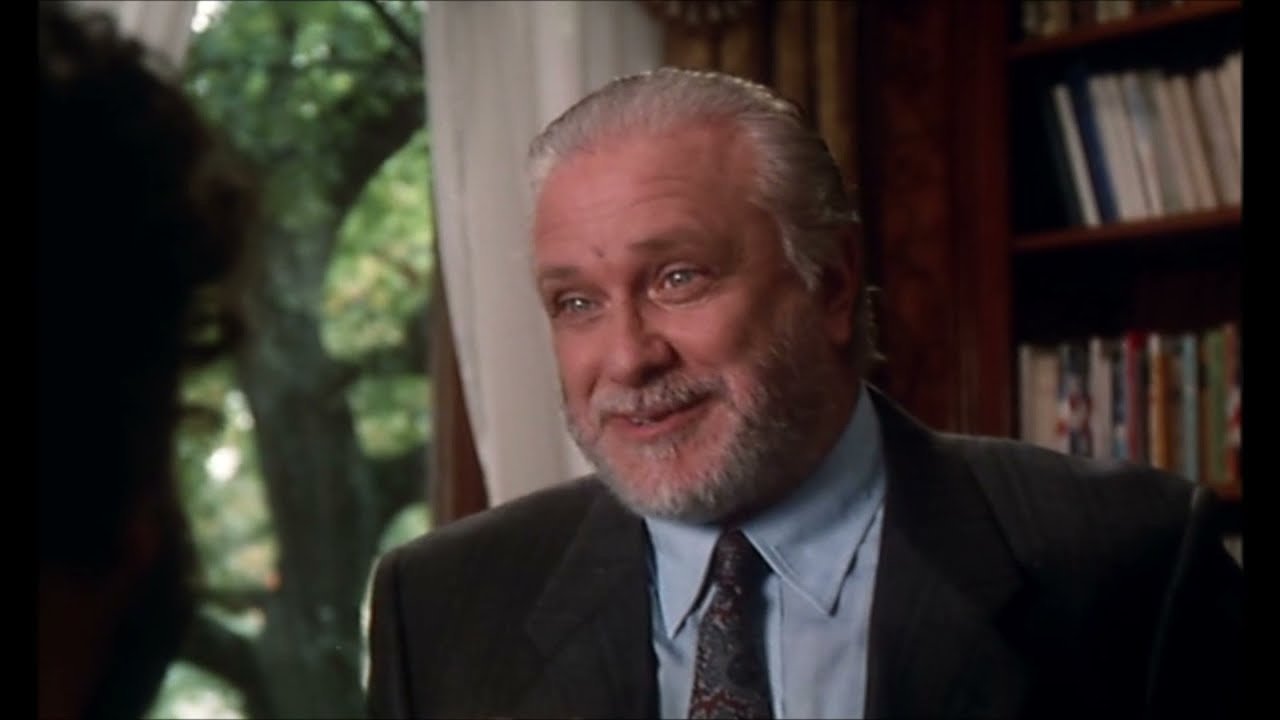
The film opens with De Crescenzo himself, playing a version of his professorial persona, musing directly to the camera about time's subjective nature. It’s a gentle easing-in, preparing us for the stories that follow. We meet characters grappling with time in their own ways: an elderly couple celebrating their anniversary on the titular 'impossible' date to feel eternally young; a man convinced he can reverse time's arrow; and perhaps most poignantly, a grandfather trying to shield his grandson from the harsh realities of the present by manipulating his perception of the calendar.
Acting with Heart, Not Fanfare
The performances here are key to the film's charm. De Crescenzo anchors it with his amiable, slightly professorial presence, guiding us through his ideas like a favourite uncle sharing life lessons. He’s surrounded by a cast that feels authentically drawn from Neapolitan life. Veterans like Caterina Boratto bring a quiet dignity, while faces like Renato Scarpa (a familiar character actor you might recognize from international films later in his career) add grounding realism. There's no Hollywood gloss here; the acting feels lived-in, favouring subtle expression and relatable emotion over grand dramatic gestures. It’s this authenticity that allows the philosophical concepts to land not as dry lectures, but as observations rooted in genuine human experience. You believe these characters would wrestle with time in these quirky, sometimes melancholic ways.
Whispers of Wisdom Behind the Camera
It's fascinating to consider De Crescenzo's own journey while watching 32nd of December. Imagine trading complex engineering diagrams for explorations of Heraclitus and Epicurus, then translating those ancient ideas into funny, touching stories about everyday Italians. That unlikely path informs the film's entire sensibility. It's clever without being condescending, profound without being preachy. One rumour suggests De Crescenzo meticulously storyboarded scenes to mirror the structure of Socratic dialogues, a lovely (though perhaps apocryphal) tidbit that speaks volumes about his approach. The film wasn't a massive international hit, remaining more of a beloved piece within Italy, where De Crescenzo's books had already made him a household name. For those of us discovering it on VHS abroad, it felt like stumbling upon a delightful secret.
The film’s technical aspects are modest, fitting its intimate scale. There are no flashy effects or dramatic set pieces. The focus is squarely on the characters, their conversations, and the gentle humour derived from their unique perspectives on time. The cinematography captures the specific light and energy of Naples, making the city itself a character – vibrant, weathered, and pulsing with a life that seems both ancient and immediate. It’s the kind of filmmaking that relies on script and performance, a welcome change of pace often found in the European cinema sections of those old rental stores.
Does Time Bend After All?
32nd of December isn't a film that provides easy answers. Instead, it leaves you with lingering questions and a warm, contemplative feeling. Doesn't time seem to fly when we're happy and drag when we're anticipating something? Isn't our memory selective, shaping our past in ways that serve our present? De Crescenzo uses comedy not just for laughs, but as a way to make these potentially heavy ideas accessible and deeply human. The film suggests that perhaps the most profound truths are hidden in plain sight, in the everyday struggles and joys of ordinary people trying to make sense of their allotted moments. It’s a reminder that philosophy isn't just for academics; it's woven into the fabric of how we live, love, and perceive the world around us.
I remember renting this tape, drawn by the unusual title and the promise of something different. Watching it again now, the film’s gentle wisdom feels even more relevant. In our hyper-scheduled, constantly accelerating world, the idea of stepping outside the tyranny of the clock, even metaphorically, holds a powerful appeal.
Rating: 7/10
32nd of December earns a solid 7. It's a charming, unique, and thoughtful film that successfully blends light comedy with accessible philosophical musings. While its episodic structure might feel slightly uneven to some, and its appeal might be more niche than mainstream blockbusters, the warmth of the performances, the intelligence of the script, and the sheer originality of its concept make it a rewarding watch. It’s a film that makes you smile and think in equal measure.
Final Thought: It leaves you wondering not about grand cosmic clocks, but about the personal timekeepers ticking away in each of our hearts, reminding us that maybe the best way to manage time is simply to live fully within the moments we have.