Alright, fellow tape-heads, dim the lights, maybe pop some corn (carefully!), and let’s rewind to a time when Christmas movies could come with bite marks. I distinctly remember the worn cardboard sleeve of the Gremlins VHS tape being a regular visitor in my house, its slightly sinister cover art promising something far more mischievous than your usual holiday fare. And boy, did it deliver. Could a film be both a cuddly creature feature and a riotous monster mash, all wrapped up in twinkly Christmas lights? Joe Dante, fresh off the werewolf chills of The Howling (1981), proved it absolutely could.
### Small Town Charm, Big Time Trouble
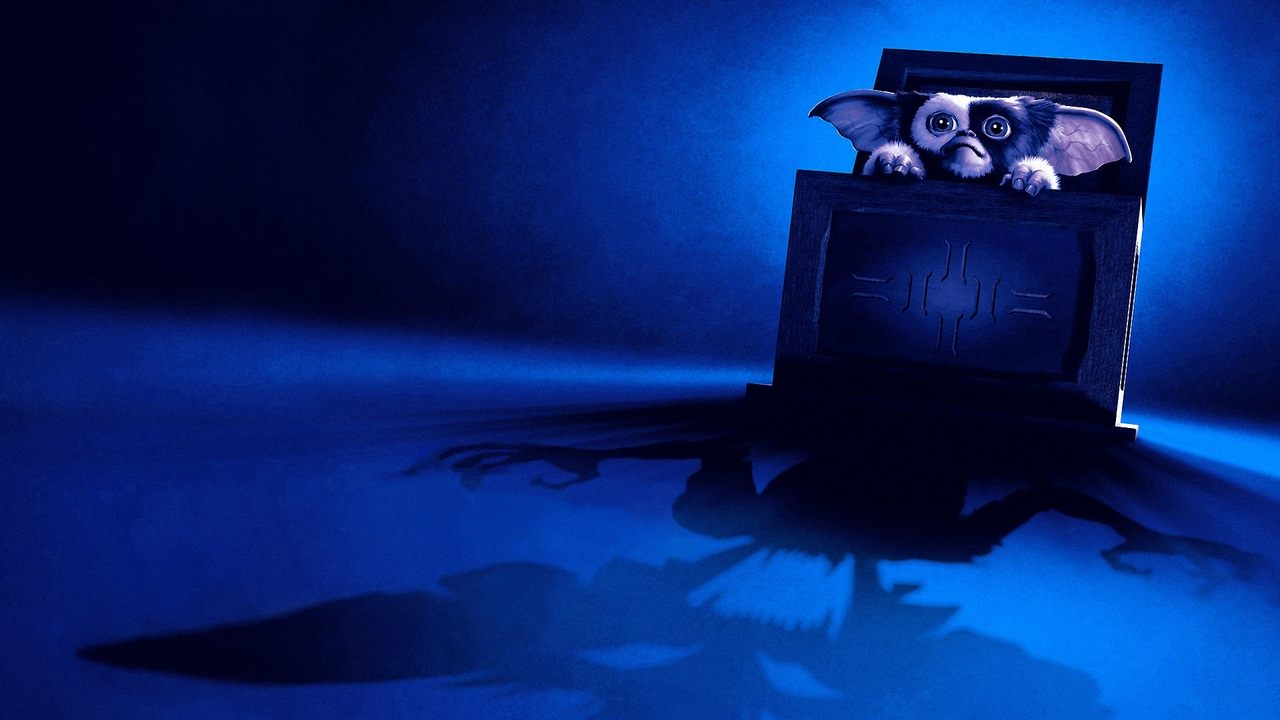
The setup is pure Capra-esque Americana filtered through a B-movie lens. Struggling inventor Randall Peltzer (Hoyt Axton, radiating folksy charm) picks up a unique gift for his son Billy (Zach Galligan) in a dusty Chinatown shop: a Mogwai. This fuzzy little critter, christened Gizmo, comes with three crucial rules: no bright light, don't get him wet, and never, ever feed him after midnight. Naturally, in the idyllic (but economically depressed) town of Kingston Falls, every single one of these rules is spectacularly broken. What starts as a cute pet story quickly morphs into something wonderfully chaotic. Billy, our earnest young hero, and his potential sweetheart Kate (Phoebe Cates) find their Norman Rockwell Christmas turning into a full-blown creature invasion.
### The Glorious Age of Puppets and Slime
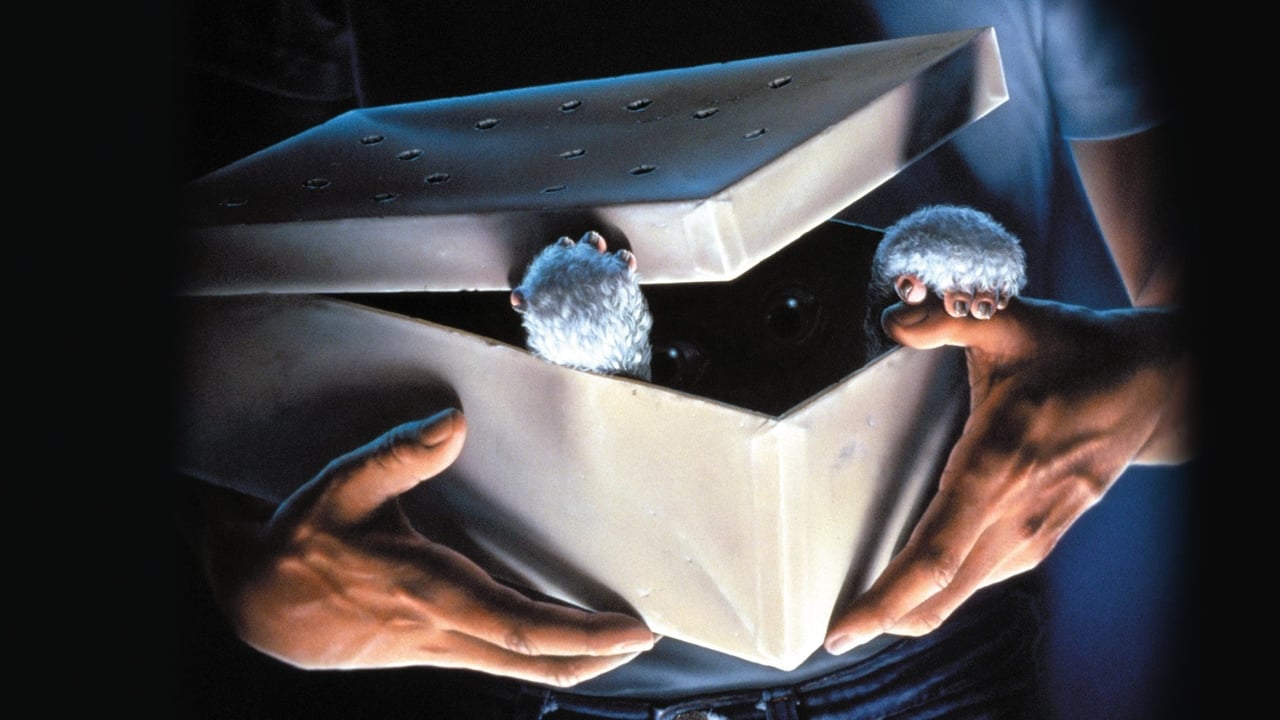
Let's talk about why Gremlins felt so visceral back then, flickering on our CRT screens. It was the sheer tactile reality of those titular monsters. Forget smooth CGI – these were handcrafted terrors brought to life by Chris Walas (who'd later direct The Fly II) and a team of puppeteers working overtime. When water hits Gizmo and those fuzzy pods pop off his back, there’s a physical presence to it. And when those pods hatch? Pure, practical pandemonium. Remember the kitchen scene? Mrs. Peltzer facing down gremlins in a blender, a microwave… it was hilariously horrifying, executed with a gleeful commitment to messy, physical gags.
This dedication to practical effects is what gives the film its enduring charm and, frankly, its edge. The gremlins felt real because they were real props, interacting with the environment, getting blown up, splattered, and electrocuted in ways that felt tangible. The sheer logistics must have been a nightmare – operating dozens of puppets, many prone to malfunctioning under the hot lights. One retro fun fact often shared is how Steven Spielberg (the film's executive producer) had to occasionally step in to help direct crowd scenes because Dante was so bogged down wrangling the gremlin effects! It’s that hands-on chaos that bleeds onto the screen. Could you imagine the bar scene today? Hundreds of CG gremlins might look smoother, but would they have that same manic, almost believable energy of puppets smoking, drinking, and causing glorious havoc?
### A Tonal Tightrope Walk

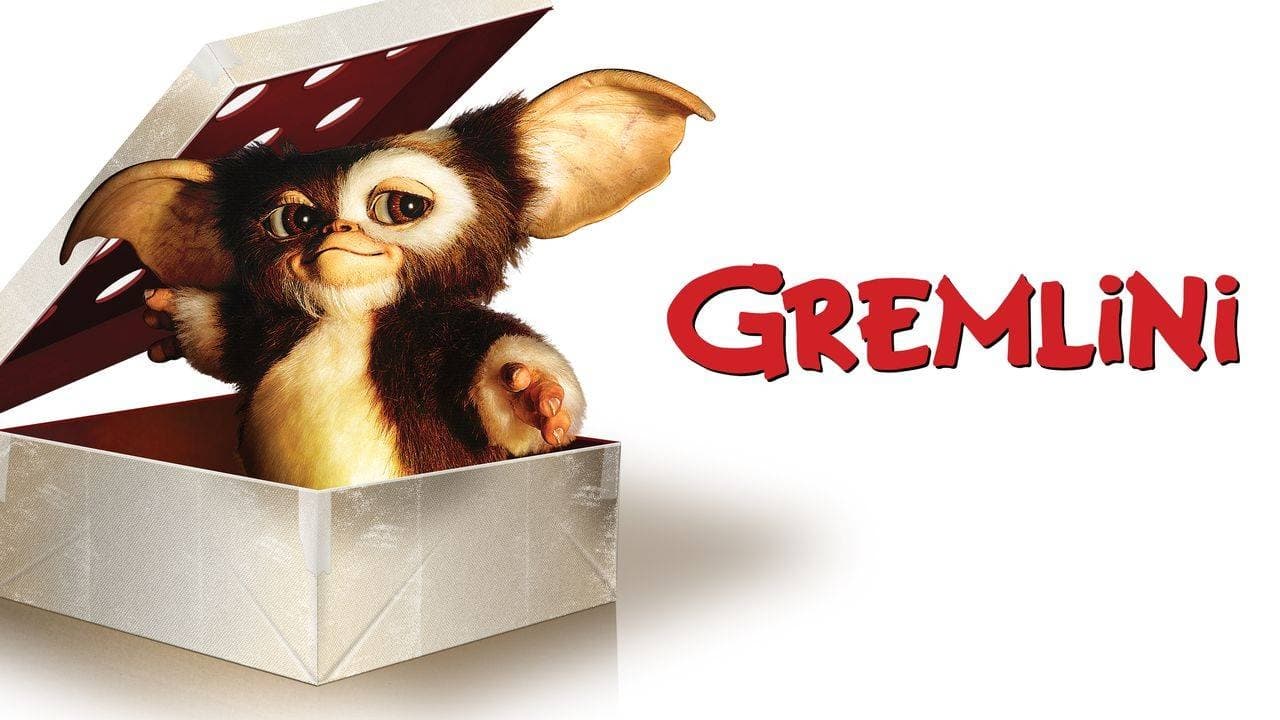
What truly set Gremlins apart, and arguably caused a stir back in '84, was its wild tonal mix. One minute you have the adorable, cooing Gizmo (voiced, uncredited, by legendary voice actor Howie Mandel in his pre-Deal or No Deal days), the next you have green-scaled monsters causing genuine destruction and death. Dante, a connoisseur of classic cartoons and monster movies, masterfully blended Looney Tunes anarchy with genuine moments of fright. This blend wasn't always smooth; Phoebe Cates' infamous monologue explaining why she hates Christmas is a sudden, dark detour that still feels jarring, though undeniably memorable. It's a testament to Chris Columbus's script (initially much darker, featuring Gizmo turning evil and the gremlins being far more lethal – Spielberg reportedly pushed to keep Gizmo cute and tone down the carnage) that it holds together at all. The film's blend of horror and humor was so potent, in fact, that along with Indiana Jones and the Temple of Doom released the same summer, it directly led to the creation of the PG-13 rating in the US. Talk about impact!
The supporting cast, including Judge Reinhold as Billy's smug colleague and Corey Feldman as Billy's young buddy Pete, adds to the small-town feel, making the eventual gremlin takeover even more disruptive. And we can't forget Jerry Goldsmith's score – that main theme is instantly recognizable, perfectly capturing the film's blend of mischief and menace.
### Still Bright After All These Years?
Watching Gremlins today is like unearthing a time capsule from an era when mainstream blockbusters could be genuinely weird and delightfully dangerous. It’s a Christmas movie, a horror-comedy, a creature feature, and a sly satire of consumerism all rolled into one chaotic package. The practical effects hold up remarkably well, showcasing a level of craft and anarchic energy often missing in today's slicker productions. It was a massive hit, spawning a perhaps even more anarchic sequel, Gremlins 2: The New Batch (1990), and cementing its place as a beloved, if slightly twisted, holiday staple.

Rating: 9/10
This score reflects Gremlins' status as a truly iconic piece of 80s filmmaking. It masterfully balances horror, comedy, and heart, powered by groundbreaking practical effects that still impress. While the tonal shifts can be abrupt, its sheer invention, memorable creatures, and Joe Dante's unique directorial stamp make it an essential watch. It loses a point only for that slightly jarring tonal whiplash in moments, but its overall impact and rewatchability are undeniable.
Final Thought: Forget sugar plums; Gremlins gave us handcrafted holiday mayhem that still feels wonderfully unruly – a potent reminder that sometimes, the best movie magic comes with strings (and maybe a little slime) attached. Definitely worth dusting off the VCR... or firing up the modern equivalent.