Here we are, fellow travelers through the magnetic tape archives. Sometimes, amidst the explosions and high-concept sci-fi that dominated our 80s VCRs, a different kind of film slipped through – quieter, warmer, more observational. It’s like finding a cherished postcard tucked inside a blockbuster’s clamshell case. That’s the feeling evoked by Luciano De Crescenzo’s wonderful 1984 directorial debut, Thus Spoke Bellavista (original title: Così parlò Bellavista). It doesn't shout; it invites you to pull up a chair on a Naples balcony and simply listen.
A Philosopher Opens His Window
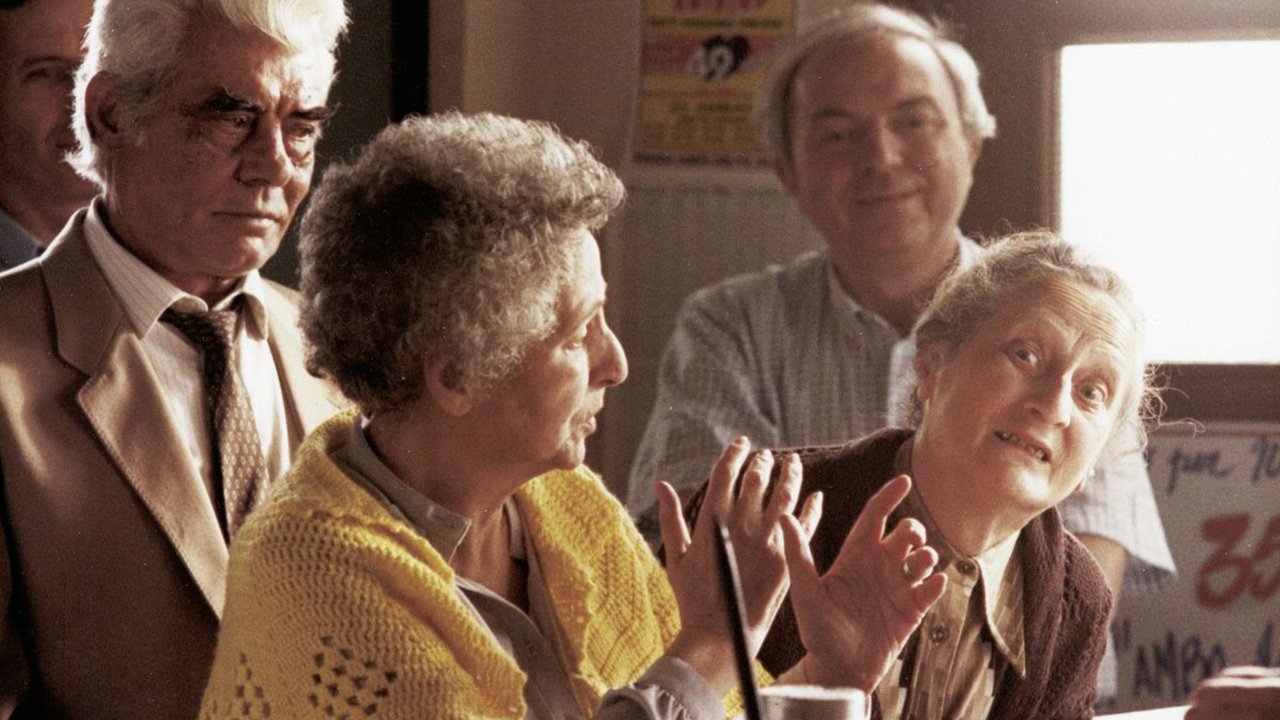
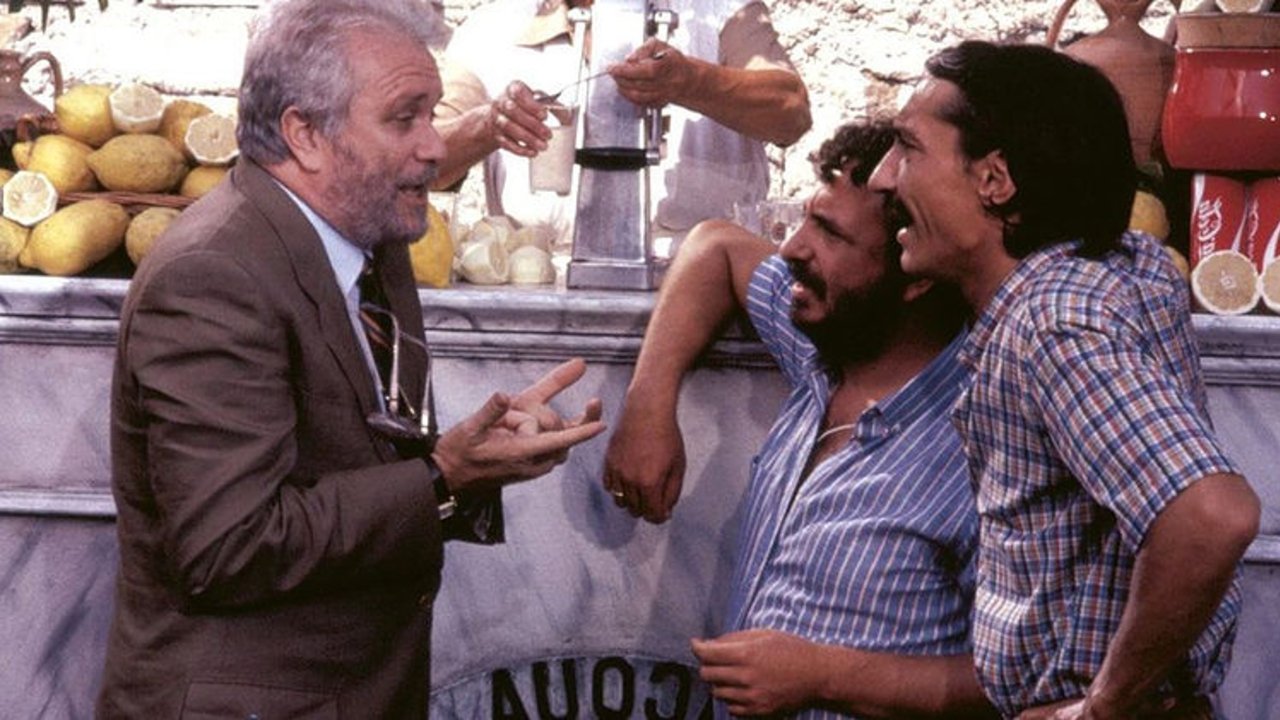
The premise is deceptively simple: Professor Gennaro Bellavista (Luciano De Crescenzo himself) is a retired philosopher living in the heart of Naples. His apartment window overlooks a bustling courtyard, a microcosm of Neapolitan life teeming with characters, arguments, joys, and sorrows. Bellavista observes them all, occasionally dispensing gentle wisdom and reflecting on his core philosophy: the distinction between the "people of love" (like the Neapolitans, driven by community and emotion) and the "people of freedom" (like those from the North, driven by individualism and efficiency). This gentle rhythm is disrupted, albeit charmingly, by the arrival of Dr. Cazzaniga (Renato Scarpa), a precise, punctual human resources director transferred from Milan, whose Northern sensibilities clash hilariously and poignantly with the fluid chaos of Naples.
From Engineering to Enchantment
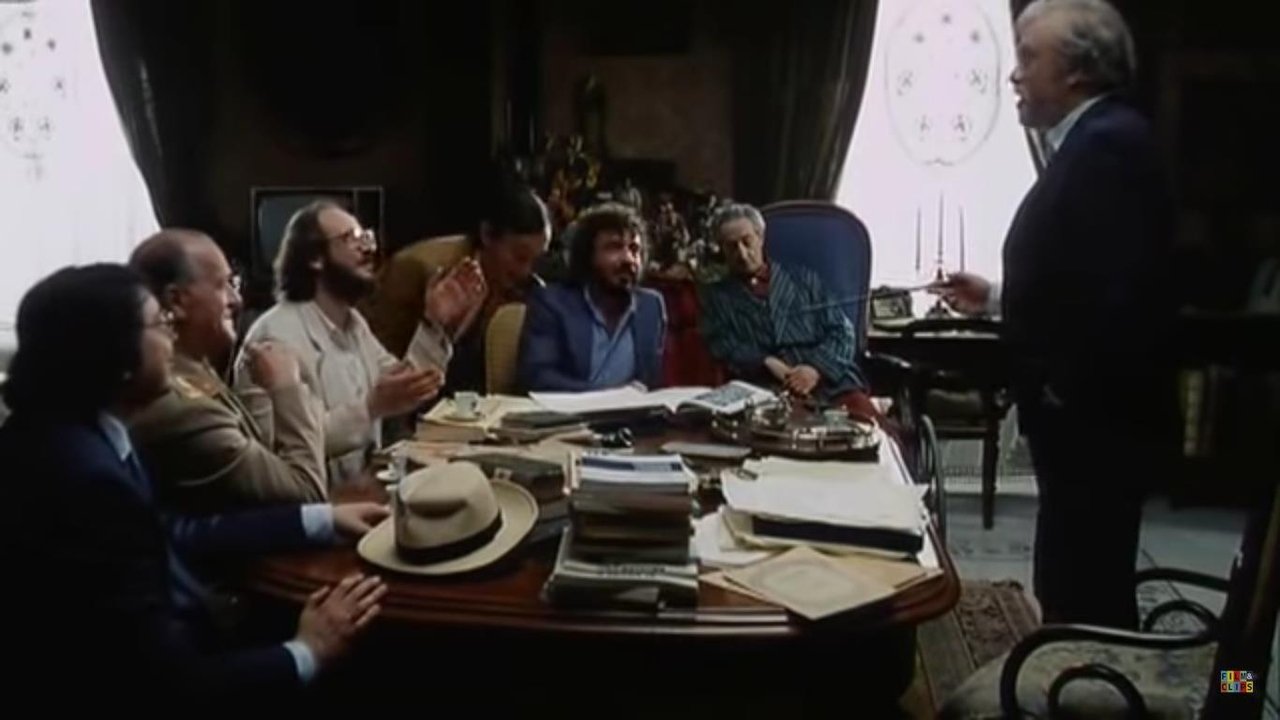
What makes Bellavista so unique, especially looking back from our vantage point, is the man at its center. It’s almost impossible to separate the film from Luciano De Crescenzo. Here’s a fascinating bit of trivia for the VHS Heaven archives: De Crescenzo wasn't initially a filmmaker or even a writer in the traditional sense. He was a successful IBM engineer who, in mid-life, found astonishing success writing books that popularized philosophy and celebrated Neapolitan culture. Thus Spoke Bellavista was adapted from his own massively bestselling book, making the film feel less like a conventional narrative and more like illustrated chapters from his warm, witty perspective. His performance as Bellavista is utterly natural; he is the amiable professor, sharing insights with an avuncular charm that feels completely genuine. This wasn't just acting; it was embodying a philosophy he had spent years articulating. His transition from circuits to cinema is a remarkable story in itself.
The Naples Ensemble
While De Crescenzo is the anchor, the film thrives on its ensemble cast, capturing the vibrant tapestry of the apartment block. Isa Danieli, a stalwart of Italian stage and screen, is perfect as Bellavista’s pragmatic wife, grounding his philosophical flights of fancy. And Renato Scarpa, whom keen-eyed viewers might recognise from films like Un Sacco Bello (1980) or later, his touching role in Il Postino (1994), is pitch-perfect as the bewildered Cazzaniga. His struggle to comprehend Neapolitan logic – the flexible approach to time, the intricate social codes, the sheer emotional volume – provides much of the gentle comedy. De Crescenzo cleverly mixed these professionals with non-professional actors, real Neapolitans whose unvarnished presence adds an almost documentary layer of authenticity to the proceedings. You feel like you're truly observing life in that courtyard.
A Comedy of Observation, Not Slapstick
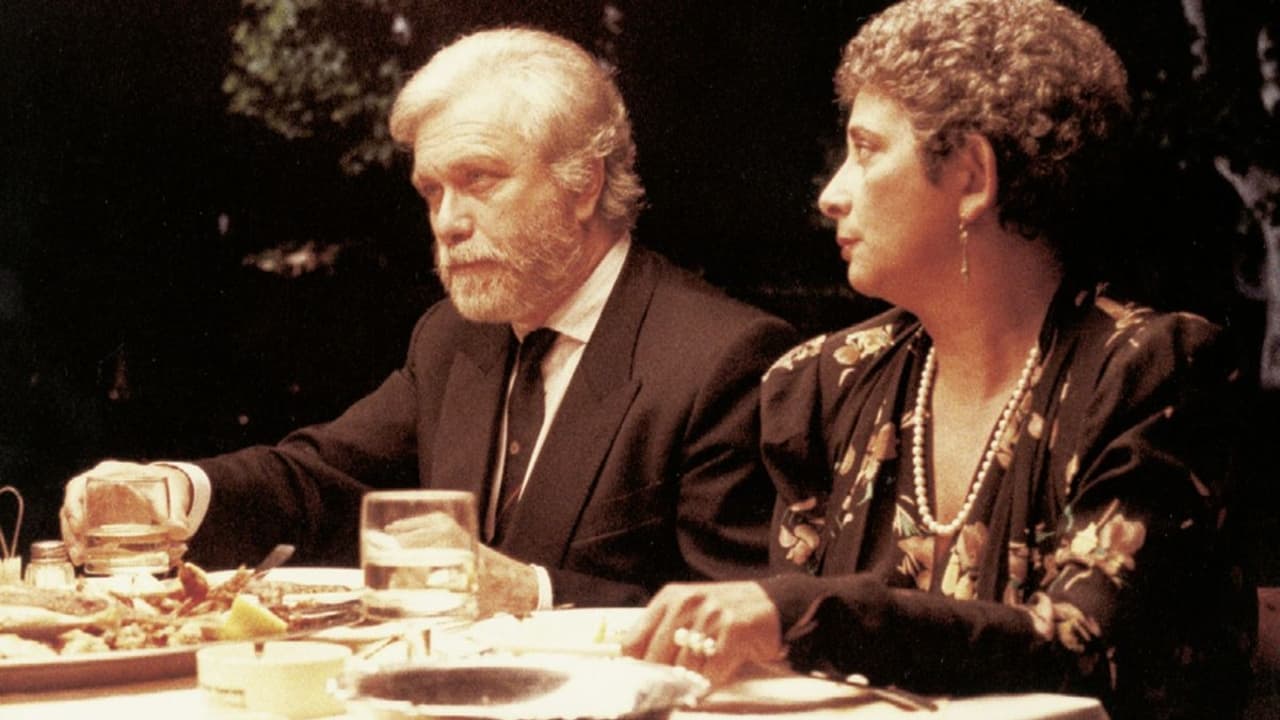
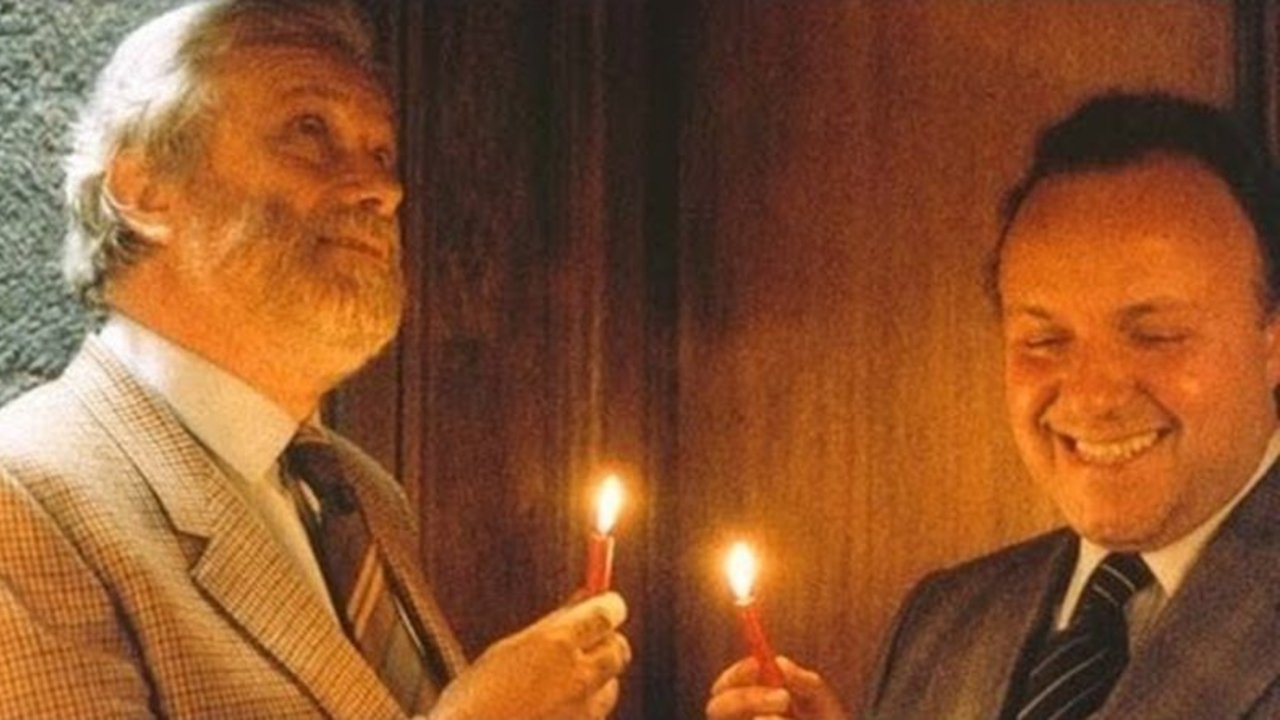
Don't pop this tape in expecting the broad physical comedy often found in 80s Italian cinema exports. Bellavista's humor is gentler, residing in cultural misunderstandings, witty dialogue, and the sheer absurdity of everyday life when viewed through a philosophical lens. The episodic structure, mirroring the book, presents a series of vignettes – a stolen nativity scene figure, a chaotic communal dinner, navigating the city's traffic – each offering a small insight or a chuckle. It’s a film that rewards patience and attentiveness, slowly immersing you in its world rather than hitting you with constant gags. This very quality might be why it felt like such a refreshing discovery on VHS – a palate cleanser between action flicks.
Sun-Faded Charm and Surprise Success
Watching Thus Spoke Bellavista today feels like unearthing a time capsule. The look, the fashion, the very rhythm of life depicted capture Naples in the early 80s with an unassuming accuracy. There's a warmth to the cinematography, perhaps amplified by the slightly faded quality some of our well-loved tapes might have acquired over the years, that perfectly matches the film's gentle spirit. Despite its modest budget and unconventional style, the film was a surprise smash hit in Italy, resonating deeply with audiences who recognized De Crescenzo's affectionate portrayal of their culture. It launched his filmmaking career, leading to several more films exploring similar themes, including a direct sequel, Il mistero di Bellavista (1985).
Final Thoughts: A Gentle Gem
Thus Spoke Bellavista isn't about intricate plotting or high drama; it's about atmosphere, character, and a particular way of looking at the world. It champions community, understanding, and finding the extraordinary in the ordinary. It asks us, gently, if perhaps the "people of love," with all their perceived inefficiencies, might have something profound to teach the relentlessly driven "people of freedom."
Rating: 8/10
This rating reflects the film's immense charm, its authentic portrayal of a specific culture, and its success in achieving exactly what it set out to do: share a warm, philosophical, and humorous perspective on life. It’s perfectly cast, beautifully observed, and possesses a gentle wisdom that lingers. While its episodic nature and leisurely pace might not appeal to everyone expecting a conventional comedy, its warmth and insight make it a standout example of 80s Italian cinema that deserves rediscovery.
It remains a wonderfully humane film, a quiet reminder found on a buzzing VHS tape that sometimes, the most profound truths are spoken softly, perhaps from a balcony overlooking a noisy, loving, perfectly imperfect Naples courtyard.