It often starts with a simple image, doesn't it? A silhouette against the dawn skyline of Manhattan, the hum of potential energy, the promise and peril of ambition. For me, watching Oliver Stone's Wall Street again isn't just revisiting a film; it's like unearthing a time capsule from 1987, one filled with slicked-back hair, enormous mobile phones, and the intoxicating scent of power. But beneath the glossy surface, something more profound, almost cautionary, still resonates, echoing through the decades with unnerving clarity.

The Seduction of the Deal
At its core, Wall Street is a Faustian pact set against the buzzing ticker tapes of high finance. We follow Bud Fox (Charlie Sheen), a young, hungry stockbroker desperate to break into the big leagues. He’s got the drive, the yearning, but lacks the ruthless edge – until he angles his way into the orbit of Gordon Gekko (Michael Douglas). Gekko isn't just a corporate raider; he's the embodiment of unchecked 80s avarice, a predator in bespoke suits who operates by a simple, terrifying mantra. Stone, whose own father was a broker during the Depression, brings a fascinating insider/outsider perspective, crafting a world that feels both hyper-real and mythic. The energy is palpable – the frantic trading floors, the hushed power lunches, the sleek, minimalist apartments that feel more like display cases than homes.
Gekko: Villain or Visionary?
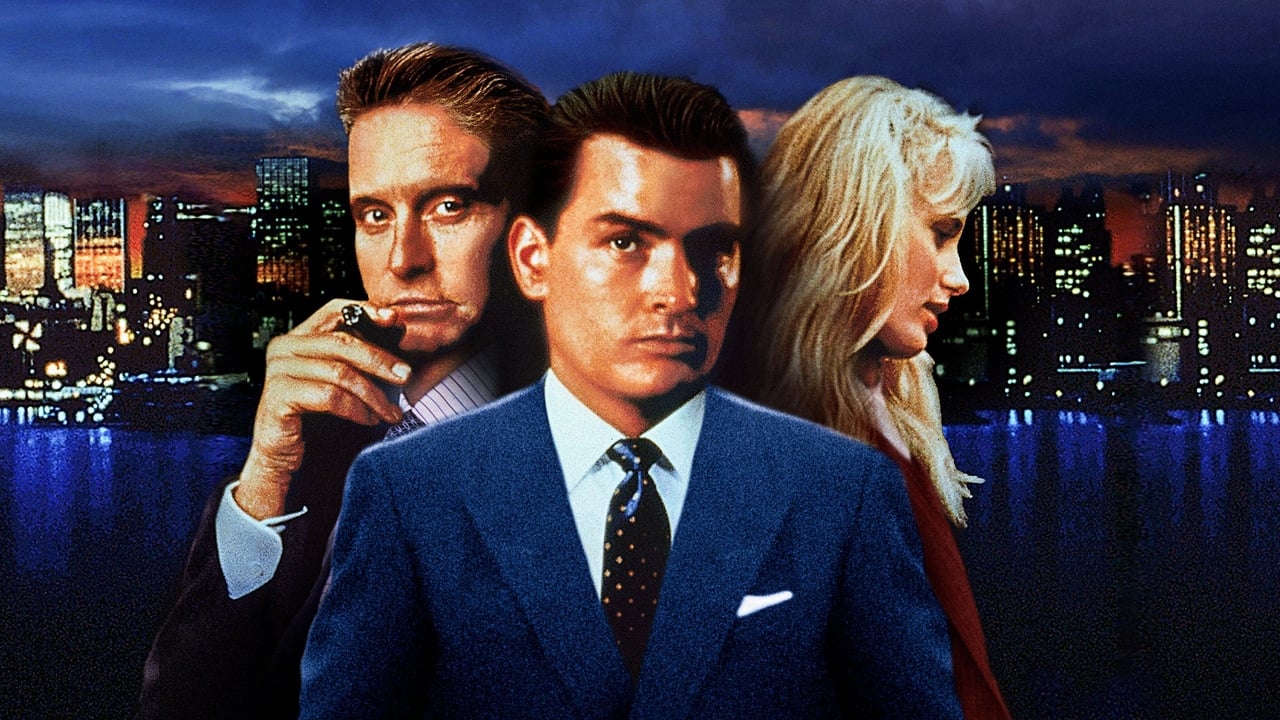
Let's talk about Michael Douglas. It’s impossible to discuss Wall Street without focusing on his portrayal of Gordon Gekko, a performance that snagged him a well-deserved Best Actor Oscar. What’s fascinating is how Gekko, conceived as a villain, became an anti-hero for a generation. Douglas imbues him with such charisma, such reptilian charm, that you understand why Bud (and perhaps a part of the audience) is drawn to him. He's magnetic, delivering pronouncements on wealth and power with chilling conviction. Reportedly, Douglas initially felt the character was too overtly villainous on the page, needing Stone to reassure him of the underlying complexity. The result is iconic. That famous "Greed is good" speech – reportedly inspired by a commencement address given by real-life arbitrageur Ivan Boesky – wasn't just a movie line; it became a cultural flashpoint, capturing the aggressive capitalism of the era. It’s a testament to Douglas’s skill that Gekko feels utterly believable, even necessary, within the film’s ecosystem.
The Price of Ambition
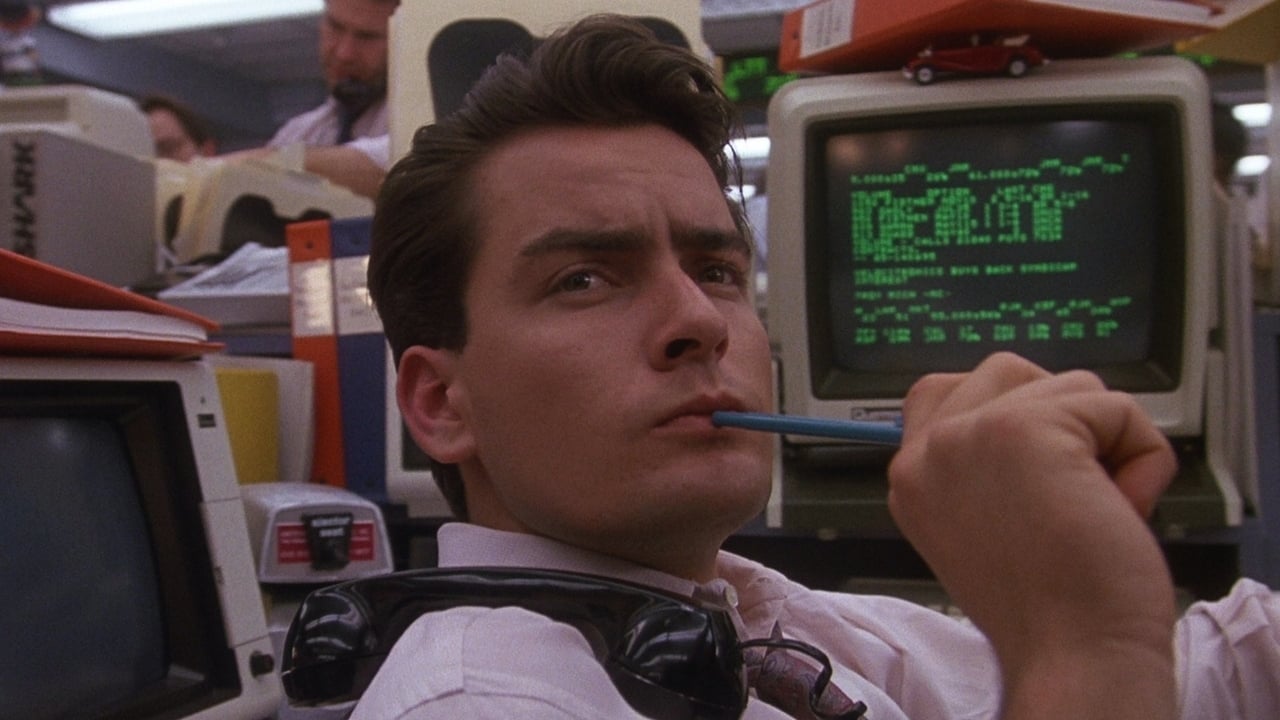
Charlie Sheen, then a rising star fresh off Platoon (1986) also directed by Stone, carries the weight of the audience's perspective as Bud Fox. His journey from wide-eyed aspirant to compromised player is the film's narrative engine. Sheen captures that initial hunger effectively, the desperation to impress Gekko palpable in every scene. There's a telling moment early on, involving Bud's persistence and a box of contraband Cuban cigars, that perfectly establishes their dynamic. While perhaps not as nuanced as Douglas, Sheen provides the necessary moral compass, however skewed it becomes. The scenes between Bud and his blue-collar father, Carl (Martin Sheen, Charlie’s real-life father, adding a layer of authentic friction and affection), provide the film's ethical anchor. Their dynamic highlights the generational clash and the differing definitions of success and integrity. It’s these moments, contrasting sharply with the cold calculations of Gekko’s world, that give the film its heart. Some interesting trivia: Tom Cruise was briefly considered for Bud Fox, but Stone ultimately felt Sheen possessed the right blend of naivete and simmering ambition.
Stone's Energetic Lens
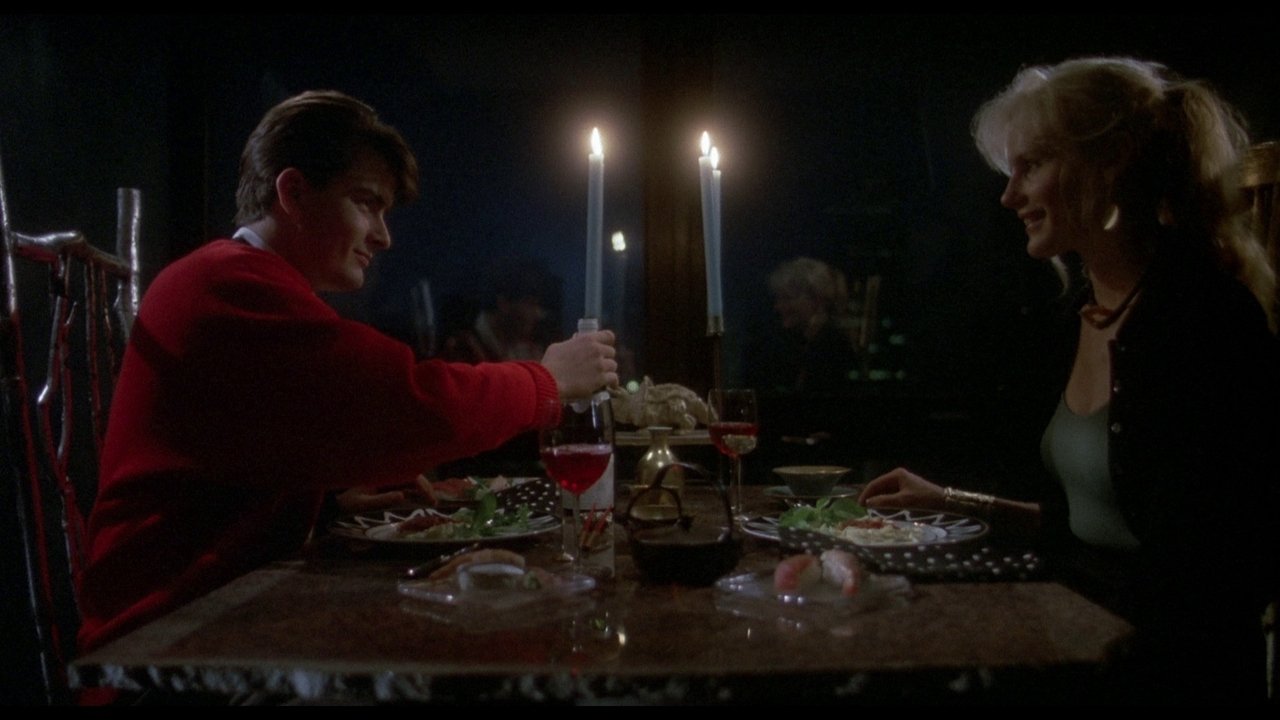
Oliver Stone directs with his signature kinetic style. The camera rarely sits still, mirroring the restless energy of the market itself. Quick cuts, overlapping dialogue, and a driving score by Stewart Copeland (of The Police fame) propel the narrative forward relentlessly. This isn't a slow burn; it’s a plunge into a high-stakes world where fortunes are made and lost in moments. Stone, along with co-writer Stanley Weiser, crafts dialogue that crackles with industry jargon and cynical wit. While Daryl Hannah's character, Darien Taylor, an ambitious interior decorator caught between Bud and Gekko, sometimes feels underwritten – a criticism echoed by Hannah herself who reportedly didn't enjoy the filming process – she represents another facet of the transactional nature of this world. Her desire for status mirrors Bud’s, albeit through a different currency. Look closely too for Terence Stamp as Sir Lawrence Wildman, Gekko's British corporate raiding rival, adding a touch of old-world class clashing with Gekko's raw American aggression.
A Mirror to the Times (And Ours?)
Filmed before, but released shortly after, the infamous Black Monday market crash of October 1987, Wall Street felt eerily prescient. Its depiction of insider trading, hostile takeovers, and the seductive allure of easy money struck a nerve. With a budget of around $15 million, it pulled in nearly $44 million domestically – a solid hit reflecting its capture of the zeitgeist. Seeing it now, decades removed from the shoulder pads and power ties (kudos to costume designer Ellen Mirojnick for Gekko’s unforgettable wardrobe), the film feels less like a period piece and more like a timeless warning. The specific technologies have changed, but the fundamental questions about ethics, ambition, and the human cost of unchecked capitalism remain startlingly relevant. Doesn't the tension between short-term profit and long-term consequences still define so many of our economic debates?
***
VHS Heaven Rating: 8/10
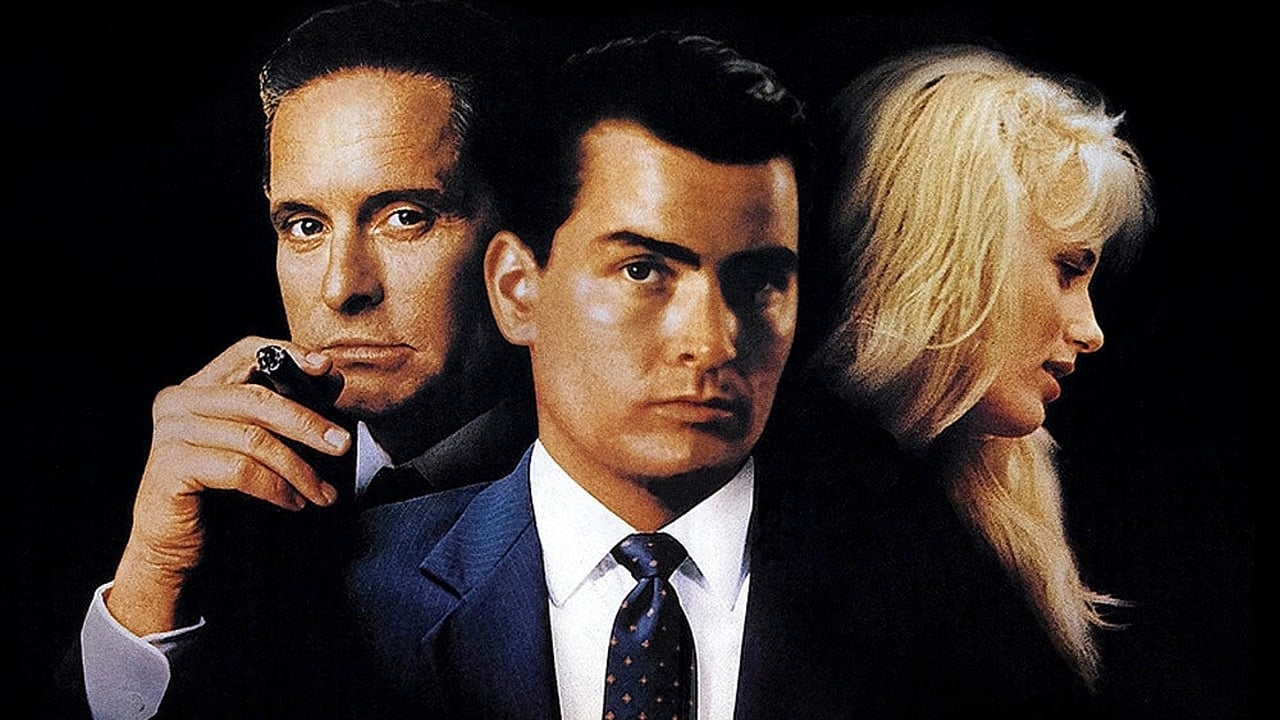
Wall Street earns its 8/10 rating through the sheer force of Michael Douglas's career-defining performance, Oliver Stone's dynamic direction capturing the intoxicating, dangerous energy of the era, and its sharp, enduring critique of corporate greed. While some elements, like Daryl Hannah's character arc, feel less developed, the core narrative remains potent. It perfectly bottles the spirit, and the anxiety, of the late 80s financial boom, anchored by the compelling father-son dynamics both on and off-screen (Charlie Sheen and Martin Sheen). The film isn't just entertainment; it's a cultural document, a morality play dressed in pinstripes that still prompts reflection.
What lingers most after the credits roll isn't just the echo of "Greed is good," but the unsettling question of what price we're willing to pay for success, a question that feels just as urgent today as it did when this tape first hit the rental shelves.