Okay, let's settle in. Slide that tape into the VCR... hear that satisfying clunk? Tonight, we're digging into a slice of 80s Italian cinema that might have flown under the radar for many outside of Europe, but carries a weight and authenticity that lingers long after the static fills the screen. I'm talking about Marco Risi’s 1987 drama, Soldati - 365 all'alba (Soldiers: 365 Till Dawn). The title itself whispers of confinement, of days meticulously counted down within the stark reality of mandatory military service.
This isn't your gung-ho Hollywood boot camp flick. Forget explosive action sequences or clear-cut heroes. Risi, working from a script co-written with the legendary Furio Scarpelli (one half of the iconic Age & Scarpelli duo, famed for classics like Il buono, il brutto, il cattivo (1966) and Sedotta e abbandonata (1964)), paints a far more grounded, often melancholic portrait of the Italian naja – the colloquial term for the then-compulsory year of military life.
Into the Barracks
The film throws us directly into the isolated, often tedious, world of a group of young conscripts stationed in a remote Alpine outpost during the depths of winter. We experience the grind alongside them: the drills, the boredom, the petty squabbles, the fleeting moments of camaraderie forged under pressure. There’s no grand narrative arc here, no major external conflict driving the plot in a conventional sense. Instead, Soldati focuses intensely on the internal struggles, the power dynamics, and the sheer psychological toll of having one's life put on hold for a year under rigid authority.
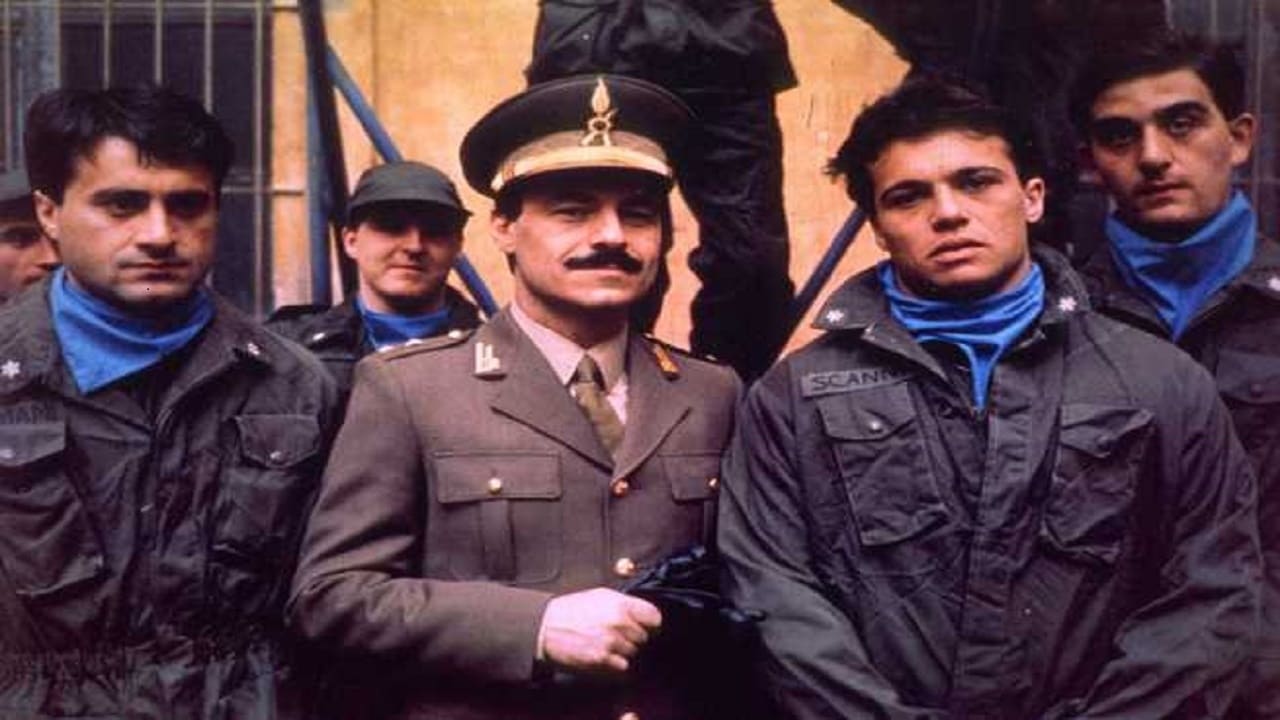
The central tension crackles between the raw, rebellious energy of the recruits, personified brilliantly by a young Claudio Amendola as Private Scanna, and the unyielding discipline enforced by Lieutenant Fili, played with steely resolve by Massimo Dapporto. Amendola, already showcasing the intensity that would define much of his later career (seen in films like Ultrà (1991)), captures the frustration and defiance of youth railing against an impersonal system. Dapporto, son of actor Carlo Dapporto, embodies the military institution – stern, demanding, seemingly inflexible. Yet, beneath the uniform, Risi allows glimpses of something more complex, hinting at the pressures and perhaps even the doubts faced by those tasked with command.
Faces in the Crowd
While Amendola and Dapporto anchor the film, the ensemble cast effectively portrays the diverse personalities thrown together by conscription. Each face tells a story of interrupted lives, anxieties, and varying degrees of acceptance or resistance. Look out for Alessandro Benvenuti in a supporting role that earned him a David di Donatello nomination (Italy's equivalent of the Oscars) for Best Supporting Actor – a testament to the strength of the character work across the board. Even Agostina Belli (Profumo di donna (1974)), in a smaller role, adds a touch of warmth and connection to the world outside the barracks, highlighting what the soldiers are missing.
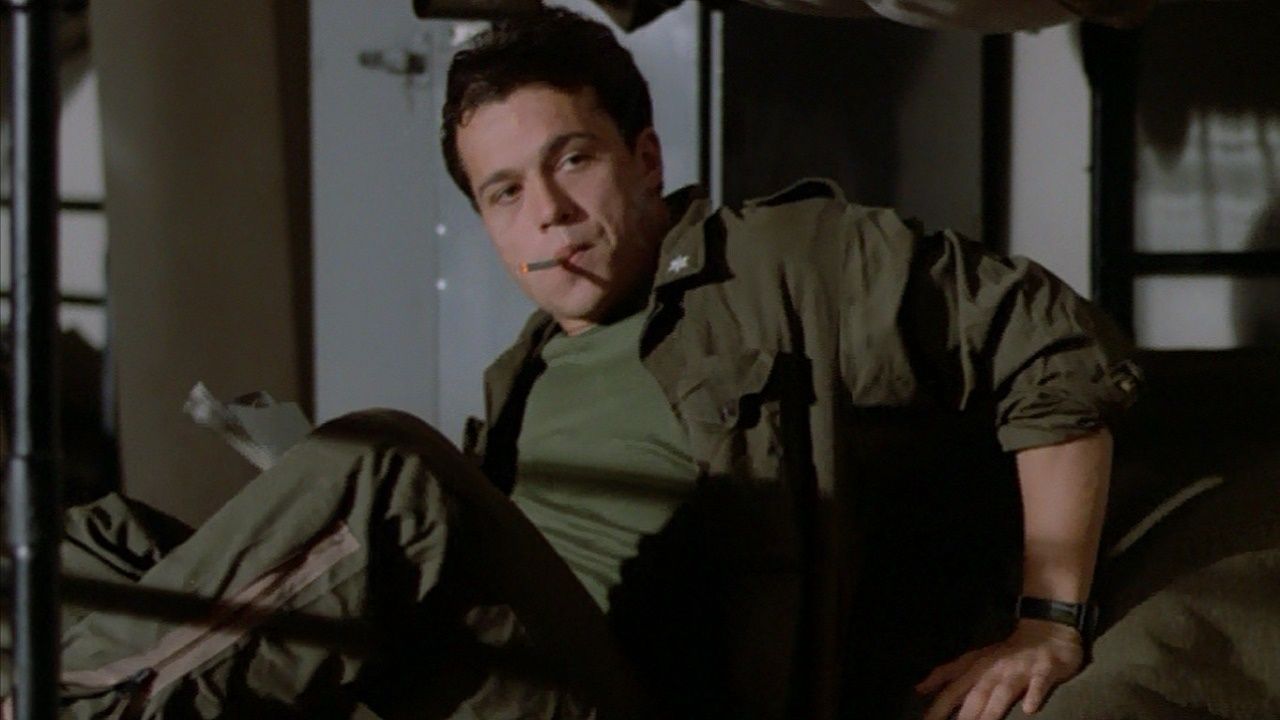
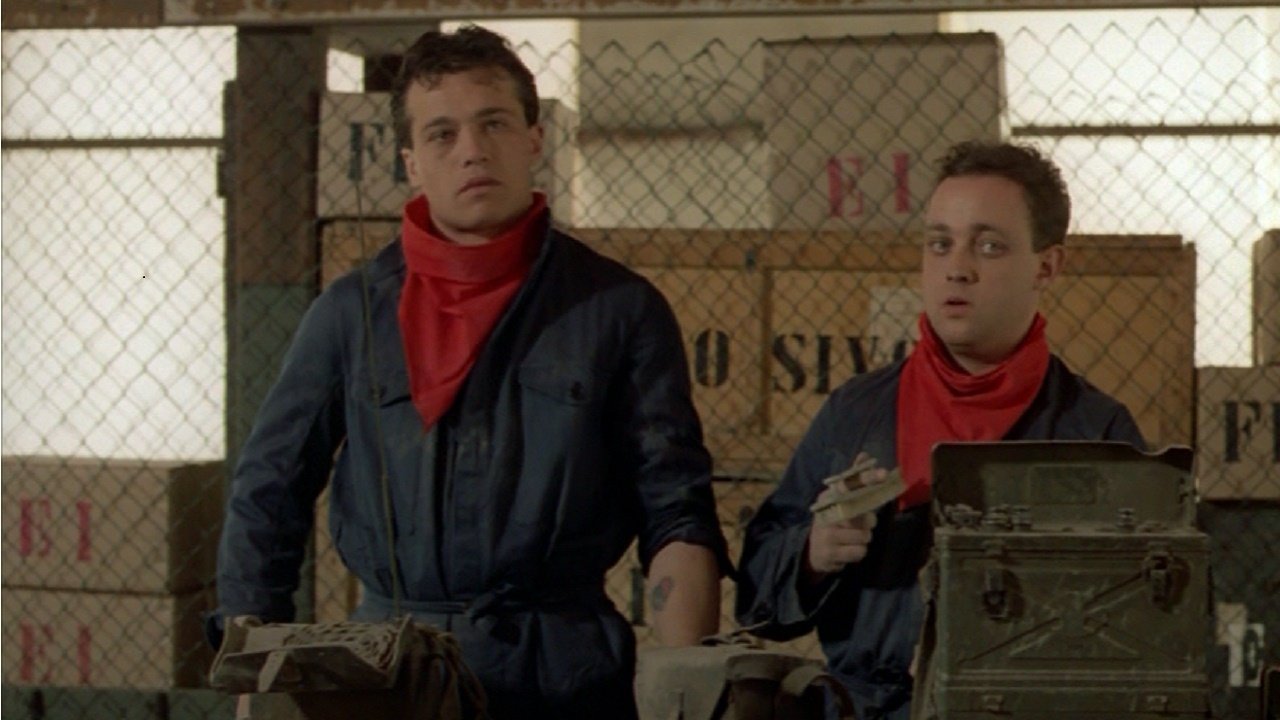
The film doesn't shy away from the uglier aspects – the bullying, the sense of powerlessness, the casual cruelty that can fester in closed environments. Yet, it also finds moments of unexpected connection and dark humour, born from shared hardship. It asks us to consider: what happens to individuality within such a rigid structure? How does this forced proximity shape young men, for better or worse?
Authenticity Forged in Snow
Soldati feels remarkably authentic, partly due to its commitment to realism. Filmed largely on location in the stark, snow-covered landscapes of the Friuli-Venezia Giulia region in Northeast Italy (specifically Tarvisio and Malborghetto Valbruna, near the Austrian and Slovenian borders), the environment itself becomes a character – isolating, beautiful, and unforgiving. This wasn't a studio backlot; you can almost feel the biting cold seep through the screen. This setting reinforces the feeling of being cut off, intensifying the claustrophobia of barracks life.
Director Marco Risi, who would continue exploring social themes in Italian society with films like Mery per sempre (1989) and Ragazzi fuori (1990), demonstrates a keen eye for observation here. He avoids overt political statements, instead letting the daily routines and the interactions between characters speak for themselves. The camera often feels like a quiet observer, capturing the monotony and the sudden bursts of tension with an unflinching gaze. For Italian audiences of the time, where nearly every young man faced the naja, the film undoubtedly struck a powerful chord of recognition. It presented an unvarnished look at an experience that shaped a generation, far removed from idealized notions of military glory.
Remember the texture of those late 80s dramas on VHS? The slightly muted colours, the focus on character over spectacle? Soldati fits right into that mould. It’s a film that rewards patience, drawing you into its specific world and asking you to reflect on the human cost of institutional demands. It doesn't offer easy answers or neat resolutions, mirroring the often ambiguous and anticlimactic nature of the experience it portrays.
The Countdown Ends
Soldati - 365 all'alba isn't a feel-good movie, nor is it an action-packed thrill ride. It’s a thoughtful, sometimes bleak, but ultimately humane examination of young men caught in the gears of a system. The performances, particularly from Amendola and Dapporto, are compelling, capturing the friction between rebellion and authority with nuance. Risi's direction is assured, prioritizing realism and atmospheric detail over melodrama. While its pacing might feel deliberate to modern viewers accustomed to faster cuts, its strength lies in its immersive quality and its unflinching portrayal of a specific, yet universally resonant, experience. It’s a potent reminder of a time and a system, captured with honesty on celluloid (and thankfully, preserved on those trusty VHS tapes).
Rating: 7.5/10
Justification: The film earns high marks for its powerful performances, atmospheric realism, and its unflinching look at the psychological impact of mandatory military service. It authentically captures a specific cultural experience (the Italian naja) with universal themes. The deliberate pacing and lack of a conventional plot might deter some, but its thematic depth and observational style make it a rewarding watch for those seeking character-driven drama from the era. The .5 reflects its specific appeal – deeply resonant for those familiar with the context, potentially more of a slow burn for others, but undeniably well-crafted.
Final Thought: What truly lingers after watching Soldati isn't just the snow or the shouted commands, but the faces of those young men, caught between defiance and resignation, counting down the days until dawn breaks on their civilian lives. It’s a quiet film that speaks volumes about time, identity, and the pressure to conform.