Sometimes, a film found tucked away on a video store shelf, perhaps in the foreign language section or simply misfiled amongst the bigger names, lodges itself in your memory with unexpected force. For a Lost Soldier (Dutch: Voor een Verloren Soldaat), released in 1992, is one such film – a quiet, contemplative piece that doesn't shy away from the disquieting ambiguities of memory, war, and burgeoning awareness. It's a viewing experience that lingers, prompting reflection long after the tape has rewound.
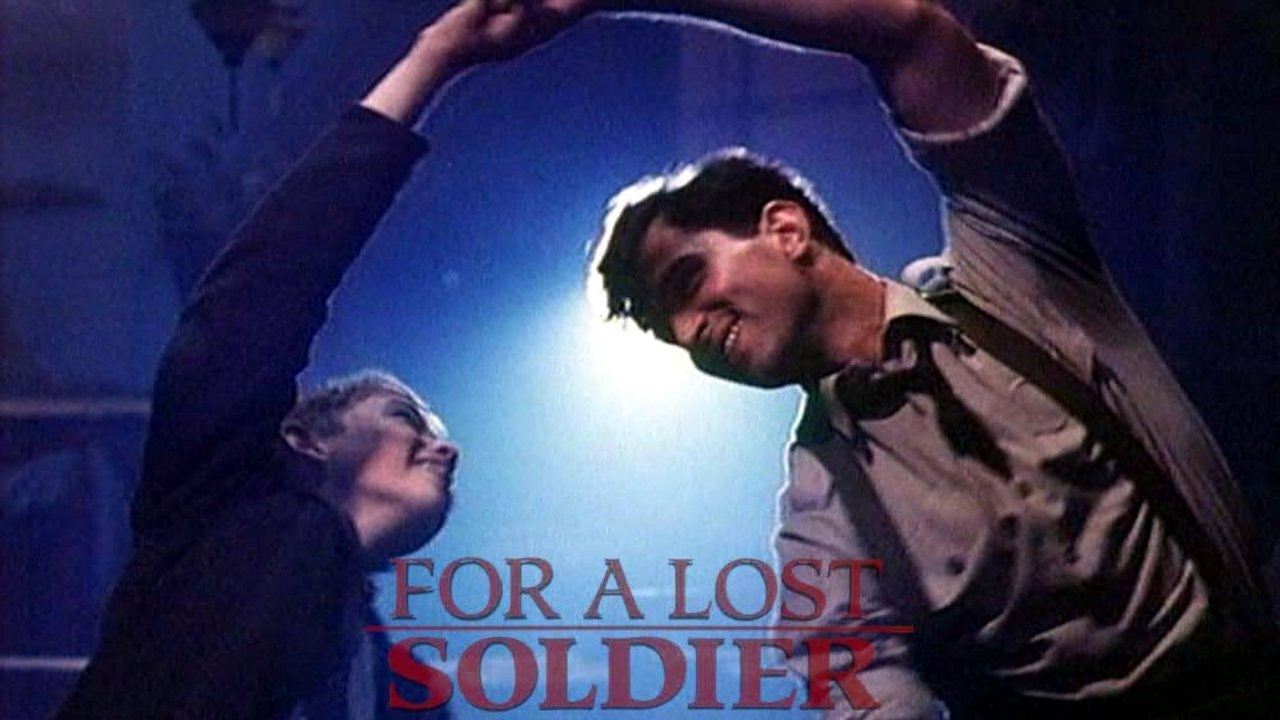
Based on the autobiographical novel by celebrated Dutch choreographer and writer Rudi van Dantzig, the film transports us to the final months of World War II in the occupied Netherlands. It filters the immense historical canvas through the intensely personal perspective of a young boy, Joris (played with remarkable naturalism by Maarten Smit), who has been sent away from the hunger-stricken cities to the relative safety of the countryside. Director Roeland Kerbosch, who also co-wrote the screenplay with van Dantzig himself, crafts an atmosphere thick with the strange blend of childhood naivete and the encroaching anxieties of war.
### The Haze of Memory and Liberation
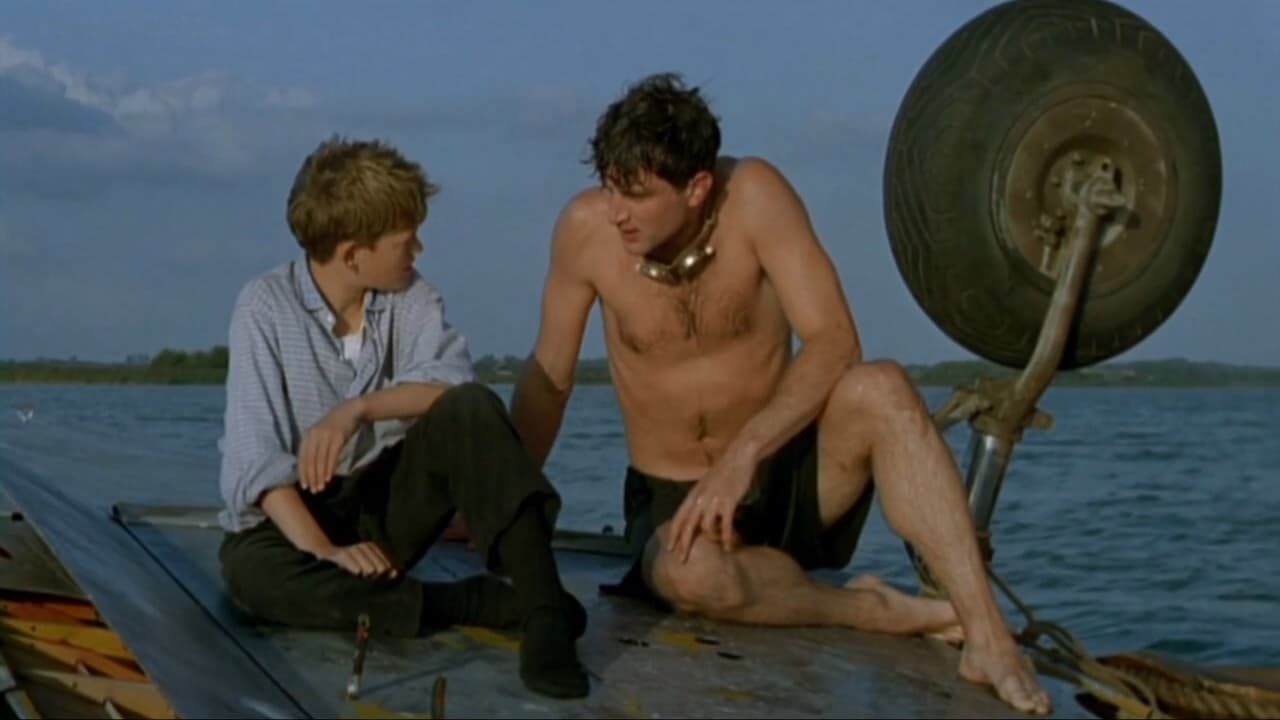
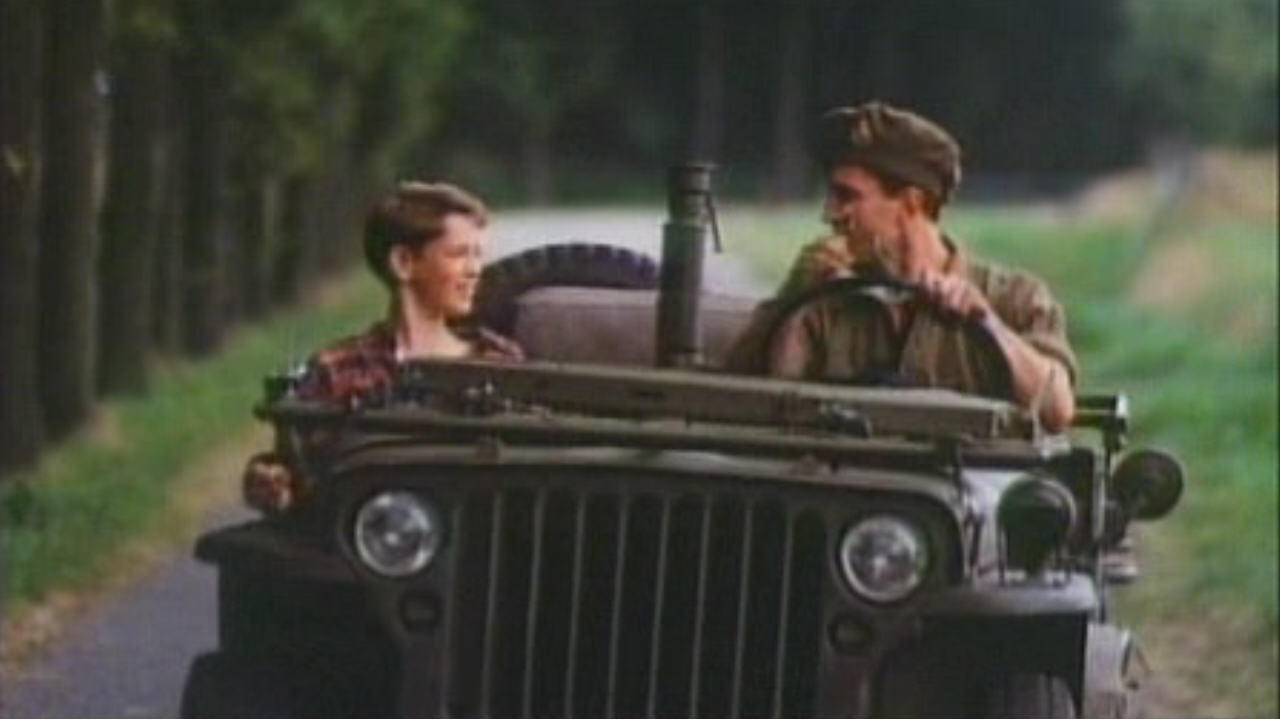
The film’s power lies in its commitment to Joris's point of view. We see the world through his eyes: the initial fear and loneliness in a new environment, the gradual forging of friendships, and then, the seismic arrival of the Allied forces. The Canadian soldiers are perceived almost as mythical figures, bringers of chocolate, chewing gum, and an end to the oppressive German presence. It's within this context of liberation and profound relief that Joris forms a deep bond with Walt (Andrew Kelley), a young Canadian soldier.

Their relationship is the heart of the film, and also its most complex and potentially challenging element. Kerbosch presents their interactions with a delicate, observational distance, focusing on the emotional connection, the shared moments of tenderness, and Joris's obvious adoration, rather than explicit detail. It’s a portrayal that leans heavily on suggestion and atmosphere, capturing the confusing swirl of affection, dependence, and awakening sensuality from the boy's perspective, all framed within the extraordinary circumstances of wartime upheaval. It's a testament to Maarten Smit's performance that Joris's vulnerability and innocence remain central, even as the narrative navigates difficult terrain. Andrew Kelley, too, effectively portrays Walt's kindness and perhaps his own loneliness, far from home in a devastating conflict.
### Crafting Authenticity Amidst Controversy
Filming this story couldn't have been simple. It's based directly on van Dantzig's own childhood experiences, a fact that lends the narrative a powerful, if sometimes unsettling, authenticity. Van Dantzig was initially hesitant about adapting his deeply personal memoir, but Kerbosch convinced him, ensuring the author was closely involved. This collaboration likely contributed to the film's sensitive, non-sensationalist handling of its subject matter. It wasn’t filmed in the actual village where van Dantzig stayed (Warns), but rather in nearby Friesland locations like Piaam and Ferwoude, chosen for their preserved period atmosphere, crucial for evoking that specific time and place.
The film is bookended by scenes featuring an older Joris, now a successful choreographer (played by the esteemed Dutch actor Jeroen Krabbé, familiar to international audiences from films like The Fugitive and the Bond film The Living Daylights), attempting to process these formative memories. These sequences provide context but also underscore the lasting impact of those wartime months and the enduring question mark left by Walt's sudden departure with the end of the war. This framing device reinforces the theme of memory's selective and often elusive nature. What does it mean to look back on events that shaped us profoundly, yet remain shrouded in the complex emotions of youth and trauma?
### A Quiet Departure from 90s Trends
In an era often dominated by louder, faster cinematic fare, For a Lost Soldier stands out for its quiet patience and emotional nuance. Its visual style is understated, focusing on the natural beauty of the Dutch landscape juxtaposed with the subtle tensions of the occupation and the eventual elation of liberation. It doesn't rely on grand battle sequences; the war is felt more as a pervasive presence, shaping lives and relationships in intimate ways.
Finding this on VHS, perhaps nestled between action blockbusters or mainstream dramas, felt like discovering a hidden frequency. It wasn't a comfortable watch, necessarily, but it was a deeply human one. It reminds us that the experiences of war are manifold, extending far beyond the front lines, leaving indelible marks on individual lives in ways both overt and deeply internalized. I remember renting it from a smaller, independent video store known for its eclectic collection – the kind of place where cinematic discoveries felt personal, almost secret. The plain cover art gave little away, making the unfolding story all the more impactful.
It’s a film that prompts questions rather than providing easy answers. How do extreme circumstances reshape boundaries? How does memory filter and reframe potentially traumatic experiences? The film doesn’t offer judgment, instead inviting contemplation on the enduring power of formative connections, however complex or shadowed they may be.
Rating: 7.5/10
Justification: For a Lost Soldier earns its score through its sensitive direction, remarkably natural performances (especially from young Maarten Smit), and its courageous, non-exploitative handling of a deeply complex and personal story. It masterfully evokes the specific atmosphere of wartime liberation and childhood confusion. While its deliberate pacing and challenging subject matter might not appeal to all, its artistic integrity and emotional honesty make it a significant, albeit perhaps lesser-known, piece of early 90s cinema.
Final Thought: A haunting and beautifully crafted film that lingers not because of shock, but because of its quiet insistence on exploring the ambiguities of memory and the indelible marks left by war's passage, even in the most personal spaces.