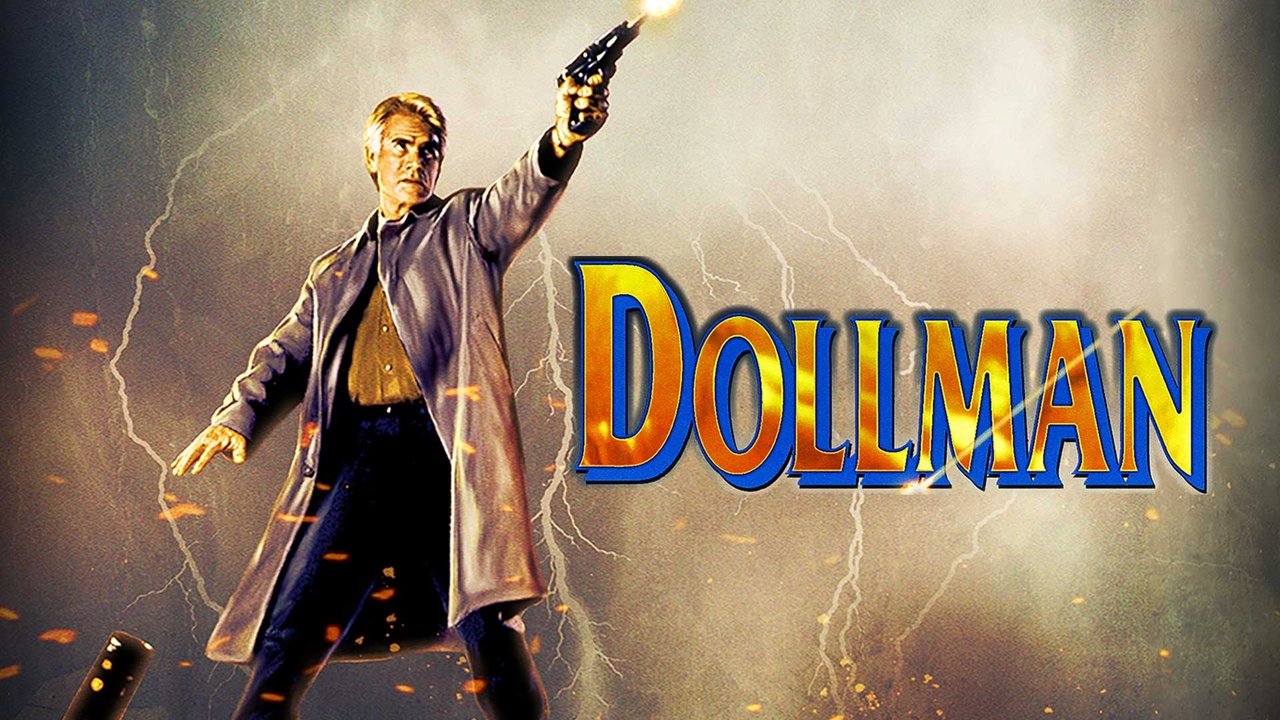
Alright, rewind your minds with me. Picture this: it's late, the tracking on the VCR is finally cooperating (mostly), and you've just popped in a tape promising high-concept sci-fi action. The title? Dollman. The premise? Utterly bonkers, wonderfully so. You settle in, bathed in the glow of the CRT, ready for whatever low-budget magic (or madness) the legendary Charles Band and Full Moon Entertainment have cooked up this time. And Dollman, directed by the prolific maestro of stylish B-movies, Albert Pyun, delivers exactly the kind of weird, gritty, and strangely compelling experience that made wandering the video store aisles such an adventure.

### Thirteen Inches of Pure Bad Attitude
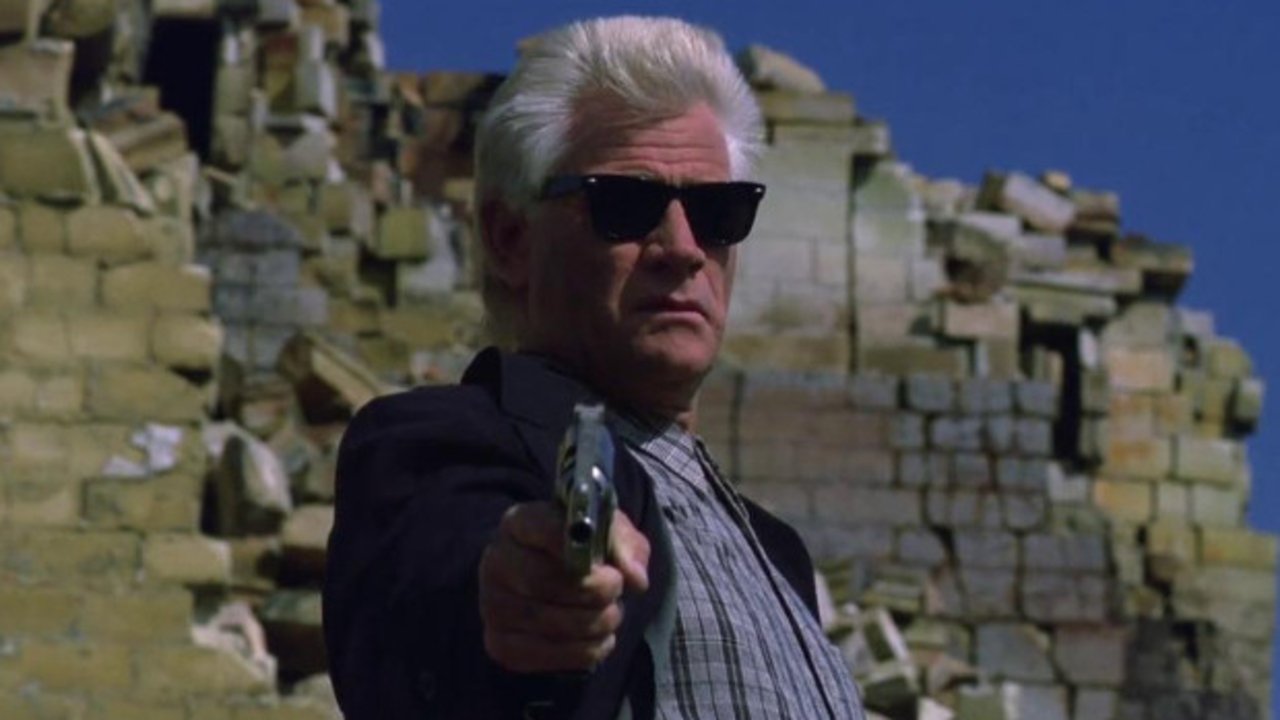
Forget your standard action heroes. Dollman throws us Brick Bardo (Tim Thomerson), a cop from the planet Arturos where people are, well, normal sized. But after a chase through space lands him and his nemesis Sprug on Earth (specifically, the gloriously grimy South Bronx), Bardo discovers he's suddenly only 13 inches tall. Thomerson, already a cult icon thanks to his role as Jack Deth in the Trancers series (another Band production), absolutely owns this role. He plays Bardo completely straight – a cynical, gravel-voiced hardass trapped in a ludicrous situation. The dialogue is pure pulp ("Goddamn slimeball pustule!"), delivered with Thomerson's signature deadpan weariness, and it’s the commitment to this absurdity that makes the film click. It's like Clint Eastwood's Man With No Name got zapped by Rick Moranis's shrink ray.
### Big Trouble in Little South Bronx
Albert Pyun, known for squeezing incredible production value out of minimal resources in films like Cyborg (1989) and Nemesis (1992), works his usual magic here. Shot on location, the film uses the dilapidated urban landscape of the South Bronx to great effect, grounding the outlandish sci-fi concept in a surprisingly harsh reality. This isn't a slick, polished Hollywood vision; it feels rough, lived-in, and genuinely dangerous, which adds a unique flavour. Bardo finds an unlikely ally in Debi Alejandro (Kamala Lopez), a single mother fighting against local gang leader Braxton Red, played with sneering menace by a pre-resurgence Jackie Earle Haley. Remember him from The Bad News Bears (1976)? Seeing him here as this ruthless street thug was certainly a shift, and he brings a volatile energy that makes him a credible threat, even to our miniature lawman.
### Honey, I Shrunk the Gunfight
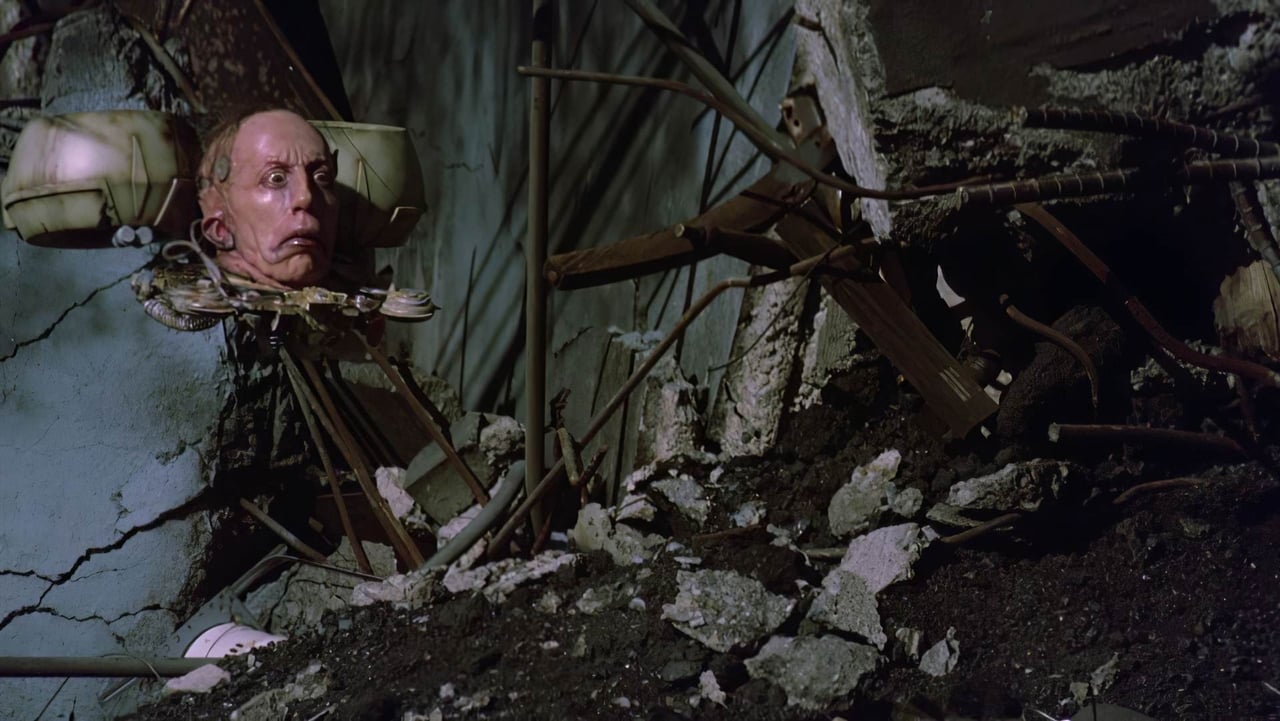
Let's talk about those effects, the heart and soul of why Dollman sticks in the memory. Forget seamless CGI; this is the era of practical ingenuity. Pyun and his team relied heavily on forced perspective, oversized props, and clever camera angles to sell the illusion of a tiny man in a big world. Was it always convincing? Maybe not by today's pixel-perfect standards. Watching it on VHS, through a haze of static and nostalgia, it felt tangible, real in a way that slick digital effects sometimes miss. You could almost feel the effort behind constructing that giant discarded can Bardo hides behind or the sheer heft of his alien handcannon, the "Kruger Blaster," which looks hilariously oversized even for a normal human. A key retro fun fact: Thomerson reportedly spent a lot of time acting against marks or oversized props on separate blue or green screens, a challenging task that his grounded performance manages to overcome. The action scenes, particularly the shootouts where Bardo takes cover behind discarded trash, have a raw, almost desperate quality enhanced by the low-budget charm. Remember how impactful those squib hits looked back then, even on a small scale?
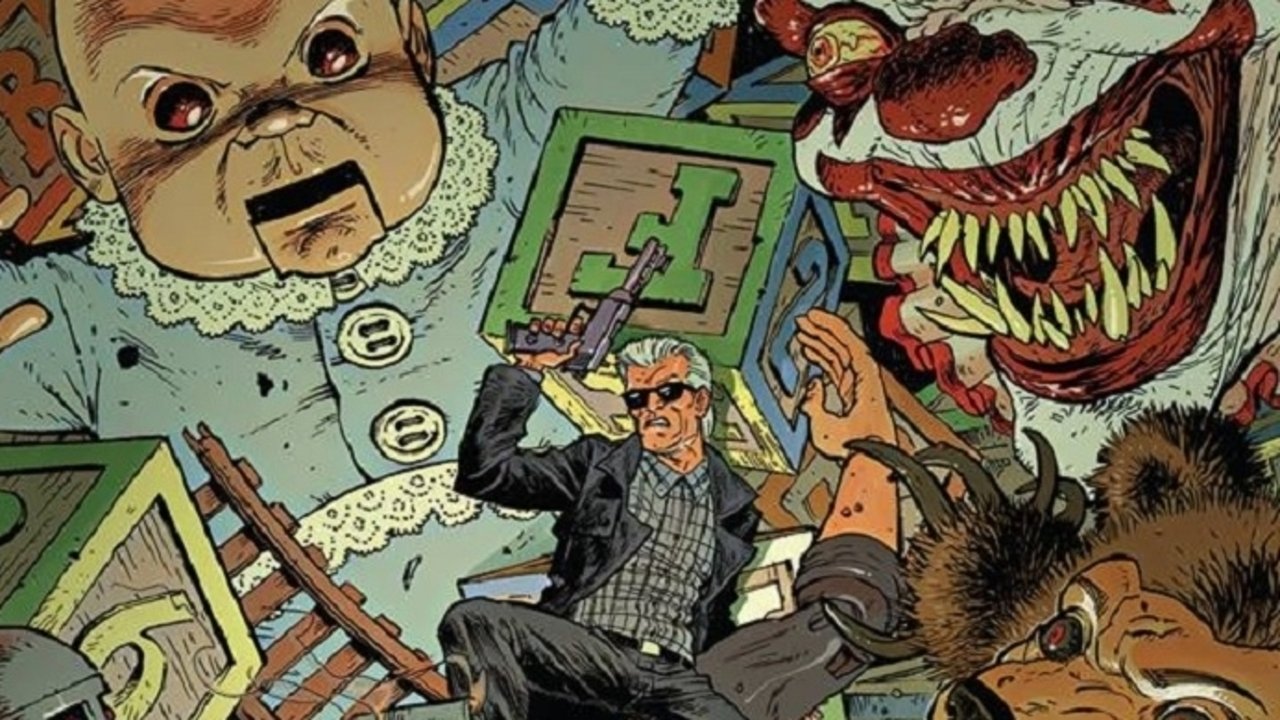
Pyun, working with a typically modest Full Moon budget (reportedly around $1.5 million – pocket change even then), stretches every dollar. He understood how to create atmosphere through lighting, framing, and making the most of his gritty locations. The film’s score, often pulsing and synth-heavy, further cements its late-80s/early-90s identity. Dollman wasn't a box office smash – it was primarily a straight-to-video affair – but it quickly found its audience among genre fans who appreciated its unique blend of sci-fi, action, and hardboiled attitude. It even spawned a crossover, Dollman vs. Demonic Toys (1993), cementing its place in the Full Moon cinematic universe.
### Still Packing Heat?
Watching Dollman today is a potent hit of nostalgia. It’s undeniably a product of its time, from the synth score to the slightly clunky effects. But Thomerson's performance remains iconic, Pyun's direction is stylishly resourceful, and the core concept is just inherently fun. It’s a reminder of a time when filmmakers took wild swings, constrained by budget but not imagination, creating memorable oddities that filled those glorious video store shelves. It has that specific texture, that unmistakable feel of a movie discovered late at night, exceeding expectations born from its wonderfully lurid VHS box art.
Rating: 7/10
Justification: While the budget limitations show and the effects are charmingly dated, Tim Thomerson's perfect deadpan delivery as the titular tiny terror, Albert Pyun's gritty direction, the surprisingly effective South Bronx atmosphere, and the sheer audacious fun of the high concept elevate Dollman beyond mere B-movie fodder. It’s a testament to practical effects ingenuity and boasts a genuinely memorable cult hero performance. Points are docked for some pacing lulls and effects that occasionally buckle, but the overall package is pure VHS Heaven gold.
Final Thought: Dollman proves you don't need a big budget, or even a big hero (literally), to deliver big, weird, wonderful action – the kind that felt uniquely possible in the glorious heyday of tape rentals.